
 Worksheets
Science Review Term 1
Total questions: 54
Worksheet time: 2hrs 48mins

The roots...
take water from the roots to the leaves.
hold the plant and take in water and nutrients.
make the seed.
Which is a leaf?


The stem...
makes food for the plant.
takes in water from the roots to the leaves.
holds the plant and takes in water and nutrients from the soil.

The leaves...
make seeds.
makes the food for the plant.
hold the plant.


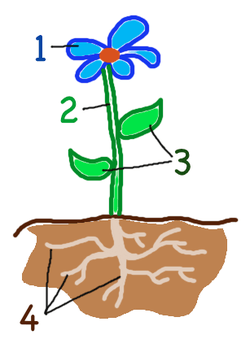
What do the roots take up from the soil?
Sunlight
Nutrients
Photosynthesis
Water
What is the function of the stem?
To keep the plant upright.
To create food for the plant.
To transport water and nutrients to other parts of the plant.
To attract insects.

This part of the plant is called the...
roots
stem
flower
leaves

This part of the plant is called the...
stem
flower
roots
leaves

This part of the plant is called the...
flower
leaves
roots
stem

This part of the plant is called the...
roots
stem
flower
leaves
A plant would not stay upright without the stem.
True
False
Plants are living things.
True
False
Plants have lived on Earth for hundreds of millions of years.
True
False
Plants can be found on all seven continents of the world (including Antarctica).
True
False

Plants need air, soil, sunlight and water.
True
False

What kind of plant is this?
tree
bush
grass
deciduous
Click on the living thing


Which of these is NOT a living thing?
Plant
Rock
Human
Bird
Draw a diagram of a plant. Include the roots, stem, leaves and petals.

Select all the things a plant needs for photosynthesis.
oxygen
sunlight
water
flowers
carbon dioxide
What gives plants the power to make their own food?


What is a Carnivore?
Animal that eats only plants
Animal that eats only meat
Animal that eats both plants and meat
What is an Omnivore?
Animal that eats only plants
Animal that eats both plants and meat
Animal that eats only meat
What is a Herbivore?
Animal that eats only plants
Animal that eats both plants and meat
Animal that eats only meat

I eat bamboo leaves and stems.
Herbivore
Carnivore
Omnivore

I eat mice, insects, and fish
Herbivore
Carnivore
Omnivore

I eat gazelles and zebras
Herbivore
Carnivore
Omnivore

I eat hay and grass.
Herbivore
Carnivore
Omnivore

Bears eat fish, insects, plants, seeds, nuts and young elk. They are called __________.
herbivore
Carnivore
Omnivore
Find the carnivore?


Which of these is a type of rock?
pumice
leaves
soil
sandstone
What is liquid rock called when it is beneath the Earth?
(a)
A rock deep within the Earth experiences extreme temperature and pressure. After a long period of time it becomes which rock?
Magma
Igneous
Metamorphic
Sedimentary

This rock is formed in layers.
Sedimentary
Igneous
Metamorphic

Fossils are often found in this rock.
Sedimentary
Igneous
Metamorphic
You would most likely find this rock near a volcano.
Sedimentary
Igneous
Metamorphic



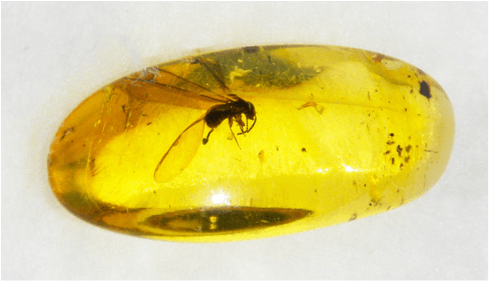
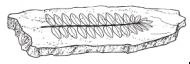
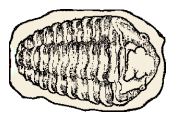

An animal has sharp, pointy teeth, what can we infer about this animal?
The animal lived in the water
The animal lived near the beach.
The animal is a carnivore.
The animal only ate plants.
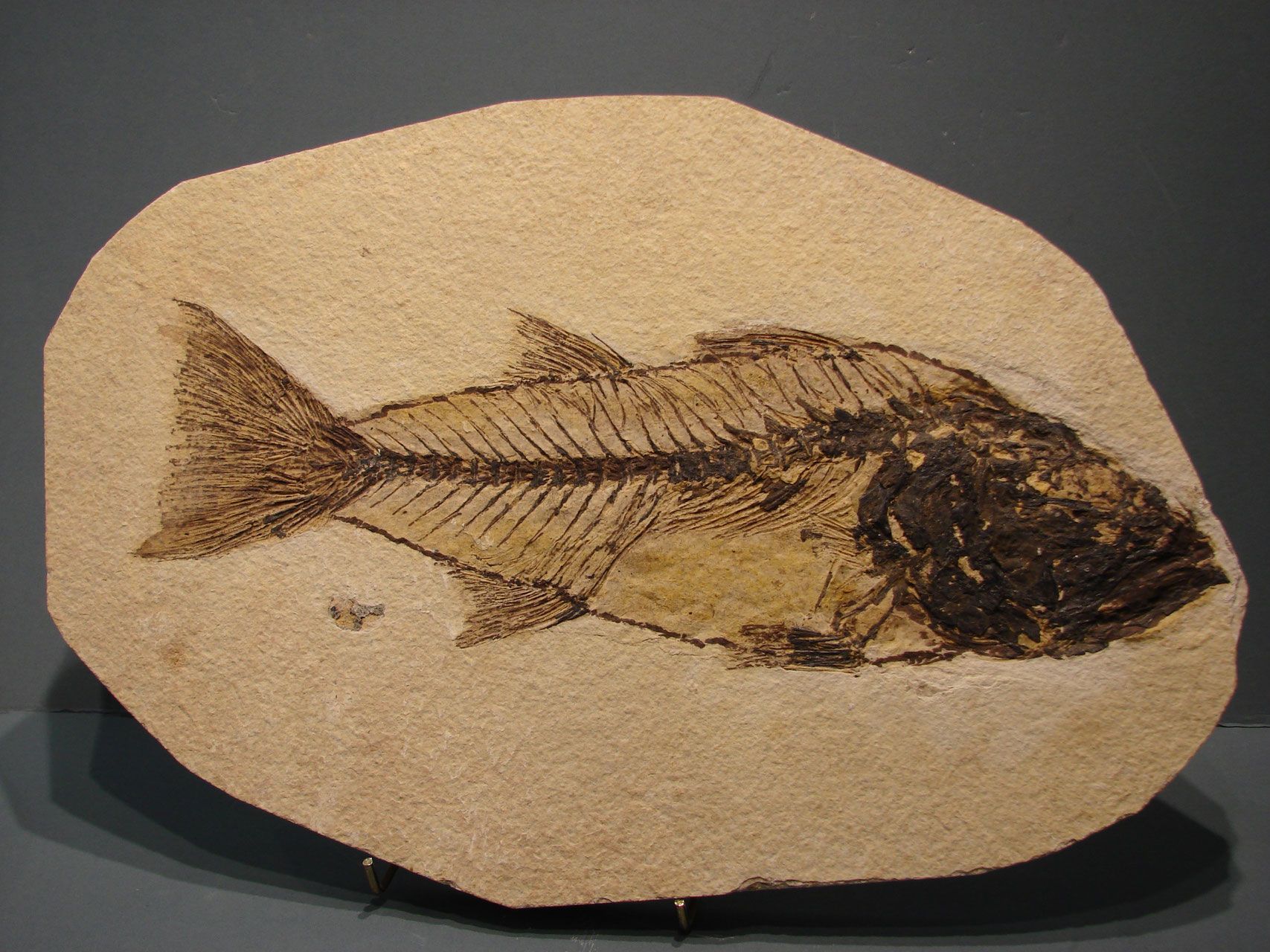
If a scientist found a fish fossil in the desert, what can they infer?
An animal ate the fish.
The water covered the area long ago.
Today's fish looks the same
The fish is endangered.

What most likely made this fossil?
Plant
Animal
Footprint
Bone

What most likely made this fossil?
Plant
Animal
Footprint
Bone

The picture shows a megalodon shark tooth fossil. What can be concluded about the megalodon shark from the picture?
It mostly ate plants.
It was a white color.
It was very large.
It swam quickly.

The picture shows a fossil of a dinosaur that scientists discovered. Select three things that can be learned about the dinosaur using this fossil.
how long ago the dinosaur died
what color the dinosaur was
where the dinosaur lived
the sound the dinosaur made
how large the dinosaur was

Which type of environment did this fossil live in?
Ocean
Tundra
Prairie
Desert

