
 Worksheets
Mutations
Total questions: 20
Worksheet time: 16mins
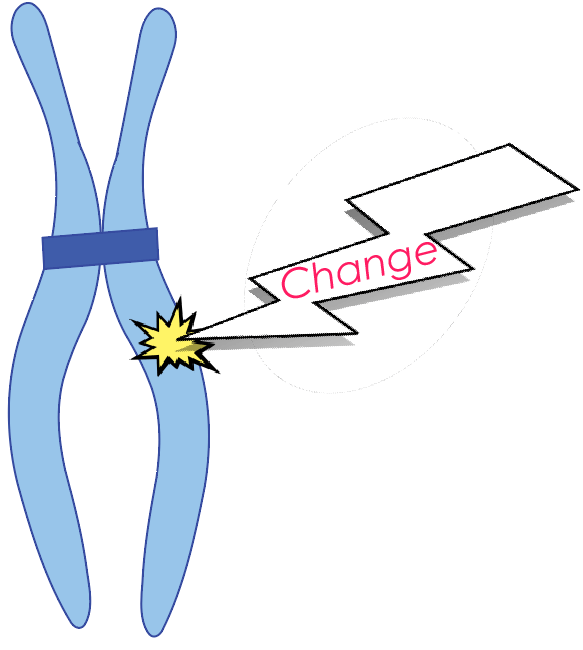
A change in a gene, group of genes or chromosome that results in a change in the proteins
Replication
Mutations
Translation
Transcription
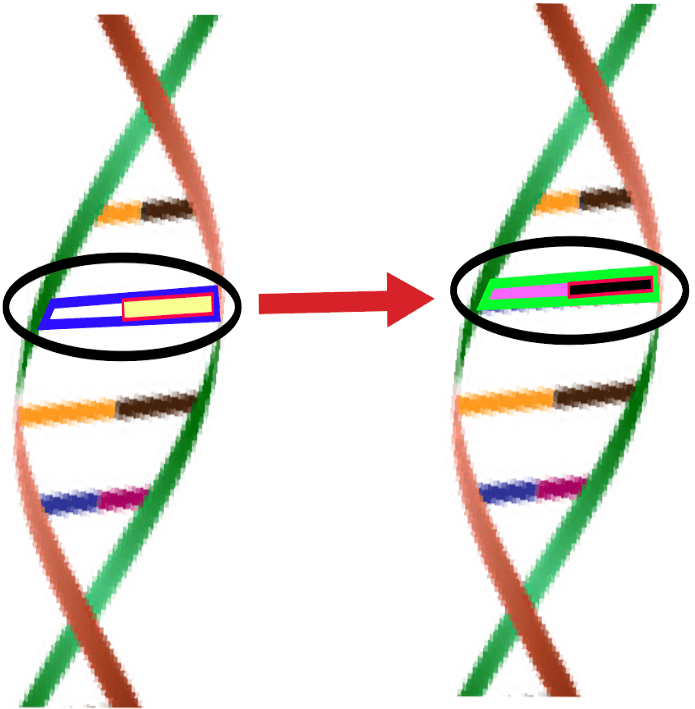
A permanent change in the DNA sequence
which can affect a single gene or group of genes
Homeostasis
Somatic Cell
Chromosomal Mutation
Gene Mutation

One nucleotide base is changed so only one amino acid
is affected
Substitution Mutation
Point Mutation
Translocation
Inverse Mutation

A point mutation where one nucleotide base replaces an original nucleotide base
Inversion Mutation
Chromosomal Mutation
Translocation
Substitution Mutation

A substitution mutation that has no effect
on amino acids sequence
Insertion Mutation
Translocation
Silent Mutation
Deletion Mutation

A nucleotide base is inserted or deleted shifting the entire DNA sequence. Entire protein will be changed.
Substitution Mutation
Silent Mutation
Frameshift Mutation
Translocation

A frameshift mutation where a nucleotide base
is removed from the DNA sequence.
Deletion Mutation
Substitution Mutation
Translocation
Silent Mutation
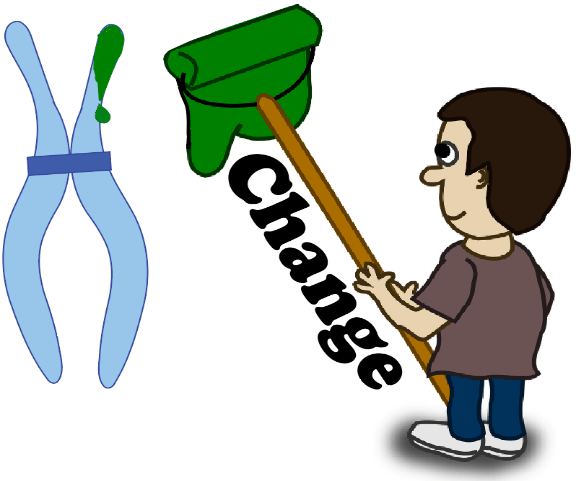
Mutations that involve parts of or all of
a chromosome
Replication
Deletion Mutation
Chromosomal Mutation
Transcription

Part of a chromosome
is deleted
Deletion Mutation-Gene
Translocation
Deletion Mutation -Chromosomal
Crossing Over

Part of a chromosome is repeated
Gene Mutation
Point Mutation
Deletion Mutation
Duplication Mutation

Part of a chromosome is reversed.
Inversion Mutation
Deletion Mutation
Translocation
Point Mutation

Part of one chromosome is transported and attached
to a non-homologous chromosome
Inversion Mutation
Translocation Mutation
Duplication Mutation
Point Mutation

Failure of homologous chromosomes
to separate during meiosis.
Results in gametes with either one extra or one missing chromosome.
Translocation
Nondisjunction
Replication
Transcription
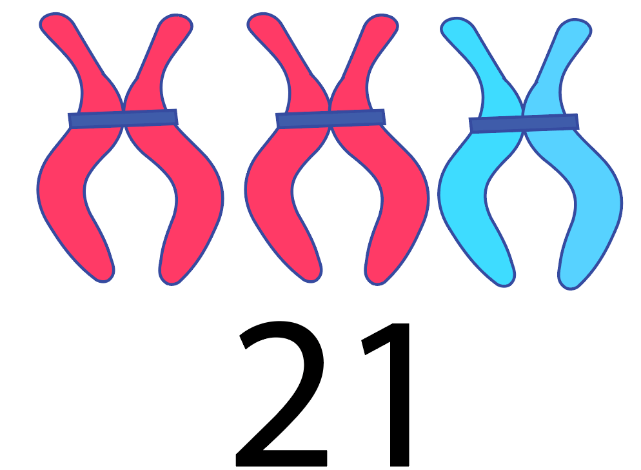
Condition caused by nondisjunction at pair 21 during meiosis.
Individuals have an extra chromosome
at pair 21, or a total of 47 chromosomes.
Also called Trisomy 21.
Cystic Fibrosis
Translocation
Hemophilia
Down Syndrome

DNA molecule segment is : TTA CGC AAG
The mutated DNA segment is TTC GCA AG. This is an example of ___ mutation.
Missense Substitution
Deletion Frameshift
Insertion Frameshift
Nonsense Substitution
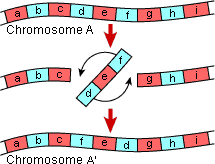
What type of chromosomal mutation is this?
Translocation
Inversion
Deletion
Duplication
ATT TGA GCC- Original
ATT GAG CC - Mutated
The example above is an example of a
Insertion- Frameshift
Deletion- Substitution
Deletion -Frameshift
Missense-Substitution
Any change in the sequence of DNA is...
Genetic Variation
Transformation
Meiosis
Mutation
Genetic mutations can be...
beneficial, harmful, or neutral
beneficial only
harmful only
neutral only

