
 Worksheets
Sustainability Foundations: Sustaining Global Resources
Total questions: 31
Worksheet time: 21mins
Which of the following are made from renewable resources?
Wood
Paper
Both 1 and 2
Neither 1 nor 2
What is a common characteristic of renewable resources?
They are finite
They can be replenished naturally
They are always man-made
They are non-recyclable
Which of the following is NOT a renewable resource?
Solar energy
Wind energy
Coal
Hydropower
Why is it important to use renewable resources?
They are cheaper than non-renewable resources
They help reduce environmental pollution
They are easier to extract
They are always available in large quantities
Which of the following is an example of a renewable resource?
Metals
Paper
Oil
Gasoline
________ is an example of a renewable resource.
Solar energy
Iron
Oil
Coal

Which one is a completely renewable resource?
Oil
Sunlight
Coal
Fresh water
1. Which of the following is not a renewable resource?
coal
wind energy
solar energy
water
What are examples of non-renewable resources?
Oil, coal and solar energy.
Gas, coal and water.
Oil, gas and wind.
Oil, gas and coal.
What does renewable mean?
to protect from loss
able to be replaced
to put money or resources toward something
to move forward
to increase to the greatest possible amount
Wind power is renewable.
true
false
A resource that can restore or renew itself (unless badly mismanaged) or can be used over and over is called a:
Renewable resource
Non-renewable resource
Perpetual resource
Indestructible resource
What does RENEWABLE mean?
able to be replaced
to put money or resources toward something
to move forward
to increase to the greatest possible amount
Which of the following is not a renewable resource?
Solar Energy
Wind Energy
Fossil Fuels
Hydroelectric Power
Is soil a renewable resource?
True
False
Which of the following is an example of a renewable natural resource?
Copper
Crude Oil
Coal
Wave Energy
Which of the following resources is considered renewable?
Granite countertop
Coal
Water
Steel
A resource that cannot replenish itself is...
Renewable
Non-renewable
Coal is formed when dead plant matter decays and is buried deep over a long period of time. Why is it considered a nonrenewable resource if it comes from plant life?
It requires specific plants to decay, and that type of plant has been extinct for hundreds of years.
Because it takes so long to form, it is not renewed fast enough to match humans' rate of consumption.
Both 1 and 2
Neither 1 nor 2
What is the benefit of a product having fewer packaging materials?
Fewer packaging materials means the product is more likely to break while in transit
Fewer packaging materials means less waste is created when a product is opened
Both 1 and 2
Neither 1 nor 2
What are some steps of the product life cycle you should consider when you're looking for a sustainable product option?
Packaging - the less packaging materials, the better
Production or ingredient sourcing, and distribution.
Both 1 and 2
Neither 1 nor 2
What is one reason why shopping local is a sustainable lifestyle choice?
Shopping local is sustainable because products don't have to be shipped long distances and burn fossil fuels in the process.
Shopping local is sustainable because it can completely use up a resource in one area before sourcing it from another area.
Shopping local means products don't have to be designed to be long-lasting or durable, so customers have to buy the same items repeatedly.
None of the above.
What is a renewable resource? (Choose all that are correct)
A resource you can reuse over and over
An object you cannot replace
Fossil fuels
A resource that has a nearly unlimited supply

Students were asked to generate a list that contained nothing but renewable resources. Which student was the the only one to make a correct list?
Student A
Student B
Student C
Student D
Students were asked to generate a list that contained nothing but renewable resources. Which student was the the only one to make a correct list?
Student A
Student B
Student C
Student D

Are plants a renewable or nonrenewable natural resource?
Renewable
Nonrenewable

The chart has a mistake. (a) should be marked as non-renewable
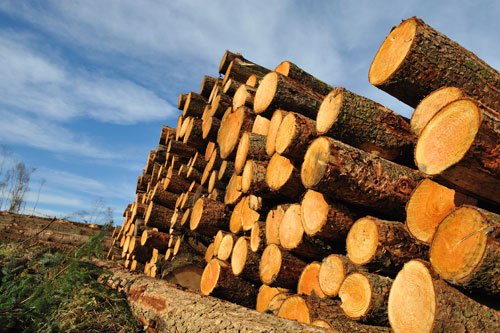
Wood is...
A renewable resource
A nonrenewable resource
Used to make oil
Used to make plastic

Is coal a renewable or nonrenewable natural resource?
Renewable
Nonrenewable


Which of the following is an example of a renewable resource?

Coal

Solar energy

Uranium

