
 Worksheets
Y9 Ecosystems Revision
Total questions: 52
Worksheet time: 57mins
Which of the following groups are abiotic?
bird, fish, tree, frog
shark, manatee, fly, lizard
water, shark, tree, soil
water, sun, 98 degrees, soil
Choose all the abiotic factors.
Water
Birds
Rocks
Sunflower
Name the organism that eats other plants or animals for energy and nutrients.
Homotroph
Heterotroph
Carnivores
Producer

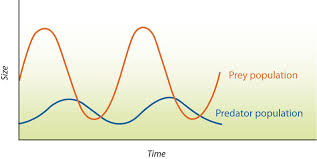
True or False: The population size of predators are equal to the population size of prey.
True
False

Any relationship in which two different species use each other to live is called _________________.
Predation
Symbiosis
Competition
Harmony

In this food web, which animals are in competition?
Hawks and coyotes
Squirrels and hawks
Antelopes and squirrels
Hawks and mountain lions

What does this image show?
Food web
Food chain
Food pyramid
How is commensalism different from mutualism?
In commensalism, one species benefits while the other is unharmed; in mutualism, both species benefit
In commensalism, one species is harmed while the other benefits; in mutualism, both species benefit
In commensalism, neither species is harmed; in mutualism, one species is harmed
In commensalism, both species benefit; in mutualism, one species harmed
Which of the following is an example of a parasite?
A flea
An orchid
An Egyptian Plover
The bacteria that live in human intestines

Remoras are fish that swim alongside sharks, eating scraps that the sharks leave behind. This is an example of:
Amensalism
Commensalism
Parasitism
Mutualism

Mistletoe is a plant that grows in the branches of other plants. It grows by taking nutrients and water from these plants. This is an example of:
Mutualism
Commensalism
Parasitism
Amensalism
An example of a decomposer would be a bacterium in a dead rat.
True
False

Heterotrophs that get energy and nutrition from dead or decaying organisms or their waste products and recycle nutrients back to the ecosystem.
Producer
Trophic
Decomposer
Autotrooph

The level in an Ecological pyramid that includes all the organisms that share the same place in a food chain.
Trophic Levels
Toxic Levels
KeKe Levels
Environmental Systems
What process removes CO2 from the atmosphere?
nitrogen fixation
photosynthesis
combustion
respiration
Why do heterotrophs need nitrogen?
to build proteins
to get energy
to conduct cell processes
to absorb excess nitrogen from the soil
What are the most important organisms to assist in the cycling of nitrogen?
plants
animals
bacteria
humans
Humans negatively impact the carbon cycle by all the following except...
cutting down forests for development
eating more meat
carpooling/taking public transportation
leaving lights on in an office/building

What process of the carbon cycle will release carbon into the atmosphere by decomposers?
photosynthesis
combustion
respiration
consumption
A population is...
A group of one species in one area
Multiple species that live in one area
All of the living and nonliving things in an area
None of these

An animal that eats both plants and animals.
carnivore
omnivore
herbivore
scavenger

Organisms that breakdown all the dead plants and animals and their waste and are converted into nutrients for plants.
carnivores
consumers
producers
decomposers
What is the regrowth type called that grows from buds under the bark
(a)
What regrowth type happens from underground roots starting new trunks of the tree?
(a)
Which of the following affect population size?
limitation of resources
presence of predators
migration
emigration
Some plants and animals have adapted to cope with droughts, foods and/or bushfires
True
False
Adaptations to tolerate bushfires include
epicormic buds
thick bark
lignotubers
lightsabers
Some animals in fire-prone areas survive by
burrowing underground
sensing fire and escaping
sheltering in trees
sitting on the ground


Look at the picture carefully. Decide if the picture shows a population or a community.
All of the animals in the rain forest.
Population
Community

Look at each picture carefully. Decide if the picture shows a population or a community.
The deer in the forest.
Population
Community
Choose the correct levels of Organization from lowest to highest...
population, community, ecosystem, organism
organism, population, community, ecosystem
organism, population, ecosystem, community
Which is the correct equation for aerobic respiration?
6O2 + C6H12O6 → 6CO2 + 6H2O
6CO2 + H2O → O2 + 6C6H12O6
6O2 + C6H12O6 → 6CO2
6CO2 + 6H2O → C6H12O6
After strenuous exercise, a muscle cell would contain decreased amounts of ______ and increased amounts of ______ ____
glucose ATP
ATP glucose
oxygen lactic acid
lactic acid ATP
Respiration releases energy so it is a...
exothermic reaction
endothermic reaction



