
 Worksheets
VSEPR and Polarity (Covalent bonds)
Total questions: 25
Worksheet time: 31mins
Name
Class
Date
1.

Is this molecule polar or non-polar?
a)
Polar
b)
Non-polar
2.

Is this molecule polar or non-polar?
a)
Polar
b)
Non-polar
3.

Is this molecule polar or non-polar?
a)
Non-polar
b)
Polar
4.

Is this molecule polar or non-polar?
a)
Non-polar
b)
Polar
5.

Is this molecule polar or non-polar?
a)
Polar
b)
Non-polar
6.
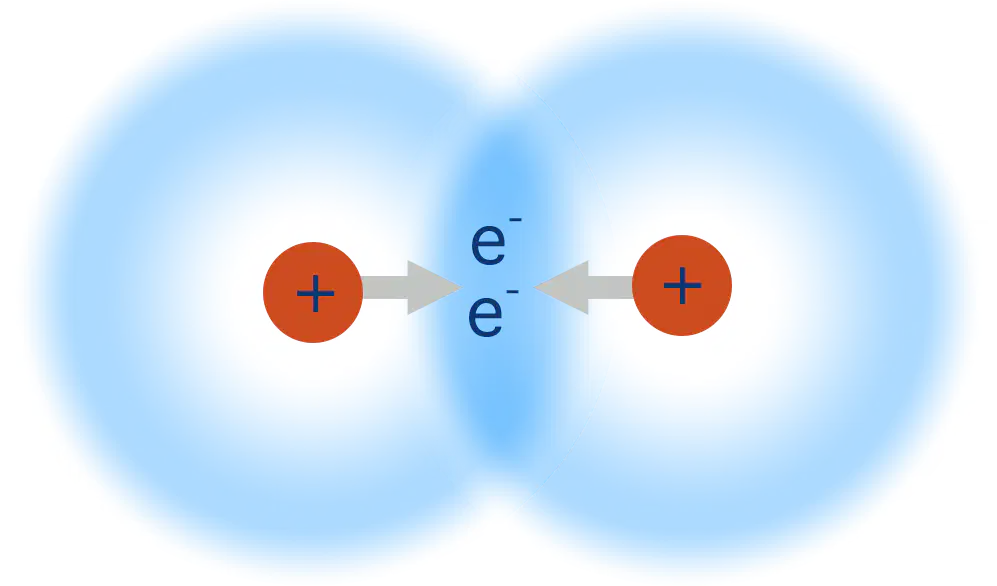
In covalent bonds, electrons are ___________.
a)
transferred
b)
gained
c)
lost
d)
shared
7.
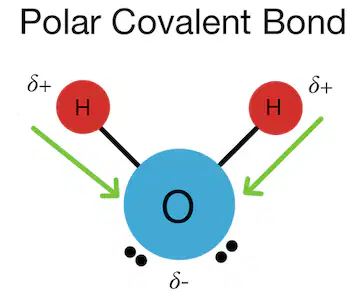
In a polar covalent bond, electrons are shared ___________.
a)
equally
b)
unequally
c)
between non-metals with similar electronegativities
d)
between a metal and a non-metal
8.

In this Lewis structure, the symbol above F means...
a)
electrons are being transferred to Fluorine
b)
electrons are less attracted to F than H
c)
electrons are more attracted to F than H
d)
Fluorine has formed a cation
9.

This is an example of a __________ bond.
a)
non-polar covalent
b)
polar covalent
c)
ionic
d)
metallic
10.
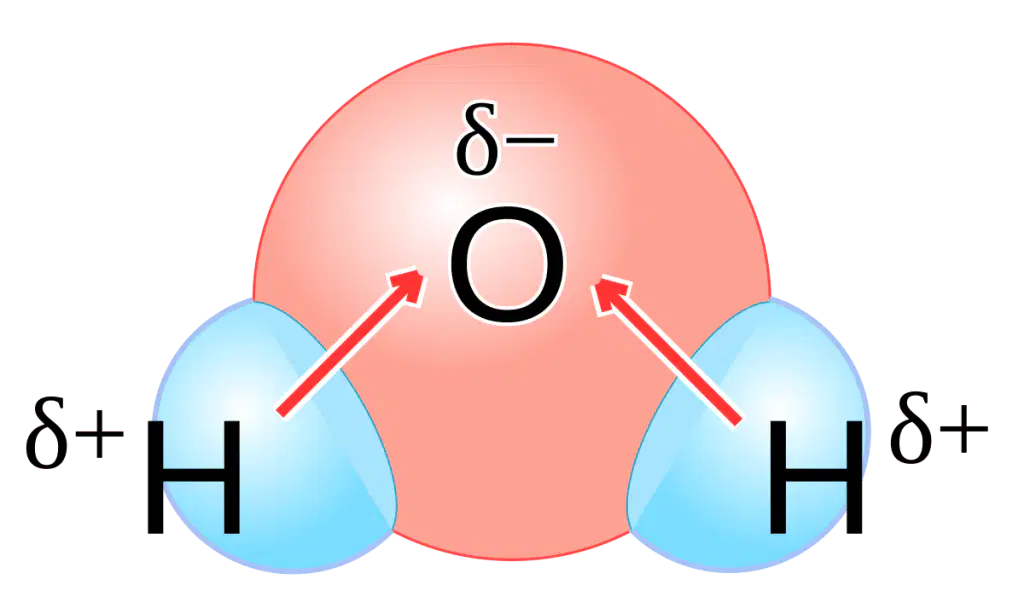
A bond with a partially negative end and a partially positive end is:
a)
ionic
b)
polar covalent
(has dipoles)
c)
non-polar covalent
(no dipoles)
d)
Metallic
11.
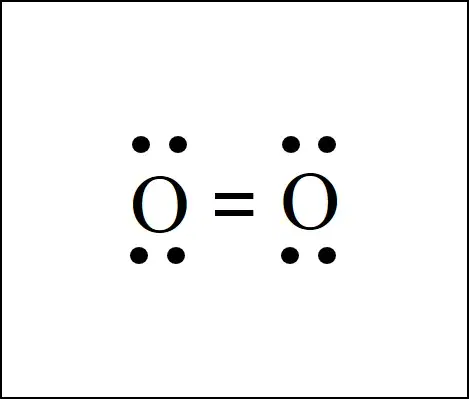
A diatomic molecule like O2 is always_______ because electrons are shared ________.
a)
nonpolar; equally
b)
polar; equally
c)
nonpolar; unequally
d)
nonpolar; unequally
12.
Which formula represents a polar molecule?
a)
H2
b)
H2O
c)
CO2
d)
CCl4
13.

What geometry will this molecular structure have?: PH3
a)
bent
b)
tetrahedral
c)
linear
d)
trigonal pyramidal
14.

What geometry will this molecular structure have?: H2S
a)
bent
b)
tetrahedral
c)
linear
d)
trigonal pyramidal
15.

What geometry will this molecular structure have?: CCl4
a)
bent
b)
tetrahedral
c)
linear
d)
trigonal pyramidal
16.
What is the VSEPR theory used to predict?
a)
Bond Strength
b)
Polarity
c)
Molecular Shape
d)
Electronegativity
17.
According to VSEPR, molecules adjust their shapes to keep which of the following as far away as possible?
a)
Pairs of valence electrons
b)
Inner shell electrons
c)
Mobile Electrons
d)
Electrons closest to the nucleus
18.
What is the measure of a tetrahedral bond angle?
a)
90 Degrees
b)
109.5 Degrees
c)
120 Degrees
d)
180 Degrees
19.
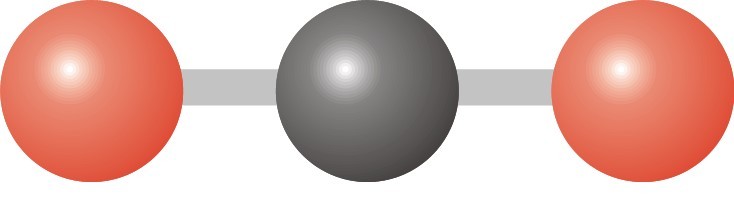
Which molecule would have this shape?
a)
BF3
b)
CH4
c)
PCl5
d)
CO2
20.
Which of the following molecular shapes would have a bond angle of 180 Degrees?
a)
Bent
b)
Trigonal Planar
c)
Tetrahedral
d)
Linear
21.
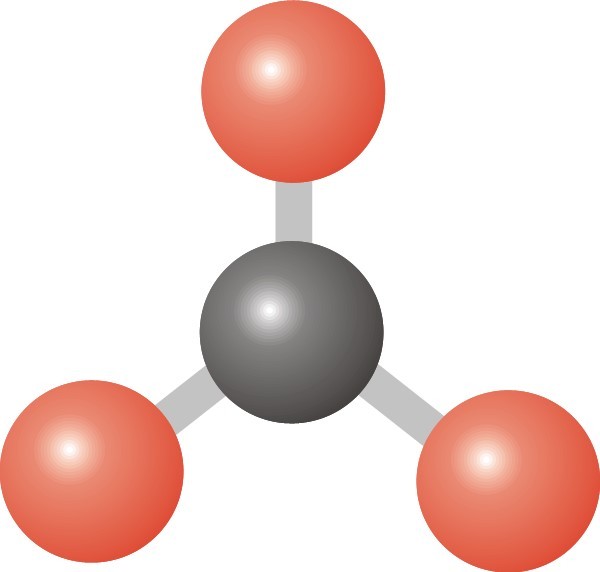
What molecule could this be?
a)
BF3
b)
CH4
c)
H2O
d)
CO2
22.
Which shapes are created by lone pairs of electrons?
a)
Bent and Pyramidal
b)
Trigonal Planar and Bent
c)
Tetrahedral and Octahedral
d)
Pyramidal and Linear
23.
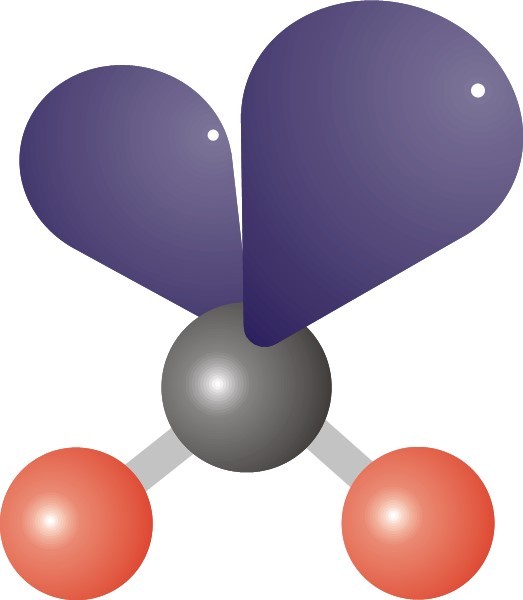
Who could this be?
a)
CO2
b)
NH3
c)
H2S
d)
CH4
24.
A lone pair is defined as
a)
A pair of bonding electrons
b)
One non-bonding electron
c)
A pair of non-bonding electrons
d)
A line
25.
When building a Lewis Structure for a covalent molecule, which statement is true below:
a)
Hydrogen and Halogens are always the center molecule
b)
The least electronegative atom is the center atom
c)
Hydrogen and Halogens are NEVER the center molecule
d)
Covalent molecules to not create molecular shapes.
100 %

