
NEW
Font size
 Worksheets
Copyright Quiz
Total questions: 25
Worksheet time: 50mins

Letting a friend make a copy of Arianna Grande's album.
Copyright Infringement
Not Copyright Infringement

Tanya created a collage out of pictures from magazines. The pieces are torn into very small pieces and the original images are no longer visible.
Copyright Infringement
Not Copyright Infringement
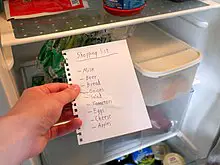
Sam creates a shopping list of everything he needs to make his Grandma's famous chicken.
Copyright Infringement
Not Copyright Infringement

Jake bought a video game. He uploaded it to a computer belonging to his friend, Josh, because Josh didn't want to buy the game himself.
Copyright Infringement
Not Copyright Infringement

A teacher creates a class calendar with all the upcoming tests and homework on it.
Copyright Infringement
No Copyright Infringement
Luigi records a movie from a streaming service on his phone & posts it on YouTube for others to watch.
Copyright Infringement
Not Copyright Infringement
Copyright Infringement is a crime.
True
False

Copyright status is only granted to well-known authors, singers, artists, and filmmakers.
True. Only famous authors, singers, artists, and filmmakers have copyright protection for their creative works.
False. Copyright is granted to anyone who creates an original creative work in a fixed, tangible form.
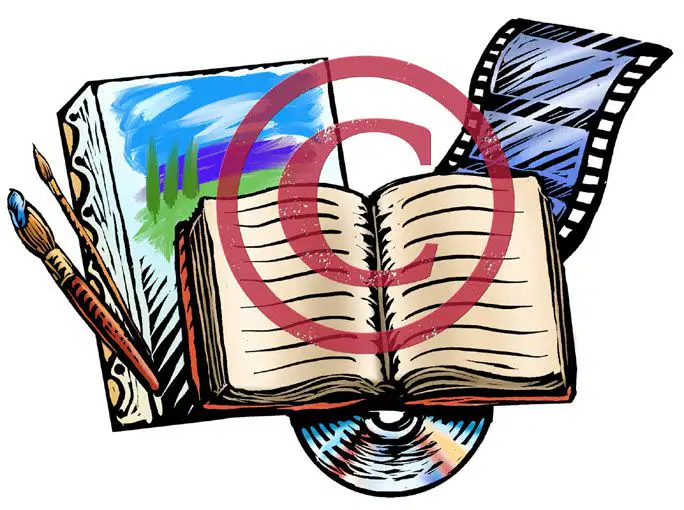
What is the purpose of Copyright?
To publish someone's original creative works.
To protect someone's original creative works.
Jason copies the entire last chapter from a new Harry Potter book to his blog without any additional commentary. Jason would be protected by Fair Use in this case.
False. Given the amount and significance of the portion Jason has taken, and the likely harm to the market for the new Harry Potter book, a court would be unlikely to view what he did as Fair Use.
True. Since Jason's not making money from his blog, and since he didn't post the entire book, it's totally OK for him to post a chapter from the book.

Kathy downloaded a few photos of local organic farms from Flickr's Creative Commons (CC) pool. She follows the rules of the photographer's specific CC license and uses them in her digital video about sustainable agriculture. That's OK.
True. Kathy can legally use the photos as long as she follows the rules of the Creative Commons license.
False. Kathy used photos that don't belong to her, so she has violated the creator's copyright.

Leo read an interesting article about the making of the film Titanic and wants to use a short quote in his cinema review paper for journalism class. What is this an example of?
Public Domain
Fair Use
It allows a person to use a limited amount of a copyrighted work without permission.
It allows a person to use a copyrighted work with permission.
The fair use of tools.
Making money off of someone else's painting.

There are 4 factors of Fair Use regarding Photographs. Which of the choices below shows the correct 4 factors?
1-Subject
2-Lighting
3-Point of View
-Composition
1-Purpose & Character of Use
2-Nature of the Copyrighted Work
3-Amount of the Photograph Used
4-Effect the use has on the market
1-How old the photograph is
2-The size of the photo
3-Whether the photo is color or black and white
4-Who took the photo

The Public Domain is a website used to find public research.
False. Public Domain refers to creative works that are free for anyone to use without permission.
True. Just visit the website and start doing your research.
Since Carlos forgot to register his screenplay before he sent it out to agents for review, he is no longer eligible to copyright it.
False. Copyright protection is automatic once your original work is fixed in a tangible form.
True. When you snooze you lose, bruh.
Who owns the Copyright of a Photograph?
The President.
The person who created it.
The person who copied it.
Those little green men on Mars.
Which one of these symbols is the Copyright symbol?


Which one of these symbols is the Creative Commons symbol?


How long does Copyright protection last for works created after January 1, 1978?
The creator's lifetime.
70 years after the death of the creator.
It doesn't last.
1 year.
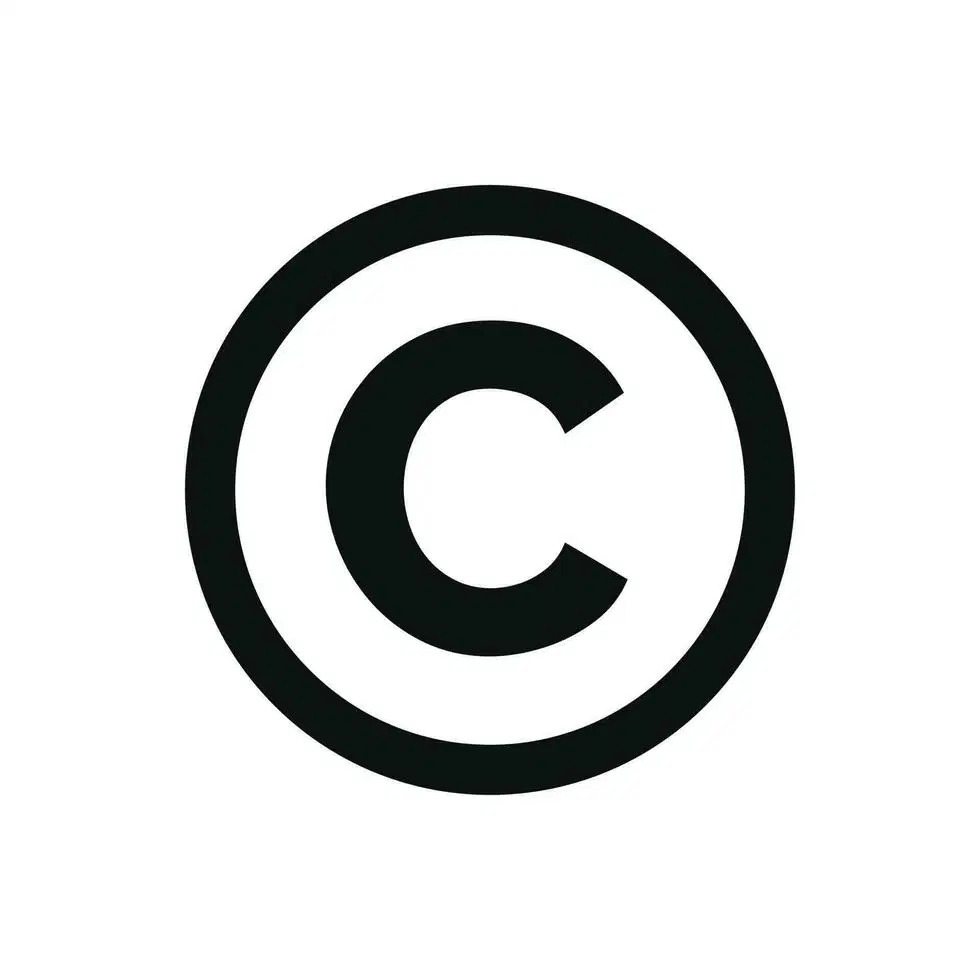
A creative work must have a copyright symbol (©) to be copyright protected
True
False
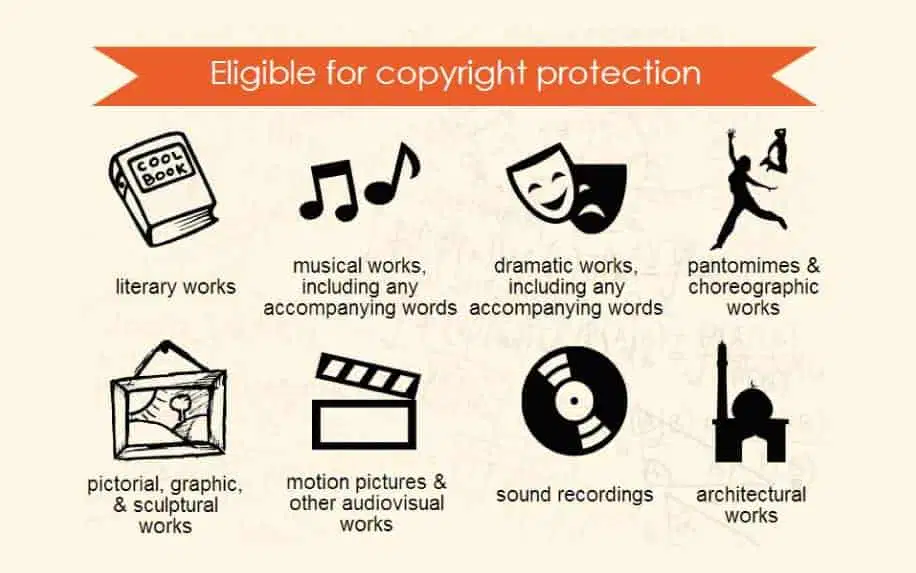
When is an original creative work copyright protected?
When you register it with the U.S. Copyright Office.
As soon as it's fixed in a tangible form.
Never
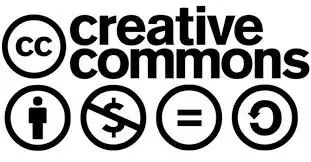
Creative Commons licensing helps creators retain copyright while also...
releasing their work into the Public Domain.
allowing others to make parodies of their work.
preventing others from copying their work.
allowing others to copy, distribute, and make some uses of their work.
You don't need permission to use creative works that are in the Public Domain?
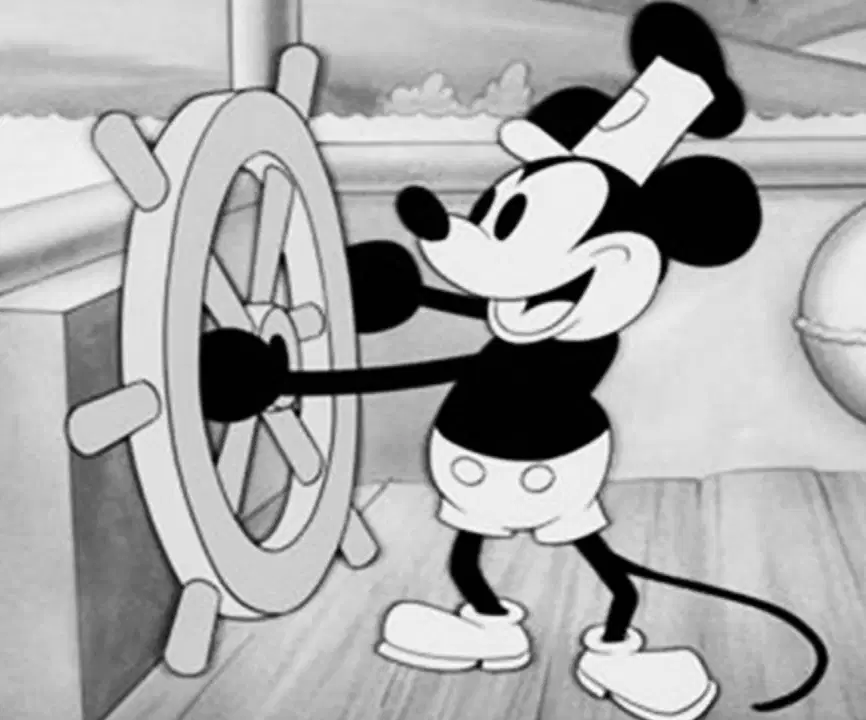
This Mickey Mouse, created by Walt Disney in 1928, is still protected by Copyright.
True
False

