
Font size
 Worksheets
Ch. 1 Science Skills Review
Total questions: 58
Worksheet time: 53mins
What are the 6 steps of the scientific method?
Observation, Hypothesis, Experiment, Analysis, Conclusion, Communication
Observation, Experiment, Hypothesis, Conclusion, Analysis, Communication
Hypothesis, Observation, Experiment, Conclusion, Analysis, Communication
Experiment, Observation, Hypothesis, Analysis, Conclusion, Communication
What is one advantage of the metric system?
It is based on multiples of ten
It uses different units for each country
It is more complex than other systems
It is only used in scientific research
How can you convert between different metric units?
Using a metric prefix chart
Using a calculator
Using a conversion app
Using a dictionary
What is important for making accurate measurements?
Using the correct level of precision
Using the largest possible units
Estimating the values
Rounding to the nearest whole number
What is a key aspect of making scientific observations?
Accuracy
Speed
Creativity
Guesswork
How can you distinguish between scientific and nonscientific questions?
Scientific questions can be tested and measured
Scientific questions are based on opinions
Nonscientific questions are always true
Nonscientific questions are based on experiments
What is involved in evaluating the strength of claims and evidence?
Using scientific thinking
Using personal beliefs
Using historical data
Using random guesses
What skills are needed to create and analyze graphs of scientific data?
Understanding data trends
Drawing skills
Artistic creativity
Memorization
What can you state about important scientists throughout history?
Their contributions
Their favorite foods
Their hobbies
Their family history
Scientific analysis means . . .
Looking at and interpreting the data
Sharing your results with other scientists
Using a model
Repeating an experiment
Which of these metric prefixes results in the largest unit size?
kilo-
deka-
centi-
milli-
Which of these is NOT a metric base unit?
seconds
liters
centigrams
grams
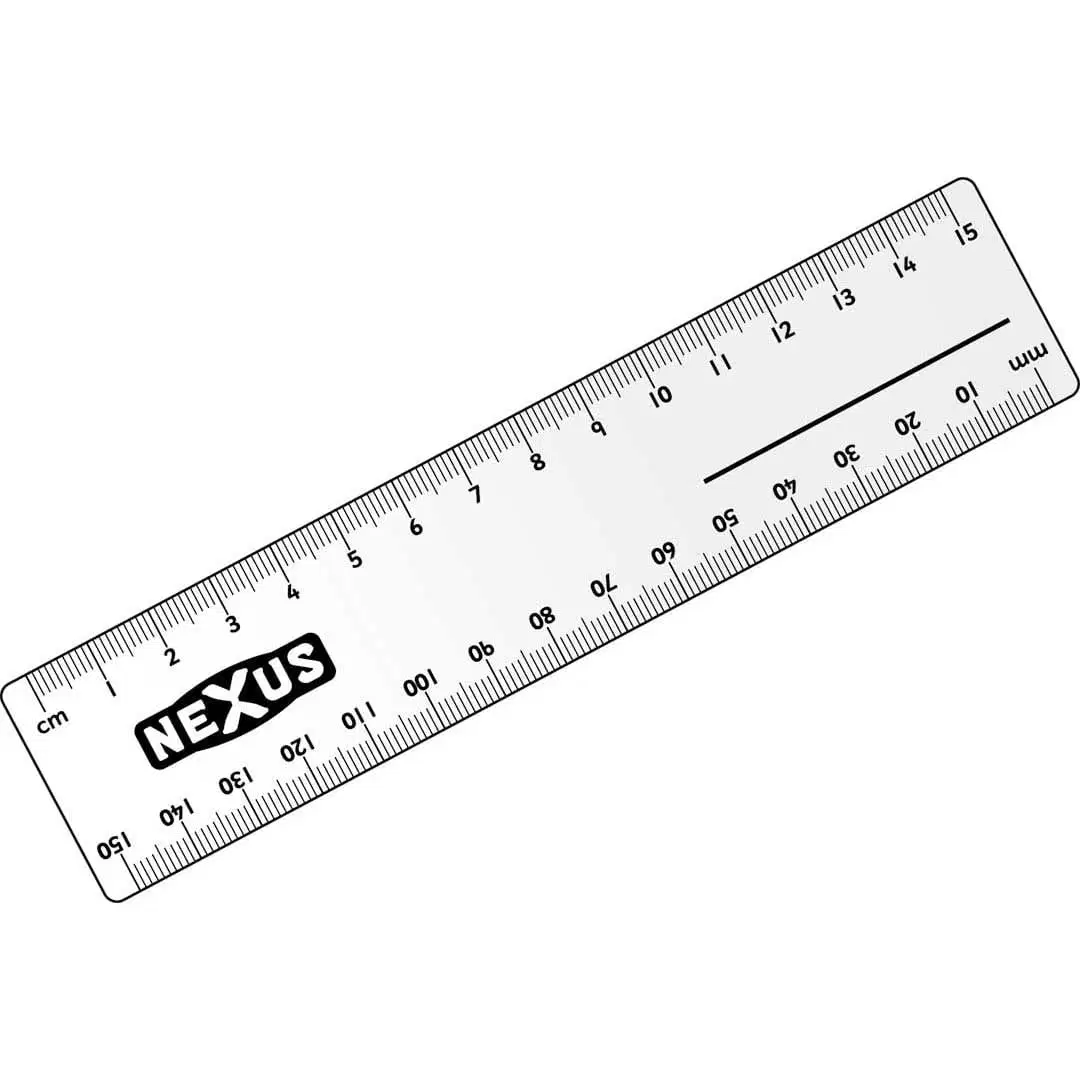
This ruler has a high amount of detail, meaning that its measurements will . . .
always be accurate
always be precise
have multiple decimals
be in imperial units

Which of these observations is most scientifically accurate?
These two zebras are happy.
There is one mother and one baby.
There is one adult and one juvenile zebra.
These zebras are walking as if they are scared of predators.

Which question can be scientifically tested?
Are coyotes a friendly species?
Does the diet of coyotes change by the season?
Are coyotes a good animal?

The scientist tested his _______ by performing repeated _______.
hypothesis - experiments
hypothesis- data
facts - experiments
facts - observations

Lynx (a predator) has the ability to wipe out snowshoe hares (its prey). Is this claim supported by the evidence?
Yes
No
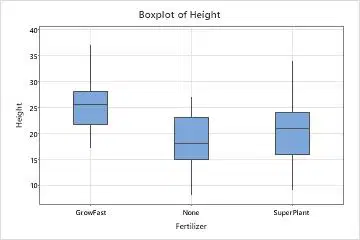
Based on this box plot, the single tallest plant that grew in this experiment was . . .
34 cm
15 cm
26 cm
37 cm
Which of these two scientists came first in history?
Albert Einstein
William Mayo
Isaac Newton
Bill Gates
This is an example of a _______ observation:
The dog has brown hair.
qualitative
quantitative
This is an example of a _______ observation:
The dog has 10 toes.
qualitative
quantitative
The variable that is being measured or observed is called the _______________. Hint: this is the variable that is the result or effect
independent variable
dependent variable
control variable
What is the difference between quantitative and qualitative data?
quantitative is a number, qualitative is a description
quantitative is a number, quantitative is a description
these two words mean the same thing
quantitative and qualitative are both types of data
The metric system unit for volume is
(select all correct answers)
m
kg
L
mL

13 cm is equal to
0.13 m
1300 mm
0.013 km

460 g is equal to
0.46 kg
46 mg
46000 mg

A hippo's mass would be measured in which units?
kilometers
milligrams
kilograms
triple beam balance

(Hint: It starts at zero)
5.11 cm
5.09 cm

Which two of these can be observations about a gorilla?
(select all that apply)
The gorilla wants a bigger banana.
The gorilla has 5 fingers on his right hand.
The gorilla is hungry.
The gorilla has dark brown hair.

What observation could be made about the picture.
The child is feeling cold.
The child will play outside.
The child is dressed with many clothes
The child will stay warm while he is outside.

Will talking to a plant make it grow taller?
Scientific Question
Non-scientific Question

Does strawberry jelly taste better than grape jelly on toast?
Scientific Question
NON-Scientific Question

Control Group
The group in an experiment where the independent variable is applied
The group in an experiment where the independent variable is not applied
The process of repeating an experiment
The variable that is measured in an experiment
Evidence is ___________________
a statement or conclusion that answers a question
information that supports or proves a claim
a justification that connects the claim to the evidence
Not vital when using an argument
Peanut butter is a healthy snack.
Claim
Evidence
Is the following sentence a CLAIM or EVIDENCE?
Only 55% of eligible Americans voted in the 2012 presidential election.
Claim
Evidence
Is the following sentence STRONG or WEAK evidence?
Claim: Celebrities have a strong influence on social media.
Evidence: Raisa Bruner of Time noted that, in 2016, Katy Perry had a follower count of over 14 million.
Strong
Weak
Is the following sentence STRONG or WEAK evidence?
Claim: All students should play a sport.
Evidence: Sports helped me gain confidence when I was a kid.
Strong
Weak
In a line graph, what does the x-axis represent?
The x-axis represents the slope of the line.
The x-axis represents the independent variable.
The x-axis represents the y-intercept.
The x-axis represents the dependent variable.
In a bar graph, what does the y-axis represent?
The title of the graph
The x-axis
The dependent variable
The independent variable
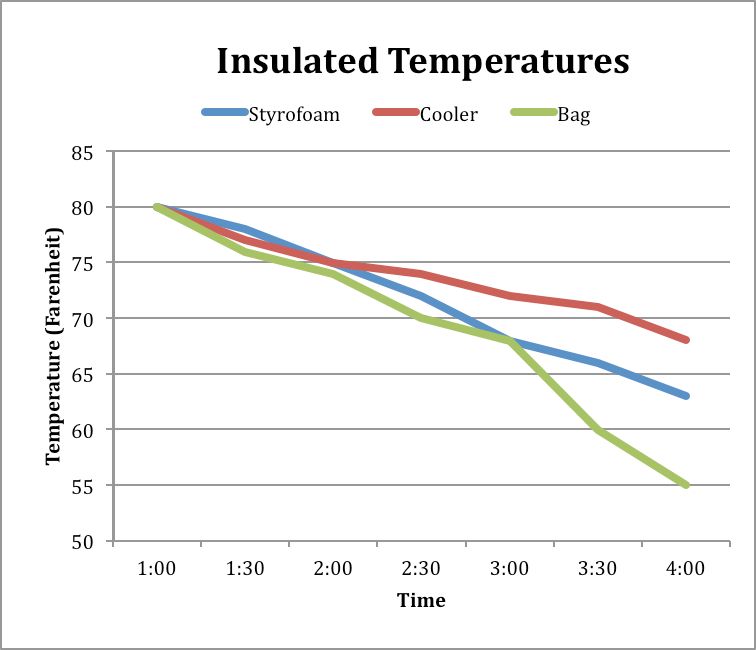
What data does this graph represent?
Change in temperature of a liquid over time in 3 different containers
How temperature can change the molecules in a material
The phase changes of a material
What type of container people use the most to store hot liquids.

Which type of container keeps liquid the hottest for the longest time?
Bag
Cooler
Cooler and bag are tied
Styrofoam
What did Dmitri Mendeleev accomplish
He created versions of the periodic table
He created ways to plant food
He made different things to draw with
He created books
What did Florence Nightingale accomplish
She found out how the water cycle worked
She found out how to make color pencils
She found out how DNA worked
She was the founder of modern nursing
Charles Darwin was a
Singer
Biologist
Psychologist
Chemist
What was Jane Goodall's career
Was a web developer
Observing chimpanzees
Geologist
Engineer
jeff bezos
went to the moon
amazon rainforest
amazing
amazon

Which famous scientist put forward the theory of natural selection in his famous book, 'On the Origin of Species'
Gregor Mendel
Dr Bradburn
Charles Darwin
Richard Dawkins

Which scientist invented the first telescope to study the surface of the moon and later went on to discover the moons of Jupiter
Galileo
Charles Darwin
Dr Hughes
Leonardo Da Vinci

Who invented the Light Bulb?
Thomas Edison
Eli Whitney
Benjamin Franklin
Francis Beaufort

Which Polish scientist conducted pioneering research on radioactivity, and won Nobel Prizes in two different sciences?
Marie Curie
Otto Hahn
Lise Meitner
Rosalind Franklin

Which English theoretical physicist authored The Theory of Everything, and A Brief History of Time?
Stephen Hawking
Neil deGrasse Tyson
Albert Einstein
Ernest Rutherford
What does the memory clue "DRY MIX" refer to?
Placement of the correct variables on x and y-axis
Scientific method steps
Correct way to make observations
Scientific revolution

