
 Worksheets
Grade 6 RR Life Science Test Quizizz
Total questions: 20
Worksheet time: 10mins

CHOOSE 2. In the picture, what are the baby squirrels interacting with?
What evidence do you have of the interaction that the squirrels are experiencing?
Why do the baby squirrels need to have this interaction?
The babies need the nest for cover from weather and predators.

Using the graph below, explain what happened to the red squirrel population between 1970 and 2000.
The population went up
The population went down
What might a scienctist ask to find out why the squirrel population changed?
Which of these items ARE food?

Which claim is correct?
chocolate milk is not food.
chocolate milk is food.

Which piece of evidence proves the claim is true?
chocolate milk contains fat.
chocolate milkcontains protein.
chocolate milk contains sugar.

Our scientific principle tells us that all food has protein, fat, or carbohydrates (sugar or starch).Which reason explains why the evidence supports the claim?
Since chocolate milk has fat, it must be food.
Since chocolate milk has protein, it must be food.
Since chocolate milk has sugar, it must be food.
Since chocolate milk doesn't have any of these, it must not be food.
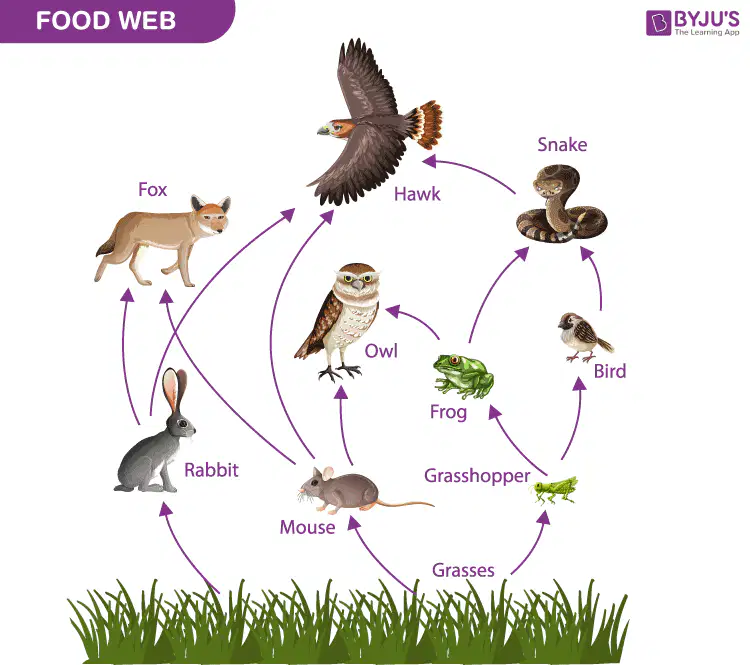
What is likely to happen to the population of grasshopper right after the frog population decreases?
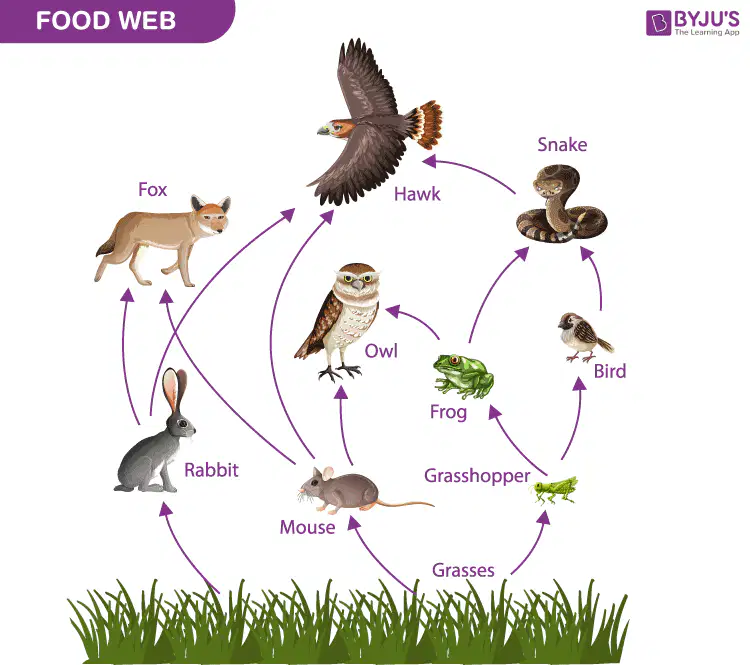
Explain why the grasshopper population may change if the frog population decreases.

An invasive species enters the forest and destroys many of the green plants. Which populations will be affected?
The mouse, grasshopper, and rabbit populations.
Fox, snake, bird populations.

Based on the structure of the bird’s claw and beak, what is this bird likely to eat?
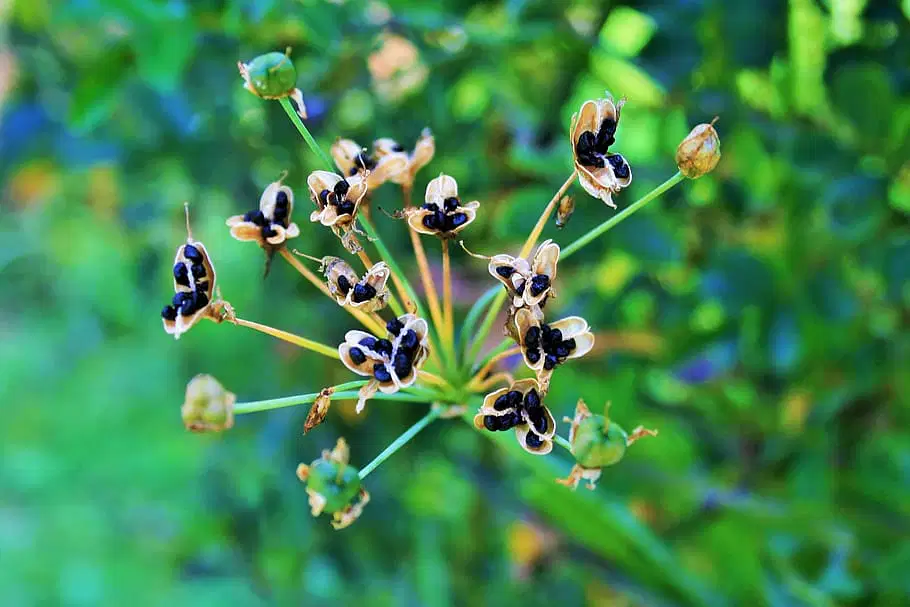
Small seeds

Small animals, snakes and fish
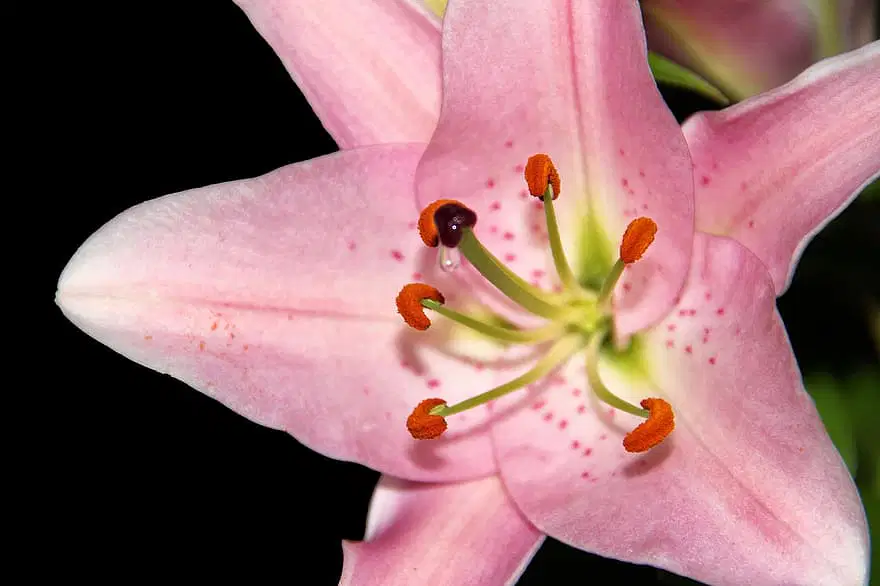
Nectar (the liquid) inside flowers
Explain how the structure of the bird’s claw and beak helped you choose your answer.
The small claws and long beak allow the bird to get nectar
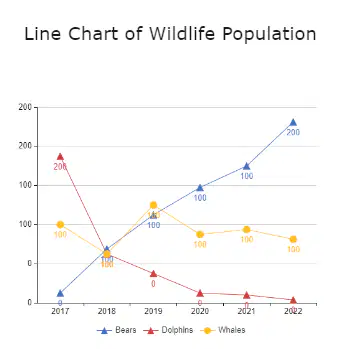
CHOOSE 3 Which 3 statements can we make about the graph above?
The ecosystem is unstable.
The bear population increased over time.
The dolphins population decreased.
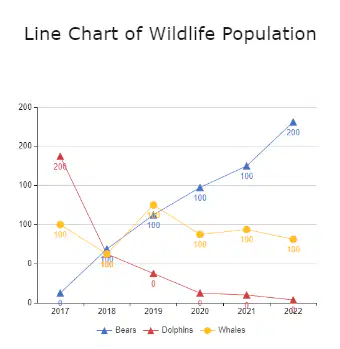
What caused the bear population to change between 2020 and 2021?
The bear population had been increasing before 2020
The bear population had been decreasing before 2020

Which patterns did you see in the model above? Choose 2
What BIOTIC factors could cause the population to rise? Choose 2
Abiotic factors are ___________.
non-living parts of an ecosystem
living parts of an ecosystem
things that once were alive, but now are dead
not important parts of ecosystems.
Which of the following is an abiotic factor?
fish
light
toad
fungi

