
Font size
 Worksheets
Unit 6 Organic chemistry hydrocarbons Quiz practice
Total questions: 55
Worksheet time: 2hrs 31mins

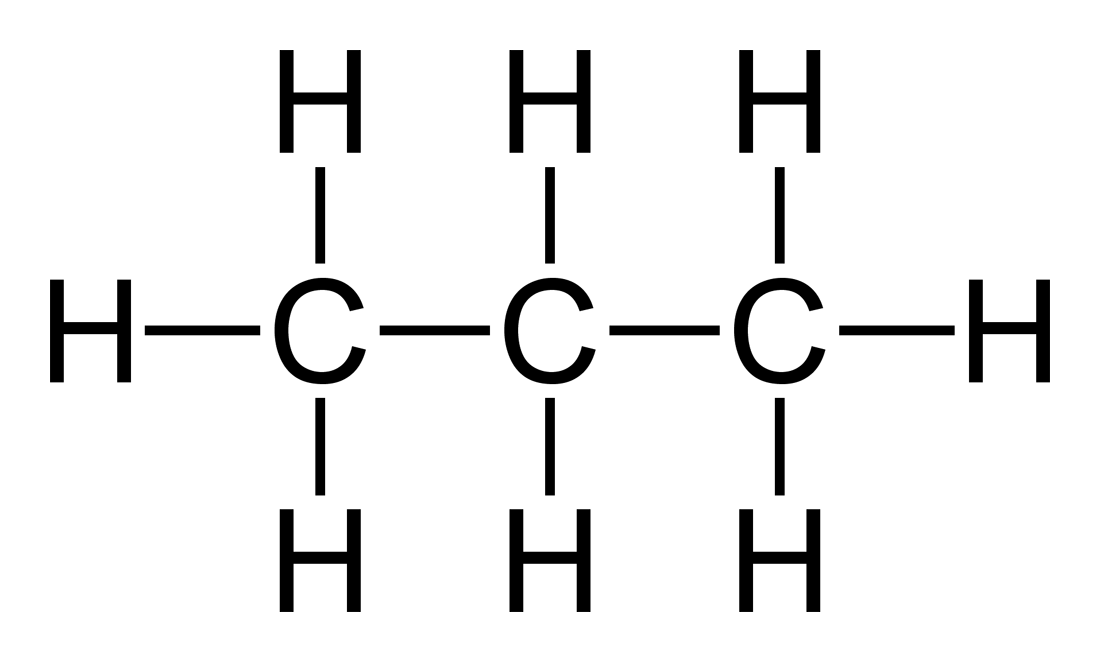
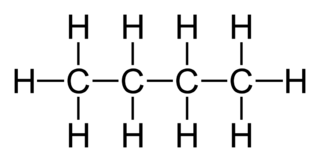

Name this member of alkene
Butyne
Ethane
Propane
Propene
Which one of the following is saturated hydrocarbon?
Alkyne
Alkene
Alkane
What type of hydrocarbon is characterized by the presence of a double bond?
Alkane
Alkene
Alkyne
Aromatic
How many Hydrogen atoms are needed in an alkane that has 4 carbon atoms?
4
6
8
10
How many Hydrogen atoms are needed in an alkyne that has 2 carbon atoms?
2
4
6
8

Which two of the following molecules are hydrocarbons?
carbon dioxide
methane
ethanol
butene
Which formulas represent compounds that are isomers of each other?


This prefix means 7
but
hept
hex
non
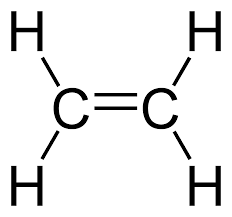
What is the name of this compound?
ethane
ethene
ethyne
propyne

What chemical is this? (C5H10)
Pentene
Pentane
Hexane
Heptene
is the alkene with 3 carbons in its chain.
Ethene
Propene
Methene
Decene
Is the simplest alkane
Ethane
Methane
Propane
Decane


How many carbon atoms are in a molecule of hexene?
3
4
5
6

What is the name of this structure?
hexane
heptane
nonane
octane

Name this alkane
Heptane
Pentane
Hexane
Octane
What chemical is this? (C5H10)
Pentene
Pentane
Hexane
Heptene
How many valence electrons does a carbon atom have?
1
3
4
6
Large molecules made up of small monomers are called
polymers
peptides
peptones
monomers
Which polymers occur naturally?
Starch and Nylon
Starch and Cellulose
Proteins and Nylon
Proteins and PVC
True or false: Synthetic polymers occur in nature, and do not need to be produced by humans
True
False

How many chemical bonds can each carbon atom form?
one
two
three
four

Compounds that contain only the elements carbon and hydrogen are called
carbon chains
hydrocarbons
isomers
substituted hydrocarbons
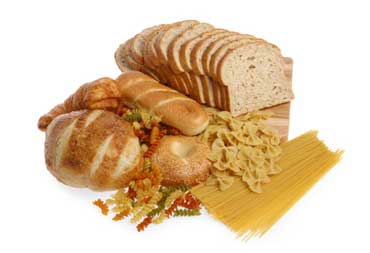

DNA stands for
Dioxyribo Nucleic Acid
Dunder Nucleic Acid
Dopamine Nucleic Acid
Deciduous Nucleic Acid
The following macromolecule is a nucleic acid.


What element makes up the structure or backbone of glucose?
Carbon
Hydrogen
Oxygen
Nitrogen
Lipids store ________ energy than carbohydrates
More
Less

Any of a class of organic compounds that are fatty acids or their derivatives and are insoluble in water but soluble in organic solvents.
lipids
Carbohydrates
protein
nucleic acid

Biomolecules consist of carbon, hydrogen, and oxygen atoms. Usually with a chemical formula ratio of 1:2:1
(C6H12O6)
lipids
Carbohydrates
protein
nucleic acid

Composed of very large molecules, called macromolecules, which are multiples of simpler chemical units.
monomers
Hydrolysis
dehydration synthesis
polymers

Building blocks
The simplest form of a macromolecule.
monomers
Hydrolysis
dehydration synthesis
polymers

Large, complex molecules
that are made up of thousands of smaller molecules.
monomers
macromolecules
atom
cell

The building block of the macromolecule protein.
glycerol & fatty acids
nucleotide
amino acid
monosaccharide

The building block of the macromolecule nucleic acid.
glycerol & fatty acids
nucleotide
amino acid
monosaccharide

Chains of amino acids that are connected by peptide bonds and folded into a 3-dimensional structure.
lipids
Carbohydrates
protein
nucleic acid

