
 Worksheets
unit 103 powerpoint 1
Total questions: 31
Worksheet time: 16mins
What is the main focus of Unit 103 in the Level 1 Diploma in Plumbing Studies?
Environmental and sustainability measures in domestic dwellings
Advanced plumbing techniques
Commercial plumbing systems
Plumbing safety regulations
What is Learning Outcome 1 for Unit 103?
Understand plumbing safety regulations
Know the methods of conserving and reducing wastage of water and electricity within domestic dwellings
Learn advanced plumbing techniques
Identify commercial plumbing systems
What are two essential resources mentioned for both domestic and commercial situations?
Water and gas
Water and electricity
Electricity and oil
Gas and oil
Which of the following is NOT a use of water mentioned in the text?
Drinking
Cooking
Lighting
Washing
What is electricity primarily used for according to the text?
Heating homes
Lighting homes
Cooking food
Washing clothes
Why is it important to conserve water and electricity?
They are unlimited resources.
They are finite resources.
They are inexpensive.
They are renewable resources.
What is one reason given for the need to conserve water in domestic dwellings?
Water is becoming more abundant.
Utility costs are rising.
Water is free for everyone.
Electricity is more important.
What was the percentage increase in prices paid for all fuel and light in real terms between Q3 2011 and Q3 2012?
1.7%
3.6%
6.4%
2.8%
By how much did domestic electricity prices, including VAT, rise in real terms between Q3 2011 and Q3 2012?
3.6%
6.4%
1.7%
2.8%
What was the percentage change in petrol and oil prices, including VAT, in real terms over the period from Q3 2011 to Q3 2012?
Rose by 3.6%
Fell by 2.8%
Rose by 6.4%
Rose by 1.7%
What was the percentage increase in domestic gas prices, including VAT, in real terms between Q3 2011 and Q3 2012?
1.7%
3.6%
6.4%
2.8%
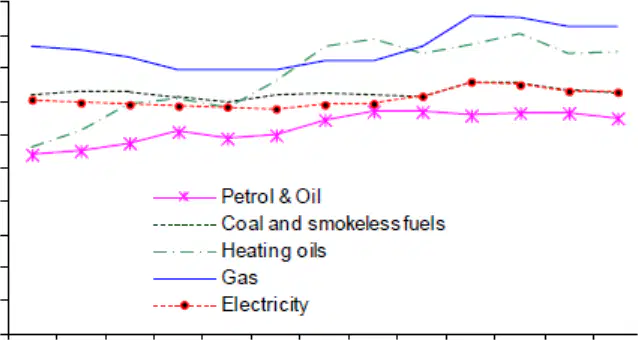
Chart showing fuel price indices in the domestic sector in real terms from Q3 2009 to Q3 2012
Chart showing fuel price indices in the domestic sector in real terms from Q3 2009 to Q3 2012
Chart showing fuel price indices in the international sector in real terms from Q3 2009 to Q3 2012
Chart showing fuel price indices in the domestic sector in nominal terms from Q3 2009 to Q3 2012
Chart showing fuel price indices in the domestic sector in real terms from Q1 2009 to Q3 2012
What is an important responsibility for both plumbers and electricians within a domestic dwelling?
Installing entertainment systems
Offering and installing conservation devices
Painting and decorating
Cleaning and maintenance
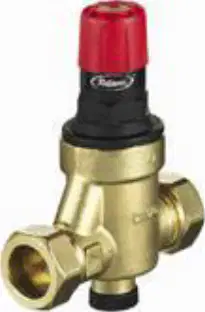
What is the primary function of a flow reducing valve in a plumbing system?
To increase water pressure
To accurately control the flow of water
To heat the water
To filter impurities from the water
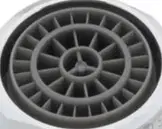
What is the purpose of spray taps in plumbing?
To increase water flow
To restrict water flow
To change water temperature
To filter water impurities
What is a common water flow restriction for spray taps?
10 liters per minute
8 liters per minute
6 liters per minute
4 liters per minute
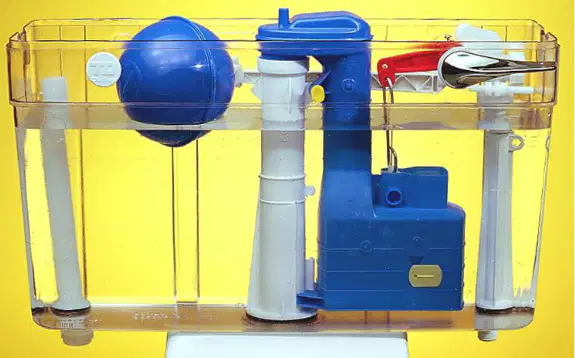
What is the maximum volume for a low volume WC flush as recommended in The Water Regulations?
9 liters
8 liters
6 liters
5 liters
What is the part flush volume for a low volume WC flush?
2 liters
3 liters
4 liters
5 liters
How much has the volume been reduced from the original recommendation for a low volume WC flush?
From 3 gallons to 2 gallons
From 2 gallons to 1 gallon
From 2 gallons to 1.5 gallons
From 2 gallons to 1.3 gallons
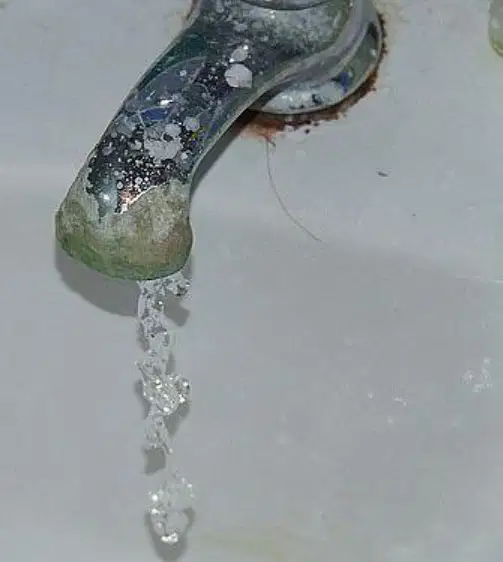
What is the purpose of regular maintenance in plumbing?
To increase water pressure
To prevent water waste from taps not shutting off properly
To change the color of the water
To make taps look shiny
What is a common issue that regular maintenance can prevent in plumbing?
Leaking roofs
Dripping taps due to defective washers or seatings
Broken windows
Clogged gutters
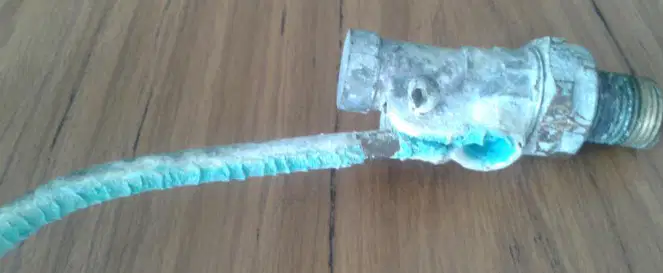
What is the purpose of regular maintenance for float operated valves?
To increase water pressure
To prevent water wastage
To enhance water taste
To reduce water temperature
What happens if float operated valves do not shut off at the correct water level?
Water will be purified
Water will be heated
Water will be discharged from the overflow and wasted
Water will be recycled
What is one way to reduce water wastage according to the learning material?
Use a bath instead of a shower
Fill a kettle completely when boiling
Use a shower instead of a bath
Leave the tap running while brushing teeth
How can promoting user awareness help in reducing water wastage?
By increasing water consumption
By ignoring maintenance requirements
By informing customers on correct usage and maintenance
By using more water-intensive appliances
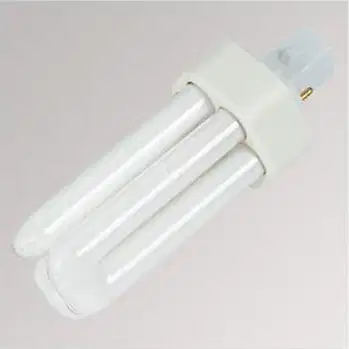
What percentage of power does one of the energy-efficient bulbs use compared to a conventional light bulb?
30%
50%
70%
90%

How much power does the other energy-efficient bulb save compared to a conventional light bulb?
10%
20%
30%
40%
What percentage of electricity can appliances on standby use according to the Energy Savings Trust?
1-3%
5-10%
15-20%
25-30%
How much can leaving an appliance on standby cost a customer per year?
£20
£40
£80
£100
What should people be aware of when buying equipment, similar to buying an economical car?
The color of the equipment
The size of the equipment
The efficiency of the equipment
The brand of the equipment

What does the efficiency indicator on products show?
The price of the product
The European Energy Label
The warranty period
The manufacturing date

