
 Worksheets
A review for myself (not good for general practice)
Total questions: 28
Worksheet time: 28mins
What's the equation for Surface Area
(a)
What's the equation for Volume
(a)
Cell Theory 1
(a)
Cell Theory 2
(a)
Cell Theory 3
(a)
Microscopes that show the surface are...
(a)
What is the plasma membrane made of
(a)
Structure Determines Function
(a)
Why is compartilization important in Eukaryotic cells?
(a)
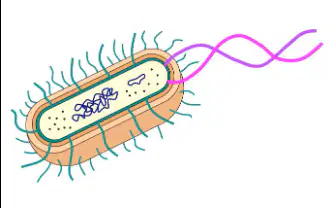
Draw and label a Bacteria cell
The (blank) helps with energy processing
(a)
(blank) helps with creating and processing glucose
(a)
The (blank) distributes, transforms and packages lysosomes to go out of the cell
(a)
What do central Vacuoles do?
Store water
Distribute glucose
Distributes Water
Wrings out water
Vacuoles
Disposes of water
Distributes proteins
Stores water
Disposes of waste
What does Rough ER do?
Makes PM
Makes Lipids
Makes secretory protein
Stores Calcium Ions
What does Smooth ER do?
Makes lipids
Detoxifies
Makes a secretory protein
Stores Calcium Ions
Contains the cell's genetic material; controls cell functions
(a)
Responsible for making ribosomal subunits from proteins and rRNA
(a)
All the chemical reactions that take place in a cell.
(a)
Protein factories of the cell
(a)
Name the first domain
(a)
Name the second domain
(a)
What is the Final domain/
(a)
True or False : both Archaea and Bacteria are Ekaryotic
True
False
What are the 4 kingdoms of Eucharia?
Protists
Fungi
Plant
Animal
What characteristics are unique to animal cells?
Lysosmes
stroma
several small vacuoles
centrosomes
What are characteristics unique only to plant cells
Cells wall
Plasmodesmata
Cloroplasts
several small vacuoles

