
 Worksheets
Small Engines 1 Final Study Guide
Total questions: 109
Worksheet time: 55mins
Name
Class
Date
1.
What order do the four strokes happen?
a)
Intake, Exhaust, Power, Compression
b)
Intake, Compression, Exhaust, Power
c)
Compression Intake, Power, Exhaust
d)
Intake, Compression, Power, Exhaust
2.
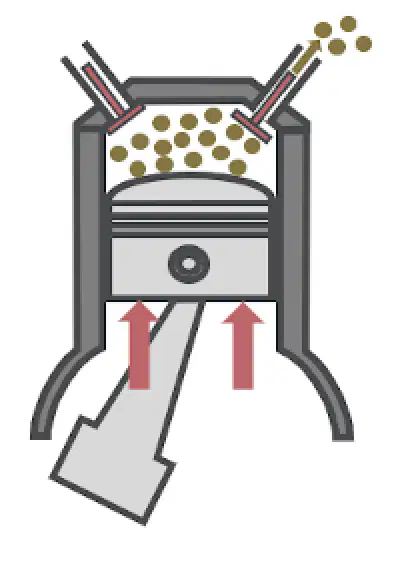
Which stroke is the following engine on?
a)
Intake
b)
Compression
c)
Power
d)
Exhaust
3.
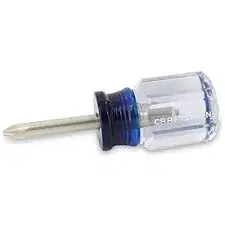
What tool is this?
a)
Phillips Screwdriver
b)
Slotted Screwdriver
c)
Nut Driver
d)
6 in 1 Screwdriver
4.
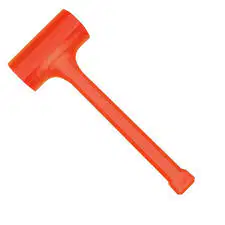
What tool is this?
a)
Claw Hammer
b)
Rubber Mallet
c)
Dead Blow Hammer
d)
Sledge Hammer
5.
The purpose of a carburetor is to _____________
a)
Supply the engine with air
b)
Supply the engine with fuel
c)
Supply the engine with an air-fuel mixture
d)
Limit engine speed
6.
_______________ states that as fluid speed increases pressure decreases.
a)
Venturi's Principle
b)
Bernoulli's Principle
c)
Newton's Law of Fluid Dynamics
d)
Venturi's Law of Fluid Dynamics
7.
The main jet controls the fuel mixture during ______________
a)
High speeds
b)
Low Speeds
c)
Idle
d)
Starting
8.
The pilot jet controls the fuel mixture during __________
a)
High speeds
b)
Full Throttle
c)
Starting
d)
Low Speeds
9.
A rich air-fuel mixture is _____________
a)
More Air, Less Fuel
b)
More Fuel, Less Air
10.
A Lean air-fuel mixture is _____________
a)
More Air, Less Fuel
b)
More Fuel, Less Air
11.
Which of the following is not an Enriching System
a)
Choke
b)
Throttle Plate
c)
Choke Plate
d)
Primer Bulb
12.
Liquid gasoline does not burn it must be ___________
a)
Atomized
b)
Heated
c)
Cooled
d)
Particulated
13.
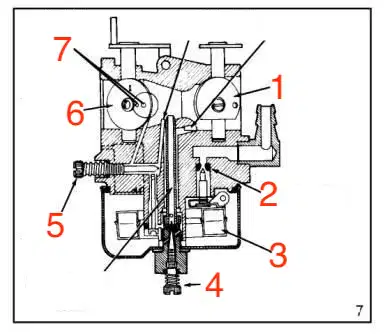
What is number 1?
a)
Throttle Plate
b)
Choke Plate
c)
Needle and Seat
d)
Pilot Jet
14.
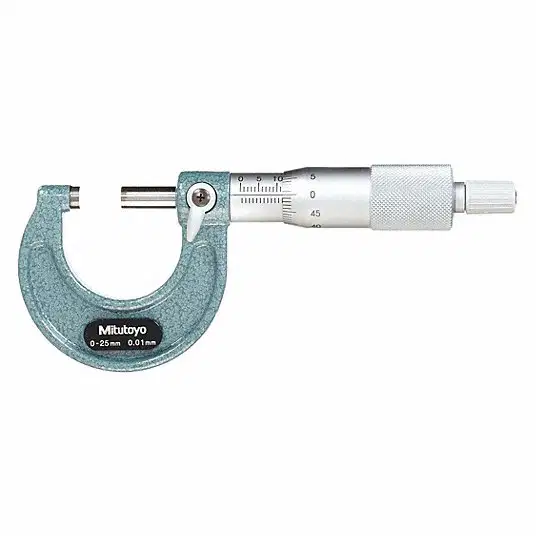
What is this tool?
a)
Micrometer
b)
Dial Caliper
c)
Vernier
d)
Telescoping gauge
e)
Feeler gauge
15.
Primary windings will produce
a)
High Amperage
b)
High Voltage
c)
Low Amperage
d)
Low Voltage
16.
_____________ are little peaks and valleys in a machined surface?
a)
Mill Marks
b)
Cross Hatch
c)
Aspereties
d)
Facings
17.
Power is every _____________ rotation(s) in a two stroke engine
a)
single
b)
two
c)
three
d)
four
18.
Which of the following does not occur during the upstroke on a 2 stroke engine?
a)
Piston Moves up
b)
Air-fuel is drawn into the crankcase
c)
Transfer ports open
d)
Air fuel in the cylinder is compressed
19.
The purpose of the ______________ system is to maintain constant engine speed
a)
Governor
b)
Lubrication
c)
Ignition
d)
Electrical
20.
Which of the following is a type of governor?
a)
Pnuematic
b)
Mechanical
c)
Electronic
d)
All of the above
21.
Governor operation is basically a game of _____________ between engine vacuum and the governor spring
a)
Red Rover
b)
Dodgeball
c)
Tug of War
d)
Tag
22.
__________________ is drop in rpm when a load is applied to an engine
a)
Governor Spring
b)
Governor Linkage
c)
Governor Droop
d)
Static Adjustment
23.
Damage or removal of the governor system can result in _______________.
a)
Over Speeding
b)
Insuficient Lubrication
c)
Over Heating
d)
Abrasive Ingestion
24.
Mechanical governors use ________________ to apply tension to the governor spring.
a)
an air vane
b)
flywheights
c)
an electric motor
d)
a computer
25.
Pnuematic governors use ________________ to apply tension to the governor spring.
a)
an air vane
b)
flywheights
c)
an electric motor
d)
a computer
26.
Electronic governors use ________________ to apply tension to the governor spring.
a)
an air vane
b)
flywheights
c)
an electric motor
d)
a computer
27.
More tension on the governor spring means _________.
a)
more speed
b)
less speed
c)
more torque
d)
less torque
28.
__________________ is set by bending the tab the governor spring hooks to.
a)
Governor droop
b)
Spring tension
c)
Top no load speed
d)
Bottom no load speed
29.
Which of the following does not occur during the downstroke on a 2 stroke engine?
a)
Piston moves down
b)
Air-fuel is drawn into the crankcase
c)
Transfer ports open
d)
Exhaust is forced out of the cylinder
30.
Which engine type is smaller and simpler?
a)
Two Stroke
b)
Four stroke
c)
Gasoline
d)
Diesel
31.
Fuel and __________ must be properly mixed in a 2 cycle engine
a)
Exhaust
b)
Oil
c)
Ethanol
d)
Octane
32.
Two Stroke engine have a _______________ orientation
a)
Horizontal
b)
Vertical
c)
Multi-positional
d)
Reversed
33.
______________ destroys rubber parts in carburetors
a)
Oil
b)
Ethanol
c)
Octane
d)
Water
34.
Two-stroke equipment will eventually be replaced with _____________ in the consumer market
a)
Four-stroke Equipment
b)
Multipositional Equipment
c)
Electric Equipment
d)
Handheld Equipment
35.
The purpose of engine oil is to __________________
a)
Prevent Rust
b)
Lubricate Parts
c)
Cool Parts
d)
All of the above
36.
________________ lubrication systems use a dipper or slinger to spread oil.
a)
Splash
b)
Sling
c)
Pressure
d)
Spray
37.
________________ lubrication systems use a pump to spread oil.
a)
Splash
b)
Sling
c)
Pressure
d)
Spray
38.
API determines _______________
a)
what engine an oil can be used in
b)
Viscosity
c)
Oil weight
d)
whether oil is synthetic or conventional
39.
SAE determines _______________
a)
what engine an oil can be used in
b)
which additives that are safe for vehicles
c)
oil weight
d)
whether oil is synthetic or conventional
40.
_______________ is a liquid's resistance to flow.
a)
Surface Tension
b)
Viscosity
c)
Consitency
d)
Thickness
41.
__________________ oil is made in nature and has imperfect molecules.
a)
Conventional
b)
Gasoline
c)
Synthetic
d)
Diesel
42.
__________________ oil is made in a lab and has perfect molecules.
a)
Conventional
b)
Gasoline
c)
Synthetic
d)
Diesel
43.
Which oil has the most desireable properties
a)
Conventional
b)
Gasoline
c)
Synthetic
d)
Diesel
44.
Briggs and Stratton recommends oil changes occur how often?
a)
Twice a year or every 50 hours
b)
Once a year or every 50 hours
c)
Once a year or Every 100 hours
d)
Twice a year or every 100 hours
45.
Automotive oil changes are recommended to be done ____________
a)
Every 3,000 miles
b)
Every 6,000 miles
c)
Every 10,000 miles
d)
What ever milage your vehicle's owner's manual states
46.
Secondary windings will produce
a)
High Amperage
b)
High Voltage
c)
Low Amperage
d)
Low Voltage
47.
Which of the following acts a a transformer?
a)
Coil
b)
Spark Plug
c)
Spark Plug Wire
d)
Switching Device
48.
Which of the following lets electricity travel from coil to plug?
a)
Coil
b)
Spark Plug
c)
Spark Plug Wire
d)
Switching Device
49.
Which of the following triggers the spark?
a)
Coil
b)
Spark Plug
c)
Spark Plug Wire
d)
Switching Device
50.
Which of the following provides a gap for the spark to jump?
a)
Coil
b)
Spark Plug
c)
Spark Plug Wire
d)
Switching Device
51.
Magneto Ignition Systems use ______________ to trigger the spark?
a)
Points
b)
Condensor
c)
Trigger Coil
d)
Magnets
52.
Breaker Points Ignition Systems use ______________ to trigger the spark?
a)
Points
b)
Condensor
c)
Trigger Coil
d)
Magnets
53.
Points must be properly ______________________
a)
Adjusted and Gapped
b)
Timed and Gapped
c)
Sanded and Gapped
d)
Sanded and Timed
54.
The Most common ignition system we see is__________?
a)
Breaker Points
b)
Coil on Plug
c)
Distibutor
d)
Magneto
55.
When a _______________ moves past a coil it it generates electricity
a)
Magnet
b)
Iron Core
c)
Transistor
d)
Condensor
56.

What is this tool?
a)
Telescoping gauge
b)
Dial Caliper
c)
Vernier
d)
Micrometer
e)
Feeler gauge
57.
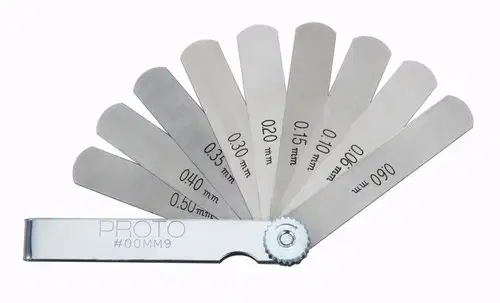
What is this tool?
a)
Feeler gauge
b)
Dial Caliper
c)
Vernier
d)
Micrometer
e)
Telescoping gauge
58.
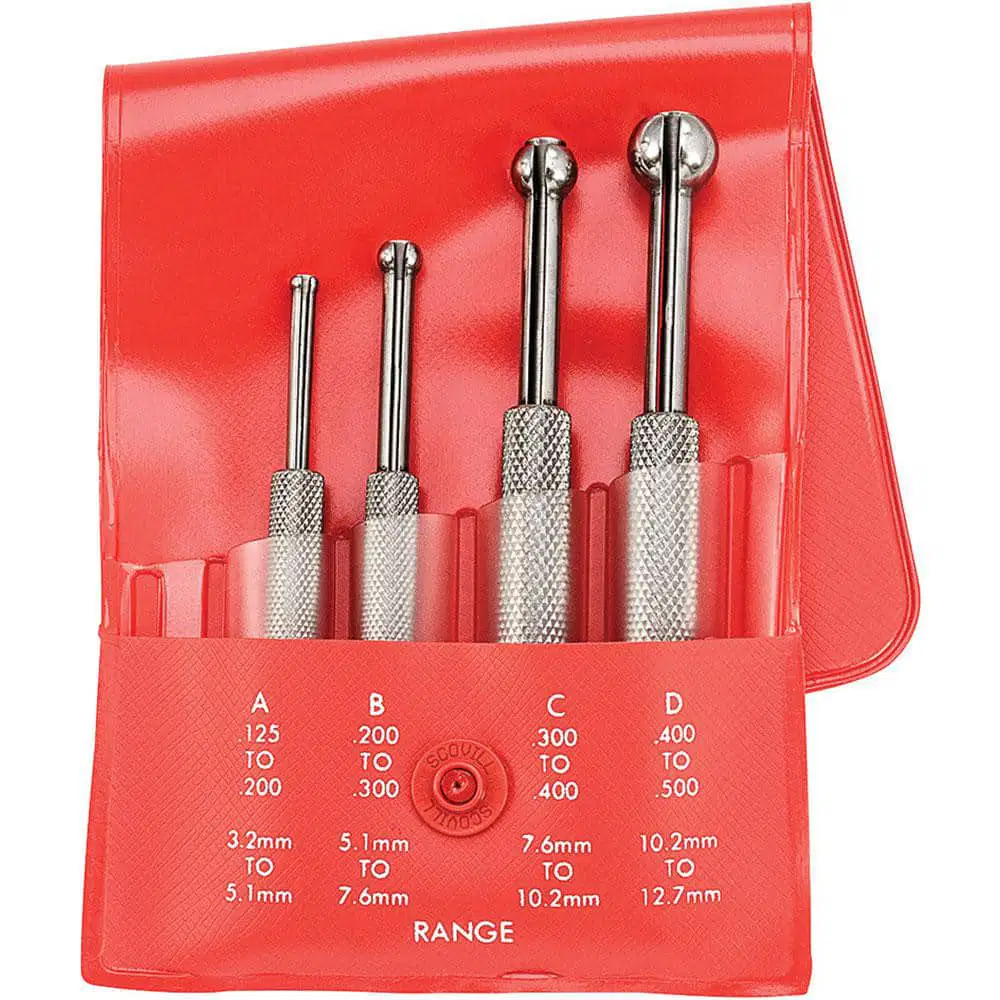
What is this tool?
a)
Small Hole Gauge
b)
Dial Caliper
c)
Vernier
d)
Micrometer
e)
Telescoping gauge
59.
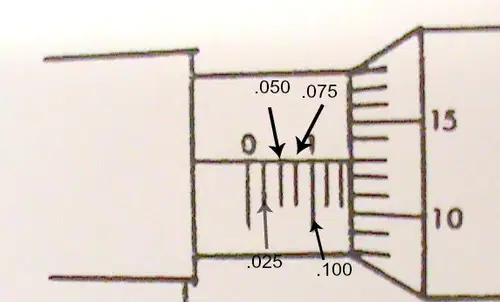
Is this picture true or false?
a)
True
b)
False
60.
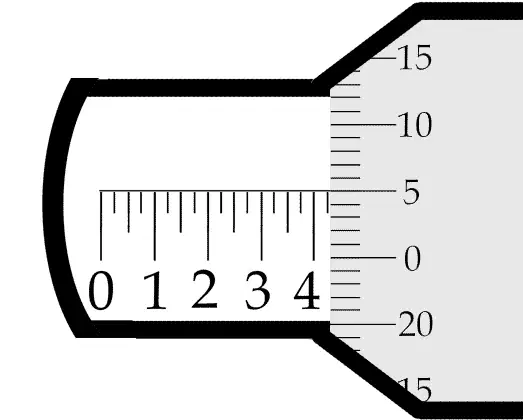
What does this micrometer read?
a)
4.255
b)
0.430
c)
0.425
d)
.405
e)
.415
61.
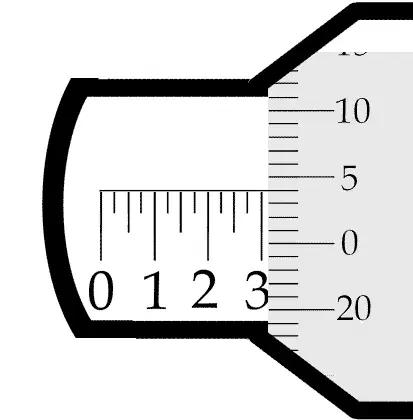
What does this micrometer read?
a)
3.004
b)
.340
c)
.304
d)
.003
62.

What does this micrometer read?
a)
15.003
b)
0.315
c)
0.750
d)
0.090
e)
0.390
63.
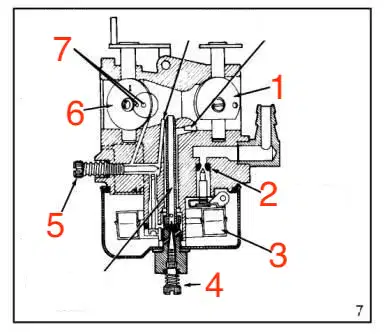
What is number 2?
a)
Throttle Plate
b)
Choke Plate
c)
Needle and Seat
d)
Pilot Jet
64.
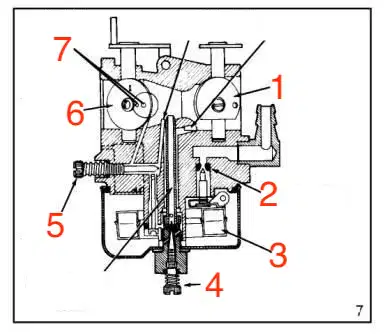
What is number 3?
a)
Float
b)
Bowl
c)
Needle and Seat
d)
Pilot Jet
65.
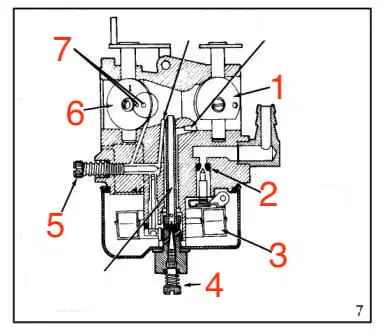
What is number 4?
a)
Float
b)
Transitional Passages
c)
Main Jet
d)
Pilot Jet
66.
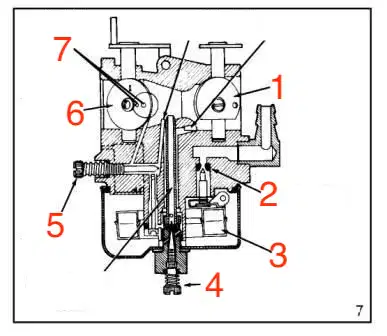
What is number 5?
a)
Choke Plate
b)
Transitional Passages
c)
Main Jet
d)
Pilot Jet
67.
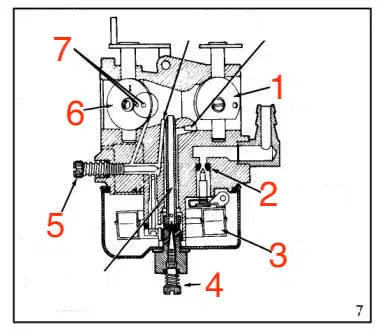
What is number 6?
a)
Choke Plate
b)
Transitional Passages
c)
Throttle Plate
d)
Pilot Jet
68.
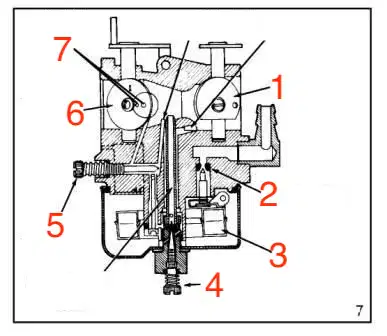
What is number 7?
a)
Choke Plate
b)
Transitional Passages
c)
Throttle Plate
d)
Pilot Jet
69.

What tool is this?
a)
Nut Driver
b)
Allen Driver
c)
Torx Driver
d)
Socket
70.
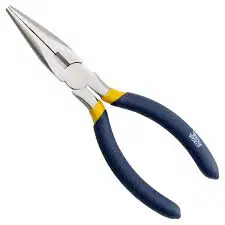
What tool is this?
a)
Slip Joint Pliers
b)
Side Cutters
c)
Needle Nose Pliers
d)
Locking Pliers
71.
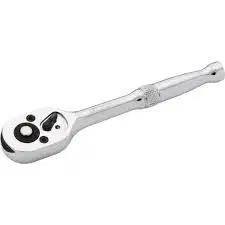
What tool is this?
a)
Combination Wrench
b)
Torque Wrench
c)
Socket
d)
Ratchet
72.
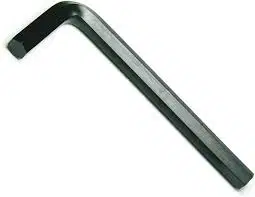
What tool is this?
a)
Allen Wrench
b)
Combination Wrench
c)
Torque Wrench
d)
Adjustable Wrench
73.

What tool is this?
a)
Wire Strippers
b)
Side Cutters
c)
Needle Nose Pliers
d)
Locking Pliers
74.
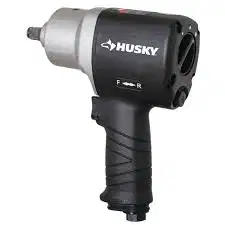
What tool is this?
a)
Air Hammer
b)
Air Impact
c)
Die Grinder
d)
Air Ratchet
75.
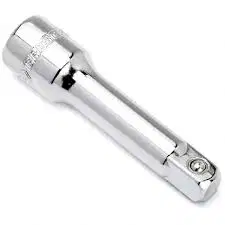
What tool is this?
a)
Extension
b)
Adapter
c)
Socket
d)
Nut Driver
76.
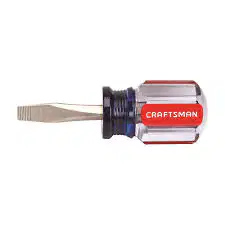
What tool is this?
a)
Phillips Screwdriver
b)
Slotted Screwdriver
c)
Nut Driver
d)
6 in 1 Screwdriver
77.
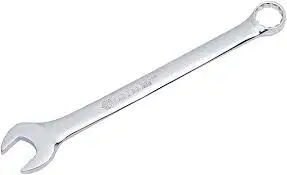
What tool is this?
a)
Combination Wrench
b)
Adjustable Wrench
c)
Torque Wrench
d)
Breaker Bar
78.
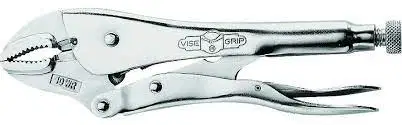
What tool is this?
a)
Needle Nose Pliers
b)
Side Cutters
c)
Locking Pliers
d)
Adjustable Pliers
79.
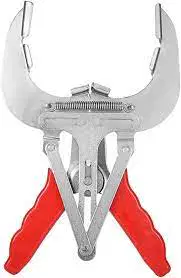
What tool is this?
a)
Piston Ring Compressor
b)
Piston Ring Expander
c)
Valve Spring Compressor
d)
Valve Spring Expander
80.
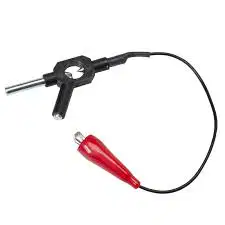
What tool is this?
a)
Compression Tester
b)
Flywheel Puller
c)
Test Light
d)
Spark Tester
81.
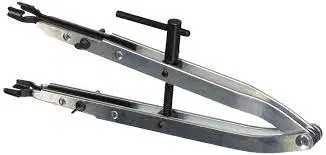
What tool is this?
a)
Piston Ring Compressor
b)
Valve Spring Compressor
c)
Piston Ring Expander
d)
Valve Spring Expander
82.
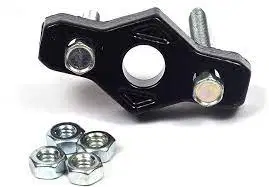
What tool is this?
a)
Valve Spring Compressor
b)
Flywheel Puller
c)
Compression Tester
d)
Piston Ring Compressor
83.
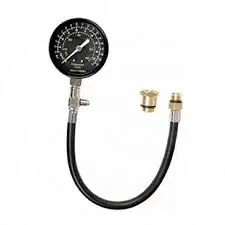
What tool is this?
a)
Compression Tester
b)
Spark Tester
c)
Tiny Tach
d)
Multimeter
84.
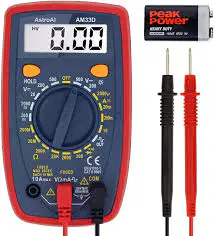
What tool is this?
a)
Test Light
b)
Multimeter
c)
Spark Tester
d)
Compression Tester
85.
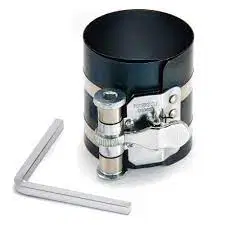
What tool is this?
a)
Piston Ring Compressor
b)
Valve Spring Compressor
c)
Piston Ring Expander
d)
Valve Spring Expander
86.
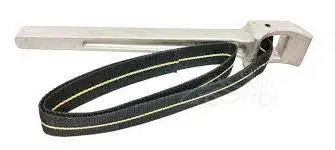
What tool is this?
a)
Combination Wrench
b)
Adjustable Wrench
c)
Torque Wrench
d)
Strap Wrench
87.
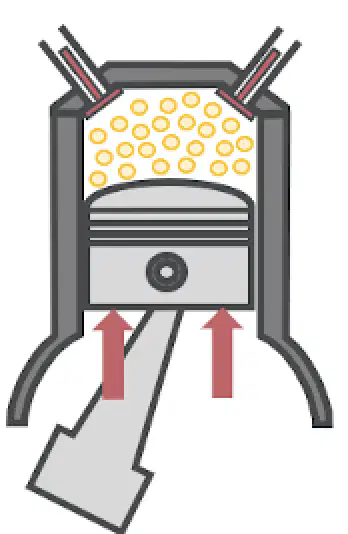
Which stroke is the following engine on?
a)
Intake
b)
Compression
c)
Power
d)
Exhaust
88.
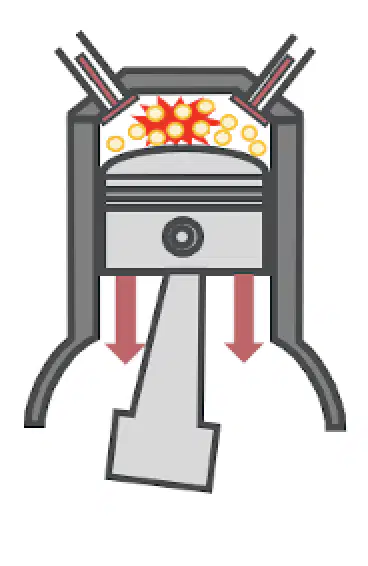
Which stroke is the following engine on?
a)
Intake
b)
Compression
c)
Power
d)
Exhaust
89.
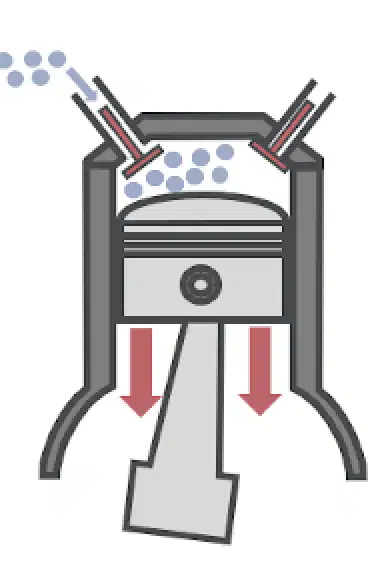
Which stroke is the following engine on?
a)
Intake
b)
Compression
c)
Power
d)
Exhaust
90.
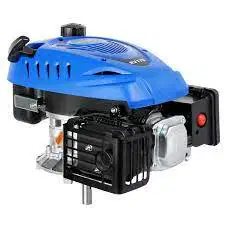
Which Shaft Orientation does this engine use?
a)
Vertical
b)
Horizontal
c)
Multi-positional
d)
Diagonal
91.
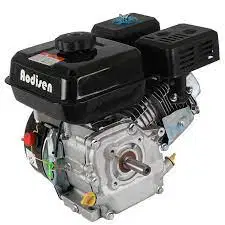
Which Shaft Orientation does this engine use?
a)
Vertical
b)
Horizontal
c)
Multi-positional
d)
Diagonal
92.
Horsepower is?
a)
Rotational Force
b)
The rate at which we do work.
c)
How fast the engine runs.
d)
a unit invented by Nicolaus Otto
93.
Torque is?
a)
Rotational Force
b)
The rate at which we do work.
c)
How fast the engine runs.
d)
a unit invented by Nicolaus Otto
94.
The distance the piston travels in the cylinder is?
a)
Bore
b)
Stroke
c)
Displacement
d)
Compression Ratio
95.
The total volume of the cylinder is?
a)
Bore
b)
Stroke
c)
Displacement
d)
Compression Ratio
96.
The diameter of the cylinder is?
a)
Bore
b)
Stroke
c)
Displacement
d)
Compression Ratio
97.
The comparison of the total volume of a cylinder against the volume of the combustion chamber?
a)
Bore
b)
Stroke
c)
Displacement
d)
Compression Ratio
98.
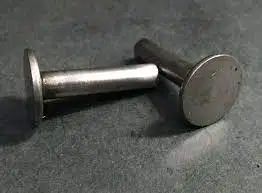
Which part is this?
a)
Tappet
b)
Roller
c)
Valve Spring Retainer
d)
Pushrod
99.
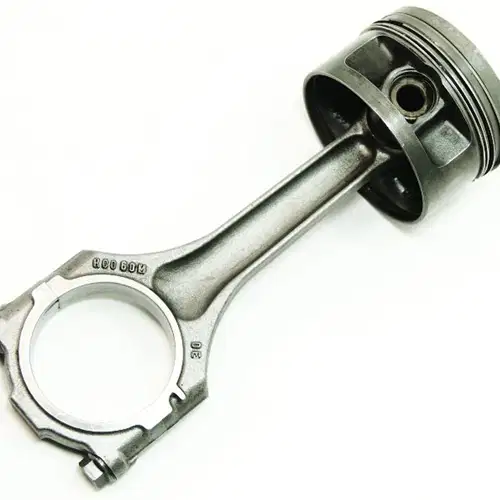
Which part is this?
a)
Crankshaft
b)
Carburetor
c)
Piston and Connecting Rod
d)
Cam Shaft
100.
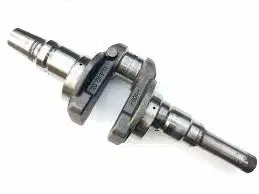
Which part is this?
a)
Crankshaft
b)
Carburetor
c)
Piston and Connecting Rod
d)
Cam Shaft
101.
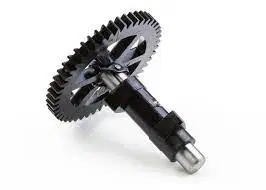
Which part is this?
a)
Crankshaft
b)
Carburetor
c)
Piston and Connecting Rod
d)
Cam Shaft
102.

Which part is this?
a)
Sump Cover
b)
Engine Block
c)
Cylinder Head
d)
Head Gasket
103.
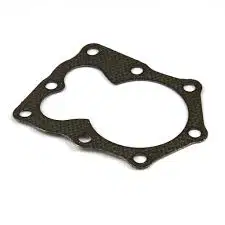
Which part is this?
a)
Sump Cover
b)
Engine Block
c)
Cylinder Head
d)
Head Gasket
104.
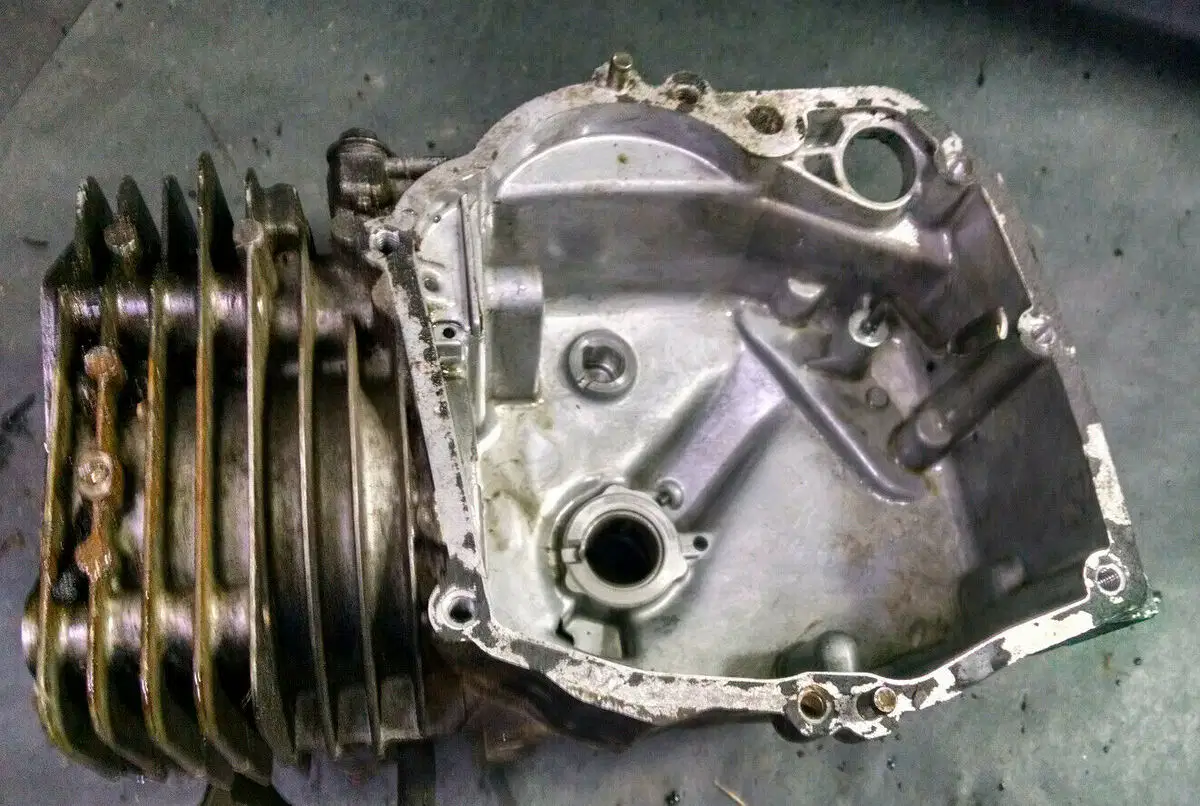
Which part is this?
a)
Sump Cover
b)
Engine Block
c)
Cylinder Head
d)
Head Gasket
105.
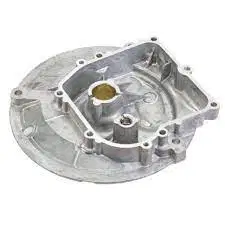
Which part is this?
a)
Sump Cover
b)
Engine Block
c)
Cylinder Head
d)
Head Gasket
106.
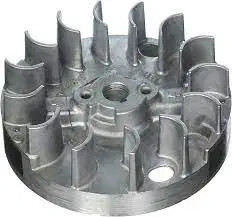
Which part is this?
a)
Magneto
b)
PTO
c)
Flywheel
d)
Starter Rewind Clutch
107.
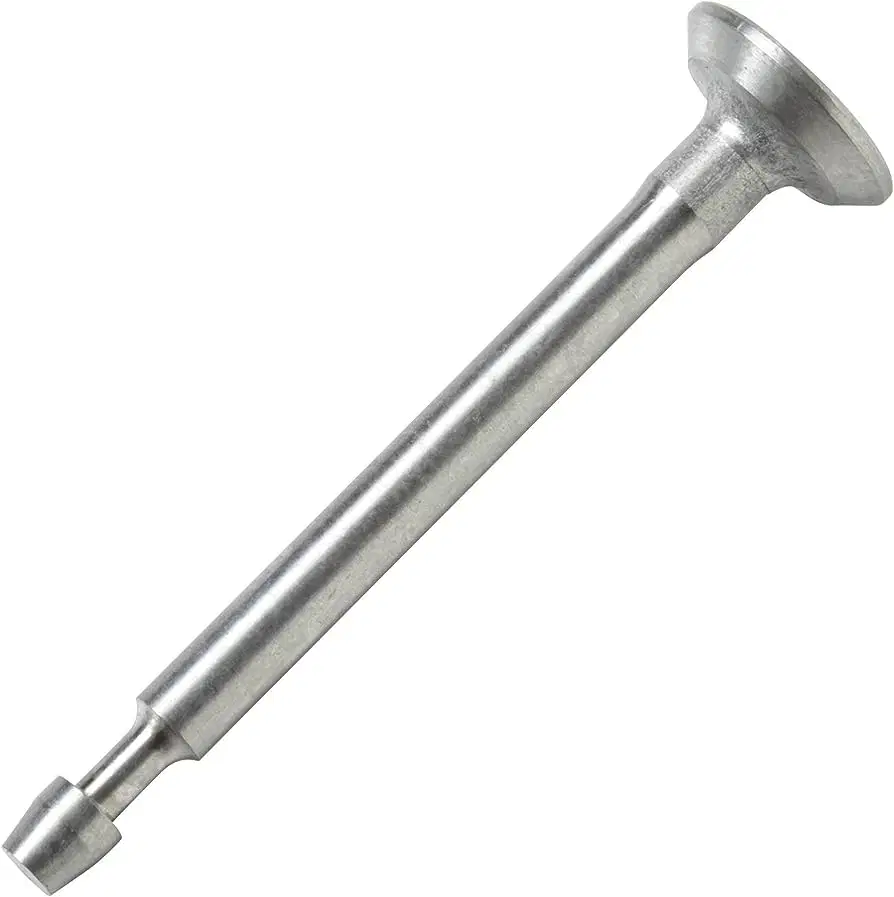
Which part is this?
a)
Valve Spring
b)
Valve
c)
Valve Spring Keeper
d)
Tappet
108.
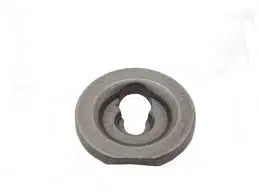
Which part is this?
a)
Valve Spring
b)
Valve
c)
Valve Spring Keeper
d)
Tappet
109.
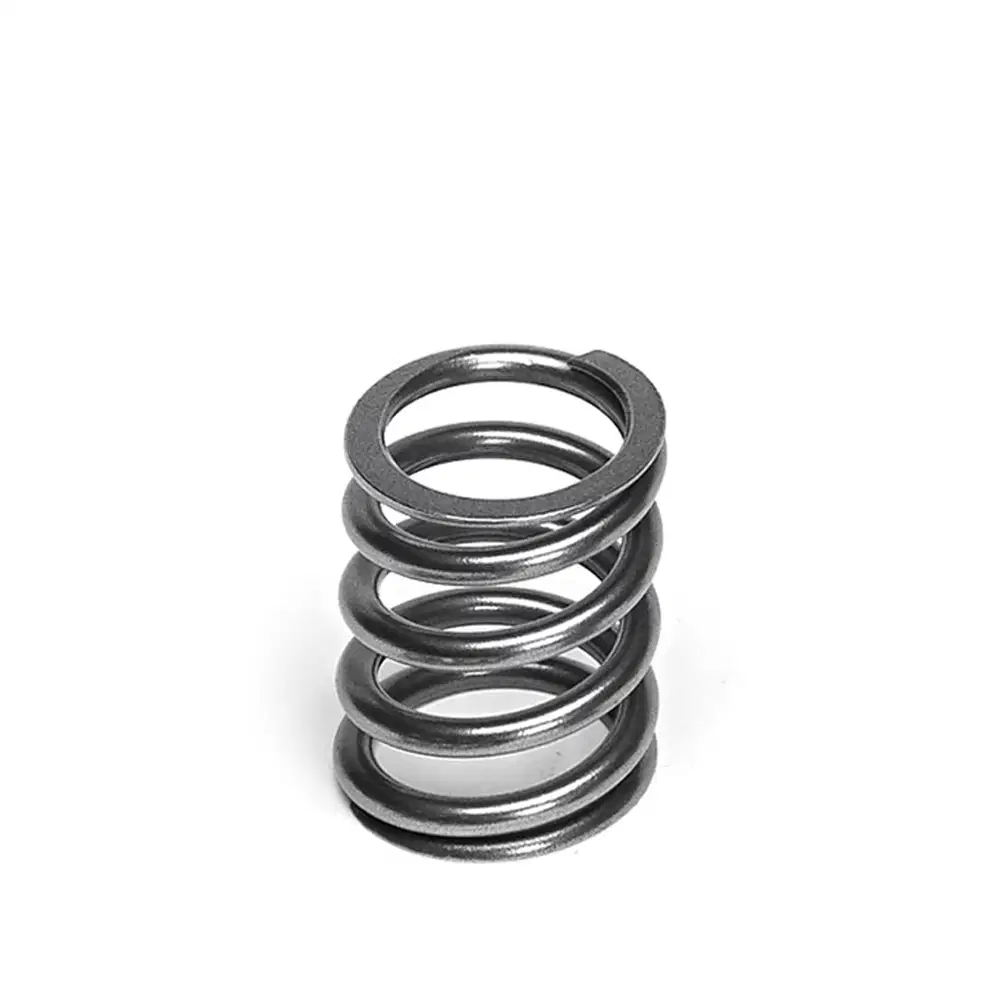
Which part is this?
a)
Valve Spring
b)
Valve
c)
Valve Spring Keeper
d)
Tappet
100 %

