
 Worksheets
Midterm Exam SY 2024/2025
Total questions: 58
Worksheet time: 2hrs 43mins
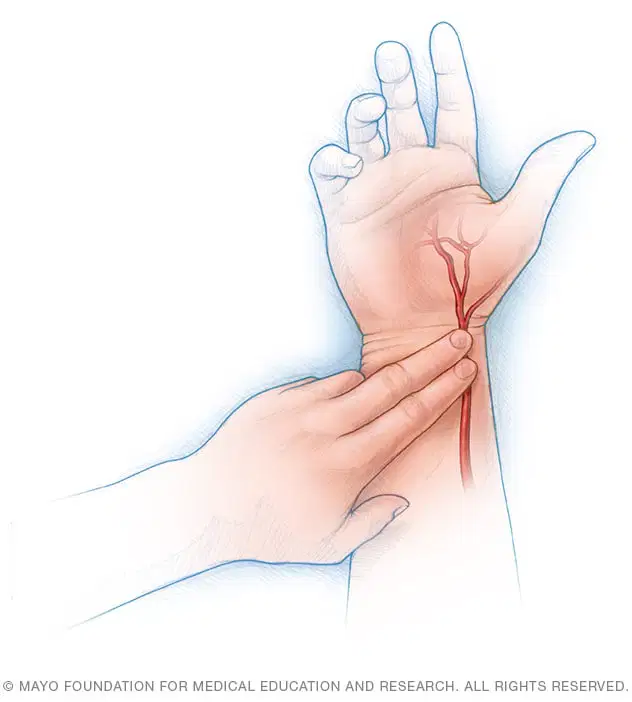
A pulse of 120 beats per minute is called?
Tachypnea
Bradypnea
Tachycardia
Eupnea
Locate the right atrium on the diagram
Match the following terms to their definitions

ASYSTOLE
BRADYCARDIA
PULSE RATE LESS THAN 60 BEATS PER MINUTE
EUPNEA
NORMAL RESPIRATORY RATE 12-20
HYPOXIA
LOW OXYGEN LEVELS
APNEA
ABSENCE OF BREATHING
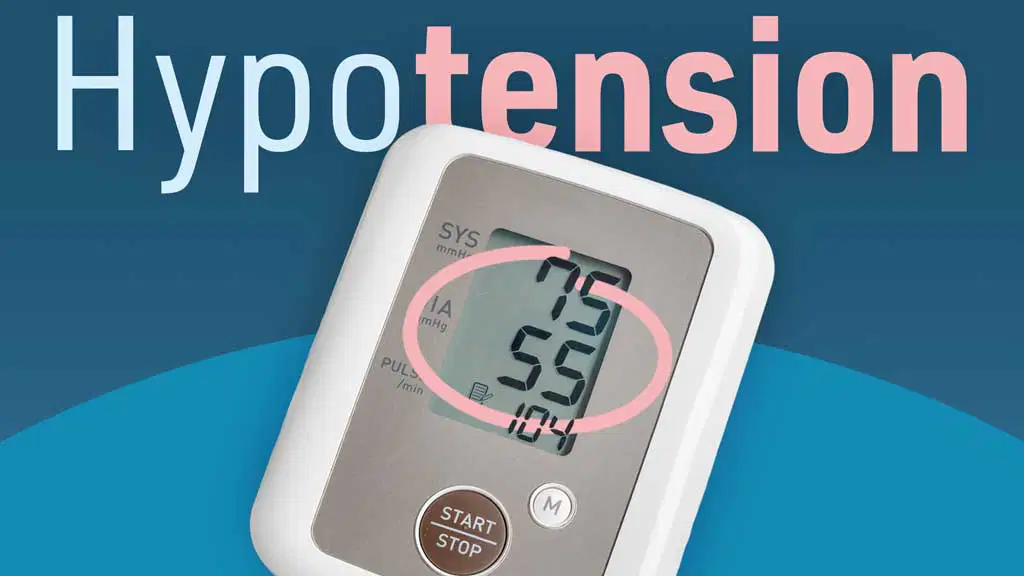
Your patient has a low blood pressure and nearly passed out during your assessment.
Which of the following symptoms might they have with this low blood pressure?
Headache
Dizziness
Bradycardia
Eupnea
Understanding Asthma Symptoms
Please use this paragraph to answer questions # 5, #6 and #7
Asthma is a chronic respiratory condition that affects millions of people worldwide. It is characterized by inflammation and narrowing of the airways, which can lead to difficulty in breathing. Common symptoms of asthma include wheezing, coughing, shortness of breath, and chest tightness. These symptoms can vary in intensity and may occur sporadically or persistently. Asthma symptoms are often triggered by allergens, exercise, cold air, or stress.
Wheezing is a high-pitched whistling sound that occurs when breathing, often more noticeable during exhalation. It is caused by the narrowing of the airways, making it difficult for air to flow smoothly. Coughing, another common symptom, can be persistent and is often worse at night or early in the morning. This cough is usually dry and non-productive, meaning it does not produce mucus. Shortness of breath can make it feel like you cannot get enough air into your lungs.
Chest tightness is a sensation of pressure or constriction in the chest, which can be uncomfortable and alarming. This symptom is often accompanied by the other symptoms of asthma, making it a key indicator of an asthma attack. Recognizing these symptoms early is crucial for managing asthma effectively. Proper management includes avoiding known triggers, using prescribed medications, and monitoring symptoms regularly. Understanding and identifying asthma symptoms can help individuals seek timely medical intervention and improve their quality of life.
What is asthma characterized by?
Inflammation and narrowing of the airways
Increased lung capacity
Decreased mucus production
High blood pressure
Which of the following is NOT a common symptom of asthma?
Wheezing
Coughing
Fever
Shortness of breath
What sound is associated with wheezing in asthma patients?
High-pitched whistling
Low rumbling
Loud snoring
Soft humming
A family member is complaining of chest pain. Which facility would you tell them to go to to get checked out?
Urgent care
Ambulatory care
Emergency Room
Leave a message on the doctors phone for an appointment next week

Which of the following is the correct amount of time to wash your hands?
one hour
20 seconds
2 minutes
9 minutes
Your patient has no pulse and no breathing . Which of the following will you perform?
Temperature
CPR
Nebulizer
Peak flow meter
This ventricle sends oxygen rich blood to the body and maintains the blood pressure. Label this area .
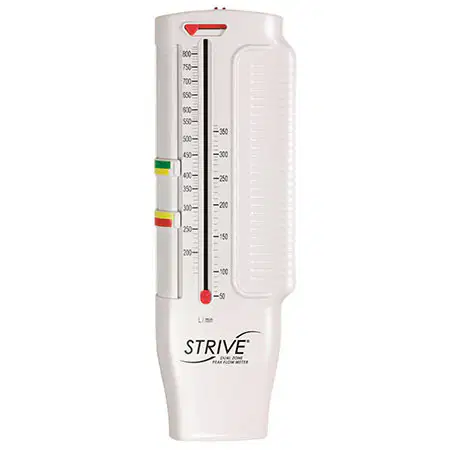
This device measures how much air a person can force out of their lungs. Which of the following is the correct name of this device ?
Incentive spirometer
Spacer
Peak Flow Meter
Inhaler
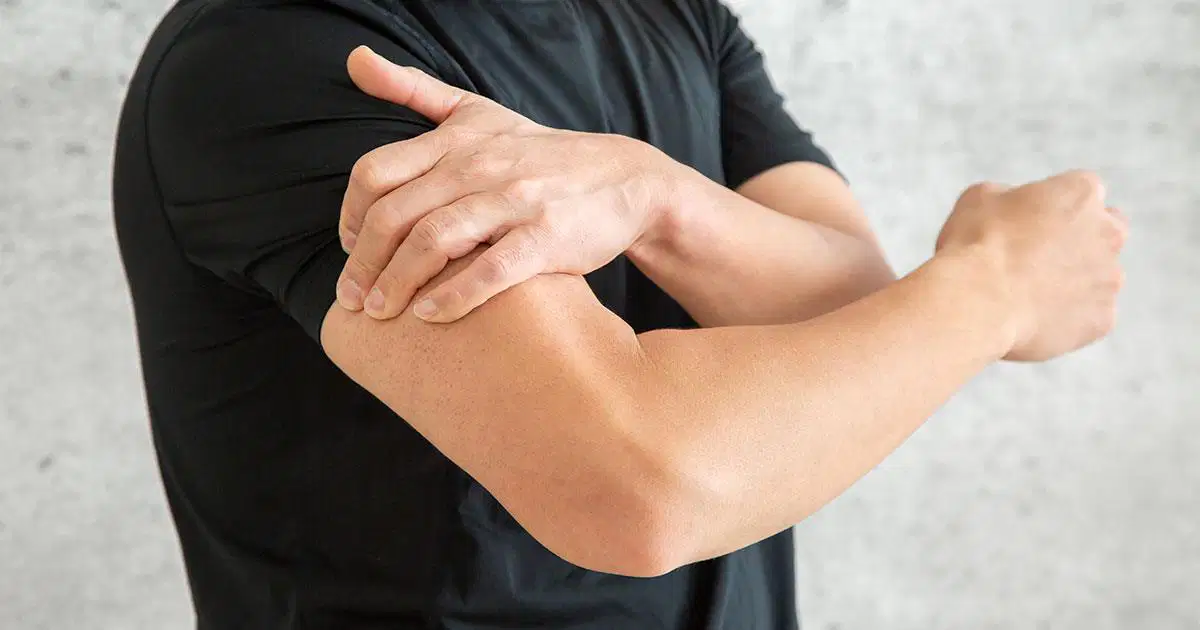
Which artery in the arm is used to measure blood pressure?
Popliteal artery
Dorsalis pedis artery
Radial artery
Brachial artery
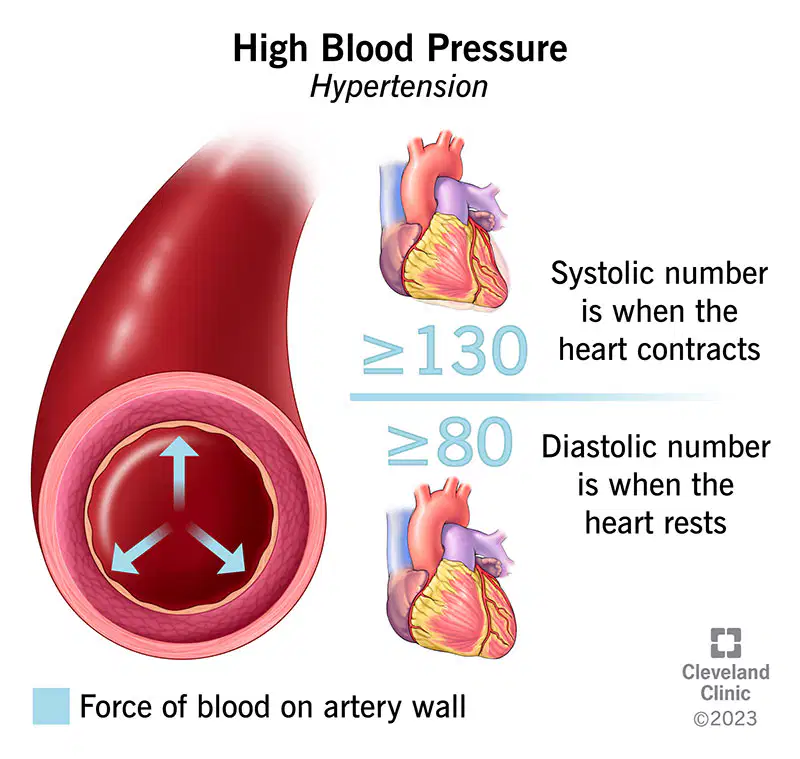
Which blood pressure is considered Hypertension ?
90/60
120/80
118/78
150/90
Which of the following is the best method to decrease the spread of infection?
Get a vaccine
Wash your hands
Decrease salt intake
Wear a face mask
Identify the small bone that you must not compress during CPR.
How deep should you compress the adult chest when performing CPR compressions ?
1 inch
4 inches
2 inches
5/8 inch
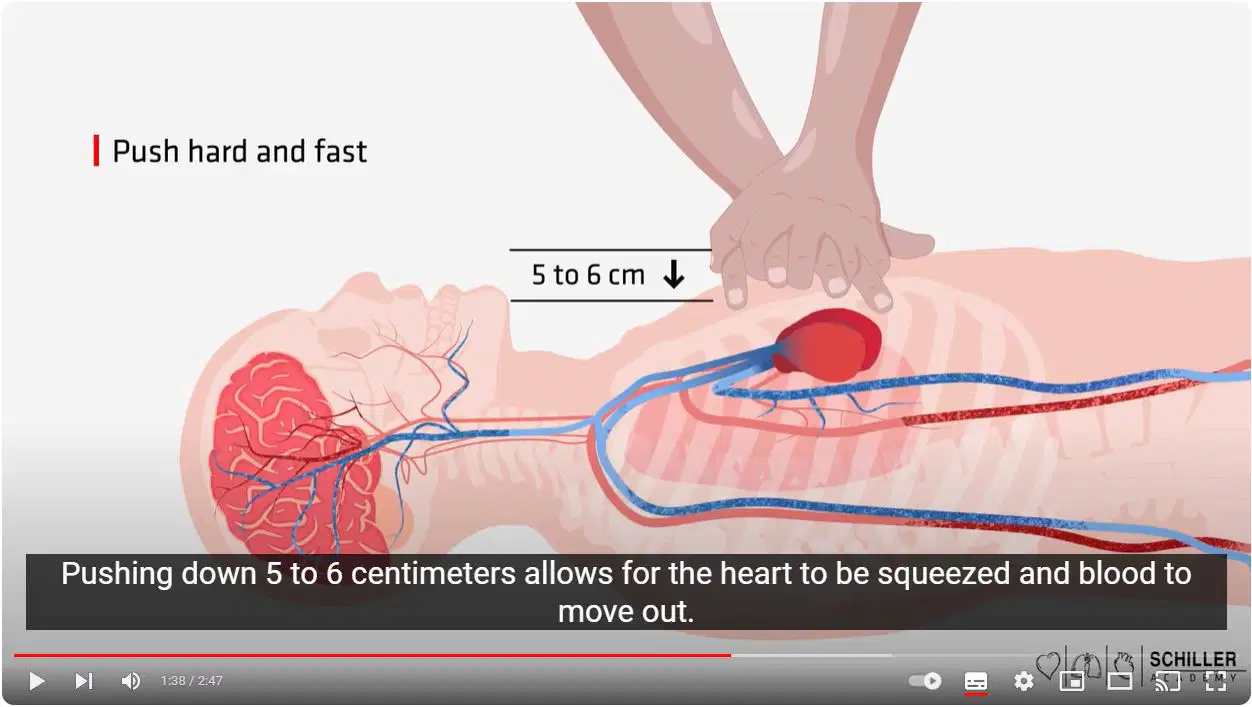
Why do we interlace our fingers and hold them off the chest during CPR compressions?
The patient is sweaty
To avoid breaking ribs
To keep yourself balanced
You are able to place all fingers onto the chest during compressions
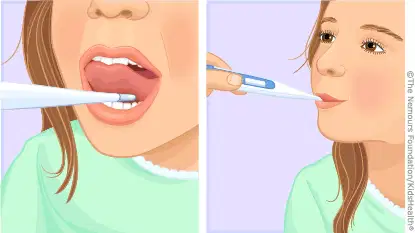
You need to take your patients oral temperature. What question will you ask them before putting the thermometer in their mouth?
HAVE YOU EATEN ANYTHING TODAY?
HAVE YOU HAD ANYTHING COLD TO DRINK IN THE PAST 20 MINUTES?
DO YOU PLAY SPORTS?
ARE YOU HAVING ANY PAIN?
Which of the following two (2) items is needed when you are performing CPR?

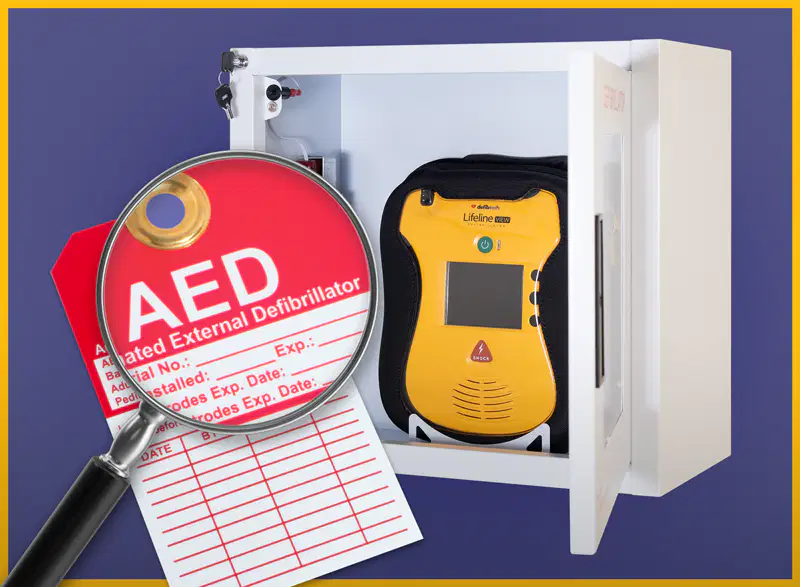
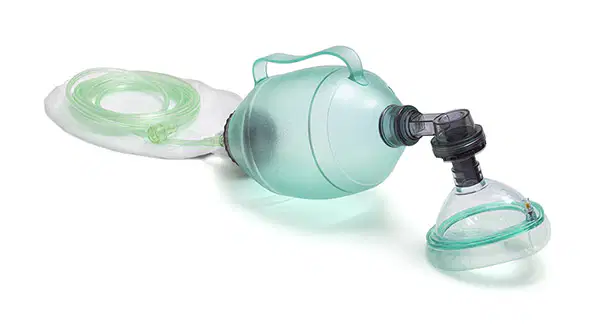
Match the following
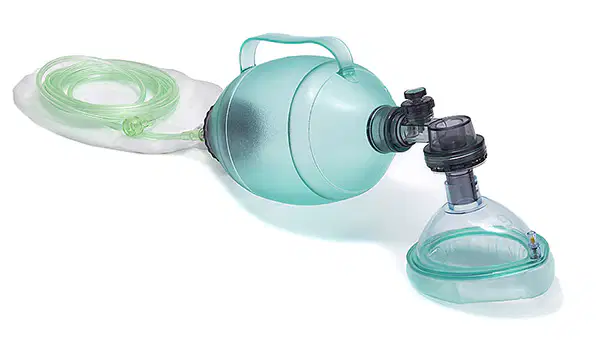
Bag Valve Mask
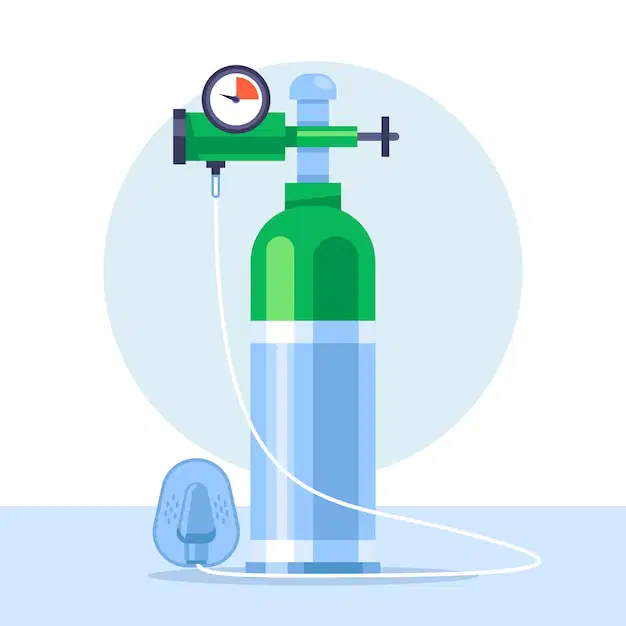
Oxygen tank

CPR Shield for ventilations

Position for CPR
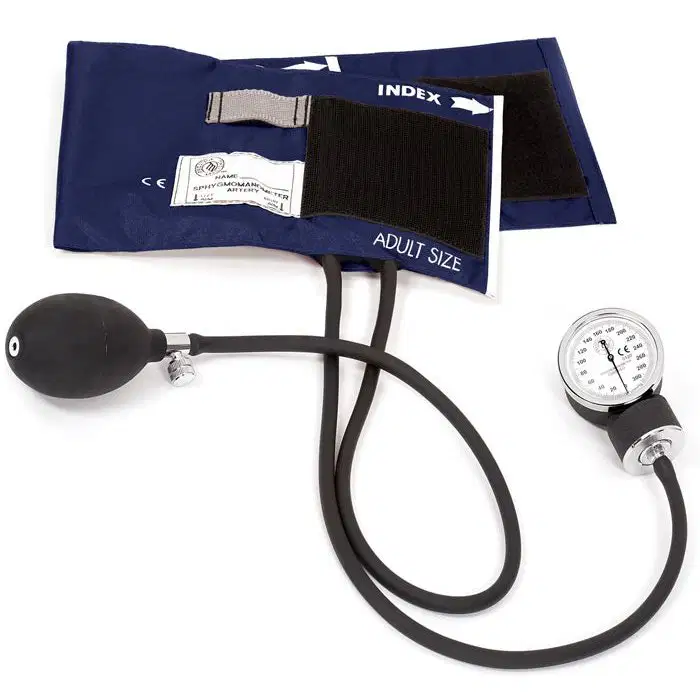
Sphygmomanometer
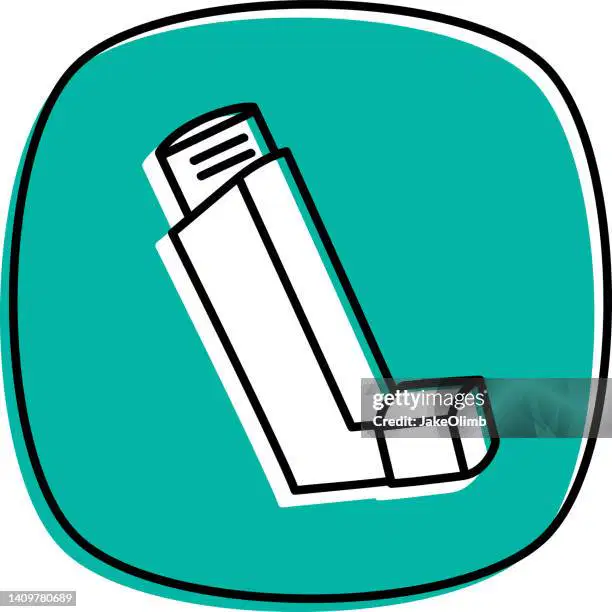
Which medication is considered the 'RESCUE INHALER'
Ipratropium Bromide
Oxygen
Methylprednisolone
Albuterol Sulfate
What action should be taken before administering any inhaler to a patient or yourself?
Give 2 puffs to the air
Shake the inhaler
Peel off the label
Avoid using the spacer
How much time should you wait in between puffs of an inhaler?
3 minutes
1-2 minutes
10 minutes
You do not have to wait any time at all
Which device can increase the amount of inhaled medication delivered?
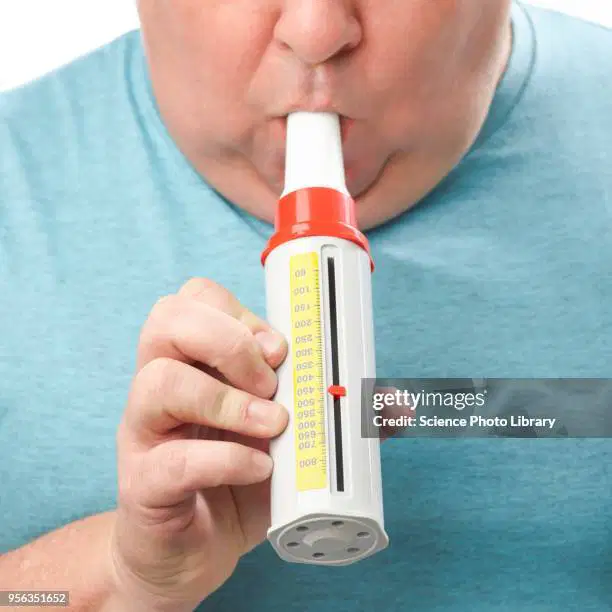
Peak flow meter

Nasal Cannula
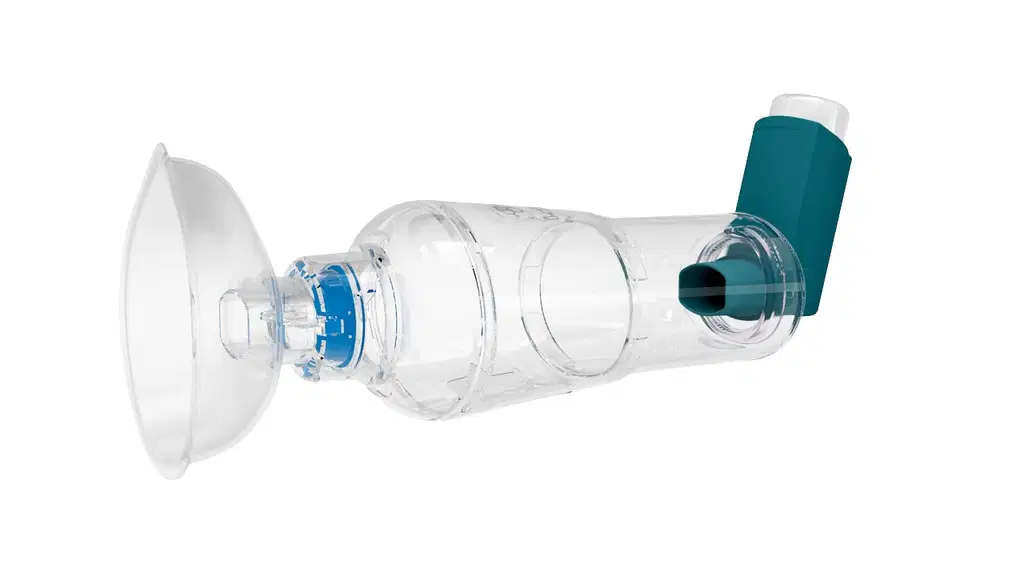
Spacer

Oral Airway
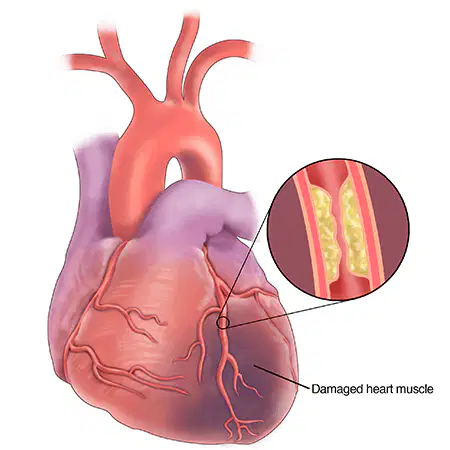
What are the blood vessels that bring rich oxygenated blood to the heart tissue?
Capillaries
Coronary Arteries
Veins
Venules
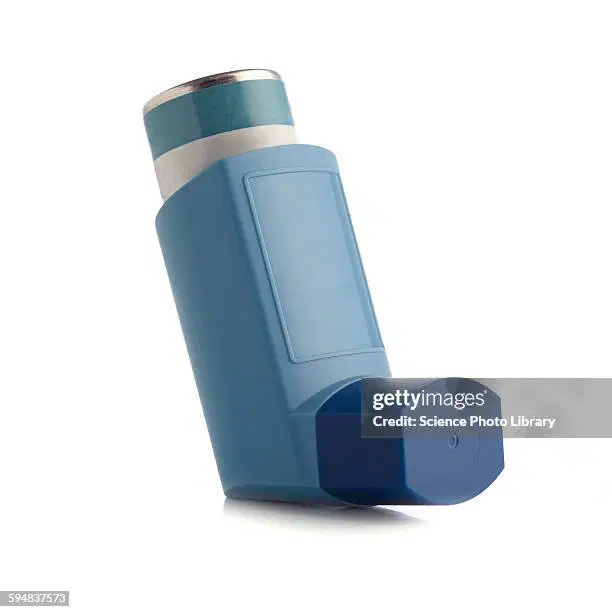
Which of the following is a common side effect of using a rescue inhaler?
Drowsiness
Hair loss
Increased heart rate
Weight gain
What is the recommended rate of chest compressions per minute during CPR?
80-100 compressions
60-80 compressions
100-120 compressions
120-140 compressions
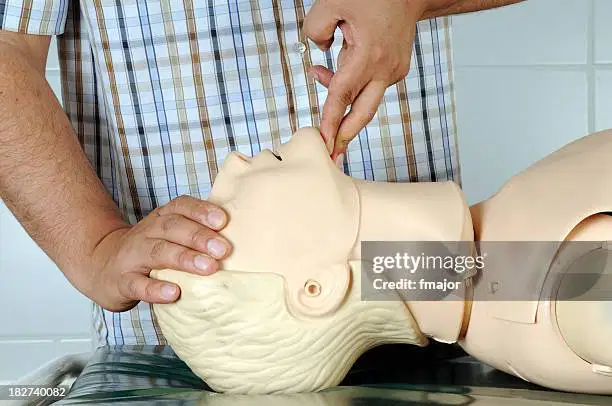
Which of the following actions opens up the airway?


A patient has a temperture of 102 degrees F. What term best describes this fever state?
FIbrillation
Febrile
Forester
Hypothermia
Which of the following best describes a heart attack?
Electrical system shuts down
Low blood pressure
Heart tissue is not getting enough oxygen and can die
Sudden collapse
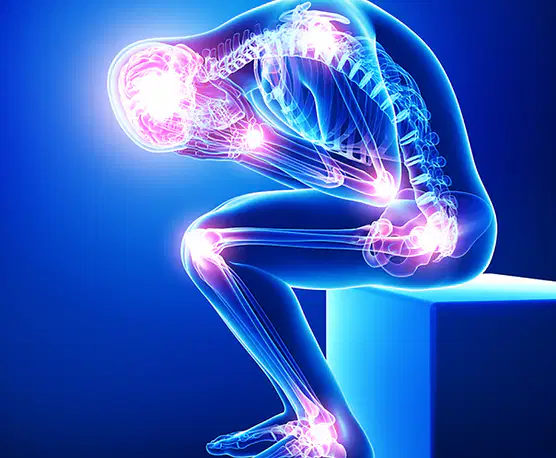
Your patient admits to having pain. What is the next question you should ask?
How long have you had the pain?
Where is the pain?
Can you desribe the pain?
Can you rate the pain?
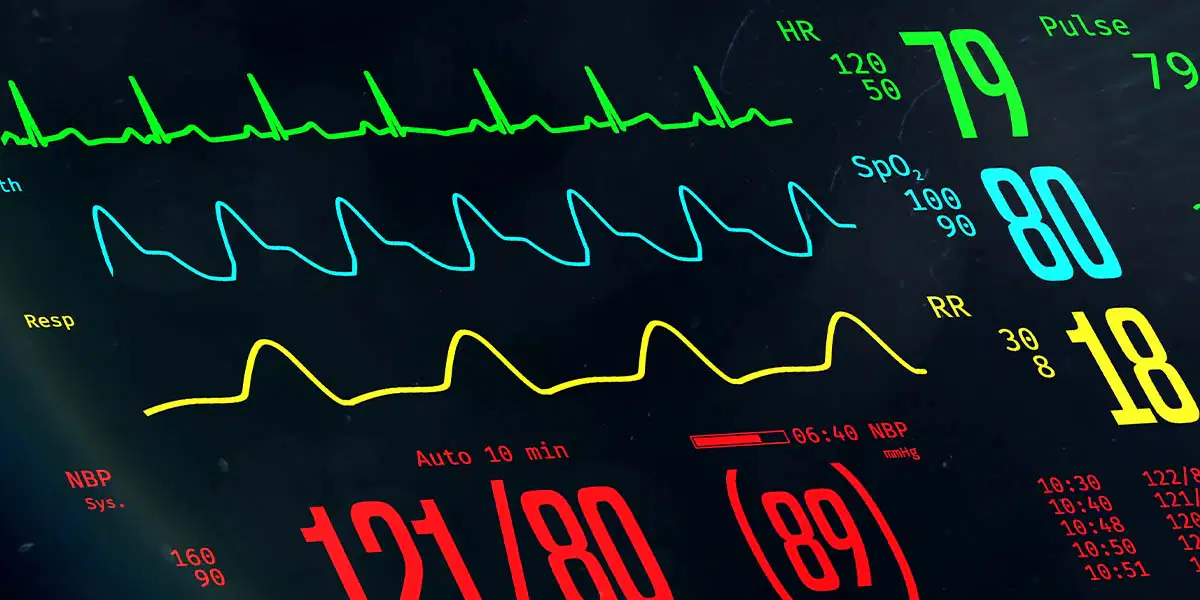
All of the following are vital signs except...
Temperature
Blood Pressure
Headache
Pulse
What is the NORMAL range for breaths per minute?
12-20
10-20
10-15
5-10
Afebrile means:
with a fever
without a fever
Which of the following are the two best ways to identify your patient ?
First and last name
Date of birth
Military rank
Age of marriage
The patient was breathing fast and then would stop breathing for 10 seconds , which term best describes this breathing pattern?
Asystole
Apnea
Tachycardia
Abduction
Which of the following patients could have a pulse rate of less than 60 beats per minute and be considered normal ?
An elderly man
A 20 year old athlete
A 6 year old child
A 40 year old dentist
This type of breathing is not normal and needs support during CPR:
Asystole
Agonal
Asymmetrical
Eupnea

What is the time on this clock?
1:15
3:20
3:08
12:02

What is the systolic blood pressure reading here?
120
106
116
122
Select the hour hand of this clock.

Which of the following is considered the "SILENT KILLER"
Hypotension
Kidney disease
Hypertension
Hyperthermia
Circle the section of the sternum where you will place your hands to administer compressions.
Hint: avoid the xiphoid process


You find an unresponsive patient on the floor. The scene is safe. What will you request from a person at the scene?
Get help and call her husband
Call 911 and get the AED
Turn her over and tilt the head
Come here and help !
Physical, social, emotional, and financial are examples of what?
Dimensions of Health
Downstream Intervention
Prevention
Asepsis
What is the difference between acute and chronic disease?
Chronic disease spreads from person to person and acute disease does not
Acute disease is deadly and chronic disease is not deadly
Chronic disease requires long term treatment and acute disease requires immediate treatment
Acute disease is not as bad as chronic disease
Upstream or Downstream
Bandaging a wound to stop bleeding
Taking tylenol to manage a headache
Performing CPR on someone with no pulse or respirations
Learning CPR
Reducing stress in your life to prevent high blood pressure
Studying for your midterm exam
Taking a re-do of your midterm exam
Staying hydrated
______ may increase plaque in the arteries, narrowing the arterial wall and causing high blood pressure and atherosclerosis.
Stress
Cardiac Arrest
Bradycardia
Asthma
Opioids are drugs that can block pain receptors in the brain, and if taken at high doses, can....
cause a person to stop breathing
cause hypertension and tachycardia
cause tachypnea and hypotension
cause hypothermia and fever
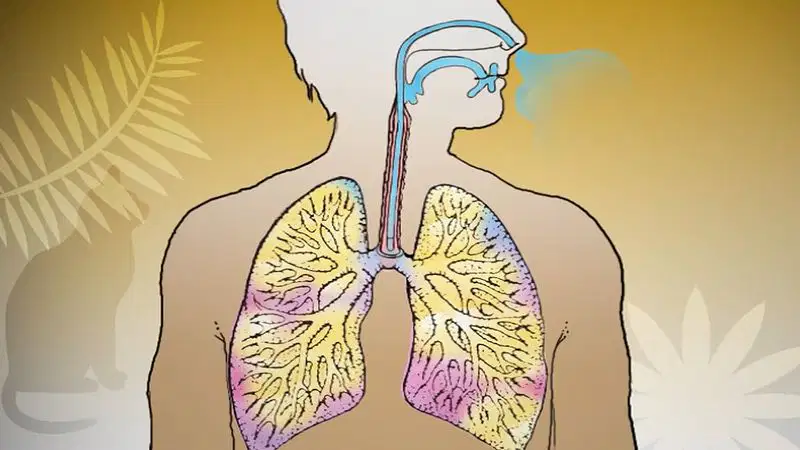
Which of the following is a characteristic feature of asthma?
Increased mucus production and cough
Decreased lung elasticity
Fluid in the pleural space and mucous
Alveolar collapse
Which of the following is a common trigger for asthma symptoms?
Allergies
High altitude
Reversible airway obstruction
Exposure to warm air
What is the purpose of performing chest compressions during CPR?
To clear water from the lungs
To restore normal breathing
To circulate blood to vital organs
To test the child's responsiveness
An elderly patient who is no longer able to cook for herself, feed herself and or walk around her apartment might consider which type of facility?
Emergency Room
Assisted living
Long term care
Short stqy care
What is a common treatment for asthma?
Antibiotics
Bronchodilators
Antivirals
Diuretics
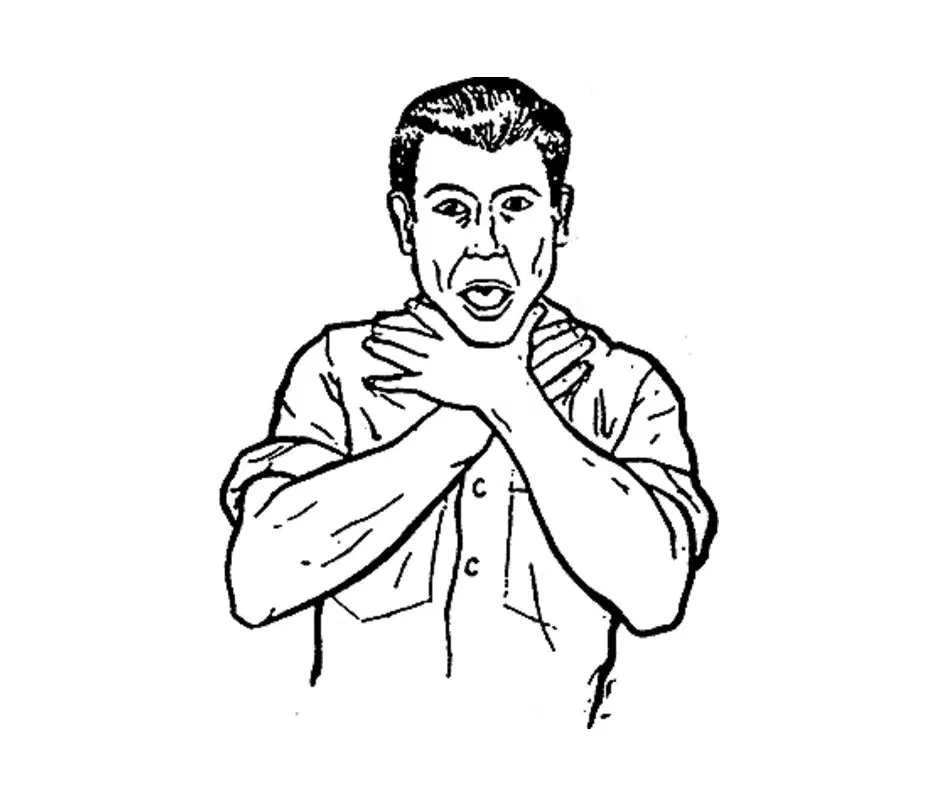
What universal sign is this man demonstrating ?
Hunger
Pain
Choking
Stop
Which respiratory sound is heard here?
Click on the arrow
Rhonchi
Wheezing
Crackels
Stridor

Place the CPR steps in order
Scene safety
Assess Responsiveness
Call 911
Get the AED
Assess for pulse and Respirations
Start CPR
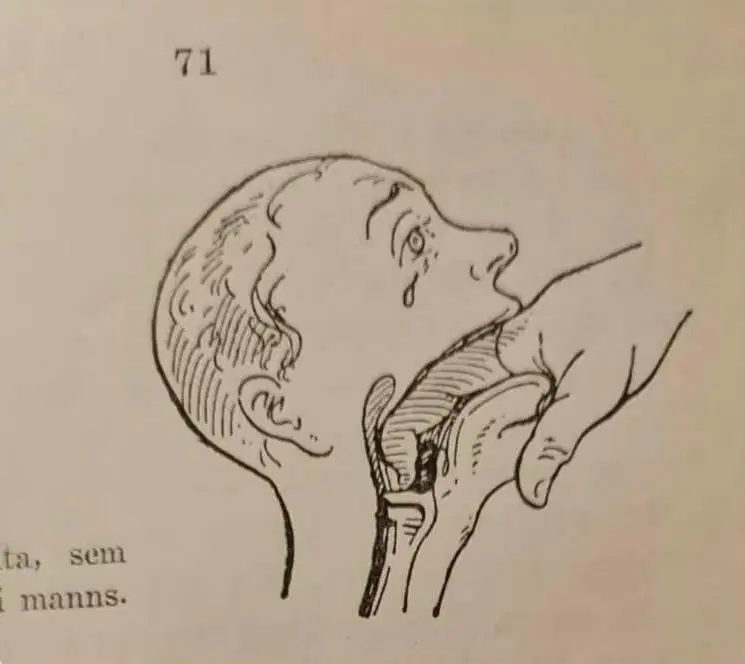
True or False
You should always perform a blind sweep when your choking patient becomes unresponsive?
TRUE
FALSE

Which of the following are common foods that people choke on ?
(Select all that apply)
Popcorn
Corn Kernels
Grapes
Hot dogs

