
 Worksheets
Final Exam Art 1
Total questions: 70
Worksheet time: 40mins
The primary colors are:
red, green, yellow
orange, purple, green
red, yellow, blue
yellow, purple and blue
When you mix a primary and a secondary color they create a:
primary color
secondary color
tertiary color
cool color
All of the following are considered cool colors except for:
green
red
blue
purple
Adding white to a color produces a ____of the color.
shade
tint
tone
split compliment
Adding black to a color produces a _____of the color.
tint
tone
shade
warm color
All of the following colors are warm colors except for:
blue-violet
orange
yellow
red-orange
How is a secondary color created?
Secondary colors are colors that are created by mixing two secondary colors together.
Secondary colors are colors that are created by mixing a primary color with a tertiary color.
Secondary colors are colors that are created by mixing a primary color with a neutral color.
Secondary colors are colors that are created by mixing two primary colors together.
How is a tertiary color created?
By mixing black and white
By mixing two secondary colors
By mixing a primary color with a secondary color
By mixing two primary colors
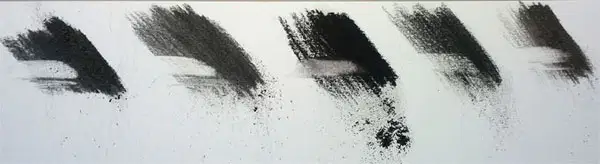
What type of charcoal would an artist select if they wanted to easily erase their lines?
VIne
Compressed
What is the definition of split complementary colors?
A set of three colors that includes a base color and two colors that are on either side of complement.
A set of three colors that are all warm or all cool.
A set of three colors that are opposite to each other on the color wheel.
A set of three colors that are all primary colors.
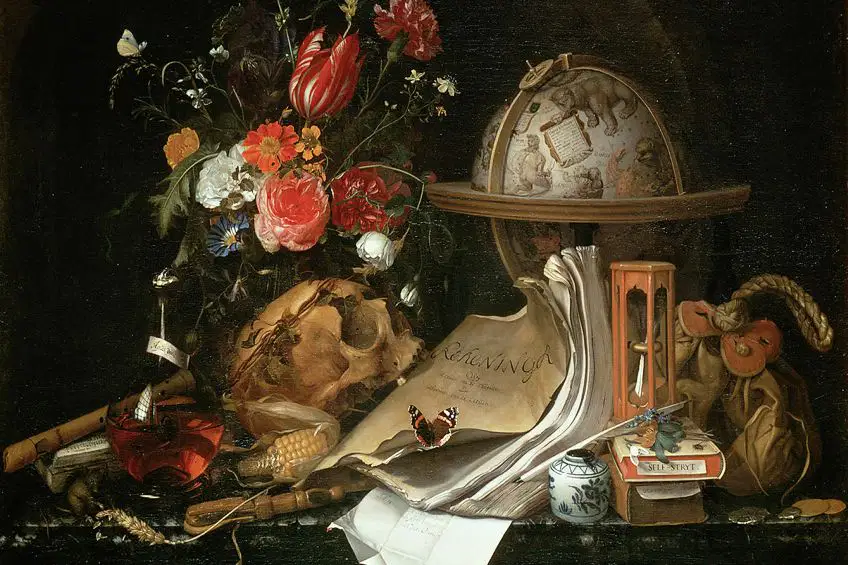
The still life paintings that depicted skulls, timepieces, and expensive objects functioned as a message. What was the message?
"Remember to enjoy your wealth"
"Remember that you will die"
"Remember your relatives"
Remember to pray"
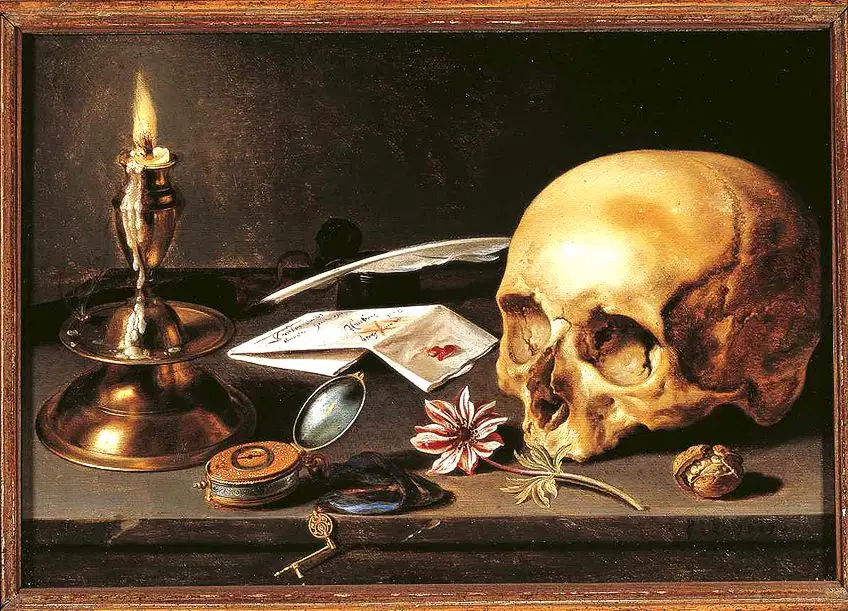
The history of still life painting is long. The Egyptians painted images food for their loved ones to take to the afterlife. During the 17th century, painters began painting skulls, time pieces, and riches in their still life artworks. These type of paintings were referred to as: *Check all that apply.
Chirascuro paintings
Vanitas paintings
Skeleton paintings
Memento mori paintings
The condition of lacking transparency is called opacity.
True
False
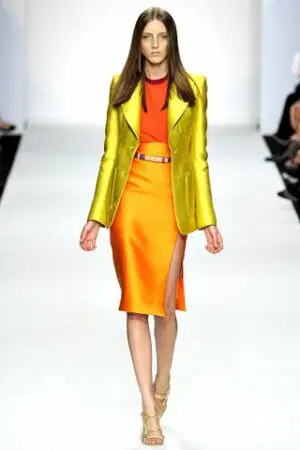
What color scheme is this women's outfit?
If an artist mixed blue and red together this would create a neutral color.
True
False
What color would you mix with yellow to create orange?
blue
purple
red
green
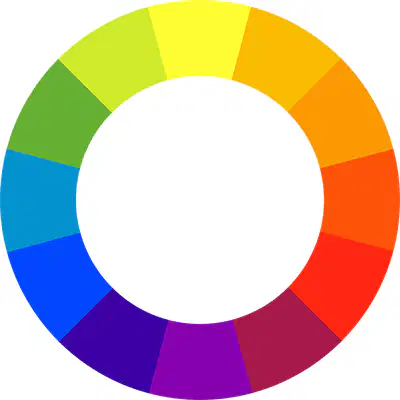
The split complementary color scheme is red, blue-green, and what would the third color in this split be?
yellow orange
yellow-green
red-violet
orange-red
Hue is another word for:
color
saturation
tint
shade
Who invented the color wheel?
Envato Elements
Sir Isaac Newton
Laura Keung
Graphic designers

Browns, creams, tans and grays fall into which color scheme?
analogous
monochromatic
neutral
split-complementary

Denise designed a bedroom in a color scheme that included orange, green and violet. Select the color scheme she used:
accented neutral
analogous
complementary
triadic

This painting is an example of what color scheme?
Complementary
Monochromatic
Neutral
Analogous

This is an example of what color scheme?
Analogous
Triad
Monochromatic
Complementary
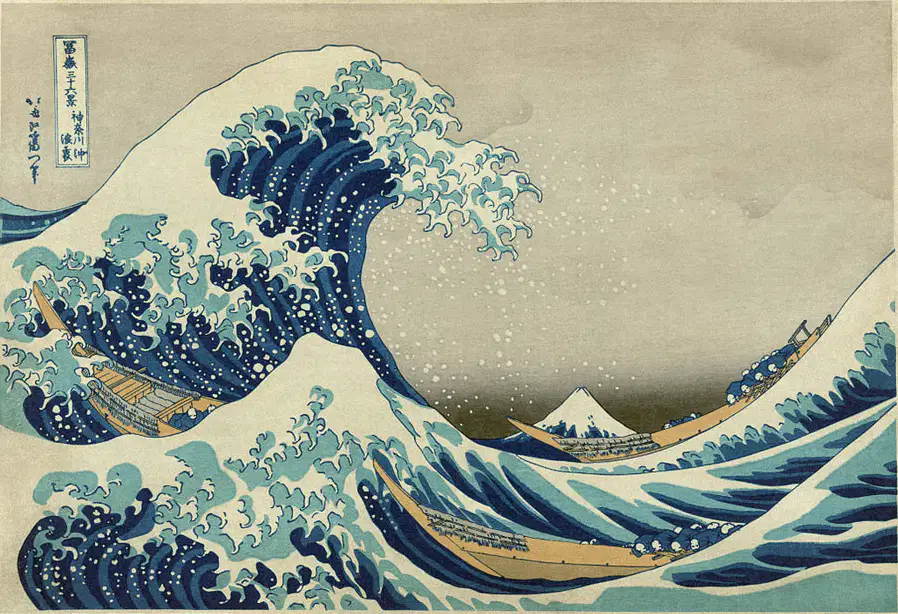
Is the artist using symmetrical or asymmetrical balance in this artwork?
symmetrical
asymmetrical

This is an example of a _____________ color scheme painting.
Complementary
Neutral
Primary
Analogous
What are the two types of shapes in art?
geometric shapes and organic shapes
primary shapes and secondary shapes
curved shapes and straight shapes
abstract shapes and realistic shapes
Which Element of Art refers to how things feel or look as if they might feel?
Color
Value
Texture
Space
Actual textures have surfaces you can feel.
True
False
How many elements of art are there?
5
7
9
4
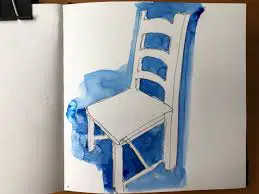
Identify the negative space in the image. Think back to the homework assignment...
The negative space on this painting of a chair is identified by the "empty" blue areas.
The negative space in this painting of a chair is the white chair.
When considering the element of art space there are several techniques one may employ. The overlapping technique is _______________
larger in size
smaller in size
medium in size
the same size
What is positive space in an artwork?t
the empty areas of an object

This term refers to the size relationships of one part to another.
Emphasis
Variety
Proportion
Balance

This Principle of Design refers to the quality of wholeness or oneness that is achieved through the effective use of the elements and principles of art.
Unity
Balance
Proportion
Rhythm
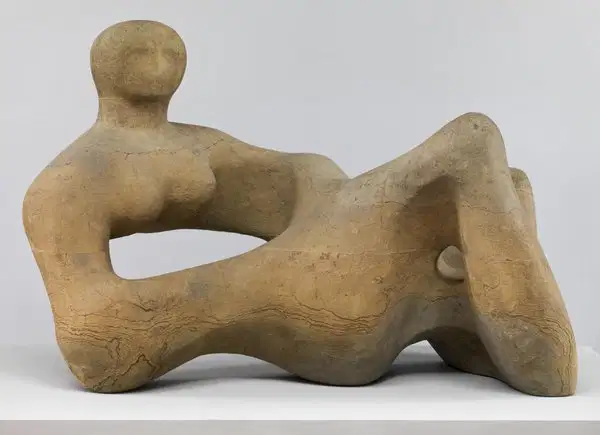
This Element of Art is the area between, around, above, below or within things.
Space
Line
Form
Value

Area in a work of art that catches and holds the viewer's attention.
pattern
unity
emphasis
balance

A Principle of Design that focuses on a repetition of elements is ________________.
Movement
Pattern
Unity
Proportion
Principles of Design
Elements of Art
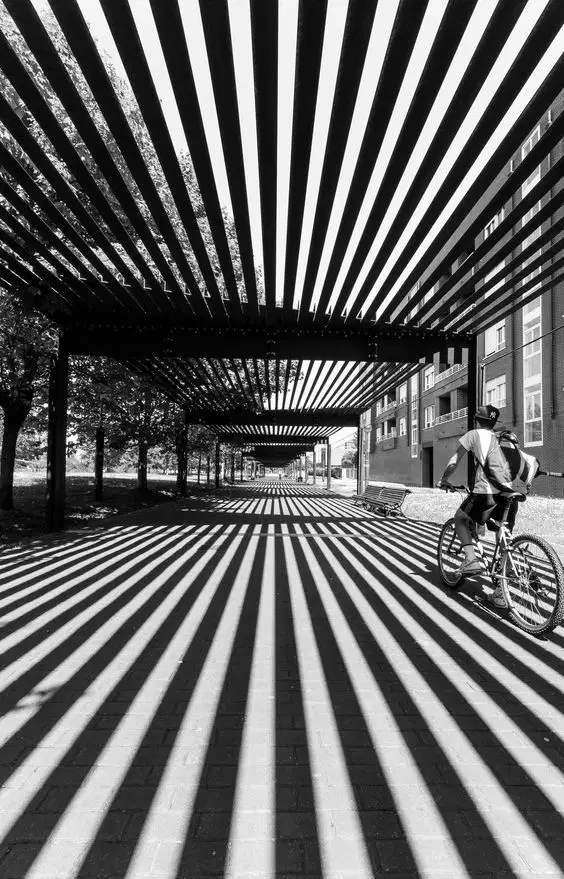
Contrast is an Element of Art.
True
False

Value is the...
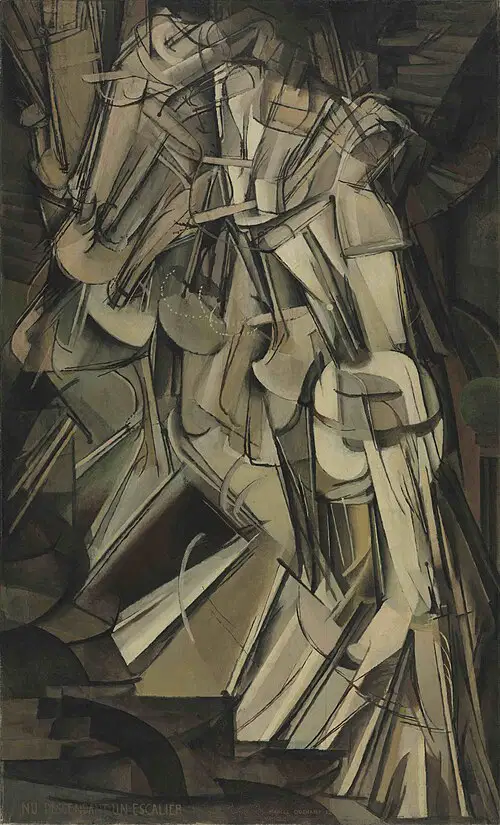
The Principle of Design that indicates movement by the repetition of elements.
Contrast
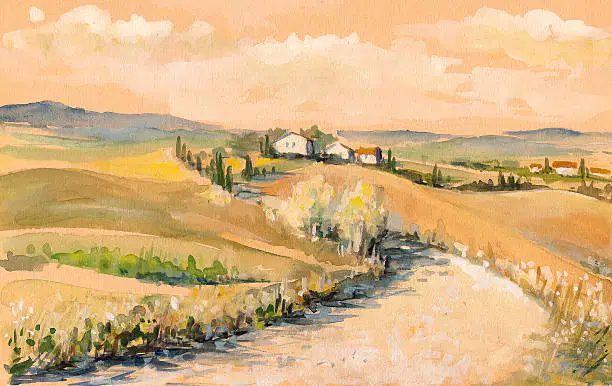
The houses are in the background of this composition.
True
False

What is in the middle ground of this image?
pebbles
ocean
sky & clouds
all of the above
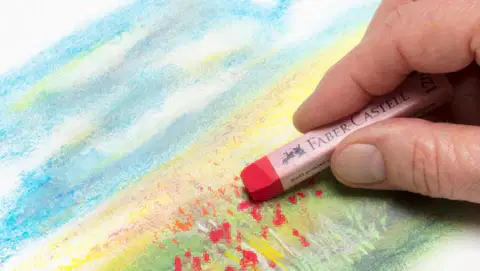
What chalk pastel technique is the artist using on the flowers in the foreground?
stippling
twist
side stroke
blending

What chalk pastel technique is shown in this image?
Side Stroke
Hatching
Cross-Hatching
Short Stroke

What chalk pastel technique is shown in this image?
Hatching
Short Stoke
Cross-Hatching
Side Stroke

What chalk pastel technique is shown in this image?
Hatching
Short Stroke
Twisting
Cross-Hatching

What chalk pastel technique is shown in this image?
Blending
Hatching
Twist
Pointillism (Stippling)

What chalk pastel technique is shown in this image?
Twist
Blending
Cross-Hatching
Side Stroke Layering
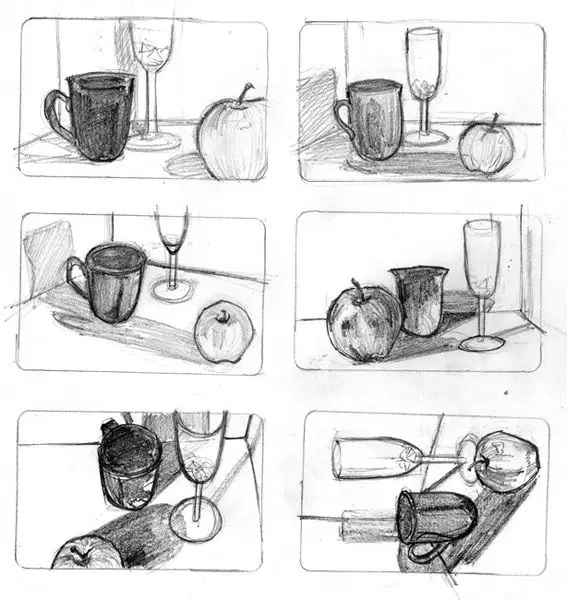
One purpose of drawing thumbnail sketches is to experiment with composition before progressing to a larger artwork. This allows the artist creativity and choice when composing their artwork.
True
False
After completing a chalk pastel painting it is wise to use___________in order to adhere the chalk to the paper to ensure permanence of the medium.
Fixative
Oil
Binder
Blotter
Which of the following is not an example of a technique used in pastel painting?
Stippling
Cross-hatching
Blending
Gesso

In the foreground of a painting, the details are more visible.
true
false

Is atmospheric perspective being used in this landscape painting by artist Vincent Van Gogh?
yes
no
Linear perspective is one of the techniques to use to create texture in a painting.
true
false

To begin a pastel painting, it enriches the painting to create an____________ using the ____ ______ pastel technique.
overpainting side-stroke technique
first layer, cross-hatch technique
underpainting, side stroke technique
underpainting, blending technique
The term, wet media includes charcoal, graphite and crayon.
True
False
Dry media can include: colored pencil, charcoal, graphite, and chalk pastel
True
False
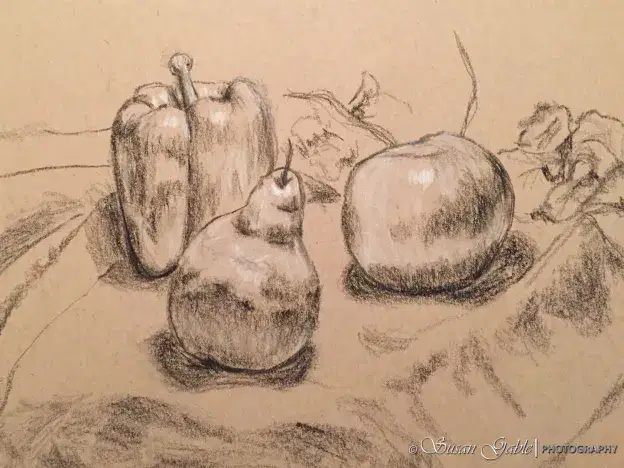
Toned paper is popular among
artists as a drawing paper. Why would an artist pick this type of paper for their artwork?
toned paper makes it easier to see a drawing
toned paper provides a mid-tone background that makes it easier find lights and darks
toned paper looks good
toned paper is similar to all other papers artists use
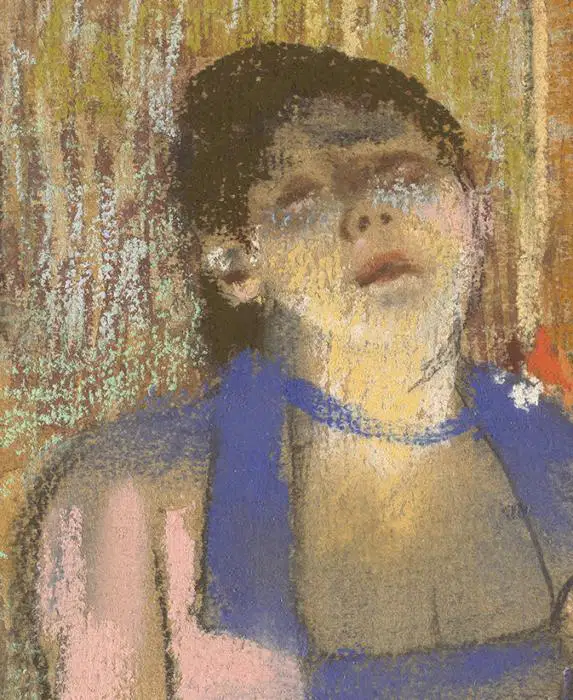
The pastel color that remained elusive for artist when they first began using them was: (think back to All Things Pastel assignment)
purple
yellow
blue
green

The term for the charcoal lines faded in the background of a drawing are called ghost lines.
True
False
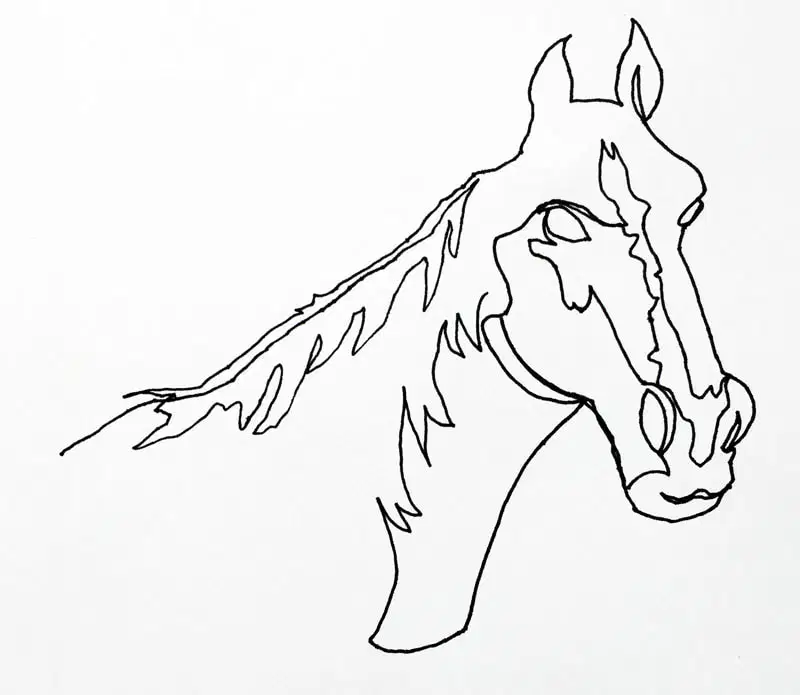
The artist clearly used a gestural line to study this horse.
True
False
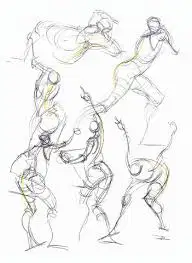
When drawing the figure in a timed 20 or 40-second gestural drawing what is the first thing the artist should pay attention to and draw?
nothing in particular, just start drawing
the person's face
how tall the person is
the longest "axis" line in the figure
The technique of modeling/shading of objects can create the illusion of:
depth and volume
shape
texture
color
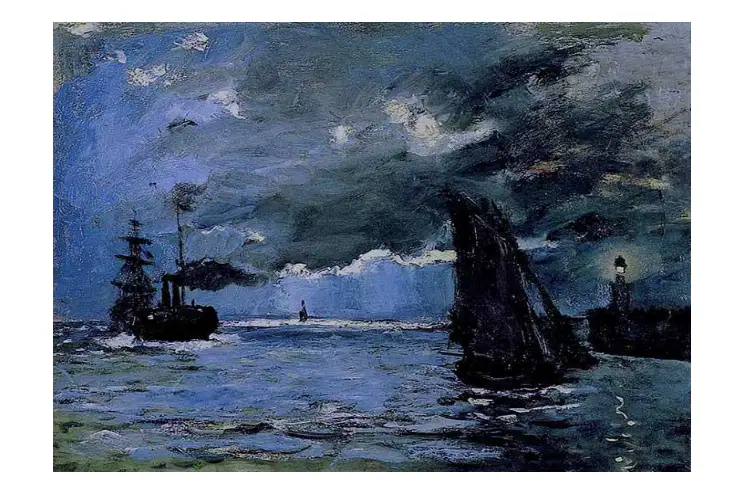
This painting by Claude Monet would be considered a high-key painting.
True
False

If writing a formal analysis of this painting, and writing about how the artist used the principles of design and elements of art, what element of art and principle of design would the writer select to discuss the bright red of the figure's sleeve?
color, emphasis
space, contrast
texture, unity
shape, emphasis

This interior designer selected tertiary colors: yellow-orange, blue-green and red-orange for the color scheme in this kitchen.
True
False

