
 Worksheets
2024 S1 Medical Foundations EOCA Review
Total questions: 51
Worksheet time: 31mins
What is the normal range for heart rate in adults?
50-90 beats per minute
70-120 beats per minute
40-80 beats per minute
60-100 beats per minute
What is the medical term for high blood pressure?
hypertension
hyperactivity
hypotension
hyperextension
What is the normal range for oxygen saturation in healthy individuals?
80% - 85%
90% - 95%
95% - 100%
105% - 110%
What is the term for abnormally low body temperature?
hypothermia
heatstroke
fever
hyperthermia
The systolic pressure measure the blood against the arteries when
The heart is relaxed
The heart is pumping
The client is active
None
Which artery is used to determine blood pressure (where we place our stethoscope)?
Brachial artery
Carotid artery
Femoral artery
Radial artery
Breath normally and count the number of breaths taken for one minute is the process of finding what vital sign?
Body temperature
Pulse rate
Respiration rate
Blood pressure
What does sublingual refer to?
Placed under the Tongue
Dry
Cancerous
Tumor
You notice that blood has soaked through the dressing and bandage. You would do this first:
elevate the body part above the heart level
apply another dressing and bandage over the top of the first one
remove the bandage and dressing and start over
tie a tourniquet
The classic signs and symptoms of inflammation include all of the following except:
decreased blood flow
You found someone who sprained their ankle and needs your help, what kind of first aid can you provide:
Ice
tourniquet
Epi-pen
Heat
Symptoms of a heart attack include


All of the above
Which of the following is NOT a sign or symptom of a stroke?
Paralysis on one side of the body
Severe headache
Excessive sweating
Loss of balance or coordination

What sign of stroke is seen here?
facial droop
hemiparalysis
aphasia
polydipsia
Medical term for Stroke:
Myocardial Infarction
Syncope
Cardiac Arrest
Cerebral Vascular Accident
What are the signs and symptoms of anaphylaxis?
Difficulty breathing, hives, swelling of the face, throat tightness, rapid pulse, nausea, vomiting, dizziness
Muscle weakness, blurred vision, confusion
Runny nose, cough, sore throat
Fever, chills, joint pain
After checking the scene is safe, what come next?
Call 911
Start Compressions
Use the AED
Check for Responsiveness
What ratio for compressions to breaths should be used for CPR?
Give 5 compressions to 1 breath
Give 15 compressions to 2 breaths
Give 20 compressions to 2 breaths
Give 30 compressions to 2 breaths
Which of these maneuvers is used to attempt to open up the patient's airway to perform rescue breathing in CPR?
Head tilt
head tilt-chin lift maneuver
Chin lift
Neck extension
The recommended method for opening the airway of a patient with a possible neck or spine injury is the __________ maneuver.
jaw-thrust
mouth-to-nose
abdominal thrust
head-tilt/chin-lift
A myocardial infarction is the same as a heart attack?
True
False
Which of the following is a classic symptom of asthma in children?
Frequent urination
Wheezing
Rash
Diarrhea
The circulatory system is responsible for
delivering nutrients to, and removing wastes from, the cells of the body
the breaking down of food into nutrients usable by the body
the exchange of gases in the body
producing hormones to regulate body functions
Sudoriferous Glands refer to
Exocrine glands
Oil glands
Sweat glands
Hair glands
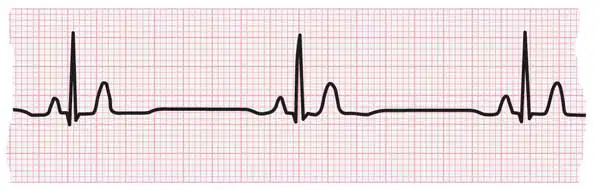
Condition of having a slow heartbeat
Bradycardia
Cardiomyopathy
Tachycardia
Regurgitation
What is the normal range for systolic blood pressure according to the American College of Cardiology?
Less than 120
120 to 129
130 to 139
Greater than 140
What is the normal range for diastolic blood pressure according to the American College of Cardiology?
Less than 80
80 to 89
90 to 99
Greater than 100
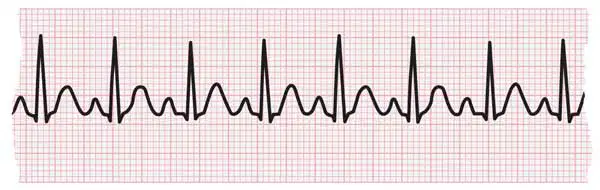
Abnormally fast heart beat
Bradycardia
Murmur
Palpitations
Tachycardia

Treatment for Shock-Keep them lying down on their back with their feet raised about a foot higher than their ___________.
knees
head
arms
chest
A condition that occurs in individuals with diabetes when there is an excess amount of insulin and a low level of glucose (sugar) in the blood is known as:
diaphoresis
diabetic coma
insulin shock
Diabetic Coma develops quickly
True
False
When someone has heat stroke, the person
continues to sweat and the skin is probably wet and clammy
has a body temperature is dangerously high
is hungry
goes tot the movies

Identify the soft tissue injury
Puncture
Laceration
Bursitis
Incision
Splint one joint above and one below ______.
fracture
sprain
bruise
cut
Which victim would you treat first in an emergency situation?
Unresponsive victim
Victim who is dizzy
Victim with a fracture
victim with chest pain
Early defibrillation is a link in the adult Chain of Survival. Why is this important to survival?
It prevents respiratory arrest.
It prevents cardiac arrest.
It provides normal respiration.
It eliminates the abnormal heart rhythm.
All of these are symptoms of a seizure EXCEPT...
Muscle stiffness
Uncontrollable jerking
Cold sweats
Loss of consciousness

What is the primary use of the device shown in the image?
Measuring blood pressure
Administering insulin
Treating anaphylactic reactions
Relieving asthma symptoms
What is the primary function of arteries?
Transport blood away from the heart to all body parts
Return blood from all body parts to the heart
Permit the exchange of nutrients and waste products between the blood and the cells
Pump blood into the veins

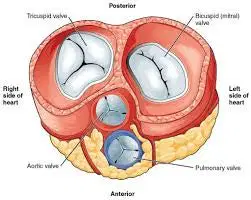
The valve that separates the right atrium and right ventricle is the _______________.
Tricuspid valve
Bicuspid valve
Pulmonary valve
Aortic valve

What part of the heart is A pointing to?
aorta
right ventricle
left atrium
inferior vena cava
What part of the heart is F pointing to?
right atrium
right ventricle
left atrium
left ventricle
What part of the heart is G pointing to?
inferior vena cava
superior vena cava
aorta
left ventricle
Which part of the human respiratory system is primarily responsible for the exchange of gases?
Trachea
Bronchi
Alveoli
Larynx

What is part 9?
Left Bronchus
Right Bronchus
Pharynx
Trachea

What is this?
Right Lung
Bronchial Tubes
Sacs

What layer of skin is this
Melanin
epidermis
dermis
hypodermis

Cool the burn immediately using cool water
What is the proper application of a tourniquet?
Loosen it to allow more bleeding
Tighten it 2-3 inches above the injury until the bleeding stops
Tighten it around the neck
Apply it directly on the injury

