
 Worksheets
Applied Mechanics 1-50
Total questions: 50
Worksheet time: 25mins
Theoretical mechanics is a science:
on the general laws of mechanical motion and equilibrium of material bodies;
on the general laws of fluid and gas;
about strength, stability, rigidity;
on the most general laws of motion and interaction of planets, as well as natural phenomena;
in which constraints are studied;
Statics is the branch of theoretical mechanics which focuses:
on the equilibrium of material bodies (particles) under the action of forces (moments of force);
on the study of reaction force of constraints;
on the study of rigid body motion with respect to moving frame;
on the study of constraints;
on the general laws of fluid and gas;
Two forces can be in equilibrium, if they are equal in magnitude, opposite in direction and collinear in action.
Law of equilibrium of two forces;
Triangle law of forces;
Law of superposition;
Theorem of transmissibility of a force;
Law of action and reaction;
The point of application of a force may be transmitted along its line of action without changing the effect of the force on any rigid body to which it may be applied.
Theorem of transmissibility of a force;
Law of action and reaction;
Law of superposition;
Law of equilibrium of two forces;
Triangle law of forces;
Force is defined by:
its magnitude, its direction, its point of application;
its weight;
its direction;
its magnitude;
its resultant;
What is called force?
measure of interaction of bodies;
movement of bodies;
measure of weight;
measure of gravity;
mechanical action;
Parallelogram law of forces states that if two forces acting simultaneously at a point be represented in magnitude and direction by two adjacent sides of a parallelogram, their resultant may be represented in magnitude and direction by:
diagonal of the parallelogram which passes through their points of intersection;
diagonal of the parallelogram which does not pass through their points of intersection;
shorter side of the other two sides;
longer side of the other two sides;
none of the above;
If two forces acting simultaneously on a particle represented by the two sides of a triangle (in magnitude and direction) taken in order then their resultant is represented by the third side (closing side) taken in an opposite order.
Triangle law of forces;
Law of superposition;
Theorem of transmissibility of a force;
Law of action and reaction;
Law of equilibrium of two forces;
The action of a given system of forces on a rigid body will no way be changed if we add to or subtract from them another system of forces in equilibrium.
Law of superposition;
Triangle law of forces;
Law of action and reaction;
Law of equilibrium of two forces;
Theorem of transmissibility of a force;
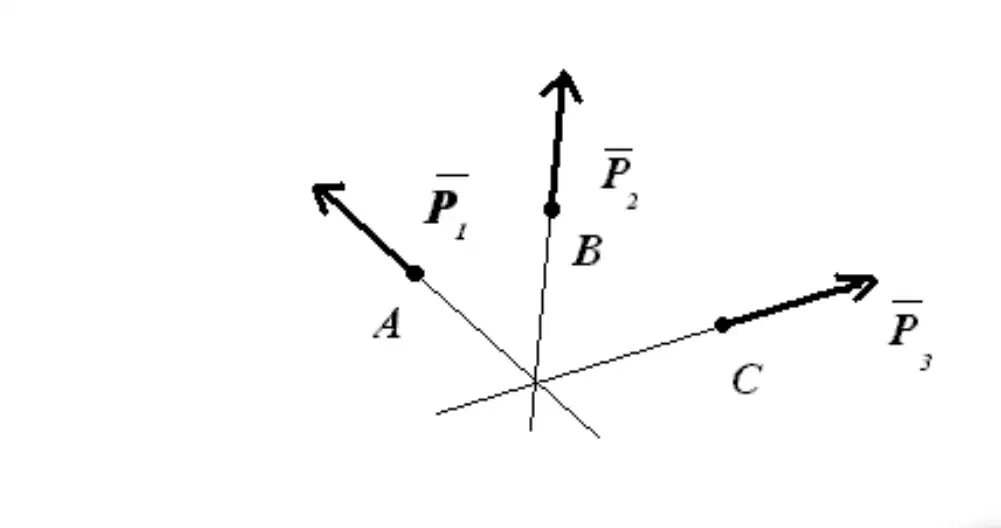
The figure shows:
concurrent force system;
parallel force system;
coplanar force system;
reaction force of constraints;
arbitrary force system;
At what force transfer the action of the forces to absolute rigid body changes?:
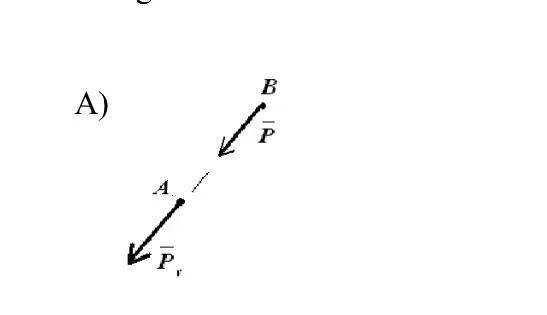
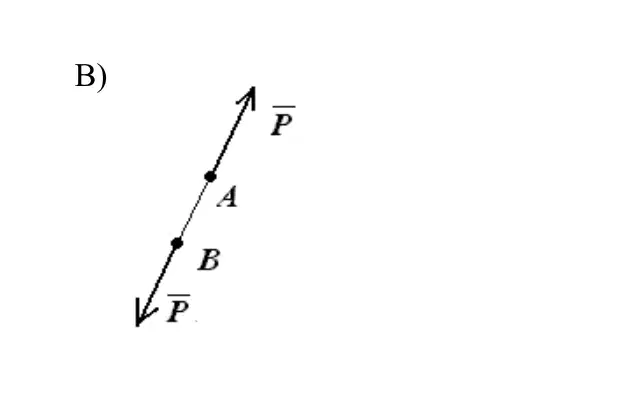
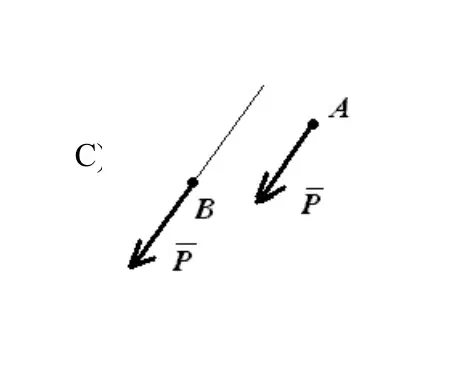

arbitrary force system;
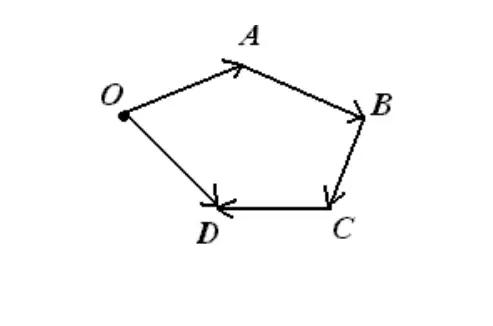
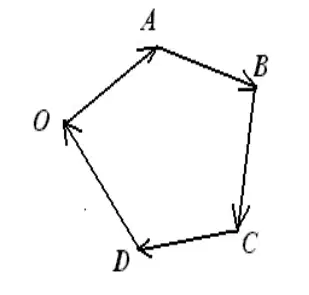
Which vector represents the resultant force in the polygon of forces?
OD
AB
BC
OA
DC
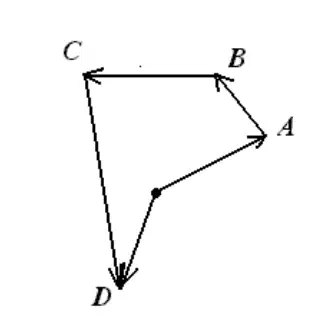
What polygon forms an equivalent system of forces:
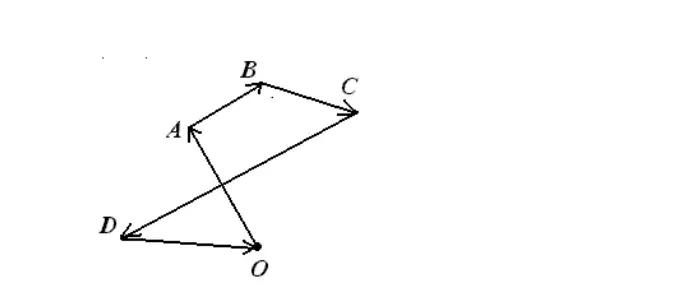
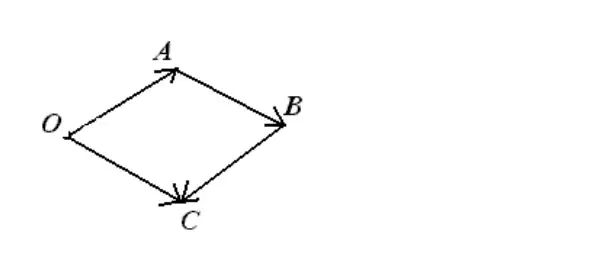
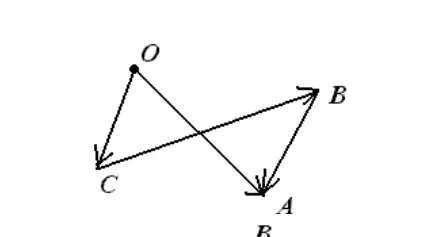
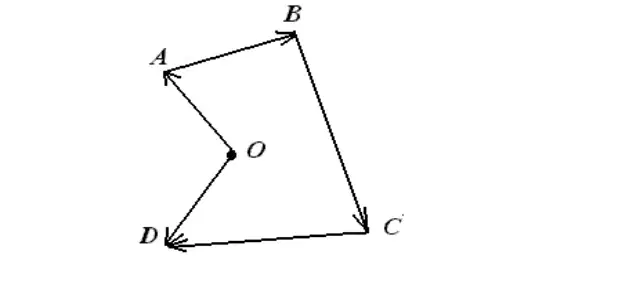
arbitrary force system;
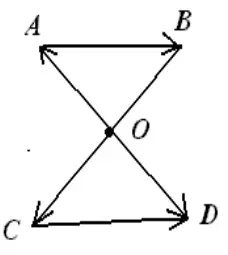
What figure depicts a couple of forces?
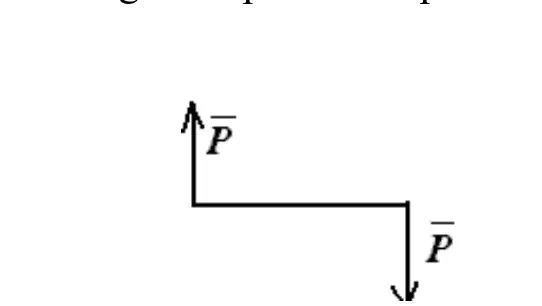
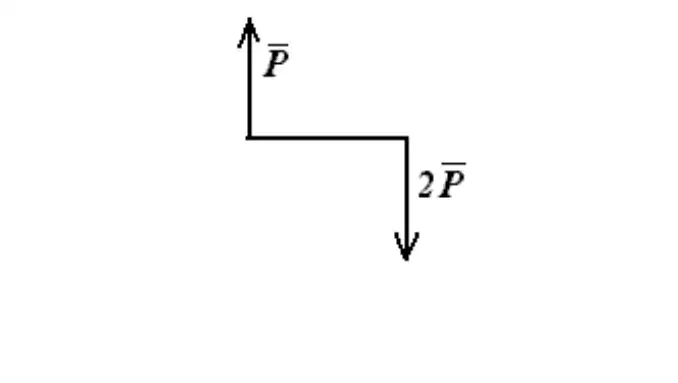
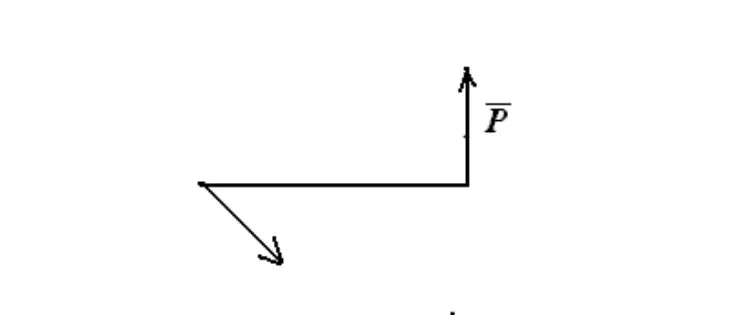
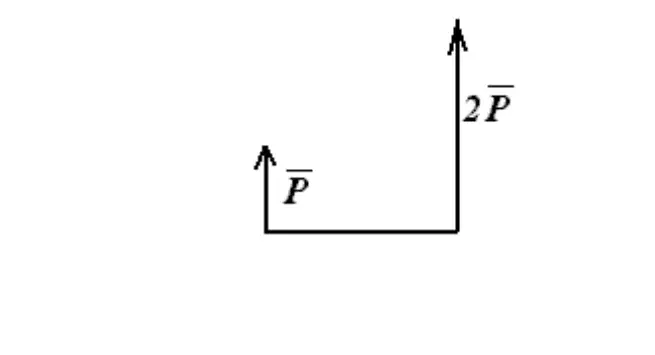
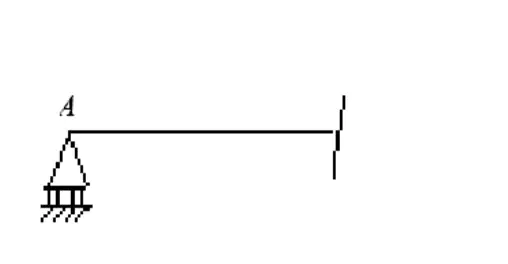
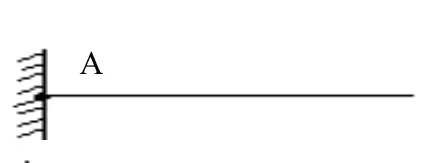
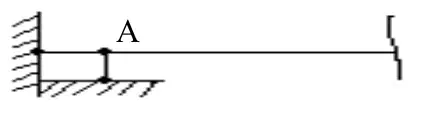
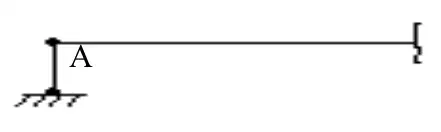
Specify the sliding support:
Specify the sliding support:

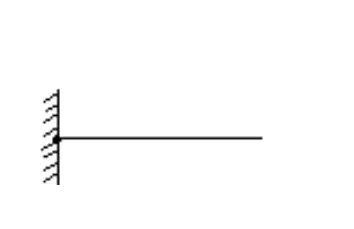
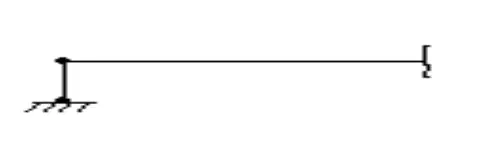
Specify the rigid pin support:

arbitrary force system;
Specify the bricking up:
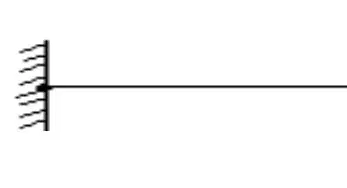
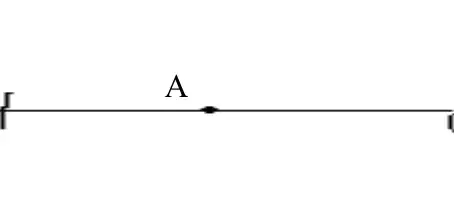
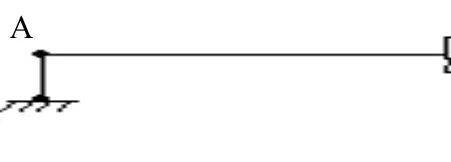
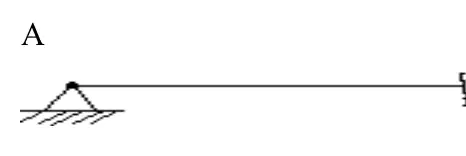
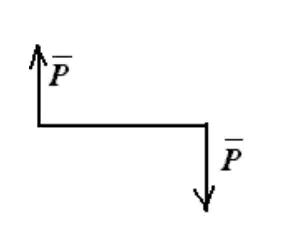
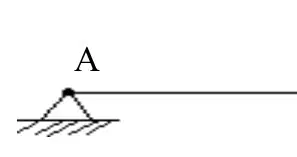
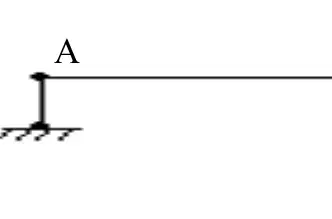
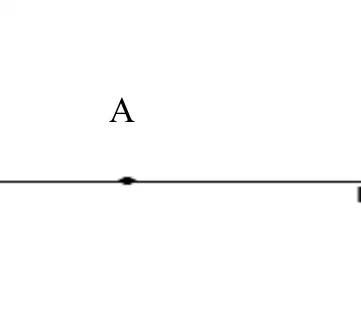
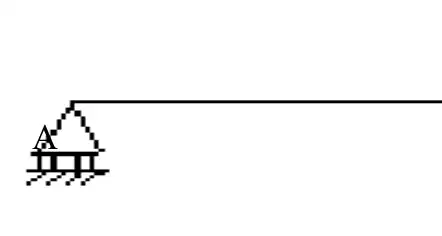
What kind of support generates two unknown reactions?

The force that cancels the effect of the force system acting on the body is known as:
equilibrant;
resultant;
neutral force;
balancing force;
couple of forces;
The magnitude of moment of forces is equal to:
force multiplied by arm of forces;
the arm of forces;
the force direction;
couple of forces;
force multiplied by distance;
Why is force a vector quantity?
Because it has a point of application, magnitude and direction;
Because it's very big;
Because, it is algebraically undefinable;
Because, it determines velocity;
Because, it determines acceleration;
A rigid body is:
the one in which the distance between any two arbitrary points is invariant;
a point mass or a material point;
the quantity of matter in a body;
the measure of sequence of events;
the geometric region occupied by bodies;
A particle is:
a point mass or a material point;
the one in which the distance between any two arbitrary points is invariant;
the measure of sequence of events;
the geometric region occupied by bodies;
the quantity of matter in a body;
A space is:
the geometric region occupied by bodies;
the quantity of matter in a body;
the measure of sequence of events;
the one in which the distance between any two arbitrary points is invariant;
a point mass or a material point;
A mass is:
the quantity of matter in a body;
the geometric region occupied by bodies;
a point mass or a material point;
the one in which the distance between any two arbitrary points is invariant;
the measure of sequence of events;
A time is:
the measure of sequence of events;
the one in which the distance between any two arbitrary points is invariant;
a point mass or a material point;
the geometric region occupied by bodies;
the quantity of matter in a body;
There are forces depending on time:
dynamical;
distributed;
concentrated;
volumetric;
equilibrant;
The external forces are:
active forces and reaction forces in constraints;
distributed forces;
concentrated forces;
volumetric forces;
equilibrant forces;
Lines of action of all forces pass through a common point:
concurrent forces;
collinear forces;
coplanar forces;
couple of forces;
concurrent coplanar forces;
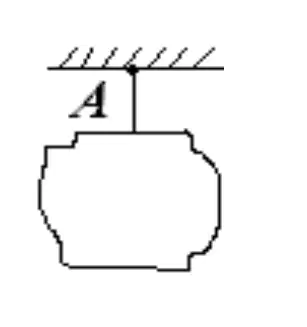
What kind of constraint:
ideal cable, bar, wire;
plane;
sliding support;
bricking up;
true plane surface;
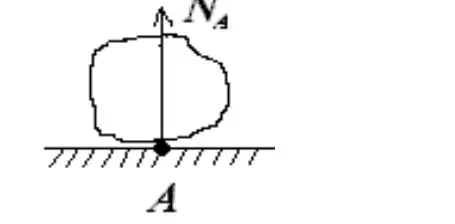
What kind of constraint:
flat surface;
plane;
sliding support;
bricking up;
true plane surface;
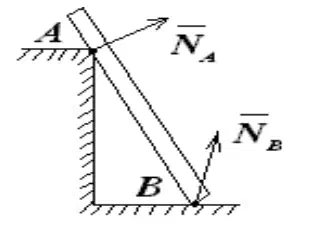
What kind of constraint:
true plane surface;
plane;
sliding support;
bricking up;
flat surface;
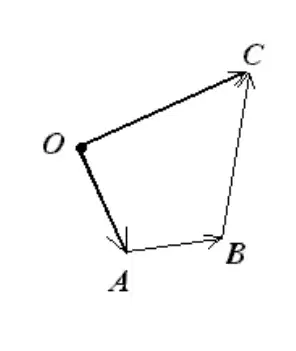
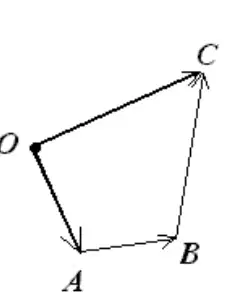
Which vector represents the resultant force in the polygon of forces?
OC
OA
AB
BC
CO
What polygon forms an equivalent system of forces:
80 кН
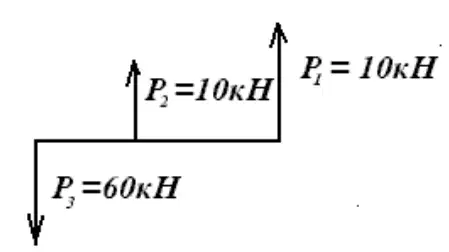
Find the resultant force:
-40кН
30кН
60кН
40кН
80кН
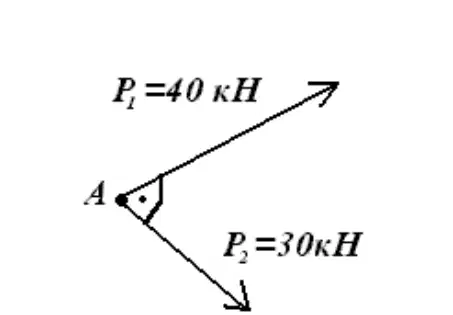
Find the resultant force:
50кН
80кН
10кН
70кН
-70кН
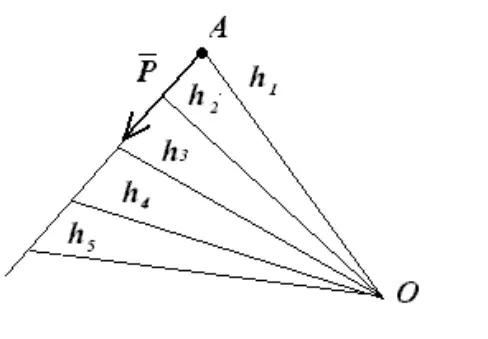
Find the moment of the force:
Mo ph3
M0 ph1
M0 ph2
M0 ph4
M0 ph5
The arm of force is:
the shortest distance from point to force;
the distance between point and force;
the distance from axis to point;
projection of forces;
perpendicular of forces;
The moment of force is '+' positive, if it is:
counterclockwise;
clockwise;
along the axis х;
along the axis y;
along the axis z;
The moment of force is '-' negative, if it is:
counterclockwise;
по оси x along the axis х;
along the axis y;
along the axis z;
clockwise;
Any set of material points is a:
mechanical system;
plane;
line;
reference frame;
rigid body;
When the deformation of the body is not taken into account:
when calculating the equilibrium;
when calculating the strength;
when calculating the stiffness;
when calculating the resistance;
when determining the motion;
The coefficient of rolling friction:
k
f
g
ξ
β
The coefficient of sliding friction:
f
k
g
ξ
β
The main task of statics:
determine the conditions of equilibrium of forces;
determine the forces;
determine the reaction forces in constraints;
find the resultant force;
determine a rigid body;
The main task of kinematics:
establish the law of mechanical motion;
determine the translational motion;
determine the rotational motion;
determine the plane-parallel motion;
determine the combined motion;
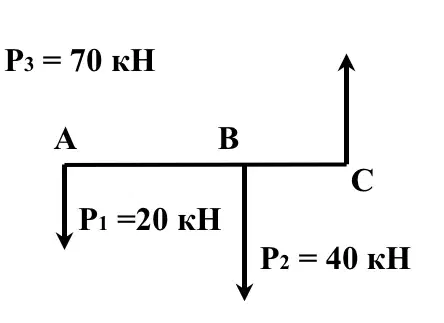
Find the resultant force:
R= 10кН
R=-40кН
R=-30кН
R=50кН
R=30кН
Specify the force in the figure:
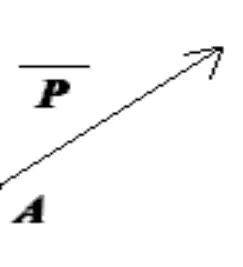
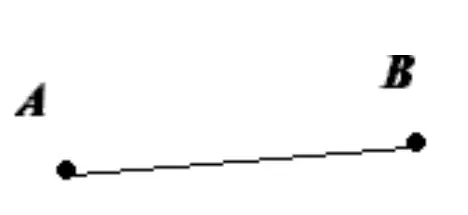
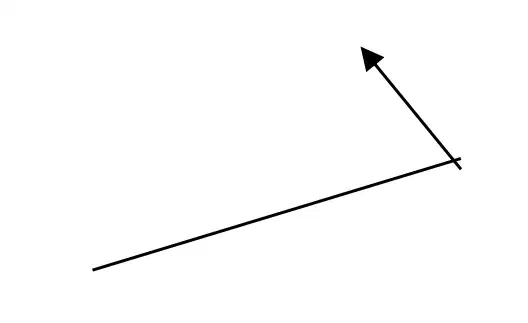
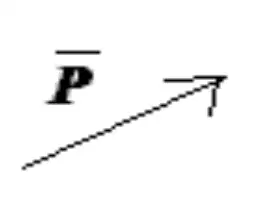
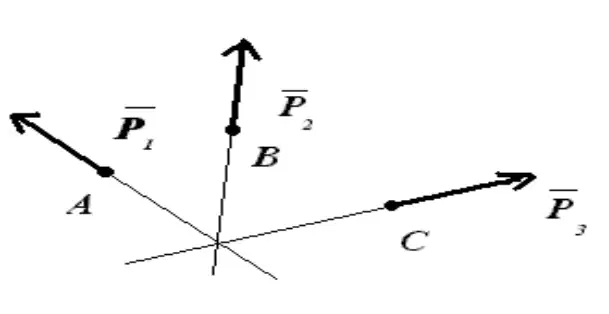
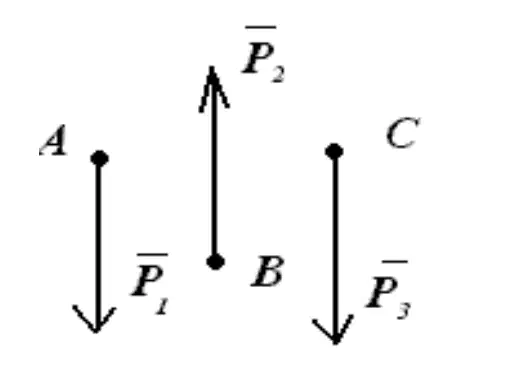
The figure shows:
parallel force system;
concurrent force system;
coplanar force system;
reaction force of constraints
arbitrary force system;
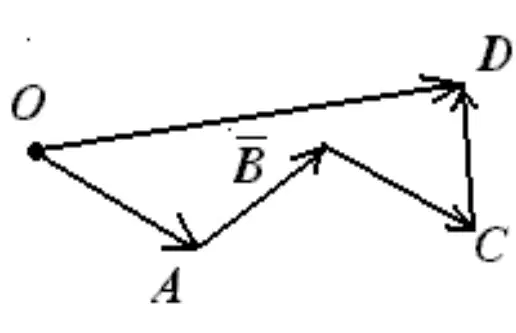
Which vector represents the resultant force in the polygon of forces?
OD
AB
BC
OA
DC

