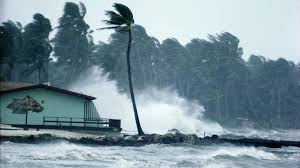
Worksheets
Weather Hazards
Total questions: 51
Worksheet time: 2hrs 20mins
A _____________ is a disturbance in the atmosphere that causes large amounts of wind.
storm
weather
flood
What can cause floods?
little rain
heavy rains
What is a hurricane?
a high impact.
a large storm that forms over an ocean with strong winds and a lot of rain.
overflow of water.
Pick two reasons why a storm can have a big impact.
It can cause floods that cause damage.
It can cause a very sunny day so stay inside.
It can cause a volcano to erupt with lava.
It can cause strong winds.

How can we reduce the impact of a hurricane?
flood walls made with sandbags.
a net to catch water.
boards to protect windows.
by being outside with a bucket to collect water.
Which one is not a severe weather?
Blizzard
Thunderstorm
Sunny
Hurricane
Which is a funnel cloud that causes damage on land?
hurricane
thunderstorm
cloud
tornado

Sand and dust storms occur in _____ environments.
warm
dry
cold
wet

Storms with high winds and heavy rain that form over warm ocean waters called
tornadoes
droughts
hurricanes
blizzards

What is a drought?
an extreme storm.
an overflow of water.
a long, dry period of weather with little or no rain.
Which answer choice best describes a thunderstorm?
a rain shower that lasts a few minutes
a swirling cloud of dust and wind
storm with thunder, lightning, heavy rain, and strong winds
a strong windstorm that travels over a long distance

12. A large area is flooded after a storm. What likely caused the flood? (3-ESS3-1)
Large hail
Heavy rains
Low temperature
High temperature

To stay safe during a hurricane, you should _________ and _________.
Board up the windows and stay inside.
Get your boots and jump in the rain.
Call a friend and have a sleep over.
Install a lightning rod and find shelter.
Which are 2 hazardous or extreme storms?
tornado
earthquake
flood
thunderstorm
Which are 2 hazardous or extreme storms?
tornado
earthquake
flood
thunderstorm

A ____________ is a large, funnel shaped mass of swirling wind formed over land.
hurricane
tornado
thunderstorm
earthquake
What is a drought?
an extreme storm.
an overflow of water.
a long, dry period of weather with little or no rain.
What is a drought?
an extreme storm.
an overflow of water.
a long, dry period of weather with little or no rain.
Storms with high winds and heavy rain that form over warm ocean waters called
tornadoes
droughts
hurricanes
blizzards

A funnel-shaped wind storm that
reach from clouds all the way to the ground.
hurricane
tsunami
volcano
tornado
What is the difference between tornado and hurricane ?
Hurricane has lots of winds
They are both storms
Tornado has funnel-shaped
Tornado can destroy houses.

A long period of very dry weather.
drought
flood
earthquake
volcano
Which natural hazard often causes another natural hazard?
An earthquake often causes a drought.
A forest fire often causes a flood.
A tornado often causes a hurricane.
A hurricane often causes a flood.
A _______________ protects buildings and structures from lightning strikes.
levee
lightning rod
floodwall
A_______________ is a temporary wall built to prevent flooding in an area.
Levee
Lightning Rod
Floodwall
A large storm that forms over an ocean is called a _____.
Tornado
Hurricane
Thunderstorm
Tsunami
Storms with high winds and heavy rain that form over warm ocean waters called
tornadoes
droughts
hurricanes
blizzards
What is a drought?
an extreme storm.
an overflow of water.
a long, dry period of weather with little or no rain.
Which answer choice best describes a thunderstorm?
a rain shower that lasts a few minutes
a swirling cloud of dust and wind
storm with thunder, lightning, heavy rain, and strong winds
a strong windstorm that travels over a long distance
12. A large area is flooded after a storm. What likely caused the flood? (3-ESS3-1)
Large hail
Heavy rains
Low temperature
High temperature
A _____________ is a disturbance in the atmosphere that causes large amounts of wind.
storm
hazard
weather
flood
Which one is one of the largest and strongest types of storms?
hurricane
lava
earthquake
tornado
A ____________ is a large, funnel shaped mass of swirling wind formed over land.
hurricane
tornado
thunderstorm
earthquake

Hazardous weather is ______ weather
Normal
Dangerous
Hazardous weather is ______ weather
Normal
Dangerous
The process in which wind, moving water, and ice move rocks and soil is called
Weathering
Erosion
Deposition

If the National Weather Service has issued a hurricane warning. What kind of hazards you should prepare for? Select the two that apply. a. heavy snow c. heavy rain b. heavy winds d. earthquakes
heavy snow
heavy rain
heavy winds
earthquakes

...................................................... is the flow of water over land that is not normally covered with water.
Flood
Drought
Blizzard
Landslide

.................................... is a long period of a very dry weather.
Flood
Drought
avalanche
landslide
This happens during heavy rains when rivers overflow, ocean waves come on shore, snow melts too fast, or levees break.
Hurricanes
Floods
Tsunamis

Natural hazards are something most people experience at some time in their life. Engineers work to develop and improve techniques and materials that make the impact of natural disasters less severe.
An engineering team has included design features in the plan for this building to reduce the impact of an earthquake.
The diagram shows a building that is on support stilts.
The support stilts are most likely designed to protect the building from ___________________________.
flooding
wildfires
drought
avalanches

What does Figure 2 represent?
Flood
Drought
Avalanche
What does Figure 1 represent?
Flood
Drought
Avalanche

Water can wash away sand. If the sand is protected in bags, the sand can provide a barrier against moving water. The sandbags placed in front of the house will most likely prevent____.
Avalanches
Flooding
Sunlight
Drought
The sandbags will be able to prevent ____ from entering the building.
Water
Avalanches
Plants
Sunlight

The wall shown in the picture will most likely protect the house from a weather hazard known as
avalanche
drought
flood
landslide
Select the house that represents the best method of flood protection.


What is the calm center of a hurricane called?
funnel cloud
downburst
eyewall
eye
This happens during heavy rains when rivers overflow, ocean waves come on shore, snow melts too fast, or levees break.
Hurricanes
Floods
Tsunamis

What is the feature marked with a red arrow?
The eye
Thunderhead
Storm surge
Heavy rainfall