
 Worksheets
Connective & Vascular Tissue
Total questions: 23
Worksheet time: 23mins
These tissues perform connective and supportive functions: giving form to and anchoring the organs of the body.
(a)
Binds structures together (e.g., muscles to muscles, skin to underlying tissues). Contains fibroblasts that produce fibers and matrix, and immune cells.
(a)
Withstands tension in structures like tendons (connecting muscles to bones) and ligaments (connecting bones to bones).
(a)
Rich in collagen fibers for flexibility and resistance to stretching.
(a)
Contain a higher proportion of elastic fibers for greater stretch.
(a)
Stores energy as fat, provides cushioning, and insulates the body.
(a)
Rubbery connective tissue found in vertebrate skeletons. Types include elastic cartilage (e.g., external ear), fibrocartilage (e.g., intervertebral discs), and hyaline cartilage (most common, involved in bone development).
(a)
Hard connective tissue providing rigid support. Contains a matrix with collagen fibers and calcium salts.
(a)
Contained in blood vessels and composed of erythrocytes (red blood cells), leukocytes (white blood cells), and platelets.
(a)
___Make up ___% of blood volume.
(a)
Fight Infections.
(a)
Composed of leukocytes in
lymphatic vessels.
(a)
The liquid matrix of blood
and lymph.
(a)
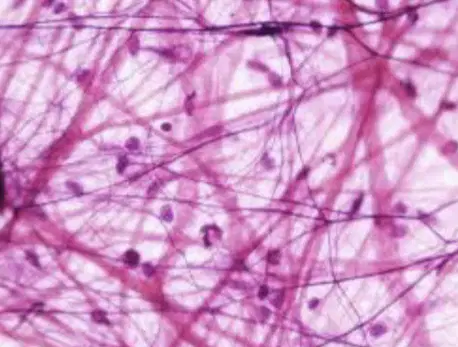
Guess the picture.
(a)
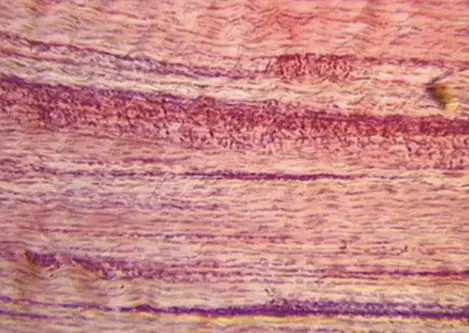
Guess the picture
(a)
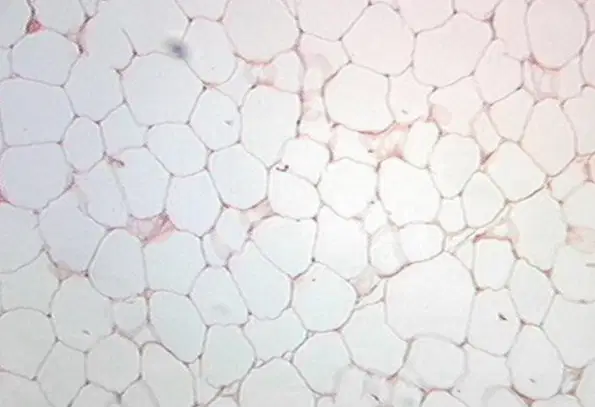
Guess the picture
(a)
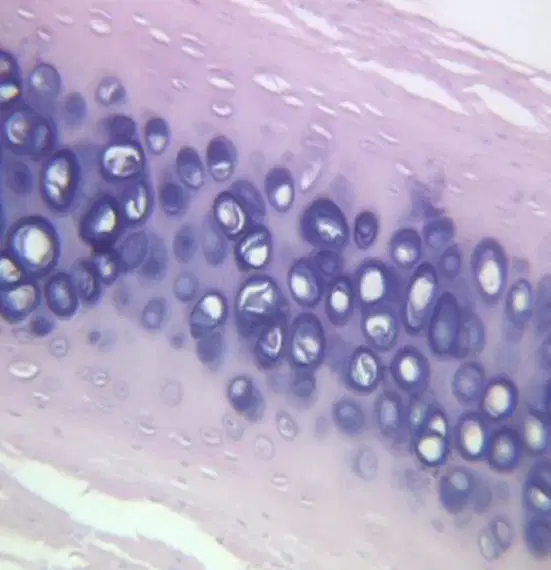
Guess the picture
(a)

Guess the picture
(a)
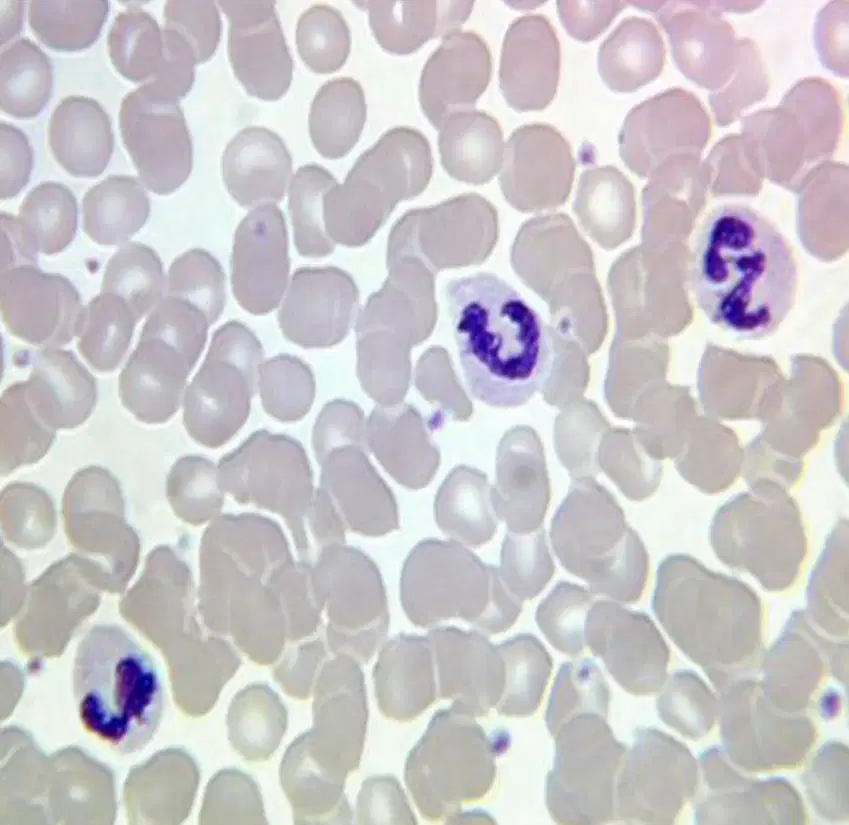
Guess the picture
(a)
such as that making up the support of the
external ear
(a)
makes up the intervertebral discs
(a)
the most common form of cartilage and the form which is involved in embryological modeling and is replaced by bone.
(a)
Involved in blood
clotting.
(a)

