
 Worksheets
History Quiz
Total questions: 40
Worksheet time: 20mins
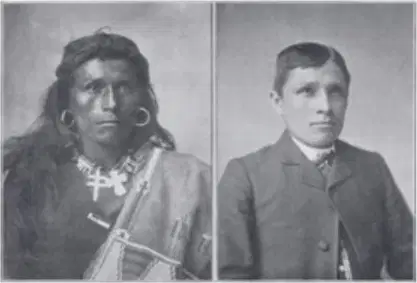
These photographs are of the same student at Carlisle Indian School during the late nineteenth century. Which word best explains the changes in these photographs?
Immigration
Assimilation
Nullification
Nativism
How did the Zimmerman telegram influence U.S. entry into World War I?
It announced the czar's overthrow in Russia
It revealed a proposed military alliance between Mexico and Germany
It contained orders for German U-boats to destroy British passenger ships
It described Romania's plan to abandon neutrality
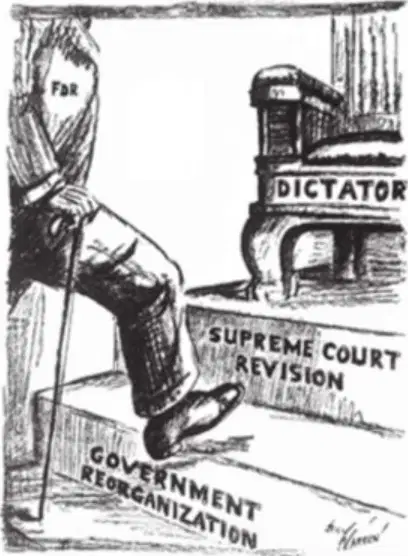
The creator of this political cartoon was expressing his concerns about —
the Senate confirmation hearings of Supreme Court nominee Clarence Thomas
the U.S. declaration of war on Japan after the bombing of Pearl Harbor
the expansion of executive power during the Great Depression
the involvement of U.S. government officials in the Iran-Contra scandal
Which document imposed punishments on Germany after World War I?
Roosevelt's Big Stick Policy
Fourteen Points
Open Door Policy
Treaty of Versailles
During the Gilded Age there was a notable increase in federal support for -
the growth of big business
Response involvement in foreign wars
the acquisition of foreign territories
increased temperance regulations
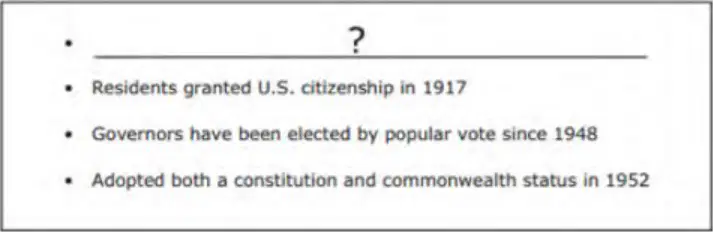
Which of the following best replaces the question mark in this list of information about Puerto Rico?
Became a U.S state during the Reconstruction era
Was ceded to the U.S. as a result of the Spanish-American War
Signed an annexation treaty with the United States after World War I
Was promised U.S. military protection as part of Woodrow Wilson's Fourteen Points
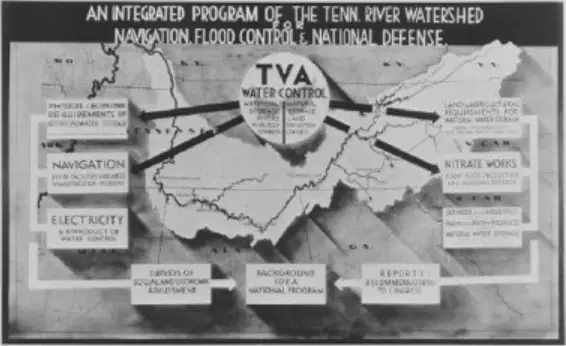
Why did the federal government create this program in 1933?
To establish industrial centers in the region
To promote organic farming practices
To offset the effects of urbanization and rapid population growth
To provide jobs and improve the regional standard of living
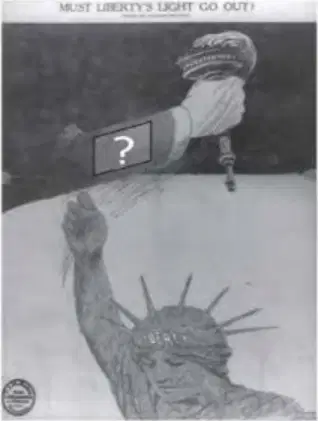
This 1917 illustration was published as a commentary on a proposed piece of legislation. Which of the following best replaces the question mark in the illustration?
Sundry Civil Bill
Dyer Anti-Lynching Bill
Standard Time Act
Espionage Act
The creation of initiative, referendum, and recall procedures during the Progressive Era resulted in -
a system of separate schools for new immigrants
the expansion of citizens' direct participation in the democratic process
a redistribution of the tax burden among citizens
more sources of revenue for state governments
Why did the “Return to Normalcy” agenda of U.S. presidential candidate Warren G. Harding appeal to many voters in the 1920 election?
the public wanted to help rebuild war-torn countries
there were significant shortages of military supplies
there was a decrease in demand for consumer goods
the public wanted to concentrate on domestic economic issues
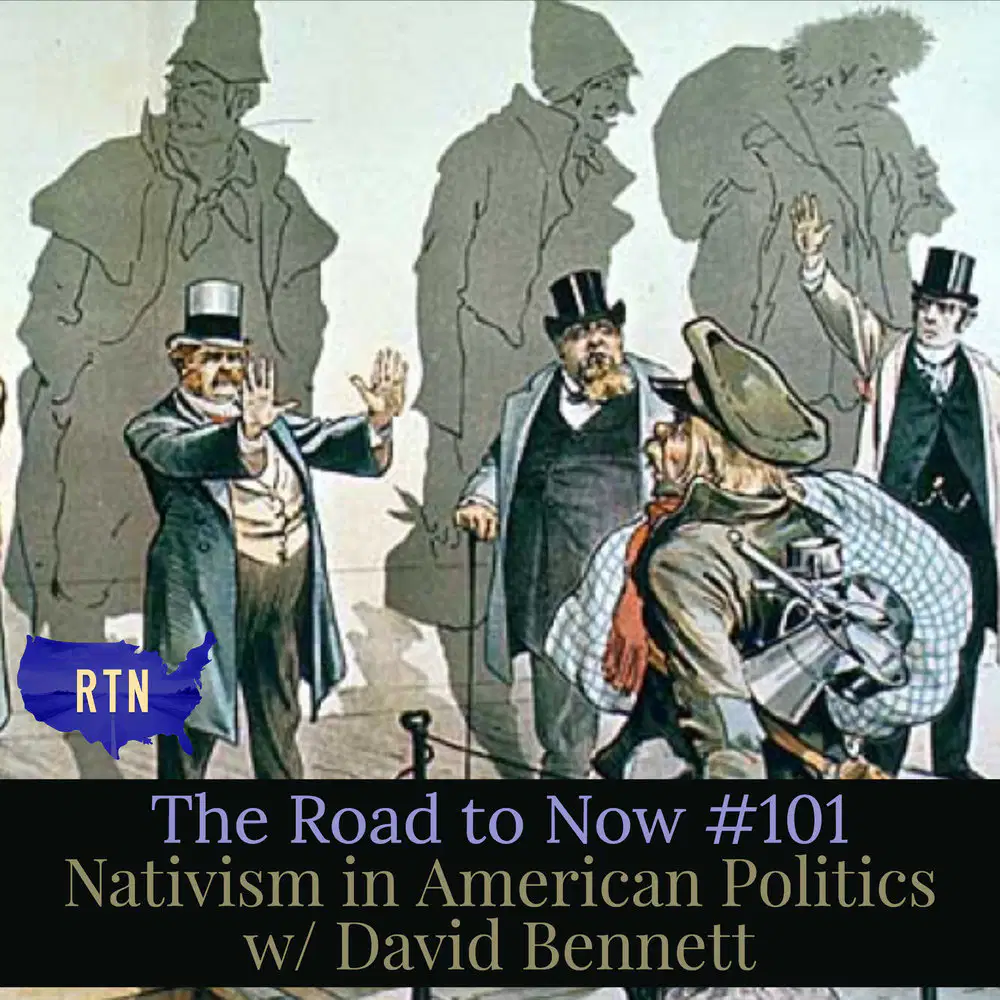
Cartoons such as this one took the position that deportation was necessary because -
assimilation programs in the United States had been unsuccessful
economic decline had increased the competition for jobs
communists were infiltrating the United States
political machines had too much power in urban areas
In the last half of the nineteenth century, the United States experienced vast industrial growth. A new class of wealthy entrepreneurs and a prosperous middle class emerged. Factory jobs also increased to meet production demands. Which demographic change in the United States is most associated with this transformation?
increased property values in rural areas
increased life expectations in urban areas
increased birth rates in rural areas
increased migration to urban areas
Resolved, that it is the duty of the women of this country to secure to themselves their sacred right to the elective franchise. —Resolution from Seneca Falls Convention, July 1848. The goal of this resolution was eventually achieved with the -
signing of the Civil Rights Act
passage of Prohibition laws
ratification of the Nineteenth Amendment
creation of the Women's Army Auxiliary Corps
The Populist Party was important in American history because it -
succeeded in electing two presidential candidates
won control of many state governments
achieved suffrage for African Americans
proposed ideas that later became law with other movements
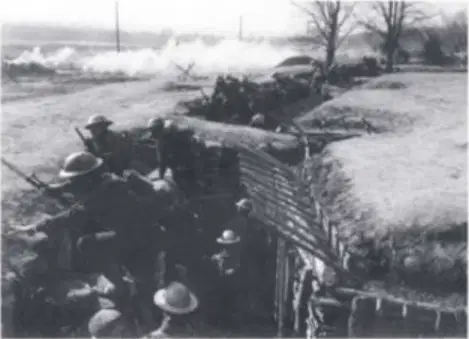
This photograph shows a military tactic that —
made troops more vulnerable to long-range missiles, resulting in heavy casualties
required highly skilled soldiers, resulting in lengthy training periods
made frontal assault difficult, resulting in long periods of stalemate
required the ability to attack quickly, resulting in a reliance on cavalry forces
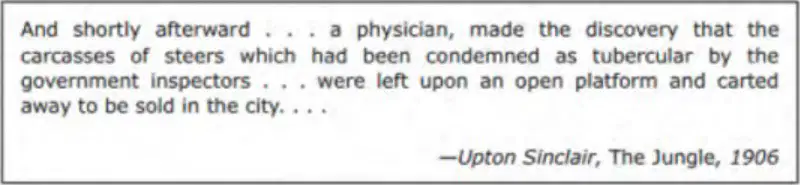
Public response to revelations such as the one in this excerpt led to the establishment of regulations that were eventually enforced by the —
Food and Drug Administration
Centers for Disease Control
Department of Commerce
Institution of Education Sciences
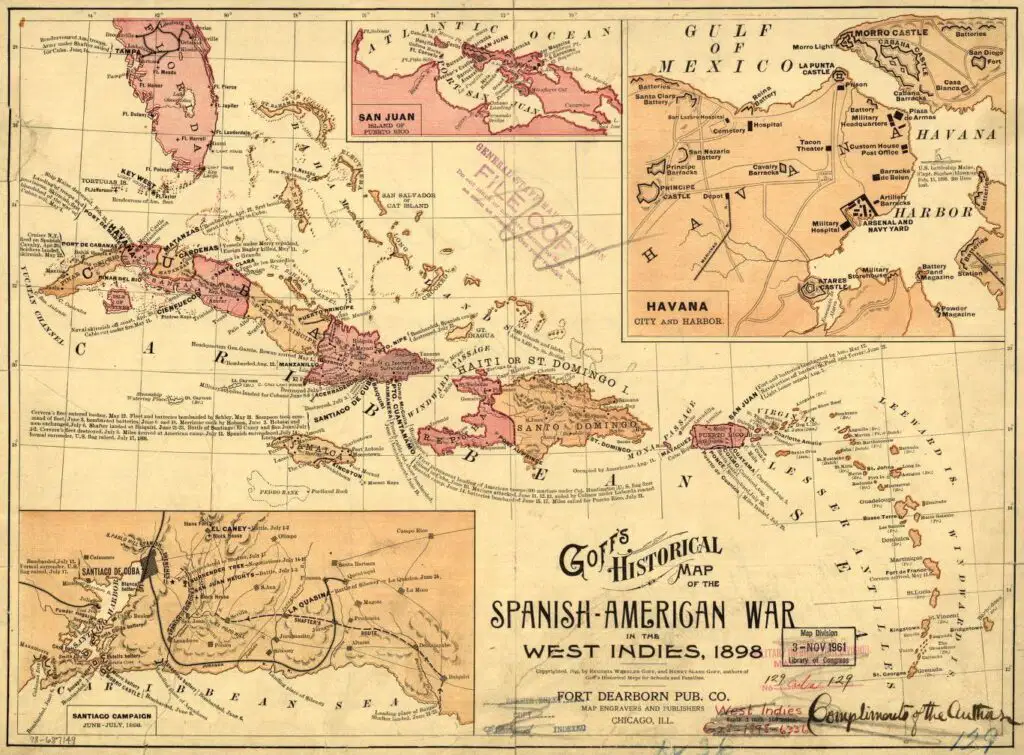
The policy outlined in the excerpt was directly influenced by problems that the U.S. Navy had recently confronted during —
the Cuban Revolution
the Mexican War
World War I
the Spanish-American War
The establishment of speakeasies in the 1920's was an unintended consequence of which federal government action?
The taxation of imported luxury goods
The deportation of suspected communist sympathizers
The prohibition of the sale of alcoholic beverages
The implementation of immigration restrictions
The Spanish-American War (1898) marked a turning point in United States foreign policy because the United States —
developed a plan for peaceful coexistence
emerged as a major world power
pledged neutrality in future European conflicts
refused to become a colonial power
The executions of Sacco and Vanzetti in the 1920's demonstrated the -
federal government's war on crime
the persistence of lynchings
corruption of political machines
increase in nativist attitudes
How did the events on this time line affect U.S. businesses?
Profit sharing became a standard practice for industrial corporations
Monopolistic practices were abolished by federal legislation
Mass-manufacturing techniques were adopted to maximize production
Retirement plans were guaranteed to factory workers
President Franklin D. Roosevelt sought to reassure the American public during uncertain economic times by -
publishing weekly news editorial titled "The Road to Prosperity and Peace"
holding weekly town-hall meetings with average citizens
making short appearances in a variety of Hollywood films
delivering a series of evening radio speeches known as fireside chats
Jane Addams was a social activist of the early 20th century who worked to improve the social welfare of people in cities. She accomplished this by –
organizing the Women's Suffrage Alliance to give the vote to women
opening the first settlement house to help assimilate new immigrants
founding the March of Dimes Foundation to find cure for polio
organizing a women's club to support schools and libraries in cities
The actions of muckrakers in the late 19th century and early 20th century resulted in –
Supreme Court decisions that expanded the right to vote
government regulation of unfair business practices
increases in power of monopolies
reduction of the president's power to manage the economy

Which American novel provides a vivid depiction of the difficulties individuals faced during the Great Depression?
F. F. Scott Fitzgerald's The Great Gatsby
G. Ernest Hemingway's A Farewell to Arms
H. John Steinbeck's Grapes of Wrath
J. Upton Sinclair's The Jungle
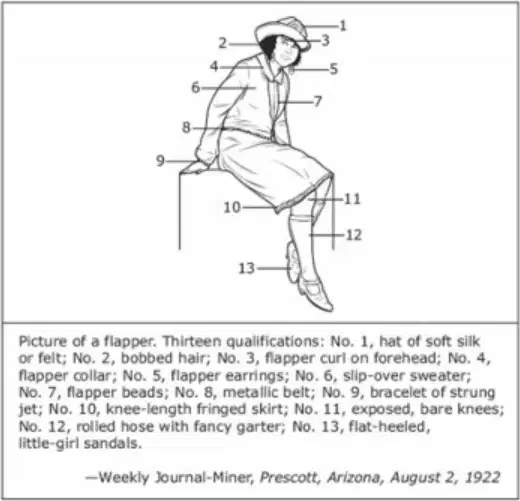
Which inference about the 1920s is supported by this illustration?
A. Women confronted discrimination in employment and education
B. Women challenged traditional attitudes and social norms
C. Reform organizations targeted women's issues
D. Mass media reflected trends popular in rural communities
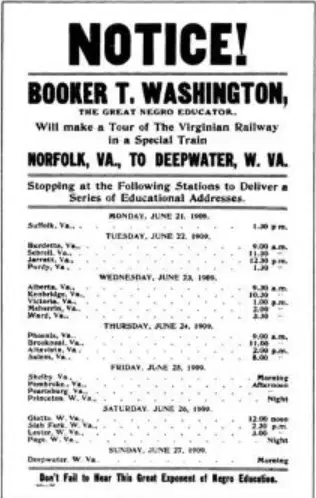
How did the person named in this 1909 handbill work to improve the lives of African Americans?
By organizing voter registration drives for African Americans
By supporting the formation of labor unions by African American Workers
By promoting vocational (job) training for African Americans
By organizing boycotts of businesses that refused to serve African Americans

This law demonstrates that at one time the federal government was willing to -
suspend habeas corpus
confiscate privately owned weapons
force people into internment camps
suspend freedom of speech
Which of the following occurred as a result of the Sherman Antitrust Act?
Workers secured a greater share of company profits
The influence of labor unions on factory owners was reduced
The federal government could dissolve business monopolies
Businesses were required to pay fees to open overseas locations

How did the legislation excerpted above affect the relationship between the U.S. government and its citizens?
It allowed the government to tax investment income
It allowed people to have more direct input in government decisions
It made most people distrust the power of the government
It made the government more responsible for the people's economic welfare
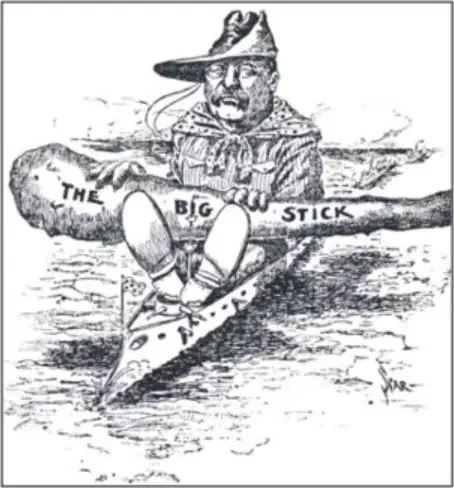
This cartoon comments on tactics used to —
secure the southern border of California
protect shipping lanes in the Great Lakes
create a defensive alliance with France
obtain control of the Panama Canal Zone
Why did the United States decide to enter World War I?
The United States had suffered economically from European sanctions
A European nation had taken aggressive actions against the U.S.
The U.S. president was obligated to fulfill election campaign promises
Communist activities among U.S. immigrants were threatening the country
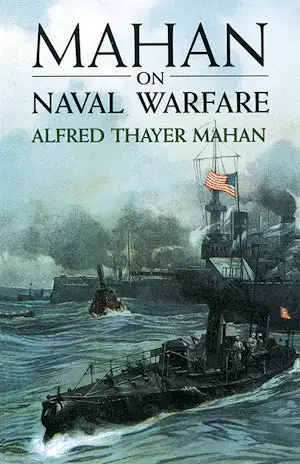
Mahan’s books influenced U.S. efforts to become a world power primarily by —
advocating overseas expansion
emphasizing the need for protectionist tariffs
demonstrating the political risks of foreign trade
arguing against forming overseas alliances
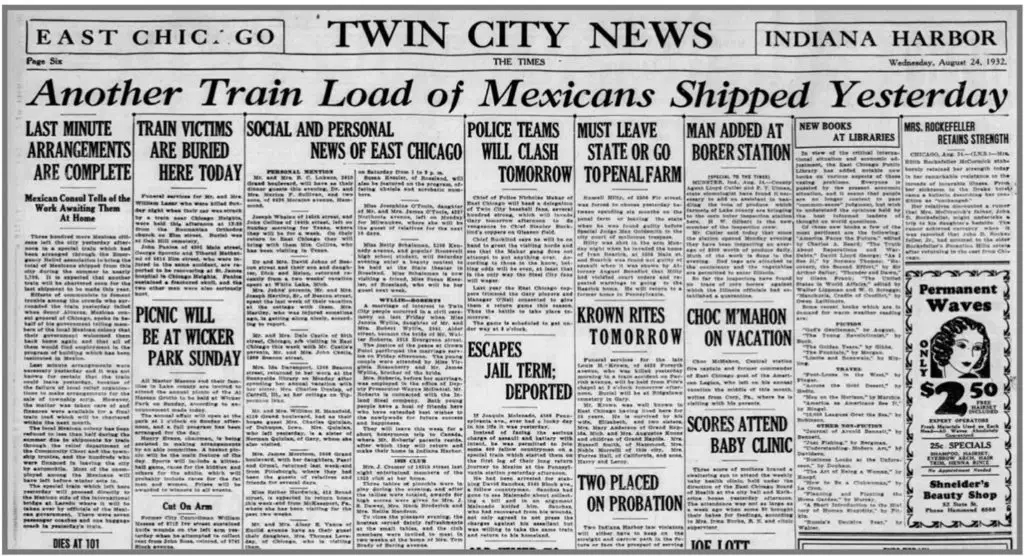
What was the intent of the Mexican Repatriation Act?
send Mexican-American immigrants back to Mexico
encourage Mexican-American immigrants to work in the United States
to eliminate discrimination against Mexican-Americans in the United States
to grant citizenship to Mexican-Americans in the U.S. for 5 years
For which reason were shantytowns most likely called “Hoovervilles” during the Great Depression?
The inhabitants blamed their financial burdens on President Hoover
The shantytowns began to appear at the time of the building of the Hoover Dam
The inhabitants wanted to honor the economic policies of President Hoover
The shantytowns resembled public housing built during the Hoover administration
What is the main function of the Federal Deposit Insurance Corporation?
Assisting banks in recovering unpaid loans
Providing monetary aid to struggling banks
Guaranteeing job security for bank employees
Protecting personal savings in the event of bank failure

In which year would have this headline appeared in newspapers?
1898
1917
1929
1932
A student learning about U.S. history is instructed to write a paper about W. E. B. Du Bois and race relations in the United States. Which of the following facts would be most relevant to the student’s assignment?
The Selma-to-Montgomery protest marches helped secure voting rights for minority citizens
The NAACP was organized to help secure full legal equality for minority citizens
The Civil Rights Act of 1968 outlawed many forms of discrimination in the housing market
The March on Washington helped rally nationwide support for the Civil Rights movement
Nineteenth-century nativist organizations advocated -
limiting federal military power through the organization of local militias
conserving natural resources through the creation of national parks
globalizing the economy through participation in free-trade agreements
promoting an ethnically homogeneous society through restrictions on immigration
What were the Palmer Raids and what was their purpose?
A series of public awareness campaigns about the dangers of communism
Raids conducted to find and deport immigrant criminals
Law enforcement efforts to suppress and arrest anarchists and communists
Investigations into corporate malfeasance

