
 Worksheets
Final Exam Review (PL) - Part 1
Total questions: 14
Worksheet time: 7mins
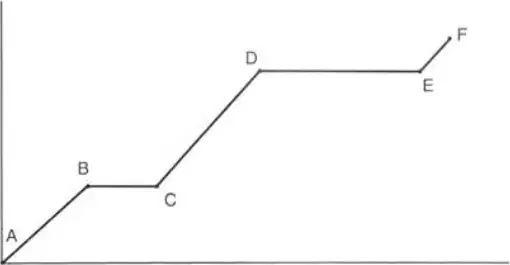
Is this a heating or cooling curve? How do you know?
Heating, because temperature increases
Cooling, because temperature decreases
Heating, because time increases
Cooling, because time decreases
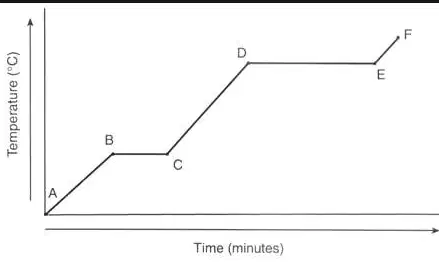
As the substance changes from solid to liquid to gas, kinetic energy is........
Increasing
Decreasing
Not Changing
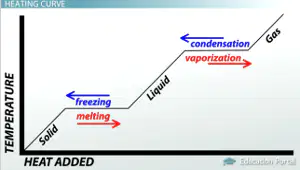
As the substance heats up, is it absorbing or releasing energy?
Absorbing and Releasing
Releasing
Neither
Absorbing
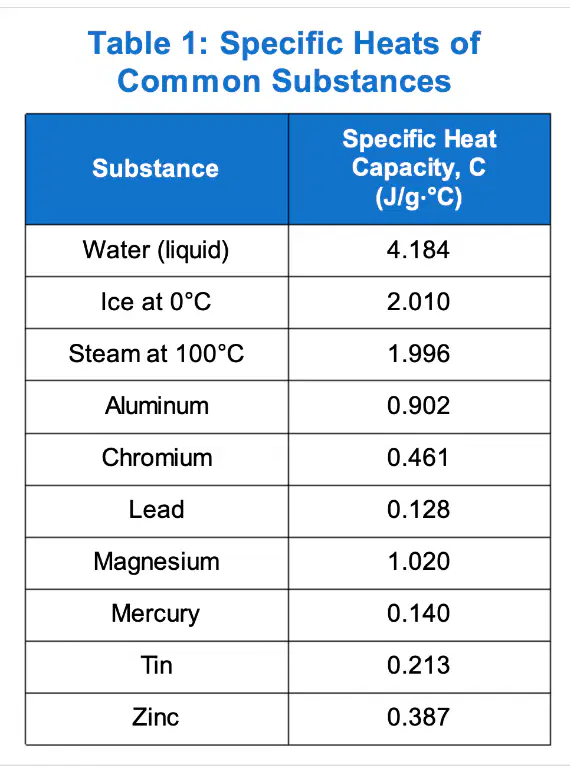
Which substance will cool down the fastest?
Ice at 00C
Magnesium
Mercury
Lead
Which substance will heat up the fastest?
Ice at 00C
Magnesium
Mercury
Lead
A ball rolls 200 meters in 11.3 seconds. What is its velocity?
17.7 m/s
9.85 m/s
10.85 m/s
11.85 m/s
How is heat transferred by conduction?
Through EM waves
By direct contact between particles
By the flow of currents of air or water
By chemical reactions
Rubbing your hands together is an example of which type of heat transfer?
Conduction
Convection
Radiation
Insulation
Sitting in the sun to warm up is an example of which type of heat transfer?
Conduction
Convection
Radiation
Insulation
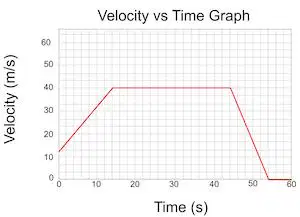
What is happening between 14 and 44 seconds in this graph?
Speeding up
Slowing down
Constant speed
Accelerating
What is happening between 44 and 54 seconds in this graph?
Speeding up
Slowing down
Constant speed
Accelerating
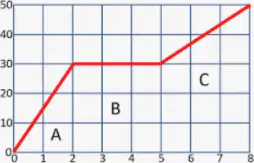
What is the acceleration in Section C of the velocity-time graph?
2 m/s²
6.7 m/s²
10 m/s²
15 m/s²

You use _________ energy from food in order to walk to your next class.
thermal
radiant
nuclear
chemical
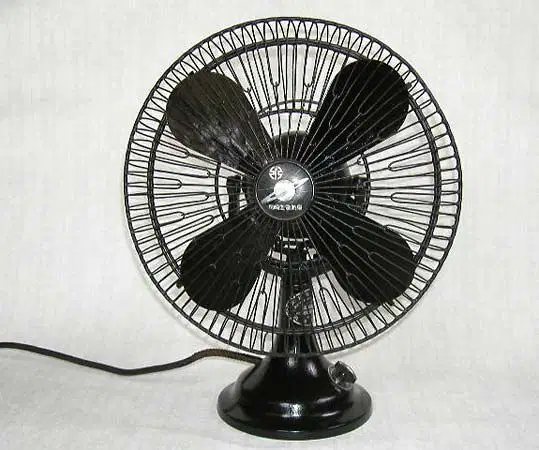
A fan changes ___________ energy into _________ energy and sound energy.
electrical, mechanical
electrical, radiant
mechanical, thermal
thermal, mechanical

