
 Worksheets
The year is done, let's try a last one!
Total questions: 50
Worksheet time: 25mins

What year did the Black Plague first strike Europe?
1300
1450
1348
1650
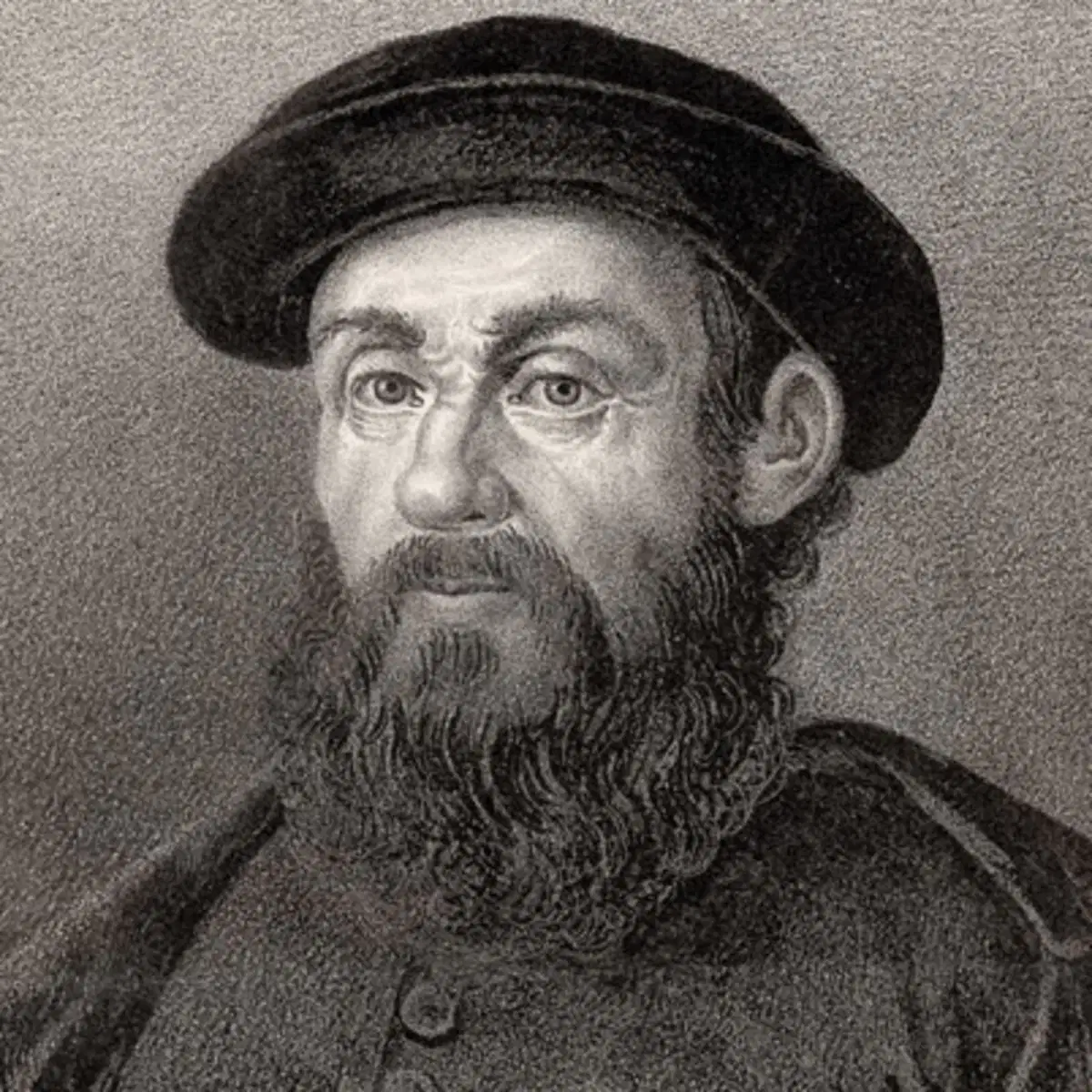
Which explorer was the first to circumnavigate the globe?
Ferdinand Magellan
Christopher Columbus
Vasco da Gama
Hernán Cortés
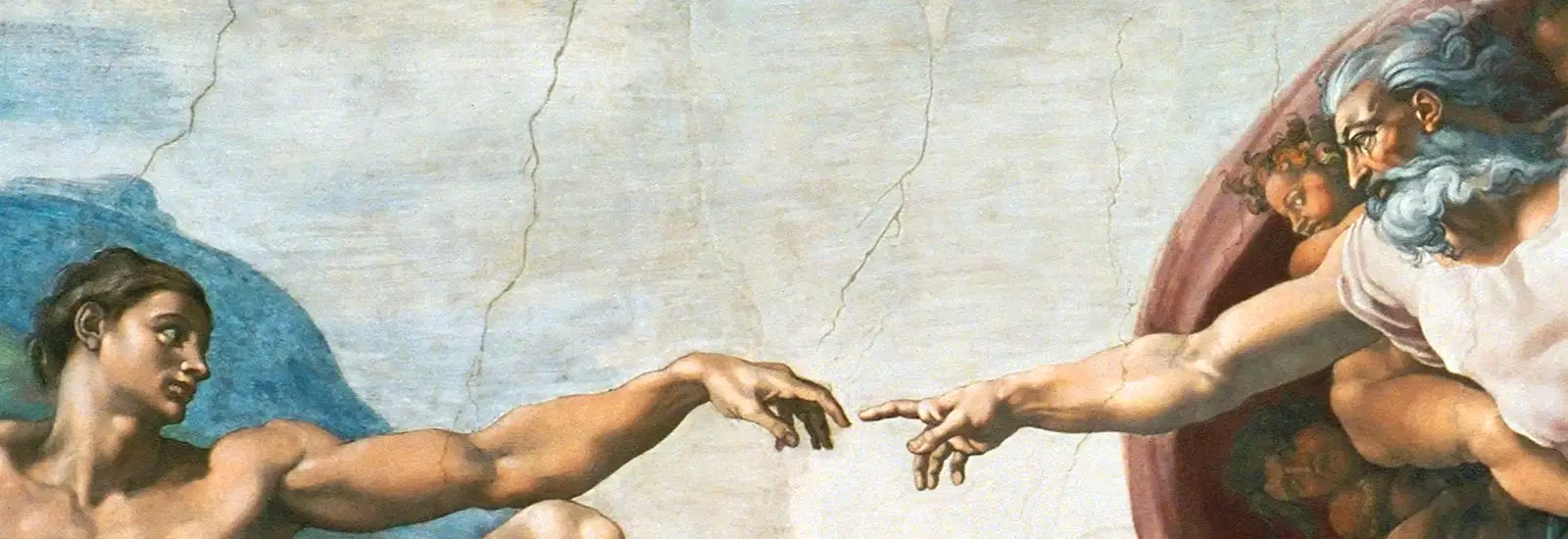
Who painted the famous fresco on the ceiling of the Sistine Chapel?
Leonardo da Vinci
Raphael
Michelangelo
Botticelli
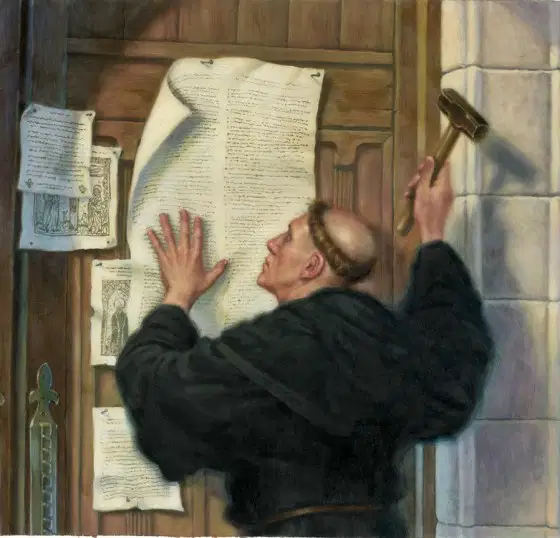
What did Martin Luther famously nail to a church door in 1517?
The 95 Theses
A Papal Bull
A proclamation of excommunication
A peace treaty
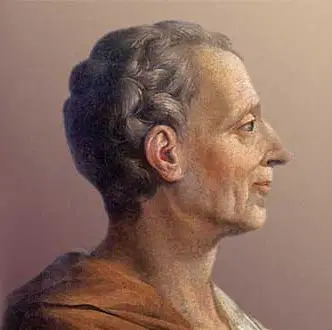
Which Enlightenment thinker wrote "The Spirit of the Laws"?
John Locke
Montesquieu
Rousseau
Voltaire
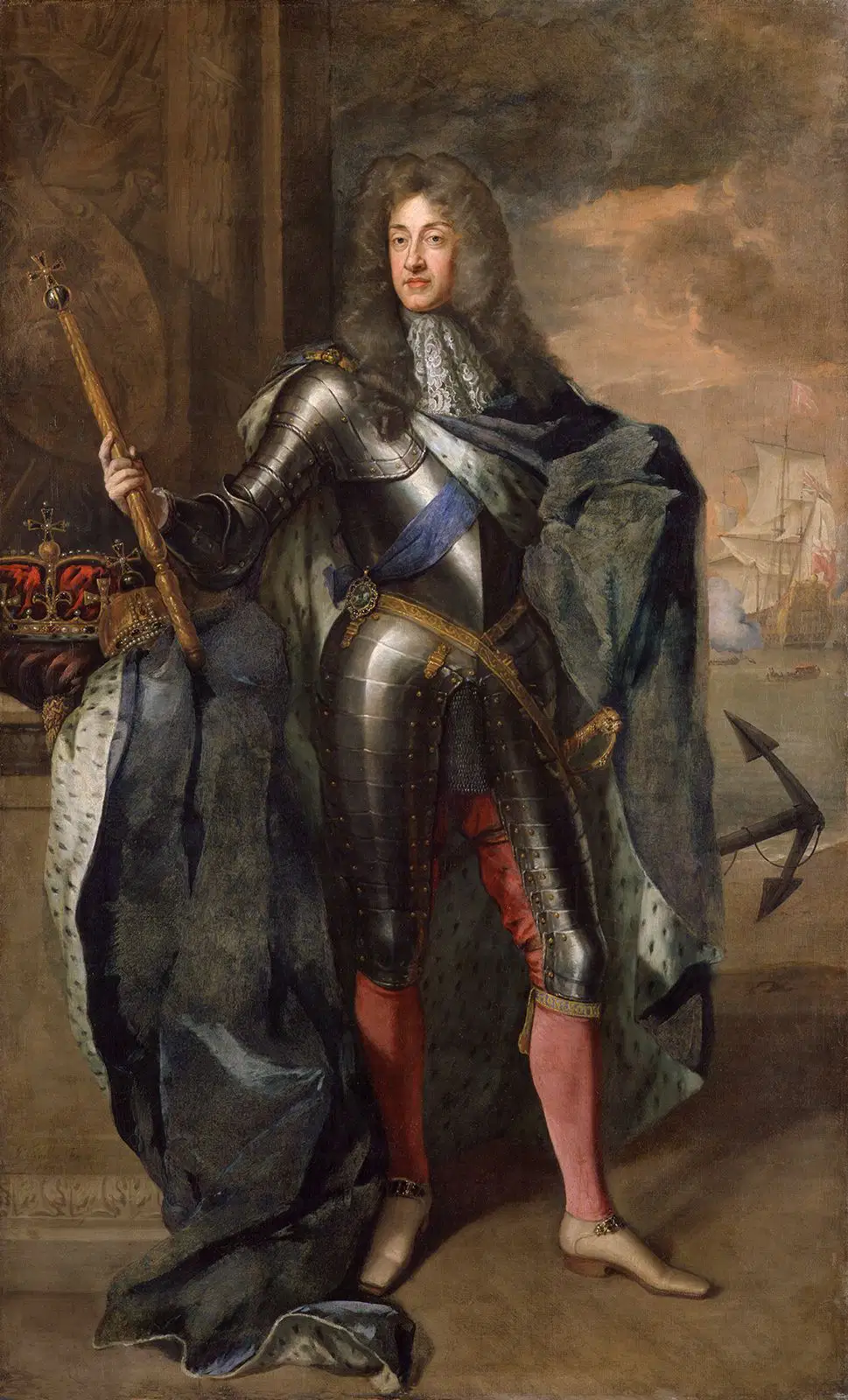
Which English monarch was deposed during the Glorious Revolution?
Charles II
James II
William III
Mary II
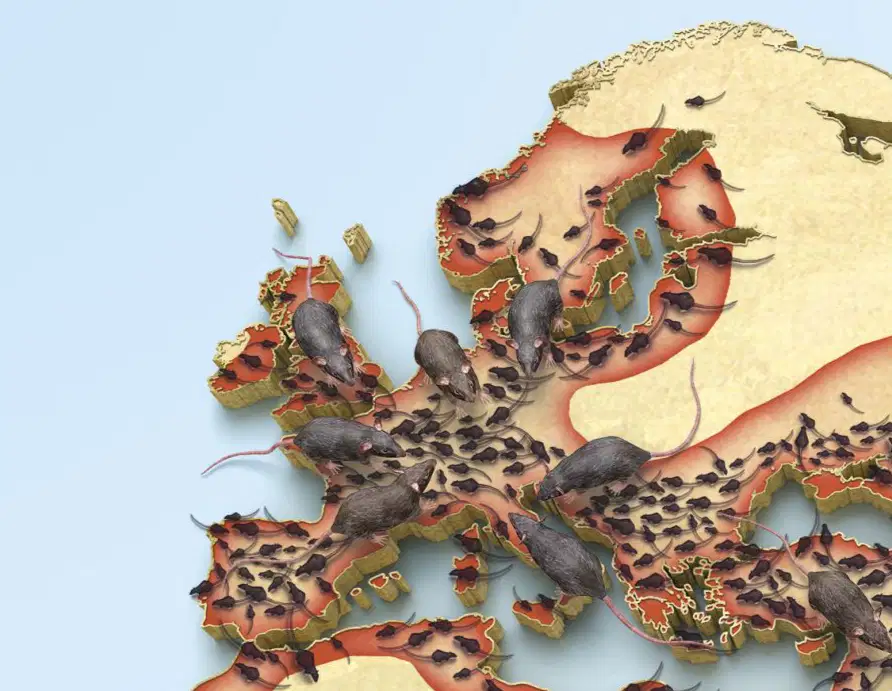
Which percentage of Europe’s population is estimated to have died from the Black Plague?
10%
30-60%
75%
90%
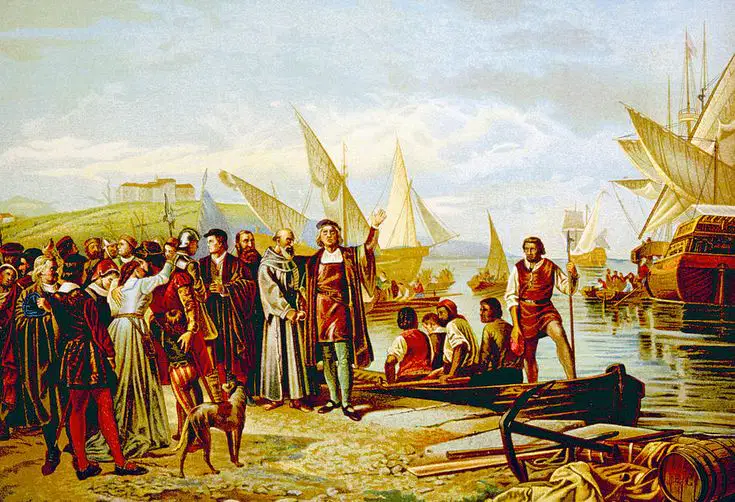
Which nation sponsored Christopher Columbus’ voyage in 1492?
Spain
Italy
England
Portugal
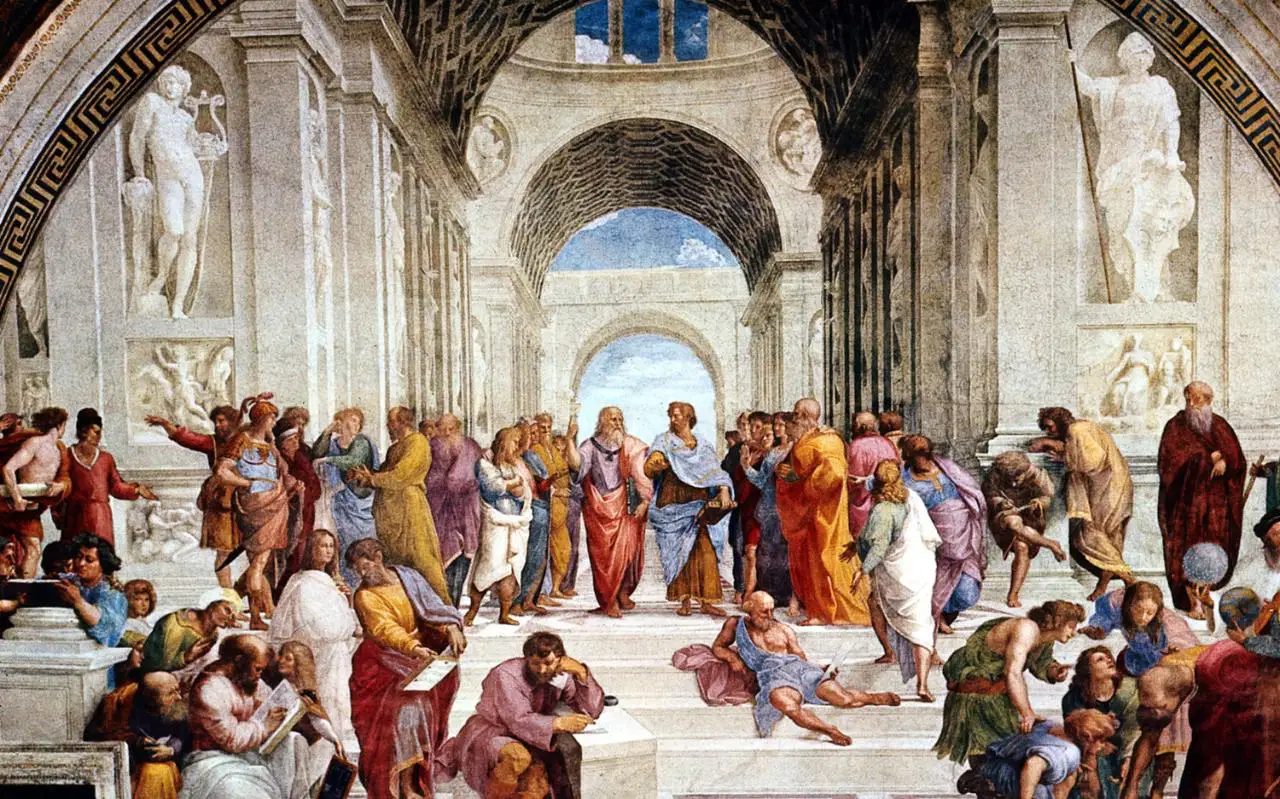
What term describes the intellectual and cultural revival of art and learning in Europe during the 14th to 17th centuries?
Enlightenment
Renaissance
Reformation
Industrial Revolution
What was one of the core beliefs of Martin Luther’s teachings?
Salvation by faith alone
Indulgences can buy salvation
The Pope is infallible
Salvation through good works alone

Who is considered the author of "Two Treatises of Government"?
Voltaire
John Locke
Rousseau
Thomas Hobbes
What marked the beginning of the Age of Exploration?
The Reformation
The fall of Constantinople
The Renaissance
The discovery of the New World

Which country was the first to begin significant voyages of exploration in the 15th century?
Portugal
Spain
England
France

Who sculpted the statue of David during the Renaissance?
Michelangelo
Donatello
Leonardo da Vinci
Titian

What invention helped spread Martin Luther’s ideas across Europe?
The astrolabe
The compass
The printing press
Gunpowder
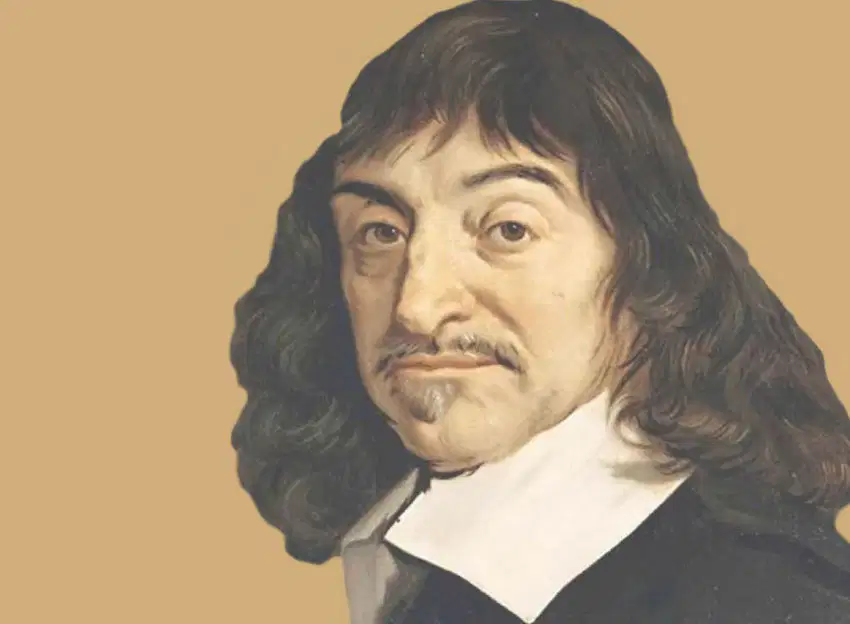
Which thinker is famous for saying "I think, therefore I am"?
René Descartes
John Locke
Jean-Jacques Rousseau
Francis Bacon

Who were William and Mary?
The monarchs who replaced James II after the Glorious Revolution
The leaders of the English Civil War
Rulers of France
Leaders of the Catholic Church

How did the Black Plague spread across Europe?
Airborne transmission
Through contaminated water
Fleas on rats
Mosquito bites

Which explorer discovered the sea route to India by sailing around Africa?
Amerigo Vespucci
Vasco da Gama
Bartolomeu Dias
Hernán Cortés
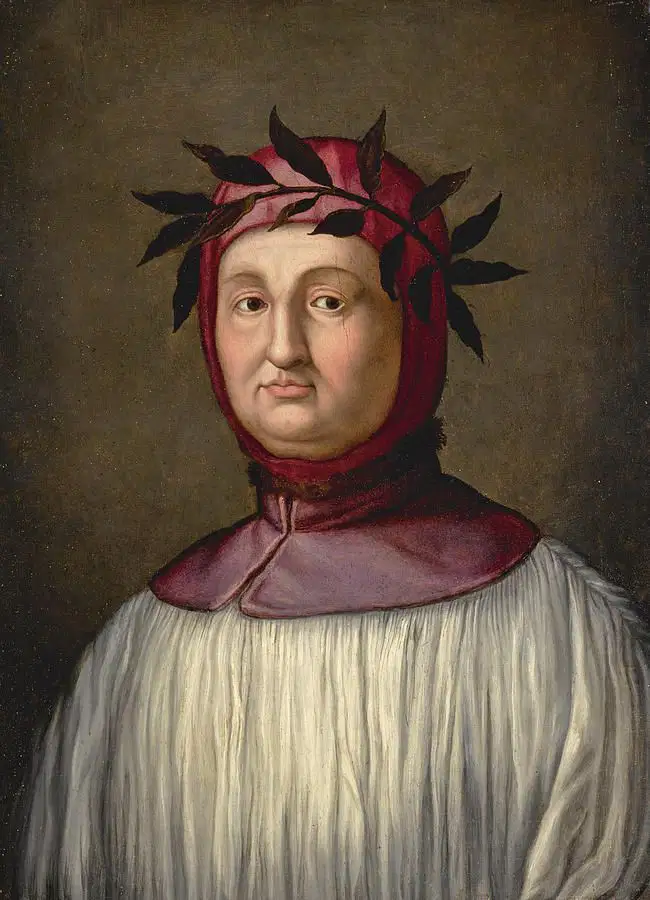
Who is considered the "Father of Humanism" during the Renaissance?
Machiavelli
Leonardo da Vinci
Petrarch
Erasmus
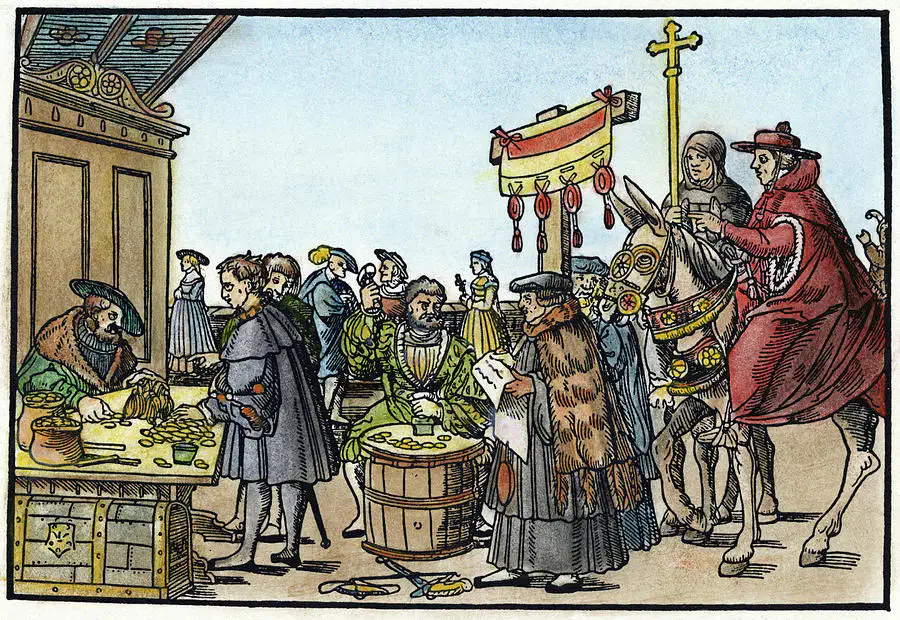
21. What was the primary purpose of indulgences sold by the Catholic Church?
Fund the Crusades
Build schools
Reduce time in purgatory
Raise funds for missionaries

Which philosopher advocated for the separation of powers in government?
Thomas Hobbes
Montesquieu
John Locke
Rousseau
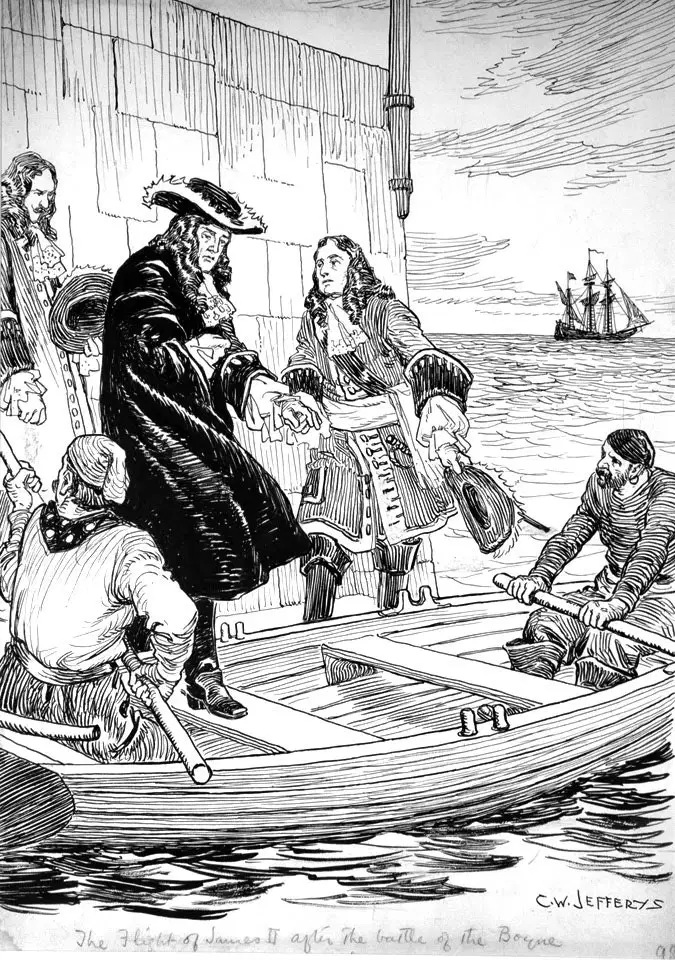
What event marked the end of James II's rule in England?
The English Civil War
The American Revolution
The Glorious Revolution
The French Revolution
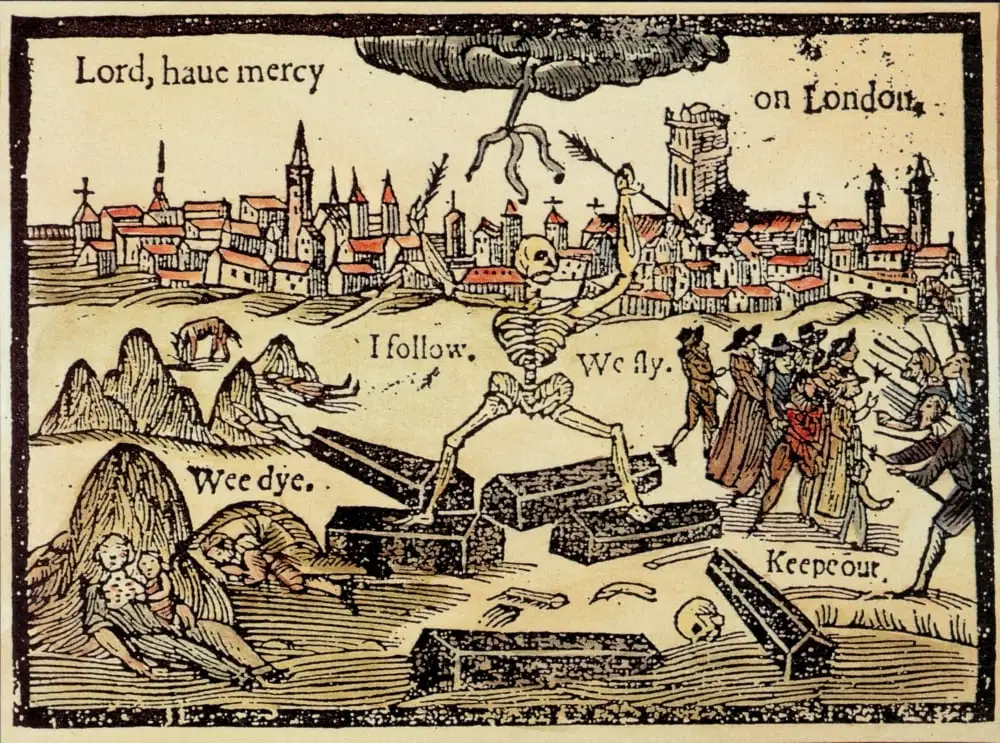
What is another name for the Black Plague?
The Red Death
The Great Influenza
The Bubonic Plague
The Yellow Fever

Where did Christopher Columbus believe he had arrived in 1492?
China
Africa
Australia
The Indies (Asia)

Who wrote "The Prince," a political treatise on power during the Renaissance?
Dante
Niccolò Machiavelli
Michelangelo
Erasmus

Who founded the Society of Jesus (Jesuits) to help with the Counter-Reformation?
Martin Luther
John Calvin
Thomas More
Ignatius of Loyola

Which Enlightenment thinker believed in the concept of the social contract?
Voltaire
Descartes
Hobbes
Rousseau

What was the result of the Glorious Revolution in England?
The English monarchy was abolished
Constitutional monarchy was established
James II regained power
England became a republic

Which city was at the heart of the Italian Renaissance?
Florence
Rome
Venice
Milan
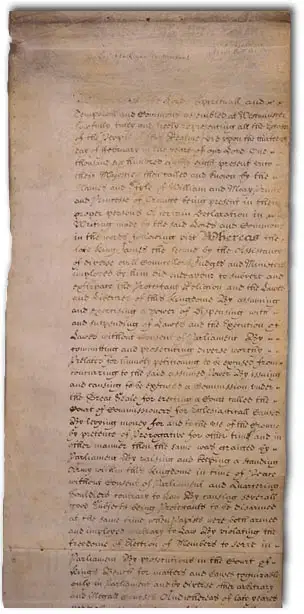
Which document is associated with the Glorious Revolution?
The English Bill of Rights
The Magna Carta
The Treaty of Westphalia
The Declaration of Independence
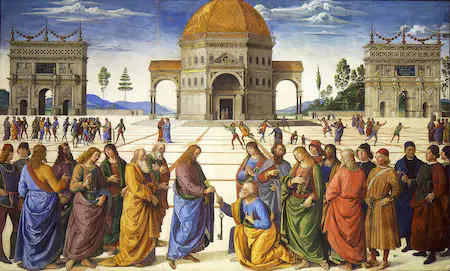
What is the term for Renaissance artists’ technique of making paintings appear three-dimensional?
Realism
Chiaroscuro
Linear Perspective
Impressionism
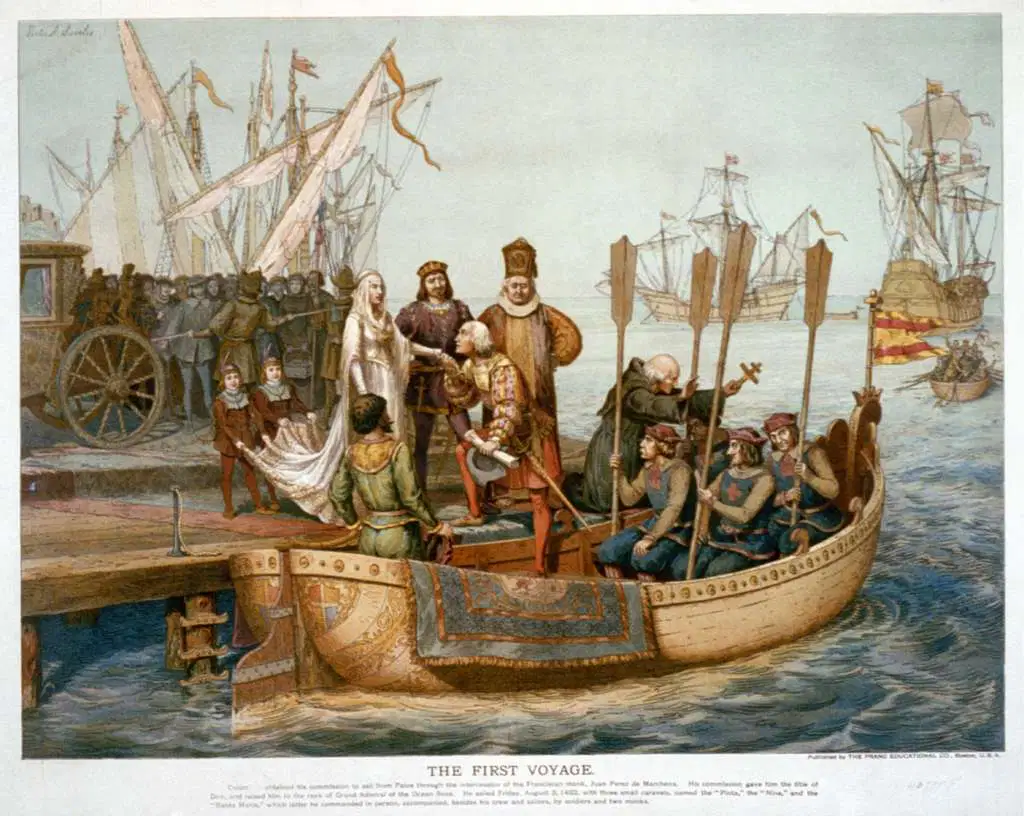
What was the primary goal of European explorers during the Age of Exploration?
Find new trade routes to Asia
Conquer African territories
Spread Protestantism
Defend against the Mongols

Which intellectual movement emphasized reason and individualism over tradition?
The Renaissance
The Enlightenment
The Reformation
Romanticism

What was the Renaissance a rebirth of?
Religion
Warfare
Art and learning
Monarchy
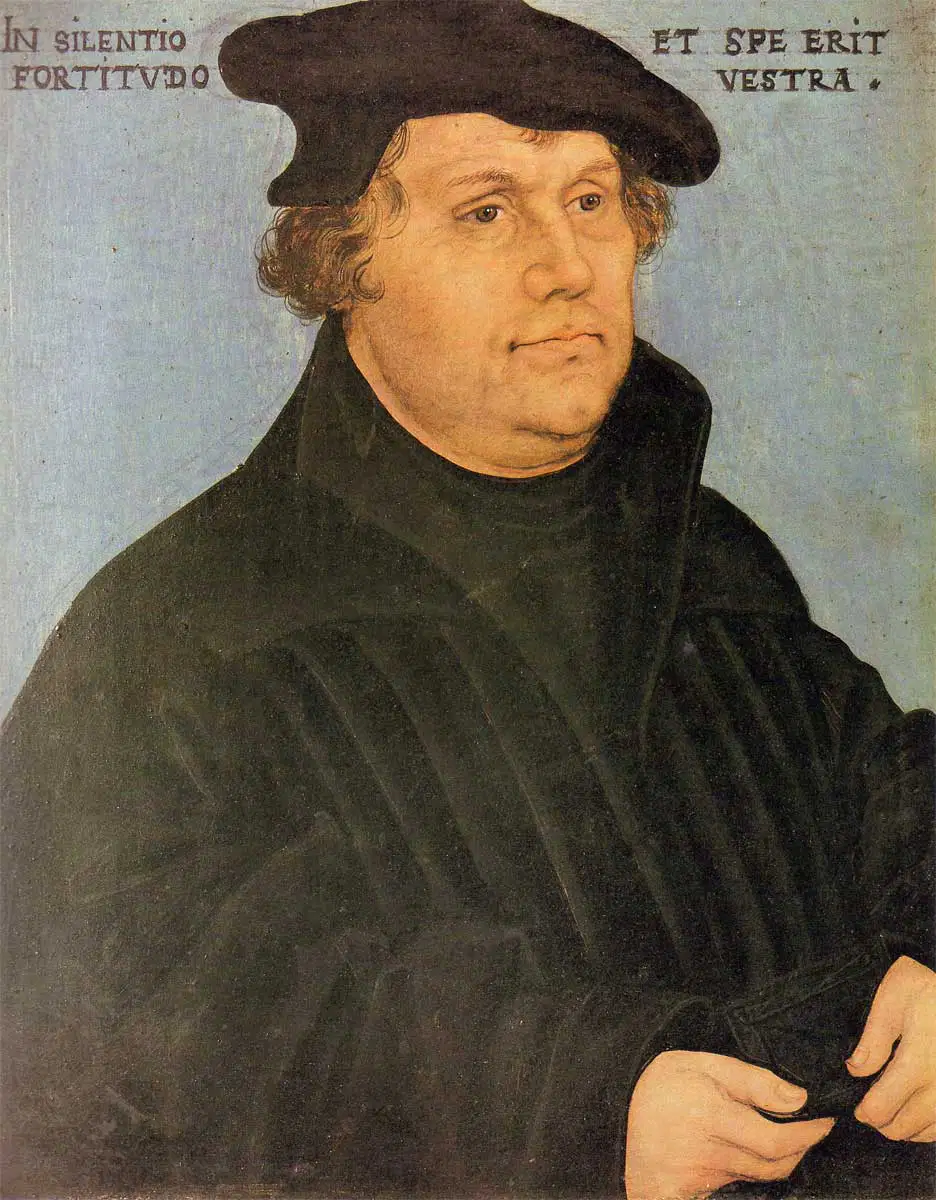
Who initiated the Protestant Reformation?
John Calvin
Henry VIII
Martin Luther
Erasmus

Which Enlightenment philosopher argued for natural rights like life, liberty, and property?
John Locke
Montesquieu
Hobbes
Rousseau

What was a key consequence of the Glorious Revolution?
Parliament’s power increased
The Church regained authority
England became a republic
Absolute monarchy was restored
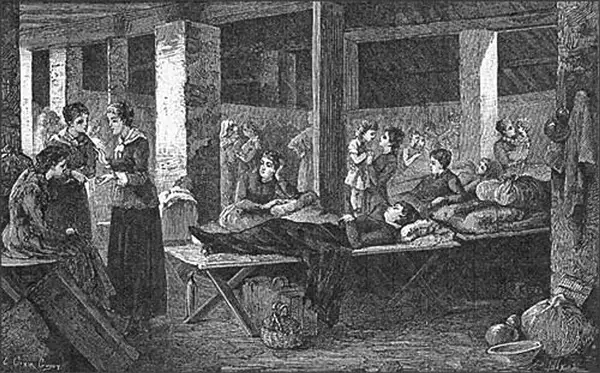
What was the primary cause of the Black Plague?
Poor hygiene
Unclean drinking water
Fleas carried by rats
Lack of food

Which Renaissance figure is known for the Mona Lisa?
Donatello
Raphael
Michelangelo
Leonardo da Vinci

Who introduced the heliocentric theory of the universe?
Galileo Galilei
Isaac Newton
Nicolaus Copernicus
Tycho Brahe

Who succeeded James II after the Glorious Revolution?
William III and Mary II
Charles II
Oliver Cromwell
Anne I
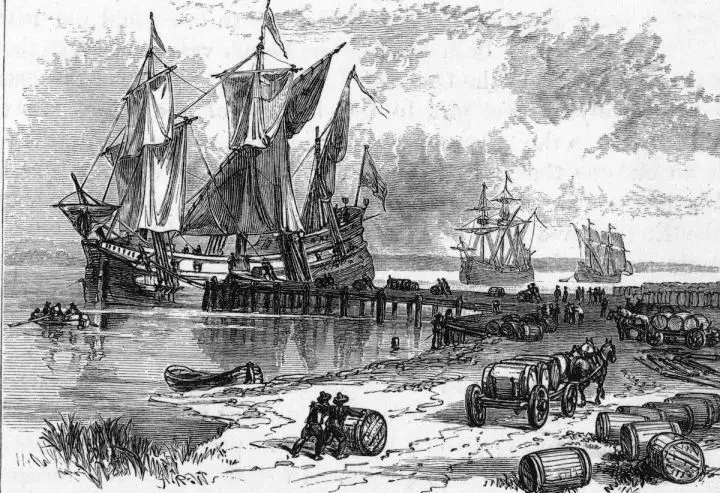
What was the main trade good European explorers were seeking from Asia?
Spices
Gold
Slaves
Silk

Which Renaissance figure is known for the School of Athens painting?
Botticelli
Leonardo da Vinci
Michelangelo
Raphael
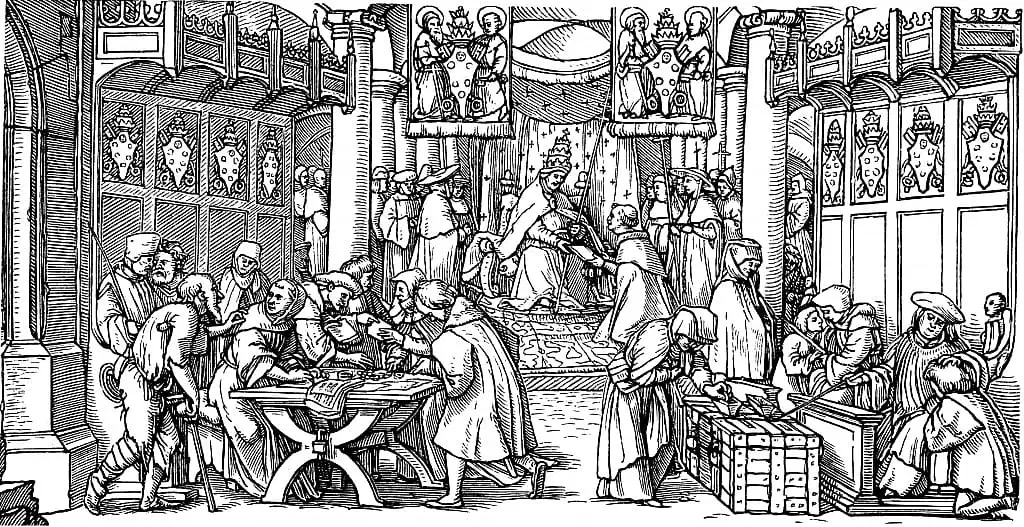
What was the primary reason for Martin Luther’s protest against the Catholic Church?
The power of the Pope
The selling of relics
The sale of indulgences
Corruption of monks
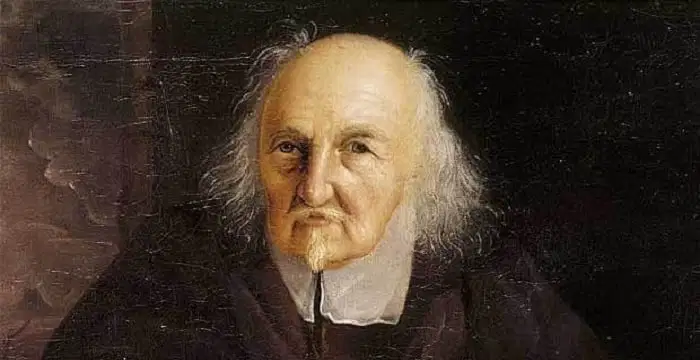
Who believed in a strong centralized government to protect individuals from their selfish nature?
John Locke
Thomas Hobbes
Rousseau
Montesquieu

What was one of the outcomes of the Council of Trent?
The acceptance of Protestant beliefs
The formation of a new Christian sect
The reaffirmation of traditional Catholic doctrines
The rejection of all religious practices
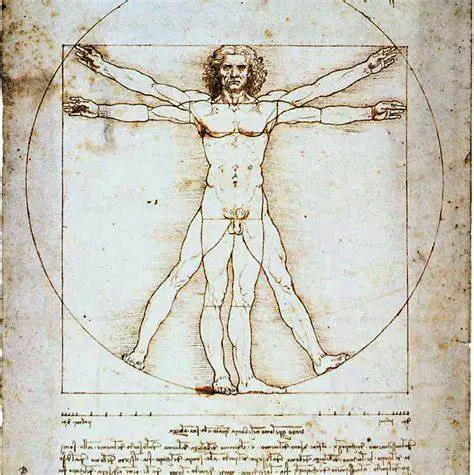
What was the main cultural movement during the Renaissance focused on human potential and achievements?
Humanism
Socialism
Realism
Feudalism

Which country did William of Orange come from before becoming the king of England?
The Netherlands
France
Spain
Portugal
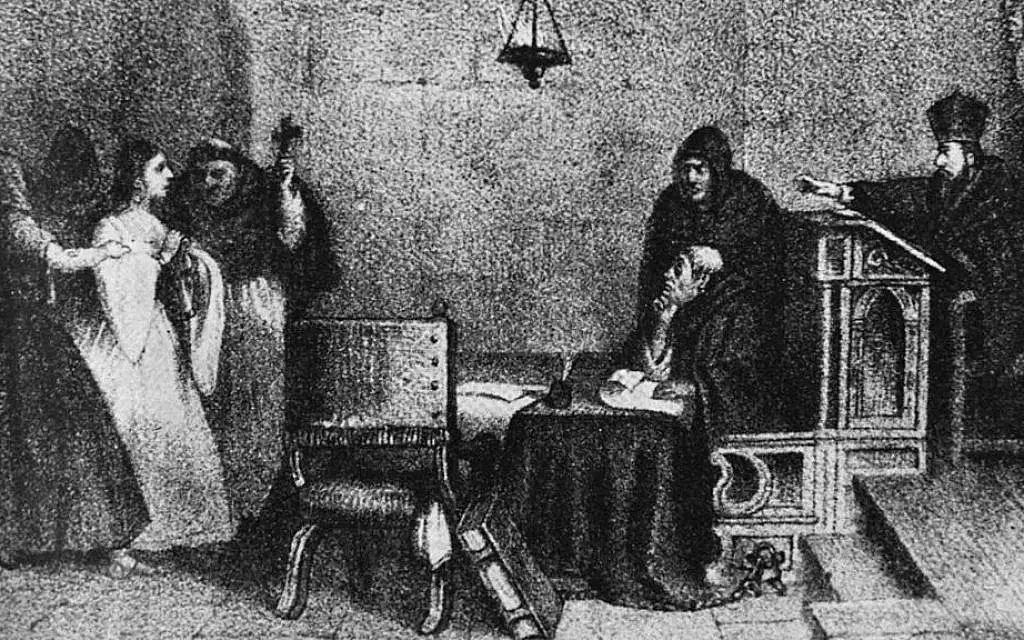
What was the primary goal of the Counter-Reformation?
To weaken Protestantism
To expand Catholic influence into Asia
To reform the Catholic Church and stop the spread of Protestantism
To establish new Catholic colonies in the Americas

