
 Worksheets
Final Exam 4th period and 6th period
Total questions: 62
Worksheet time: 44mins
Emily has decided to start her own small organic vegetable farm. SAE?
Entrepreneurship
Placement
Exploratory
Research
John is a sophomore interested in animal science. SAE?
Placement
Exploratory
Entrepreneurship
Research
Exploratory and Placement
Mike spends a week shadowing a crop consultant. SAE?
Placement
Exploratory
Entrepreneurship
Research
Jimmy takes a placement position in a commercial greenhouse. SAE?
Placement
Exploratory
Entrepreneurship
Research
Mark joins a landscaping company. SAE?
Placement
Exploratory
Entrepreneurship
Research
Exploratory and Placement
Shelton sets up a hydroponic system. SAE?
Placement
Exploratory
Entrepreneurship
Research
Donna sets up a hydroponic system. SAE?
Placement
Exploratory
Entrepreneurship
Research
Paul starts a business. SAE?
Placement
Exploratory
Entrepreneurship
Research
A'Jai works at a veterinary clinic. SAE?
Placement
Exploratory
Entrepreneurship
Research
Malcolm participates in a workshop on agricultural technology. SAE?
Placement
Exploratory
Entrepreneurship
Research
Tyla researches. SAE?
Placement
Exploratory
Entrepreneurship
Research
Nathalie investigates. SAE?
Placement
Exploratory
Entrepreneurship
Research
Marvin works as an intern. SAE?
Placement
Exploratory
Entrepreneurship
Research
What does SAE stands for?
(a)
Name the 4 types of SAE.
(a)
Briefly define each type of SAE.
(a)
What is the difference between verbal and non-verbal communication?
(a)
Your company has a business casual dress code. Which of the following would be acceptable?
Torn jeans and a hoodie
Khakis and a collared shirt
Shorts and flip-flops
A t-shirt with slogans
A colleague is explaining a task to you, but you don't fully understand. What should you do?
Nod and pretend to understand
Ask clarifying questions to ensure you understand
Interrupt to share your thoughts on the task
Ignore them and try to figure it out on your own later
During a meeting, your manager asks for input on a new project. Which response demonstrates effective communication?
Shrugging and saying, "I don't know."
Listening attentively
Interrupting
Remaining silent
Which of the following is NOT an example of professional nonverbal communication?
Maintaining eye contact
Crossing your arms
Nodding
Offering a firm handshake
Which of the following is an example of verbal communication?
Eye contact
A firm handshake
Giving a presentation
Nodding in agreement
Which type of communication relies on tone, body, language, and facial expressions?
Written
Nonverbal
Verbal
Digital
In a resume, which section highlights your skills related to the job?
Work experience
Education
Objective
Skills
The FFA was established in ?
(a)
The FFA's official colors ?
(a)
Learning to do, Doing to Learn, Earning to live, and Living to Serve is the what?
(a)
What re the three components of the Agricultural Education 3-Circle Model?
Classroom, Laboratory, Extracurricular
Classroom, SAE, FFA
SAE, Research, Leadership
FFA, Leadership, Community Service

What symbol is this and the meaning?
(a)

What symbol is this and the meaning?
(a)

What symbol is this and the meaning?
(a)

What symbol is this and the meaning?
(a)

What symbol is this and the meaning?
(a)

What symbol is this and the meaning?
(a)
Which circle forces on real-world application through hands-on experience?
SAE
FFA
Classroom Instruction
Research
What component emphasizes leadership and personal development?
FFA
SAE
Laboratory work
Research projects
A student conducting soil tests as part of an agricultural experiment is participating in which component?
Classroom
SAE
FFA
Laboratory instruction
What is the most important factor in choosing a greenhouse location?
Proximity to other buildings
Accessibility to workers
Availability of sunlight
Size of the land
Why is good drainage important for greenhouse locations?
Prevents pest
Reduces water
Avoids waterlogging
Ensures air
What type of wind protection is ideal for a greenhouse?
Dense forest
Open plains
Strategically placed windbreaks
Surrounded buildings
Which location is LEAST suitable for a greenhouse?
Sloped terrain
Near a water source
In a shaded area
In an area with full sun exposure
How can greenhouse orientation improve efficiency?
Minimizing
Maximizing
Reducing
Enhancing
A bubble head sprinkler can water a wide area like a traditional sprinkler. True or False
True
False
A grafting knife can be used for pruning large branches. True or False?
True
False
Oiling metal tools prevent rusting. True or False?
True
False
Dull tools are safer than sharp tools. True or False?
True
False
This tool has a long handle and a flat, broad blade, often used for moving leaves or leveling soil.
Rake
String trimmer
Post host digger
Lawn mower
This tool has a curved blade and is used for cutting grass at the edges of walkways.
String trimmer
Rake
Post hole digger
Lawn mower
This tool is essential for digging deep, narrow holes for fence posts or planting trees.
Post hole digger
Rake
String trimmer
Lawn mower
Used to cut grass to a uniform height in large areas.
Lawn mower
Rake
String trimmer
Post hole digger

Name and tool or equipment.
(a)

Name and tool or equipment.
(a)
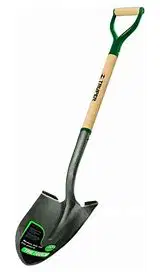
Name and tool or equipment
(a)
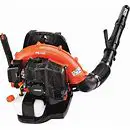
Name and tool or equipment.
(a)
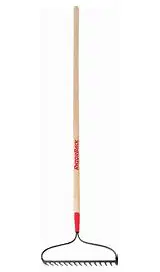
Name and tool or equipment.
(a)

Name and tool or equipment.
(a)
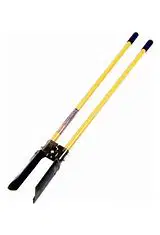
Name and tool or equipment.
(a)
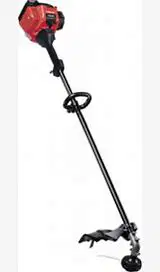
Name and tool or equipment.
(a)

Name and tool or equipment.
(a)
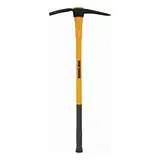
Name and tool or equipment.
(a)
What is a tool?
(a)
Name the 2 main types of tools.
(a)

