
 Worksheets
Bridges and Designing for Strength
Total questions: 27
Worksheet time: 27mins

What is often forgotten when designing models for home use?
Where to put it
The strength and durability for it
The color scheme
Whether it should be duck shaped

Why are there different needs for every design project?
It's fun to make challenging goals
Because every design project is unique
It's fun that way
The project will feel sad
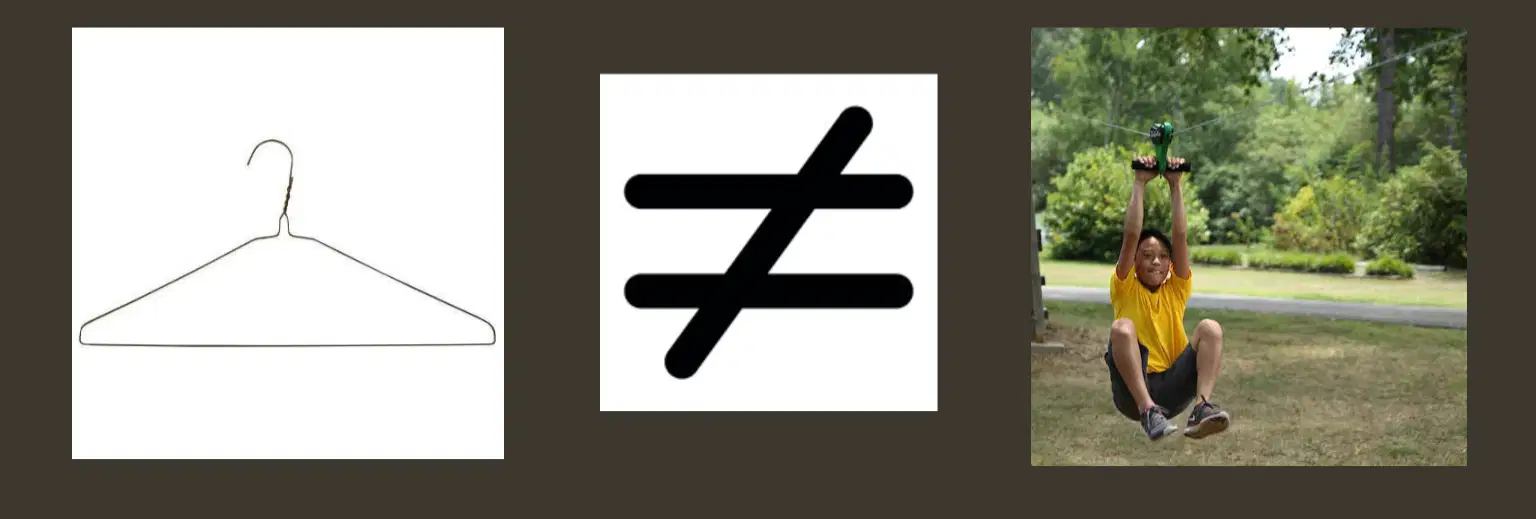
What is the main idea of the example given in the image?
The strength needed for a coat hanger and a zipline is the same.
The strength criteria for a coat hanger and a zipline are vastly different.
A coat hanger can be used as a zipline.
Ziplines are not safe.

What is an important step in the brainstorming portion of the design process?
Considering the scale and strength requirements
Ignoring material costs
Focusing only on aesthetics
Skipping the brainstorming phase
What factors should be considered during the design process?
Materials, Design, Durability/Time
Color, Shape, Texture
Cost, Popularity, Brand
Speed, Efficiency, Size
What are bridges examples of?
Structures that are temporary and weak
Structures that are strong and long-lasting
Structures that are decorative and fragile
Structures that are modern and innovative
Since when have the arts of bridge building and structural design been around?
The 20th century
The Industrial Revolution
The dawn of civilization
The Renaissance

What is the main issue depicted in the image of the bridge in Nebraska?
The bridge is under construction.
The bridge could not hold up
The bridge is being painted.
The bridge is being cleaned.
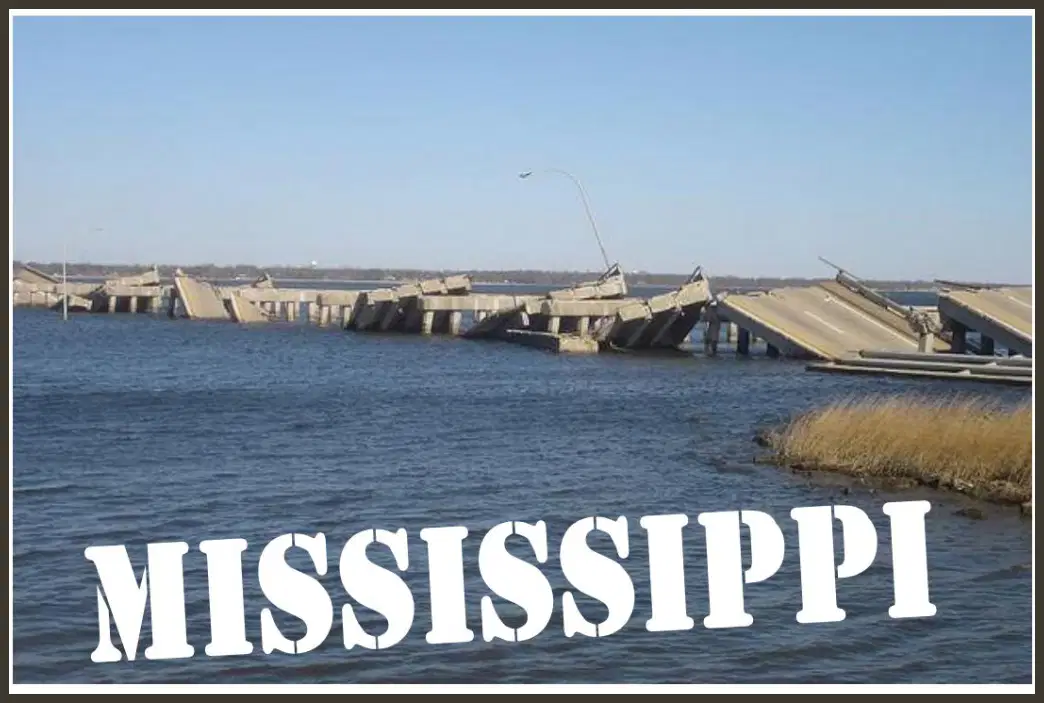
What is the likely cause of the bridge collapse shown in the image?
Earthquake
Flooding or Storm
Poor construction
Heavy traffic
Which of the following is NOT one of the five types of loads that bridges must withstand?
Compression
Tension
Shear
Friction
What does a bridge need to be able to hold well?
Temperature
Weight
Color
Speed
What is the most important quality a bridge needs?
Aesthetic design
Strong support structure
Lightweight materials
Colorful paint

What is a common form of support structure used in bridge building?
Circle latticework
Rectangle latticework
Triangle Latticework
Hexagon latticework
What is the triangular latticework design in bridge building called?
Beam
Arch
Truss
Cable
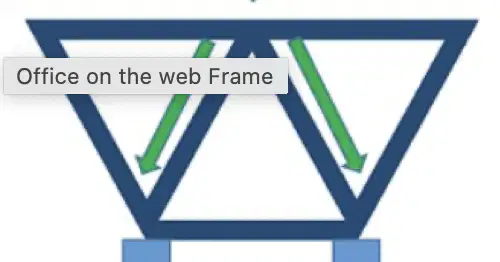
What is the primary benefit of using a truss in a structure?
It makes the structure lighter
Improves strength and spreads the weight
It increases cost
Increases flexibility
Which shape performs similarly to the triangles of the truss in bridge design?
Rectangle
Circle
Arch
Square
Why is the arch a commonly used bridge design shape?
It is easy to make
It looks pretty
It spreads the load
It is the cheapest design
What is the purpose of girders in bridge design?
To provide vertical support
To provide horizontal support
To make it look cool
To reduce construction time
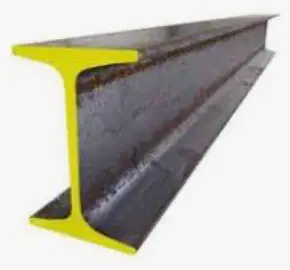
What shapes are girders typically designed as?
Circle
I-beam shape
Rectangle
Spherical
Which step in the engineering design process involves identifying your design's purpose?
(This is the first step in the design process)
Prototype your design
Define the problem
Test your prototype
Improve your design
What is the purpose of the "Imagine" step in the engineering design process?
To test the prototype
To plan and brainstorm your idea
To build a space ship
To improve the design
In which step of the engineering design process do you create a model of your idea?
Plan your idea
Prototype your design
Test your prototype
Ask why this is a problem
What is the final step in the engineering design process? (when your project is finished)
Test your prototype
"Deploy" or use your finished product
Define the problem
Plan your idea
Which of the following is NOT one of the 5 types of forces to consider?
A) Compression
B) Tension
C) Friction
D) Shear
Which type of force involves twisting?
A) Compression
B) Torsion
C) Bending
D) Shear
What type of force is associated with pulling apart?
A) Compression
B) Tension
C) Shear
D) Bending
What is compression?
Two forces pulling away from each other
Two forces pressing against each other on something in between
A single force applied in one direction
Forces that do not interact with each other

