
 Worksheets
Biodiversity Loss, Atmospheric CO₂ & Rapid Climate Change
Total questions: 66
Worksheet time: 33mins

What major lesson related to planetary boundaries can be learned from studying fossils and rock layers?
The chemical composition of rocks for pharmaceutical purposes.
The history of life, evolution, composition of the atmosphere, and extinction events in the past on Earth.
The formation of mountains and valleys.
The impact of climate change on weather patterns.
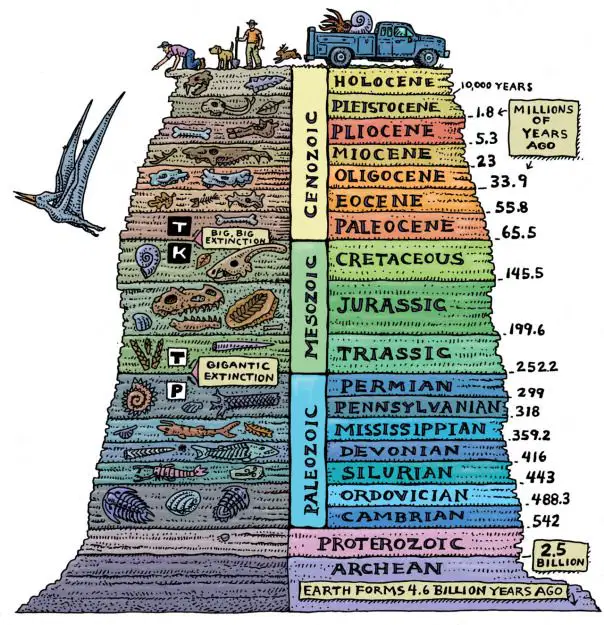
What is the Holocene period, and why is it significant?
The Holocene is a geological period characterized by constant ice ages, during which the Earth remains extremely cold at all times.
The Holocene is the current geological epoch, significant for the development of human civilization.
The Holocene is a period marked by the extinction of dinosaurs.
The Holocene is a prehistoric era before human existence.
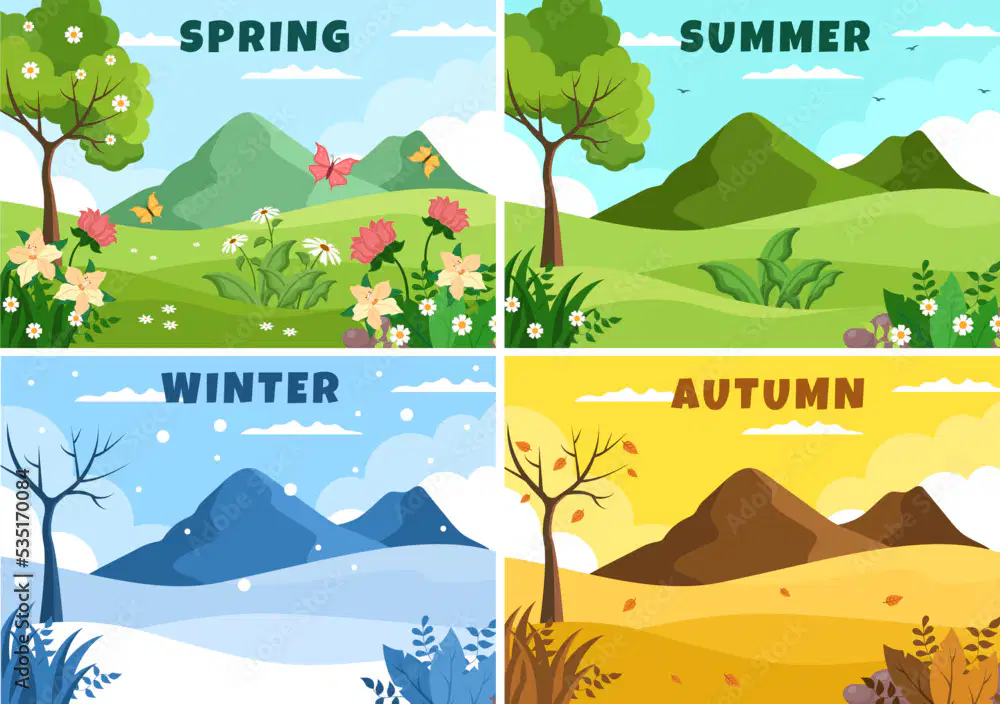
How did the Holocene’s stable climate benefit human development?
The stable climate and seasons of the Holocene enabled reliable agriculture and the development of settled communities, facilitating human advancement.
The unstable climate of the Holocene led to the rise of nomadic lifestyles, increasing genetic diversity. Neanderthals emerged as the most intelligent species on the planet, until dinosaurs arrived.
The Holocene's climate caused widespread migration and conflict among warring tribes.
The Holocene's climate had no significant impact on human development.

What was discovered by Bernhard Grzimek and his team about the Serengeti ecosystem?
The interconnectedness of species and the importance of wildebeest migration in the Serengeti ecosystem.
The significance of river systems in the Serengeti ecosystem, which contain vast numbers of dolphins.
The role of elephants in the Serengeti food chain, and how elephants deliver food to humans there instead of delivery drivers.
The impact of climate change on the Serengeti's vegetation- all the oregano in the Serengeti changed colour.

How did the Apollo 8 mission in 1968 change our view of the planet?
Apollo 8 was the first mission to land on Mars, changing our perspective of the solar system. Elon Musk decided that the best course of action was to develop electric cars, so that we could build new motorways to be able to drive directly to Mars in our Teslas.
Apollo 8 changed our view of the planet by showcasing its fragility and beauty through the 'Earthrise' photograph, promoting environmental awareness.
Apollo 8 focused solely on lunar exploration without any Earth observations. They found out that the moon is made of 67% cheese.
The mission had no impact on environmental awareness or views of Earth.

What percentage of large fish populations have been removed by industrial fishing fleets since the 1950s?
50%
90%
70%
30%
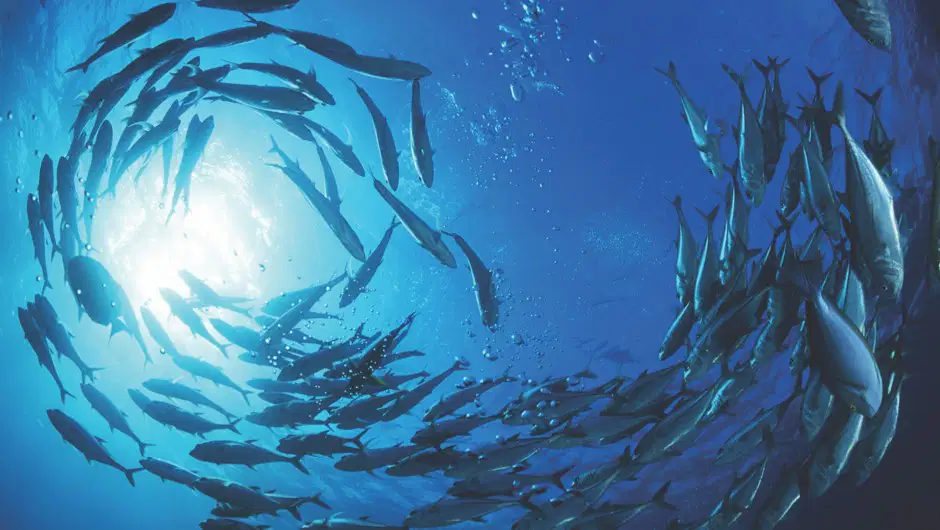
What is a biodiversity 'hotspot' in the oceans, and why are they important?
Hotspots refer to regions with high pollution levels in the ocean. It gets really hot there because of all the oil that has leaked into the water.
Hotspots in the oceans are regions of high biodiversity where nutrients rise to the surface. They are important for marine ecosystems and conservation.
Hotspots are areas with low temperatures and minimal marine life. They form perfect circles, and they behave like bubbles in a boiling pot of water.
Underwater volcanoes which cause seawater to evaporate - which has led to lower sea levels globally in recent years.

How has the deforestation of the island of Borneo impacted orangutans since Sir David Attenborough first visited?
Deforestation has increased the population of orangutans.
Orangutans have adapted to urban environments due to deforestation.
Deforestation has severely endangered orangutans by destroying their habitats and food sources.
Deforestation has had no impact on orangutan behavior.

What percentage of the Earth's land species live in rainforests?
Over 50%
Under 9%
Over 96.6%
Around 24%

What role do wetlands play in maintaining biodiversity?
Wetlands have no impact on local wildlife populations.
Wetlands support high biodiversity by providing essential habitats for numerous species.
Wetlands are primarily used for agricultural purposes, such as the cultivation of potatoes, rice, berries, and coffee.
Wetlands are only important for flood control.

How does climate change threaten coral reefs?
Coral reefs are unaffected by climate change.
Climate change improves coral reef health.
Coral reefs thrive in warmer waters.
Climate change threatens coral reefs through rising temperatures, ocean acidification, and increased storm intensity.

What impact does overfishing have on marine ecosystems?
Overfishing improves the health of coral reefs.
Overfishing has no significant impact on marine life.
Overfishing disrupts the balance of marine ecosystems and can lead to species extinction.
Overfishing leads to an increase in fish populations.
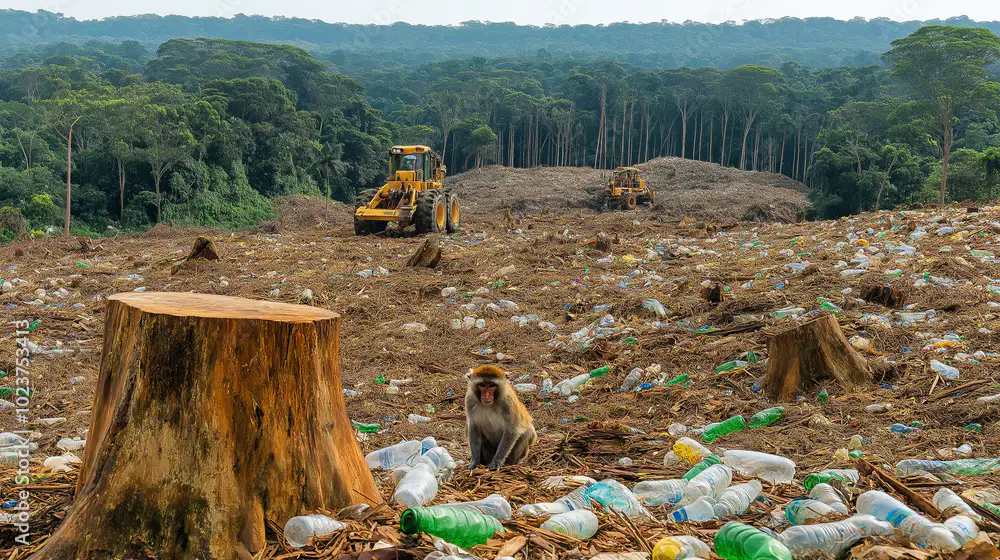
What are the primary causes of habitat loss for endangered species?
Improved conservation efforts.
Increased rainfall and flooding.
Urban development and agriculture expansion.
Natural disasters only.

What is the significance of biodiversity in ecosystems?
Biodiversity only benefits human activities.
Biodiversity decreases the productivity of ecosystems.
Biodiversity contributes to ecosystem resilience and stability.
Biodiversity is unimportant for ecosystem health.
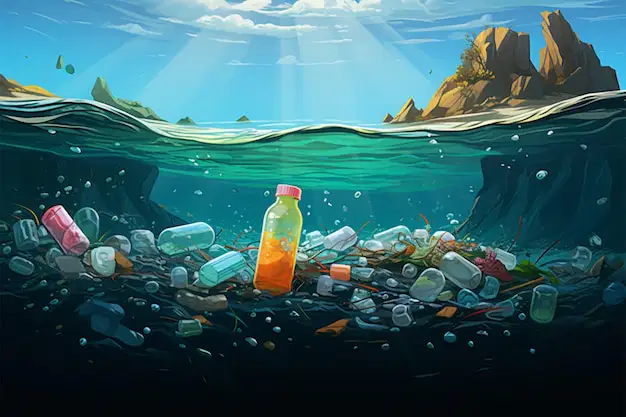
What are the main threats to biodiversity in marine environments?
Natural disasters only.
Urban development and tourism.
Increased rainfall and flooding.
Overfishing and pollution.

How does deforestation affect global carbon levels?
Deforestation decreases the amount of carbon dioxide in the atmosphere.
Deforestation has no impact on carbon levels.
Deforestation contributes to higher carbon emissions, exacerbating climate change.
Deforestation increases carbon absorption by trees.
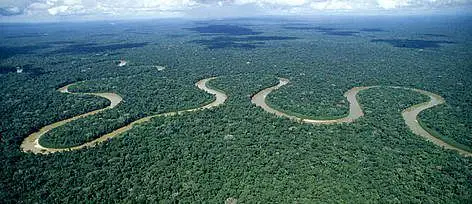
What is the significance of the Amazon rainforest in terms of global climate?
The Amazon rainforest is a major carbon sink, helping to regulate the Earth's climate.
The Amazon rainforest is important for its mineral resources.
The Amazon rainforest has no impact on global climate.
The Amazon rainforest primarily serves as a tourist destination.

What are two examples of carbon sinks on Earth?
Oceans and volcanoes
Volcanoes and rainforests
Oceans and rainforests
Factories and oil rigs
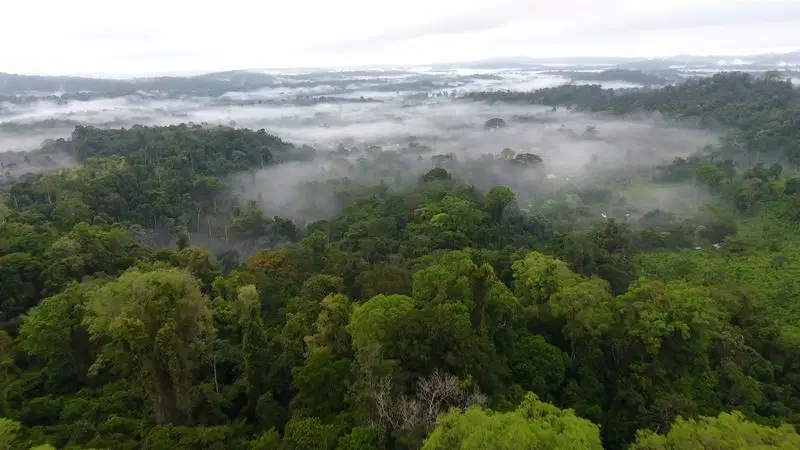
Carbon sinks are...
Natural areas that absorb oxygen from the atmosphere
Natural areas that absorb carbon from the atmosphere
Artificial areas that absorb nitrogen into the atmosphere
Industrial areas that release carbon into the atmosphere

The main reason for the zig-zag shape (peaks and troughs each year) of the warming line on a graph showing average global warming over time is:
Humans being worried about global warming for 6 months but then not caring for the other part of the year
Biodiversity struggling against humanity to fight back against rapid climate change
Carbon dioxide is highly unpredictable so it warms things in zig zags instead of straight lines
Photosynthesis absorbing carbon each spring and then releasing it when plants die later in the year
If a way of life is sustainable, it means:
It can theoretically continue forever, without causing the collapse of the system that supports it
It can continue for a long time before all the food and water runs out due to overconsumption
It cannot continue for much longer, because it is putting too much pressure on habitats and ecosystems
It is cheap and primitive

Which of the following IS a possible consequence if humanity continues on its current unsustainable path?
Biodiversity will regenerate around the world
Global warming will stabilise and could even be reversed
The future of humanity will no longer be at risk
The Amazon rainforest could degrade into a dry savannah
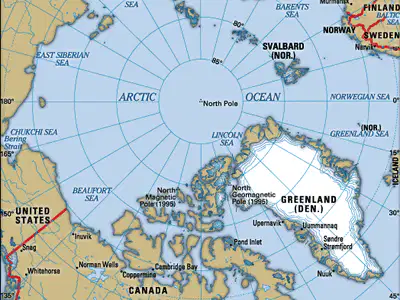
Which of the following would be a consequence of the Arctic becoming completely ice-free in summer?
Less of the sun's energy would be reflected back into space, increasing the speed of global warming even further
More ice would then accumulate in winter, helping sea levels to fall
It would give all the wildlife in the northern polar region a chance to warm up, which would help them
It would stimulate tourism in the region, as people would be able to go swimming there and sunbathe
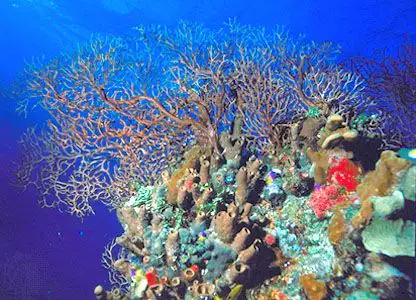
Which of these is a plausible chain of events:
Oceans and seas continue to cool down → coral reefs around the world thrive → all life in the sea immediately goes extinct
Oceans and seas continue to burn fossil fuels → coral reefs around the world get angry → fish populations invade land
Oceans and seas continue to warm and acidify → coral reefs around the world die → fish populations crash
Oceans and seas continue to warm → coral reefs around the world die → humans have more space to fish in the oceans

What is a 'tipping point' in the context of rapid climate change?
The moment when a lumberjack is cutting down a tree and it begins to fall
The safe levels within which we can continue to operate without creating major risk
A point at which a safe limit is exceeded, accelerating change to the point where the process becomes irreversible
A point at which we can more easily reverse harmful changes back in our favour

If large areas of permafrost in the northern regions were to melt, which would be the main harmful greenhouse gas that would be released as a result?
Methane
Carbon monoxide
Hydrogen sulfide
Chlorine dioxide

The main goal of the Paris Agreement (agreed 2015, signed 2016) is:
To limit “the increase in the global average temperature to well below 4°C above pre-industrial levels” and pursue efforts “to limit the temperature increase to 3.5°C above pre-industrial levels.”
To limit “the increase in the global average temperature to well below 2°C above pre-industrial levels” and pursue efforts “to limit the temperature increase to 1.5°C above pre-industrial levels.”
To limit “the increase in the global average temperature to well below 5°C above pre-industrial levels” and pursue efforts “to limit the temperature increase to 2.5°C above pre-industrial levels.”
To limit “the increase in the global average temperature to well below -2°C above pre-industrial levels” and pursue efforts “to limit the temperature increase to -3.5°C above pre-industrial levels.”

Which of the following IS a necessary (and likely effective) step towards a sustainable future and the aversion of a full-blown mass-extinction event?
A phasing-out period and eventual complete shift away from fossil fuels to renewable, clean energy
A general sense of worry among the general public with occasional sharing of stories and reels on social media
Everyone should increase their meat consumption
People around the world should keep having more and more children and girls should not stay in education for very long

Which of the following IS a necessary (and likely effective) step towards a sustainable future and the aversion of a full-blown mass-extinction event?
We must use our fossil fuels to build effective spacecraft to escape our planet and explore other worlds.
We must reach peak global population as soon as possible and at the lowest possible level.
We must all go and live in underground bunkers and live off canned foods such as tuna to avoid the apocalypse.
We should accept our fate and do nothing.
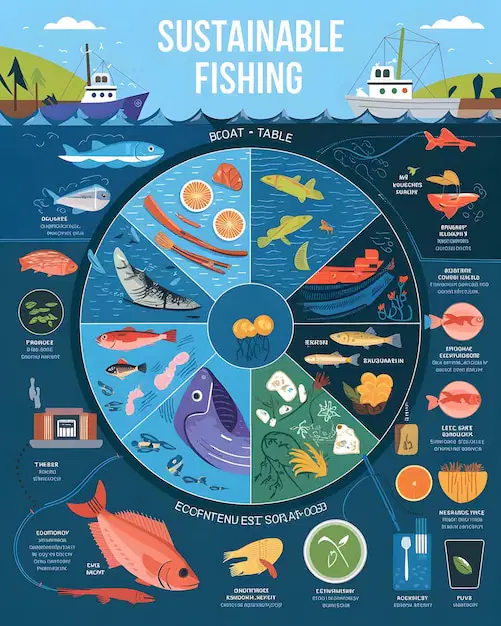
Which of the following are BOTH necessary (and likely effective) steps towards a sustainable future and the aversion of a full-blown mass-extinction event?
More people on the planet (increased population worldwide) = more minds who have a chance of finding the solution to the problem
More satellites in orbit, more information about what we need to do next
More no-fish zones, reducing meat consumption
More economic development, more rich people who have more power than the poor

Which of the following are BOTH necessary (and likely effective) steps towards a sustainable future and the aversion of a full-blown mass-extinction event?
More taxes, less public concern about the topic
More clearing of land for animal agriculture, less reliance on Russian fossil fuels
More deforestation and increased mining to improve technologies, which can help us to colonise other planets and moons more quickly — expanding humanity's overall territory
Reforestation (and stopping deforestation), more efficient and eco-friendly agricultural practices through improved technology and methods
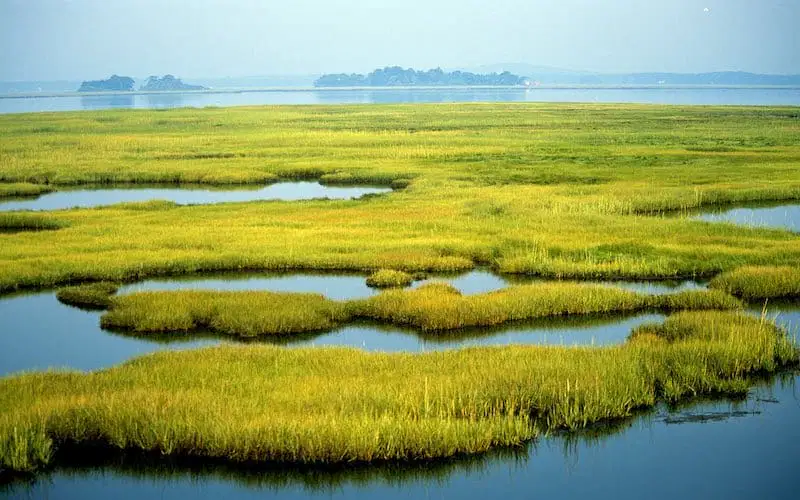
What role do wetlands play in combating climate change?
Wetlands increase the temperature of surrounding areas.
Wetlands act as carbon sinks, absorbing carbon dioxide from the atmosphere.
Wetlands primarily serve as recreational areas for humans.
Wetlands have no significant impact on climate change.

What is the primary cause of ocean acidification?
Excessive fishing practices depleting fish populations.
Pollution from plastics in the ocean.
Natural geological processes releasing minerals into the sea.
Increased levels of carbon dioxide being absorbed by the oceans.

What is the primary impact of climate change on polar bear populations?
No significant impact on their populations.
Increased hunting opportunities due to melting ice.
Loss of habitat due to melting sea ice.
Improved health and reproduction rates.

Which of the following is a significant consequence of ocean acidification?
Coral bleaching and loss of marine biodiversity.
Increased fish populations.
Enhanced growth of phytoplankton.
Improved water quality for marine life.
What is the role of reforestation in combating climate change?
It increases carbon emissions from soil.
It helps restore habitats and sequester carbon dioxide.
It has no effect on climate change.
It primarily serves as a source of timber.
In 2026, average atmospheric carbon dioxide levels are measured at around _________. This is the highest atmospheric CO₂ concentration for _______________.
428 parts per million / over 2 million years
395 parts per million / over 2 thousand years.
405 parts per million / over 200 years
416 parts per million / over 100 years
In February 2026, Global atmospheric carbon dioxide concentration is approximately:
230 parts per million
330 parts per million
395 parts per million
428 parts per million
Global human population in February 2026 is:
Under 8.1 billion
Over 8.2 billion
Approximately 7.9 billion
Exactly 8 billion
Which option contains THREE viable sources of clean, sustainable energy:
Wind, oil and gas
Hydro, gas and petrol
Wind, hydro and solar
Solar, nuclear and coal
In what way do no-fish zones create a desirable feedback loop, or a 'win-win' situation?
Fewer no fish zones → higher fish populations → fewer fish available for food through industrial fishing
More no fish zones → higher fish populations → more fish available for food through sustainable fishing
More no fish zones → lower fish populations → fewer fish available for food through unsustainable fishing
More no fish zones → higher fish populations → more possibilities for building interesting aquariums under the oceans for tourists to visit

Who introduced the concept of planetary boundaries?
Johan Rockström
Greta Thunberg
David Attenborough
Elon Musk

What are planetary boundaries?
Geographical lines drawn on maps that we should not cross in order to preserve biodiversity
Safe limits across different aspects of the environment within which humanity can continue to operate safely
The upper limits of the atmosphere- after which you cross into outer space
Areas of our planet which we will never be able to reach, such as the Earth's core

How many established planetary boundaries are there?
3
6
9
12

Which of the following IS one of the 9 established planetary boundaries?
Proportion of oxygen in the atmosphere
Stability of plate tectonics
Effective surpression of violent earthquakes
Land system change
Which of the following IS NOT one of the 9 established planetary boundaries?
Freshwater change
Biosphere integrity (biodiversity)
Economic growth
Climate change
Which of the following IS one of the 9 established planetary boundaries?
Emotional stress
Overloading with novel entities
Political Institutions
Artificial Intelligence Development
Which of the following IS NOT one of the 9 established planetary boundaries?
Modification of Biogeochemical Flows
Atmospheric Aurora Borealis
Atmospheric Aerosol Loading
Stratospheric Ozone Layer Depletion
Which of the following IS one of the 9 established planetary boundaries?
The border between land and Atlantis
Rising sea levels
Ocean nutrient levels
Ocean acidification
What are two major problems related to novel entities?
Nobody has enough time to read the number of books that are called novels
They usually have different political opinions and speak very different languages
They persist in nature for a long time, and some can disrupt hormonal systems
They make coral reefs turn white, and they instantly freeze any water that they come into contact with
Which of the following is NOT one of the main drivers of rapid climate change?
The burning of fossil fuels
Global population growth
Destruction of carbon sinks and wild habitats
The increase in popularity of plant-based diets
Which of the following is a significant effect of deforestation on climate change?
Increased carbon sequestration (absorption) from the atmosphere.
Losses of biodiversity and habitats.
Enhanced rainfall patterns in deforested areas.
Improved air quality due to less pollution.
What is the role of phytoplankton in marine ecosystems?
Phytoplankton are responsible for the decomposition of organic matter in the ocean.
Phytoplankton are primary producers that form the base of the marine food web.
Phytoplankton are predators that control fish populations.
Phytoplankton have no significant role in marine ecosystems.
Which planetary boundary did we previously exceed but then manage to bring back into a safe operating space due to collective action?
Climate Change
Biosphere Integrity
Ozone Depletion
Freshwater Change
What are the potential consequences of melting ice caps on global sea levels?
Melting ice caps could lead to significant rises in sea levels, threatening coastal communities.
Melting ice caps will have no effect on sea levels.
Melting ice caps will improve the health of marine ecosystems.
Melting ice caps will cause a decrease in ocean temperatures.
Which of the following is a major contributor to ocean acidification?
Plastic pollution in the oceans.
Overfishing of marine species.
Decreased levels of oxygen in the ocean.
Increased levels of carbon dioxide in the atmosphere.
What is the impact of plastic pollution on marine life?
Plastic pollution has no effect on marine life.
Plastic pollution can lead to ingestion and entanglement, harming marine species.
Plastic pollution improves the health of marine ecosystems.
Plastic pollution only affects coastal areas, not open oceans.
Which of the following is a consequence of deforestation?
Improved soil quality and fertility.
More rainfall in the region.
Higher carbon dioxide levels in the atmosphere.
Increased biodiversity in the area.
What role do oceans play in regulating the Earth's climate?
Oceans primarily contribute to air pollution.
Oceans only affect weather patterns, not climate. Therefore, they give is fair indications regarding the likelihood of rain or snowfall, but little else of any significant geographical importance.
Oceans absorb carbon dioxide and heat, helping to moderate global temperatures.
Oceans have no significant role in climate regulation.

What was the approximate global human population in 1927?
500 million people
2 billion people
4 billion people
6 billion people
What is the primary factor that causes the Earth's seasons?
The tilt of the Earth's axis relative to its orbit around the Sun.
The distance of the Earth from the Sun.
The rotation of the Earth on its axis.
The gravitational pull of the Moon.
What is the significance of the Intertropical Convergence Zone (ITCZ) in climate patterns?
It is a region where trade winds from the Northern and Southern Hemispheres meet, leading to increased rainfall.
It is a dry area that contributes to desert formation.
It is a zone of high pressure that prevents cloud formation.
It is a region where ocean currents converge, affecting marine life.
How does urbanization contribute to the urban heat island effect?
By promoting the use of renewable energy sources.
By replacing natural land cover with buildings and roads that absorb and retain heat.
By increasing vegetation cover in cities.
By reducing the amount of traffic in urban areas.
What is the significance of the term 'climate feedback' in climate science?
It refers to the direct impact of human activities on climate.
It is a measure of how quickly climate data is collected.
It describes how changes in climate can amplify or dampen further changes.
It indicates the relationship between weather patterns and climate.
Which of the following statements best distinguishes bioaccumulation from biomagnification?
Bioaccumulation involves the decrease of toxin levels as they move up the food chain, while biomagnification involves the increase of toxin levels over an individual's life.
Bioaccumulation occurs when an individual organism absorbs toxins faster than it can eliminate them, whereas biomagnification occurs when toxin concentrations increase at each successive level of a food chain.
Bioaccumulation only happens in aquatic ecosystems, while biomagnification is a process exclusive to terrestrial animals.
Bioaccumulation describes the movement of toxins between different species, while biomagnification describes the buildup of chemicals within a single plant or animal.
What is the best definition of climate?
The specific atmospheric conditions like rain or sun at a single moment.
The day-to-day changes in temperature and wind speed.
The average weather patterns of a region measured over a long period (usually 30+ years).
The seasonal change in daylight hours as Earth orbits the Sun.

