
 Worksheets
Civics Unit 1 Practice
Total questions: 53
Worksheet time: 33mins
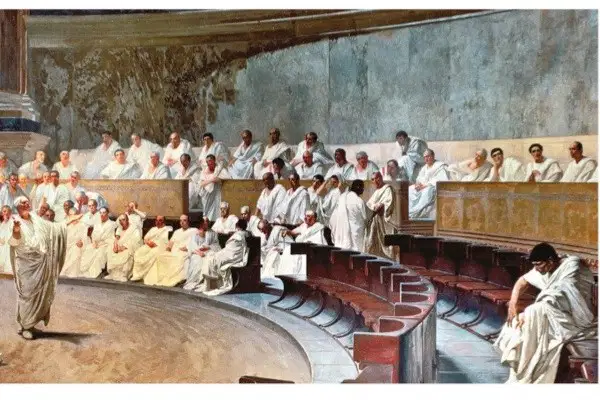
Republican form of government

James is preparing to become a U.S. citizen. What must he complete before he can take the oath of citizenship?
Proof of employment in the U.S. for five years and proof of participation in elections.
A valid passport from any country and proof of address.
A high school diploma or equivalent and approval by Congress.
Completion of the naturalization process including demonstration of proficiency in English.

Diversity
Abigail is considering whether to vote in the upcoming local election. Why is voting a personal responsibility for her?
it has no impact on local issues.
it empowers individuals to influence governance and advocate for their interests.
only for those who are politically active and participate regularly.
because it is mandatory for all citizens in every election.
In the naturalization process why do you have to demonstrate knowledge of United States History?
To fulfill a requirement for employment and being able to vote.
To gain access to public libraries and other resources.
Michael is learning about his responsibilities as a citizen in his social studies class. His teacher asks, "What does civic duty mean?"
Civic duty means participating in sports and recreational activities.
Civic duty is the obligation to pay taxes only.
Civic duty refers to the rights of citizens to vote in elections and participate in political debates.
Civic duty means things citizens are required to do.

Jackson spends his weekends helping out at the local animal shelter without receiving any payment. What is this called?
Volunteering
Paid service
Internship
Charity work
Mia is in a classroom with students from many different backgrounds. She listens to their ideas and respects their beliefs, even if they are different from her own. What is this behavior called?
Acceptance
Indifference
Tolerance
Discrimination
How does the government pay for things like the military or pay its own employees?
The government pays for things like the military and its employees through taxation.
What are things that people should do but voluntarily?
civic requirements
Duties
responsibilities
social civic responsibilities
What do we call a group of people who share the same interests and concerns?
What does it mean to say we give our consent to the government?
How do Americans give their consent to the government?
What is legally required of every adult citizen?
What allows people to choose their leaders and voice their opinions on issues?
Monarchy and representation
Dictatorships and voting
surveys
Democracy in the form of free elections
What does E Pluribus Unum mean?

What is the ruling authority of a community?
Unlike citizens, aliens may not
What might happen if an illegal alien is discovered by the government?
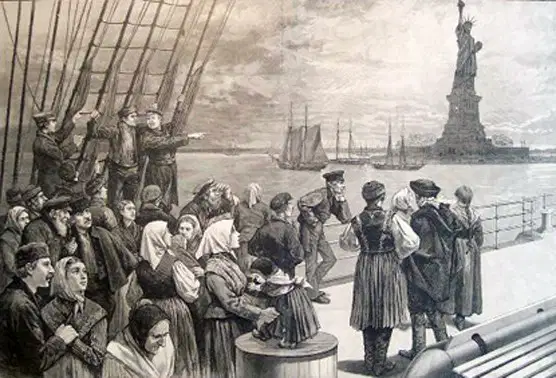
What is the term for a person who moves to a new country?
What is required of citizens to ensure the protection of speech, worship, freedom from want, freedom from fear?
Respecting the rights of others.
What is the first step in the naturalization process?
Submit the application form, pay a fee to your lawyer and attend a Congressional meeting.
Pay the naturalization fee and then take the citizenship test
Filling out an application of intent for citizenship
This Amendment protects the right to equal protection of the law
This is why the 14th Amendment was added to the U.S. Constitution
To limit the power of the federal government over the states.
To protect the rights of property owners who are citizens.
To guarantee citizenship and equal protection for all individuals aimed at former slaves.
The Immigration Act of 1990
The Immigration Act of 1990 reduced legal immigration and eliminated the diversity visa program significantly lowering the amount of people wanting to visit the United States.
The Chinese Exclusion Act of 1882
allowed Chinese laborers to immigrate freely.
a law that promoted Chinese immigration to the U.S.
a law that banned Chinese laborers from immigrating to the United States.
a temporary measure that lasted only one year.
In the US Naturalization process, what is a Declaration of Intention?
In the naturalization process, after filing an application and once the paperwork is checked, what is then completed with a USCIS official?
Background, monetary, education, and work experience check with a USCIS official
In the naturalization process, once the application is accepted and interview complete, what is the final step?
Overtime, this is how immigration has affected American culture, religions, customs, languages, ideas, holidays, foods etc.
Immigration has made American culture more homogeneous and less diverse.
Why do applications take an examination during the naturalization process?
Indian Citizenship Act of 1924
As a U.S. citizen what do you agree to do?
Community
Popular Sovereignty
Social Institutions
Volunteerism
Can aliens vote in elections?
Aliens can vote if they have a visa and U.S. id and passport.
Examples of Duties in the United States required of citizens
Examples of responsibilities, not required by law or punishable, of U.S. Citizens.
Participating in voting, staying informed, and volunteering.
Paying taxes, jury duty, following laws
Emma wants to show her support for how the government is run. What is one way she can give her consent to the government?
Paying taxes
Voting in elections
Participating in protests
Signing petitions
Direct Democracy
Representative Democracy
Absolute Monarchy
Republic
Totalitarianism
a political system characterized by centralized control and absolute authority.
A form of democracy with multiple parties competing for the best interests of all citizens
Ava is studying different forms of government in her civics class. She learns about a country where the king or queen's powers are limited and defined by a set of laws. What type of government is Ava learning about?
A system where the constitution is not followed by the monarch.
A system of government, Constitutional Monarchy, where a monarch's powers are regulated by a constitution.
A form of government without any monarchy.
A government system where the monarch has absolute power.
All persons born or naturalized in the United States, and subject to the jurisdiction thereof, are citizens of the United States and the State wherein they reside.
Based on the 14th Amendment, what are the two ways one can become or be a citizen of the United States?
....nor shall any State deprive any person of life, liberty, or property, without due process of law....
What does the 14th Amendment mean by due process of law?
It allows for arbitrary detention without trial.
It means that laws can be applied selectively to different groups.
it refers to the right to a speedy trial only.
fair treatment through the normal judicial system, especially as a citizen's entitlement.
....nor deny to any person within its jurisdiction the equal protect of the laws.
What does the 14th Amendment mean by equal protection of the law?
It only applies to citizens, not residents who finish the naturalization process.
It law allows for different treatment based on economic status.
It means that laws are only applied to citizens and can be enforced based on economic standing.
It means that every individual is entitled to the same legal protections and treatment under the law, regardless of race, gender, or other characteristics.
The study of the rights and duties of citizens.
(a)

The women in the picture is:
exercising a right and fulfilling a responsibility
obeying a law
violating a responsibility
contributing to public welfare

Refugee

