
 Worksheets
5th Grade TES5 RP2 SY25 Review
Total questions: 60
Worksheet time: 36mins
Marina is trying to make a model that shows Terrance that even though the water was no longer in the pot, it was not destroyed. She wants to show the principle of Conservation of Mass. Which model should she use to help Terrance understand that matter isn't destroyed when it changes?
Water evaporating from a puddle
Weighing a cup of water, freezing it and weighing it again
Mixing oil and water
Burning a log into ash
Said poured 5 cups of water into a bowl two weeks ago and placed it in the freezer. He took the bowl out of the freezer yesterday and accidentally left it on the counter while he was at school. When he returned home from school, the ice had melted in the bowl. Said measured the amount of water that came from the melted ice. Which should be the amount of water that is in the bowl?
6 cups
5 cups
4 cups
7 cups
John wants to create a model that explains the rain shadow effect. He wants to make sure he has the steps in the correct order. Label the events below from 1 to 4. What is the FIRST STEP in the rain formation process?
Clouds fall lower in the atmosphere on the other side of the mountain and carry small liquid water droplets over land.
Water warms and evaporates into the air.
Clouds are redirected higher in the atmosphere by mountains produce rain.
As the water vapor rises in the air, it cools and condenses to form clouds.
John wants to create a model that explains the rain shadow effect. He wants to make sure he has the steps in the correct order. Label the events below from 1 to 4. What is the SECOND STEP in the rain formation process?
Clouds are redirected higher in the atmosphere by mountains produce rain.
Water warms and evaporates into the air.
Clouds fall lower in the atmosphere on the other side of the mountain and carry small liquid water droplets over land.
As the water vapor rises in the air, it cools and condenses to form clouds.
John wants to create a model that explains the rain shadow effect. He wants to make sure he has the steps in the correct order. Label the events below from 1 to 4. What is the THIRD STEP in the rain formation process?
Clouds fall lower in the atmosphere on the other side of the mountain and carry small liquid water droplets over land.
Water warms and evaporates into the air.
Clouds are redirected higher in the atmosphere by mountains produce rain.
As the water vapor rises in the air, it cools and condenses to form clouds.
John wants to create a model that explains the rain shadow effect. He wants to make sure he has the steps in the correct order. Label the events below from 1 to 4. What is the FOURTH STEP in the rain formation process?
Clouds fall lower in the atmosphere on the other side of the mountain and carry small liquid water droplets over land.
Water warms and evaporates into the air.
Clouds are redirected higher in the atmosphere by mountains and produce rain.
As the water vapor rises in the air, it cools and condenses to form clouds.
The engineers in Ocean City, New Jersey, designed a few solutions to beach erosion during hurricanes. Below are the possible solutions. Select the Earth System that is related to the design solutions: "To stabilize the sand, Plant Marsh Grasses"
Atmosphere
Hydrosphere
Geosphere
Biosphere
The engineers in Ocean City, New Jersey, designed a few solutions to beach erosion during hurricanes. Below are the possible solutions. Select the Earth System that is related to the design solutions: "Prevent people from removing sand and rocks in certain areas of the beach."
Geosphere
Atmosphere
Hydrosphere
Biosphere

According to this graph, most (97%) of the water on Earth is what type of water?
saltwater
freshwater
Most (96.5%) of the water on Earth is what type of water?
Saltwater in the ocean
Freshwater in lakes and rivers
Saltwater frozen and underground
Why is Most of Earth's TOTAL water supply not useable?
How much of Earth's water is FRESH?
70%
97%
3%
30%
Geo =
Earth/ Ground
Water
Sphere
Life
Hydro =
Water
Sphere
Earth
Life
The Geosphere is...
Earth's solid surface, All of Earth's rock, soil and ground
Frozen water on Earth
All liquid water on Earth
A 100km thick layer of gases
All living things on earth are part of the….
Hydrosphere
Biosphere
Geosphere
Cryosphere
Earth is divided into four different spheres. Which statement is true about the interaction between two of these spheres?
Air in the sky
Rain clouds forming from water evaporated from the ocean
Water in the ocean
Which of the following provides the best example of an interaction between the hydrosphere and the atmosphere?
Consistent patterns of wind change the shape of landforms.
Carbon dioxide gas is released into the air by living things.
Water vapor in the air is taken into plants through their leaves.
The oceans evaporate into water vapor in air, that eventually condenses and forms clouds
What causes pollution?
trash
memes
the ocean
fish
Which represents the distribution of water on Earth?
97% freshwater, 3% salt water
3% freshwater, 97% salt water
29% freshwater, 71% salt water
71% freshwater, 29% salt water
What is Water Pollution?
Water that flows in lakes only
When a body of water becomes contaminated with chemicals, waste, and other pesticides, making it harmful for animals and humans.
Water that comes from mountains and flows into dams and lakes
Water that is healthy for human and animals to drink and use

The graph shows the distribution of water on Earth's . What can be concluded from this image?
Most of the freshwater on Earth is found in groundwater.
Most of the Earth's freswater is found on the surface.
Most of Earth's water is found in the oceans.
Most of the freshwater on Earth is not able to be used.
Is the water that was on the earth millions of years ago still on earth today?
No Way!
YES!
What process occurs when an abundance of water is stored in clouds?
Precipitation
Collection
Conservation
Evaporation
Which of the following terms refers to all of Earth's water?
dew point
hydrosphere
precipitation
water cycle
Melting Ice
Physical Change
Chemical Change
Dissolving a solid into a liquid is..
evidence of a chemical reaction
NOT evidence of a chemical reaction
What is the process by which a chemical change occurs?
Conservation of Matter
Condensation
Chemical reaction
Physical Change
What always happens during a chemical change?
The total mass of the material changes
The material and its properties change
The material changes state from a solid to a liquid
The material dissolves
Which is NOT a sign that a chemical reaction has occurred.
change in color
A change in mass
production of an odor or smell
bubbling
Which is not evidence that a chemical reaction has occurred?
Freezing
Change in temperature or heat
Production of flames
Production of light
Which is not evidence that a chemical reaction has occurred?
dissolving
Change in temperature or heat
Production of flames
Production of bubbles or gass
The total mass after a chemical reaction is the same as the total mass before a chemical reaction.
True
False
What is a property?
A substance that forms in a chemical reaction.
Quality or characteristic of an individual or thing.
In chemistry, the change that happens when two or more substances act on each other to form a different substance.
Composed of more than one element, ingredient, or part.
Which of the following is a physical change?
A compound
Rusty metal
Getting a haircut
Sour milk
What type of change occurs when a new substance is formed that has different properties from the original substances?
chemical change
mutation
physical change
nuclear change
According to the law of conservation of mass...
atoms are lost and gained
atoms are never lost nor gained
sometimes atoms are gained
sometimes atoms are lost
_____ result(s) in no new substances.
None of the above
A physical change
Physical and chemical changes
A chemical change
The Law of Conservation of Mass states
that matter exists in all states and reacts the same
that matter exists in the same state throughout any chemical change
that matter can only be changed into new substances by introducing a catalyst
that matter cannot be created or destroyed and that the mass of the products must equal the mass of the reactants
Which is an indication that a chemical reaction occurred.
Bubbles form
All of these
None of these
Change in Odor
Change of Color
Dissolving sugar in water is an example of a
chemical change
physical change
The word interact means...
to avoid
to act independently or separately

Which two pieces of data from the lab notebook show that matter is conserved in this investigation?
Mass before is 471 g and mass after is 471 g
Temperature before is 21.4 C and temperature after is 19.8 C
Clear blue/light blue liquids before and blue liquid/dark blue solid precipitate after
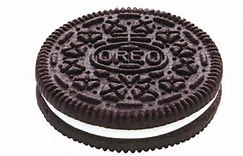
An oreo cookie weighs 20 grams. It gets crushed into crumbs for a recipe. How much do its crumbs weigh?
15 grams
25 grams
20 grams
Rain, sleet, snow, and hail are examples of ___________.
evaporation
condensation
clouds
precipitation
Which process in the water cycle involves water vapor cooling and changing back into liquid form?
Infiltration
Evaporation
Condensation
Precipitation
Sarah presented an idea for recycling used tires to an automotive company. If she followed the engineering design process, what was the first step in developing her idea?
identifying a problem to solve
selecting the best solution
building a prototype
What percentage of the earth's water is salt water?
3%
25%
71%
96.5%
To "conserve" water means
to save water
to clean water
to use water
to waste water
Which process in the water cycle involves water vapor rising and forming clouds?
Condensation
Precipitation
Evaporation
Runoff
What happens to water vapor once it forms clouds in the water cycle?
It remains in the atmosphere indefinitely.
It falls back to Earth's surface as precipitation.
It breaks down into hydrogen and oxygen.
It gets absorbed by the sun.
A practice in which people attempt to use resources wisely is called _________________.
wasting
throwing away
taking for granted
conservation
Which of the following is NOT a method for conserving natural resources?
Leaving the water on while brushing your teeth
Recycling paper
Turning off the light when not in use
packing lunch in a reusable container
Which of the following is a way to reduce water use for plants in your yard?
Using Bottled water
Water your grass everyday day and night
use the water collected in rain barrel
A student wants to demonstrate how the atmosphere interacts with the hydrosphere.
Which model could the student make to show this interaction?
A drawing of rain clouds forming in the sky.
Separate sketches of a a cloud in the sky and a puddle.

