
 Worksheets
9.2 Saving Quiziizizizizizizizzzz
Total questions: 42
Worksheet time: 21mins
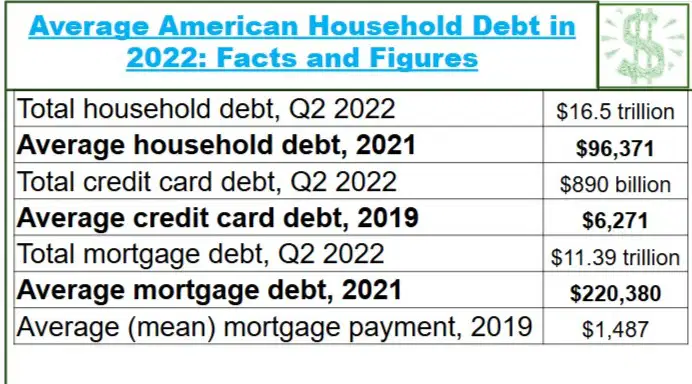
What was the total household debt in the second quarter of 2022?
$16.5 trillion
$11.39 trillion
$890 billion
$96,371
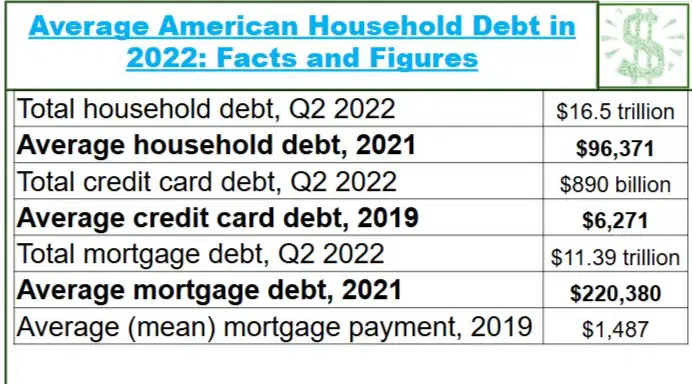
What was the average household debt in 2021?
$96,371
$220,380
$6,271
$1,487
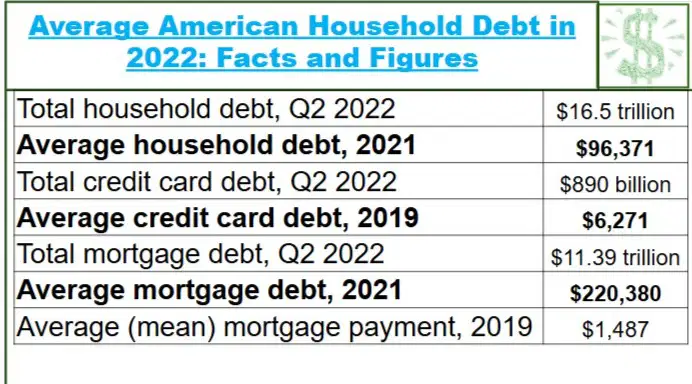
How much was the total credit card debt in the second quarter of 2022?
$890 billion
$16.5 trillion
$11.39 trillion
$220,380
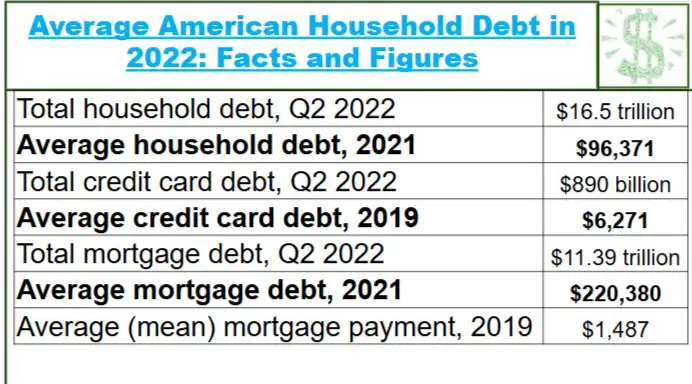
What was the average mortgage debt in 2021?
$220,380
$96,371
$1,487
$6,271
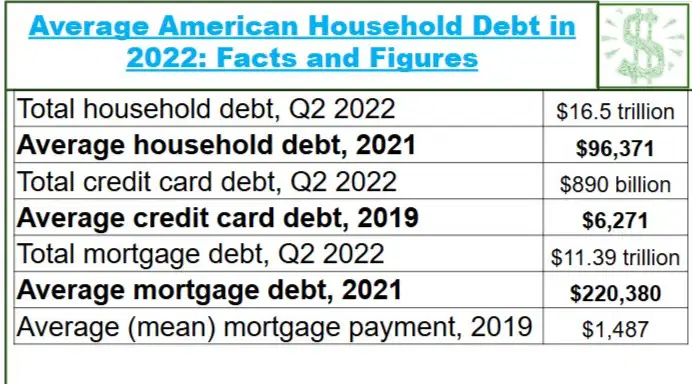
What was the average (mean) mortgage payment in 2019?
$1,487
$6,271
$220,380
$96,371
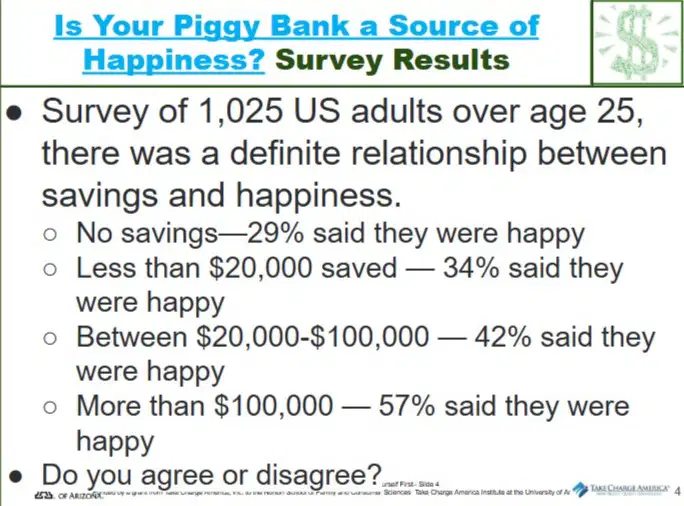
According to the survey, what percentage of US adults with no savings reported being happy?
29%
34%
42%
57%
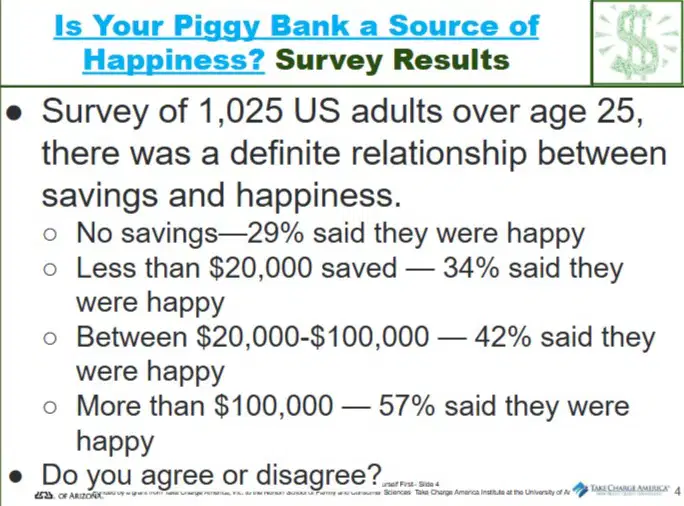
What was the reported happiness percentage for those with more than $100,000 in savings?
29%
34%
42%
57%
What is one challenge people face when trying to save money?
Lack of motivation
Excessive income
Too much free time
Overabundance of resources
Why is it important to maintain an emergency fund?
To buy luxury items
To cover unexpected expenses
To invest in stocks
To pay for vacations
What does analyzing the value of saving money help with?
Understanding spending habits
Increasing debt
Reducing income
Ignoring financial goals
What is a savings goal?
A plan to spend all your money
A target amount to save for future needs
A method to increase expenses
A way to avoid budgeting
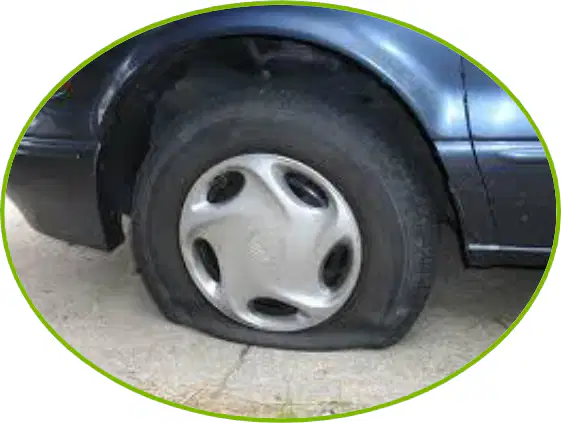
What is one purpose of savings according to the video?
To spend on luxury items
To prepare for unexpected events
To invest in stocks
To pay for vacations
Which of the following is NOT listed as an ideal use for savings in the video?
Emergency vet visits
Flat tires
Buying a new car
Appliance breaking
What might people resort to if savings aren't available for emergency expenses?
Use debt such as credit cards or loans
Sell personal belongings
Ask friends for money
Ignore the emergency
What is a potential consequence of not having savings for emergencies?
Financial freedom
Financial stress
Increased savings
Improved credit score
What lifestyle change might occur if savings aren't available for emergencies?
Traveling more frequently
Living a more luxurious lifestyle
Unable to live the accustomed lifestyle
Spending more on entertainment
What is one reason to save money according to the presentation/video?
To spend on luxury items
The future is unpredictable
To avoid paying taxes
To lend to friends
Why should money be saved according to the video?
To buy a new car
To pay for unexpected events or emergencies
To invest in stocks
To travel the world
What benefit does saving provide according to the video?
It allows for more shopping
It provides a state of well-being
It increases social status
It guarantees wealth
Which of the following is a fun reason to save money?
Medical bills
Vacation
Groceries
Rent
How much savings is considered financially secure according to the recommended amount?
At least three months worth of expenses
At least six months worth of expenses
At least nine months worth of expenses
At least twelve months worth of expenses
If a household has $2,000 per month of expenses, how much should they have in savings to be financially secure?
$6,000
$8,000
$12,000
$15,000
What percentage of your gross pay is recommended to save according to the steps to reach savings?
5%
10%
15%
20%
Where is the safest place to save money according to the diagram?
Piggy Bank
Coffee Can
Jar
Depository Institution
What is a depository institution?
A place where you store physical goods
A business that offers financial services to people
A company that sells insurance
A type of retail store
What is one benefit of using a depository institution?
Money is not insured
Money is insured from loss
Money is guaranteed to double
Money is only accessible online
What type of accounts do depository institutions offer?
Accounts that charge high fees
Accounts that earn interest
Accounts that lose money
Accounts that are only for businesses
What is the standard insurance amount provided by the FDIC?
$100,000
$250,000
$500,000
$1,000,000
What does the FDIC protect?
Depositors' funds in case of bank failure
Stock market investments
Real estate properties
Personal loans
Has any depositor ever lost insured deposits since the FDIC was created?
Yes, frequently
Yes, occasionally
No, never
Only during economic crises
What is interest?
The money you earn when you save
The money you lose when you invest
The money you spend on groceries
The money you receive as a gift
What is another definition of interest?
The money you spend on entertainment
The money you spend when you borrow
The money you save for retirement
The money you earn from a job
What is a savings account primarily designed for?
Holding money for daily expenses
Storing emergency funds
Investing in stocks
Paying off loans
What is a characteristic of the interest rates on a savings account?
High rates
Variable rates
Low rates
No interest
How does the liquidity of a savings account compare to other savings tools?
Less liquid than checking accounts
More liquid than other savings tools except checking accounts
Equally liquid as investment accounts
Not liquid at all
What does the Pay Yourself First strategy suggest you do with your money?
Spend it all immediately
Set aside money for saving before spending
Invest in stocks first
Use it for entertainment
Why is it important to follow the Pay Yourself First strategy?
It creates a habit and state of well-being
It allows you to spend more on luxury items
It helps you avoid paying taxes
It encourages borrowing money
What is the definition of a "Goal" according to the learning material?
A task to be completed daily
A short-term objective
End result of something a person intends to accomplish
A random wish
What is a "Financial Goal" as described in the learning material?
A general life aspiration
Specific objectives to be accomplished through financial planning
A daily budget plan
A list of expenses
What is one of the main benefits of setting goals?
Helps identify and focus on items that are most important
Ensures you never make mistakes
Guarantees financial success
Eliminates all stress
How do goals assist in decision-making?
They make decisions for you
They guide decision-making to help achieve what is most important
They prevent all bad decisions
They ensure you always choose the cheapest option
Which of the following is an example of prioritizing goals?
Choosing saving for a vacation over spending money on a coffee
Buying a new phone instead of paying bills
Spending all your money on entertainment
Ignoring financial planning

