
 Worksheets
Financial Foundations Final 2025_VA
Total questions: 47
Worksheet time: 47mins

Which of the following is an example of a type of credit?
Savings account
Credit card
Checking account
Certificate of deposit
What is the primary purpose of a budget?
To increase spending
To track and manage income and expenses
To avoid paying taxes
To apply for a mortgage
Which document is typically required when filing your annual taxes?
W-2 form
Lease agreement
Credit report
Bank statement
What is a mortgage?
A type of investment
A loan used to purchase real estate
A retirement account
A credit card

Which of the following is considered a basic investment?
Savings account
Stocks
Credit card
Mortgage

Which of the following is a common retirement planning strategy?
Opening a 401(k) account
Taking out a payday loan
Applying for a mortgage
Using a credit card for daily expenses

Which of the following is NOT a type of credit?
Auto loan
Personal loan
Debit card
Mortgage
Which budgeting technique involves dividing your income into categories such as needs, wants, and savings?
Zero-based budgeting
50/30/20 rule
Envelope system
Line-item budgeting

If you want to reduce the amount of interest paid on a mortgage, which strategy would be most effective?
Making only minimum payments
Making extra principal payments
Skipping payments
Extending the loan term

Which of the following best describes the process of tax filing?
Applying for a loan
Reporting your income and paying any taxes owed to the government
Opening a savings account
Investing in stocks
If you want to start investing but have a low risk tolerance, which investment option is generally considered safer?
Stocks
Bonds
Cryptocurrency
Options

Which of the following is a key step in planning for retirement?
Estimating future expenses and income needs
Applying for a credit card
Taking out a payday loan
Buying a new car
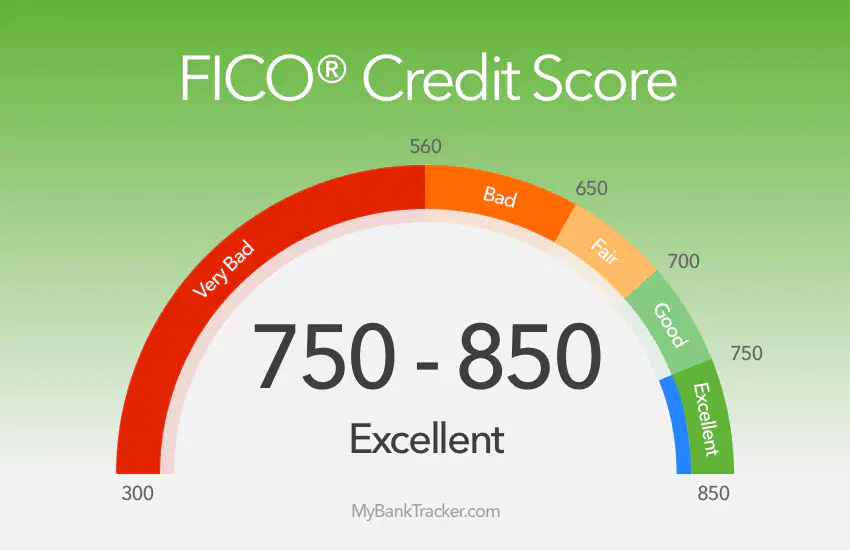
A student wants to build credit but avoid paying interest. Which is the best approach?
Use a credit card and pay the full balance each month
Take out a payday loan
Only use cash for purchases
Max out the credit card
You have a monthly income of $ 1,200. Your monthly fixed expenses are $700, and you want to save 20% of your income. How much can you spend on variable expenses each month?
$240
$260
$500
$300
You are preparing to file your taxes and realize you have multiple sources of income. What should you do to ensure accuracy?
Only report your main job
Report all sources of income and keep documentation
Ignore any income under $100
File without checking your records
If you want to maximize your retirement savings, which combination of actions would be most effective?
Start saving early, contribute regularly, and take advantage of employer matching
Wait until age 50 to start saving
Only save when you have extra money
Withdraw funds early for emergencies

You have $1,000 to invest and want to balance risk and return. Which strategy best demonstrates diversification?
Invest all $1,000 in one stock
Split the $1,000 between stocks, bonds, and a savings account
Put all the money in a checking account
Buy only cryptocurrency
A person is struggling to stick to their budget each month. What is a strategic step they could take to improve their budgeting success?
Track spending and adjust categories as needed
Ignore the budget and hope for the best
Spend more on wants than needs
Stop saving money

You are considering taking out a student loan to pay for college. What should you evaluate before making a decision?
The interest rate, repayment terms, and your future earning potential
The color of the loan application
Whether your friends are also taking loans
The number of pages in the loan agreement
What does the M in SMART stand for?
Maximum - there are no limits for goals
Memorable - a goal must be easily remembered
Measurable - a goal must have some kind of number attached so you have a way to know if you are reaching the goal.
Mental - you have to be able to think about the goal.
Why is it important that your goals have deadlines
You need details
So you know what you are trying to accomplish
So you can tell if you have accomplished it or not
So you will actually work towards achieving it in a timely manner

This is money charged by a bank for a service
bank money
service charge
account fee
service account fee
Why is it important to maintain a good credit score? (select all that apply)
To get better interest rates on loans
To help you get approved for an apartment
To help lower the amount of taxes you owe
Because it can take a long time to raise a low credit score
A family is trying to reduce their monthly expenses. Which of the following is a flexible expense they could adjust?
Mortgage payment
Utility bills
Car insurance premium
Property taxes
What is the main advantage of a secured loan?
lower interest rates
require collateral
have higher interest rates
have higher risk
Each of the following represents an installment loan EXCEPT...
Home mortgage
Auto loan
Student loan
Credit card
Match the following
A person who has permission to use and/or carry another person's credit card, but isn't legally responsible for paying the bill.
Authorized User
A credit card benefit that pays the cardholder a small percentage of their net expenditures, often as cash, payment toward their balance, reward points, travel miles, or gift cards.
Cash Back
A method of debt financing that enables individuals to borrow and lend money without the use of a financial institution as an intermediary.
Peer-to-Peer Lending
Original amount of money borrowed, separate from interest or fees.
Principal
A monthly record of your account transactions provided by your credit card company electronically or on paper.
Statement
Why would credit card companies prefer that their cardholders make the minimum monthly payment every month rather than paying their total balance in full?
This is required by federal law for tax purposes
This allows the card holder to pay their bill quickly and close the card when they’re ready
This enables the credit card company to make more money
This helps cardholders develop financial independence

Trudy tells her mom that she wants to buy a house within two years of graduating from college. Her mom says Trudy will need a down payment first. What is a down payment?
A loan taken from a bank
A large sum of money you pay when taking out a mortgage so that the principal of your loan is smaller
A type of insurance policy
A monthly installment for a mortgage
Select the statement below that accurately describes a characteristic of a credit card.
You owe the same payment every month
You must have money deposited into a checking account to use the credit card for purchases
Making full payments on-time every month is the only way to avoid interest charges
They do not charge interest
Credit card disclosure: "Your due date is at least 25 days after the end of the billing cycle. We will not charge you interest on new purchases provided that you have paid your previous balance in full by the due date each month." Identify the true statement.
If you make the minimum payment on your card within the 25 day period, the credit card company will not charge you interest
If you pay your previous balance in full by the due date, you will not be charged interest on new purchases
You will always be charged interest on new purchases regardless of when you pay your balance
The 25 days after the end of the billing cycle is referred to as the grace period
If her top priority is having the lowest monthly payments possible, which advice should she follow?
Put in $0 for your down payment, and choose a loan with a short term length
Put in $2500 for your down payment, and choose a loan with a short term length
Put in $3500 for your down payment, and choose a loan with a long term length
Put in $5000 for your down payment, and choose a loan with a long term length
Danya has found her dream home, and it’s on the market for $200,000. Each of these is a way she can decrease the total amount she’ll pay EXCEPT…
Increase her down payment
Qualify for a lower interest rate
Choose a shorter loan term
Choose a mortgage with a higher APR
What is opportunity cost?
the value of the next best option that is not selected when a choice is made.
there is not enough of it.
things people make to earn money.
actions people do to earn money.
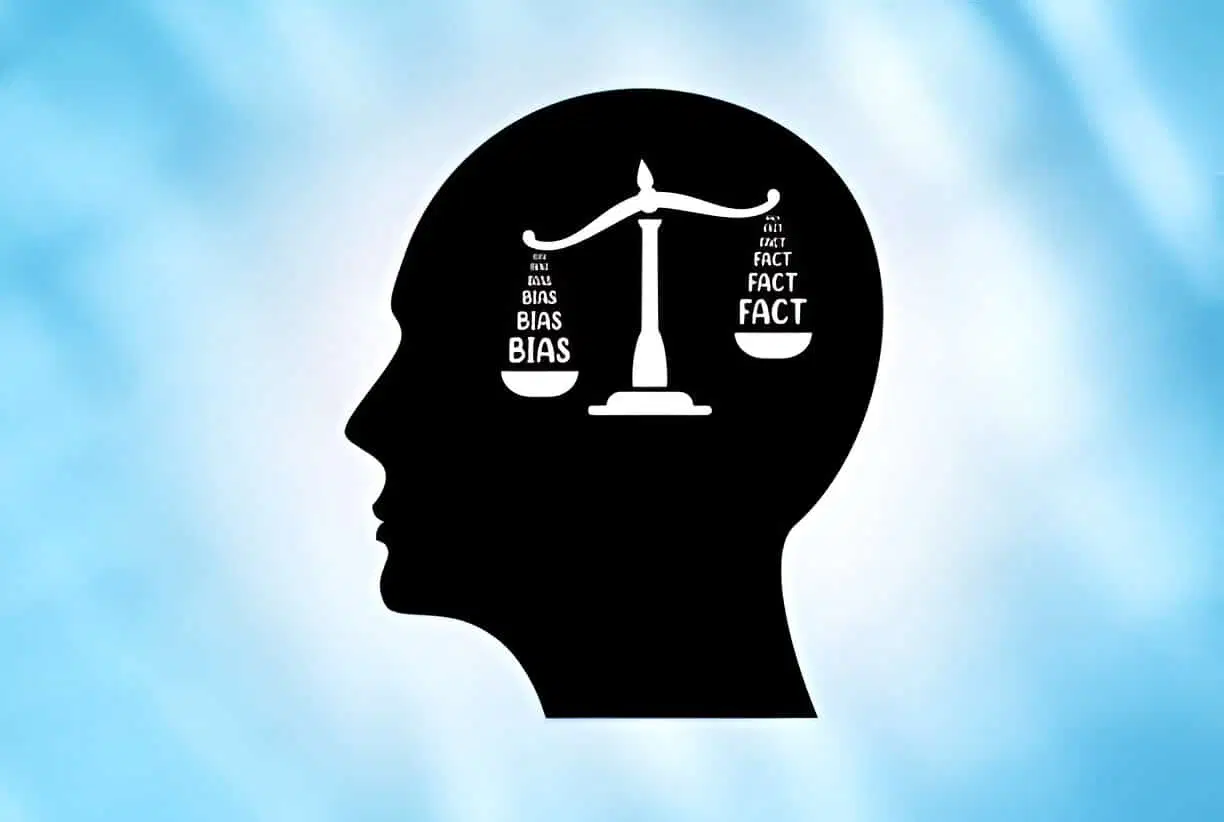
The practice of making financial decisions based on emotional rather than rational factors is studied in:
Behavioral economics
Endowment effect
Overestimation
Herd mentality

When someone continues an investment strategy because they've already spent time learning it, they demonstrate:
Hedonic adaptation
Loss aversion
Sunk cost fallacy
FOMO
Reinvesting earned interest back into the principal to allow money to grow exponentially over time.
Interest
Compound Interest
Interest Rate
Recurring Interest
Credit allows for purchases without cash.
True
False
Match the following types of investments with their explanation
Stocks
represents a fraction of the ownership of the issuing corporation
Bonds
essentially loans to a corporation or governmental body
Mutual Funds
allows you to invest in all three categories of investments with a smaller amount of money
Cash Alternatives
Includes savings accounts, money markets, CDs, guaranteed investment contracts, etc
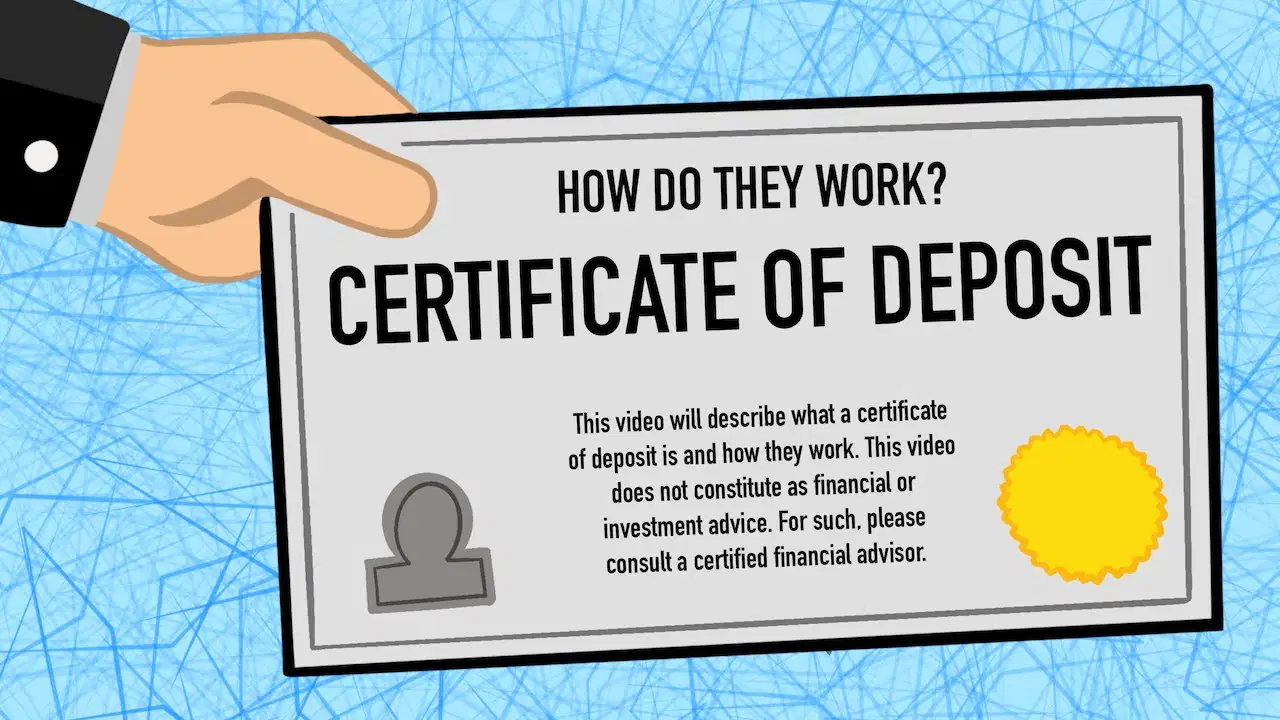
What is a certificate of deposit?
They represents ownership of a corporation. Stockholders own a share of the company and are entitled to a share of the profits as well as a vote in how the company is run.
A mutual fund is an “IOU,” certifying that you loaned money to a government or corporation and outlining the terms of repayment.
A saving certificate with a fixed saving period and fixed interest rate
Assets - Liabilities =
Net Worth
Share
insolvent
personal inventory

What is the first rule of financial literacy?
Spend your money - you earned it.
Always put your money in a safe place.
Never lend money to friends.
Pay yourself first.

