
 Worksheets
untitled
Total questions: 56
Worksheet time: 3hrs 6mins
A water molecule has the chemical formula H2O. This means that the water molecule is made up of
Two hydrogen atoms and one oxygen atom
Two oxygen atoms and one hydrogen atom
Two hydrogen atoms and two oxygen atoms
Two molecules of water
Cohesive means ........
the water molecules stick to each other
the water molecules stick to other surfaces
the water molecules are less dense
the water molecules are far apart
Cohesive means ........
the water molecules stick to each other
the water molecules stick to other surfaces
the water molecules are less dense
the water molecules are far apart
Adhesive means ........
the water molecules stick to each other
the water molecules stick to other surfaces
the water molecules are less dense
the water molecules are far apart
Water striders can walk on water because of ____________.
capillary action
adhesion
surface tension
universal solvent
Why is water so good at dissolving so many substances?
it is polar
it is less dense as a solid
cohesion
adhesion


Water will not dissolve oil, therefore, oil is not ______
adhesion
cohesion
gas
polar
The intermolecular forces consequence of the attraction of the positive and negative poles of water molecules are called...
Oxygen bonds
Covalent bonds
Hydrogen bonds
Ionic bonds
What kind of molecule is water?
Ionic
Polar Covalent
Nonpolar Covalent
Metallic
Which of the following can water NOT dissolve?
Salt
Sugar
Oil
Baking Soda
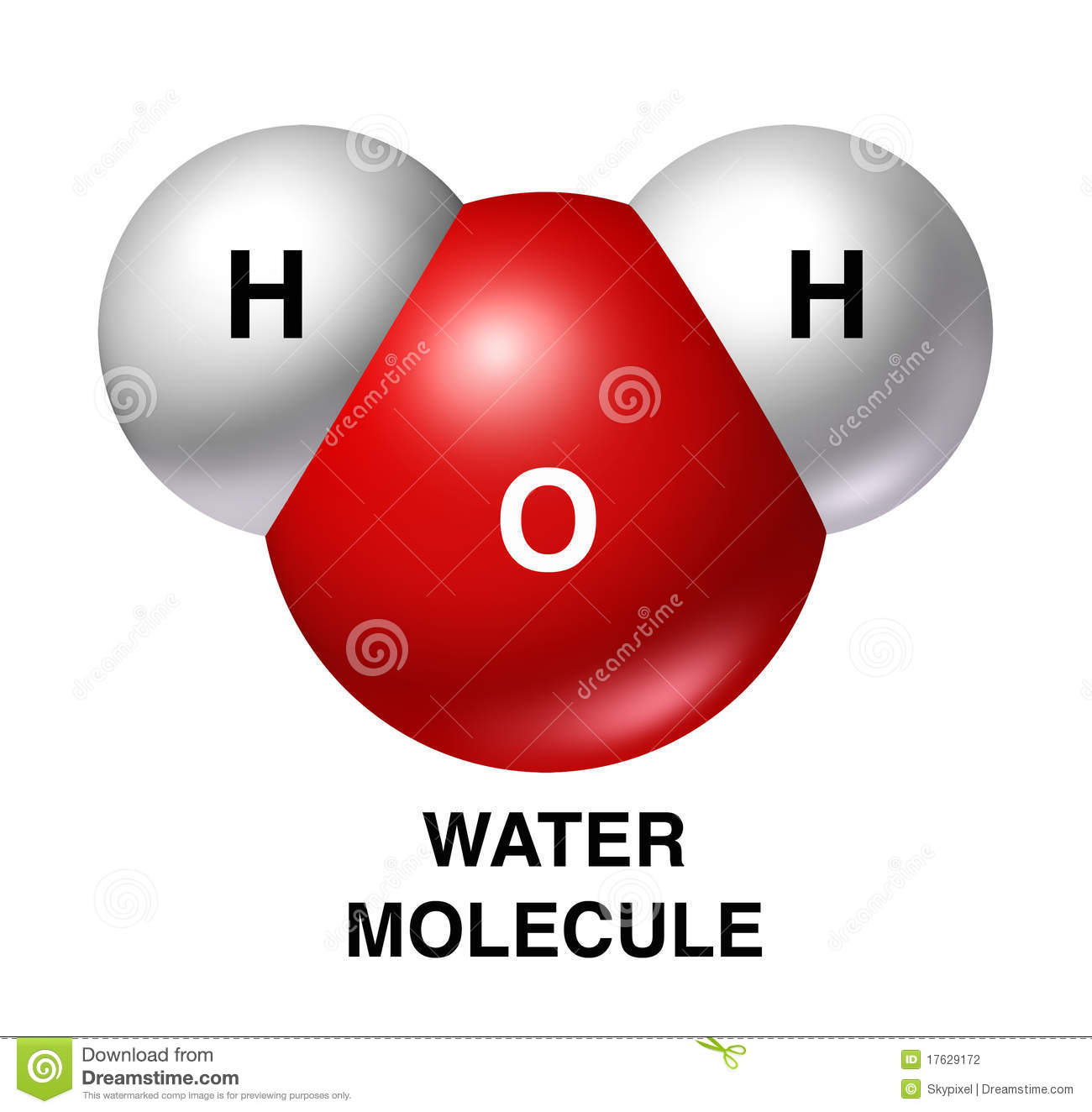
Which part of a water molecule has a Positive Charge?
The Hydrogen
The Oxygen
The Top
The Bottom
Which of the following can water NOT dissolve?
Ionic Compounds
Polar Compounds
Nonpolar Compounds
What is the correct chemical formula for water?
H2O
HO2
H2O2
2H1O
Which of the following is an example of COHESION?
water sticking to water
water sticking to glass
oil sticking to plastic
hydrogen sticking to oxygen
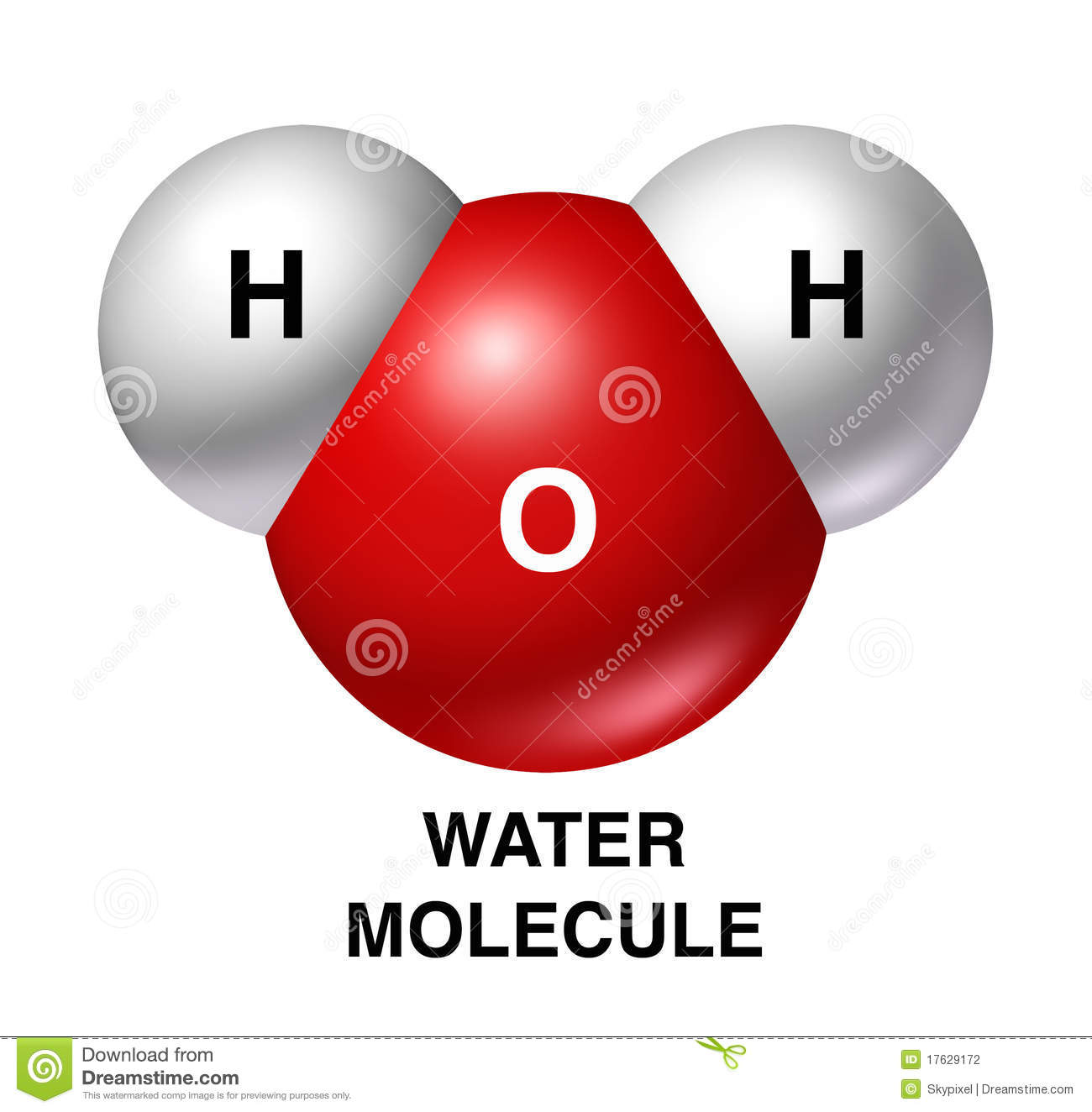
Which part of a water molecule has a Negative Charge?
The Hydrogen
The Oxygen
The Left
The Right
Water is polar. What does that mean?
it is a molecule with opposite charges on opposite ends
it is a molecule with no charge
it is a molecule with identical charges on opposite ends
it is a molecule with too many protons
Water sticks well to many materials. What term relates to this property of water?
cohesion
adhesion
density
surface tension
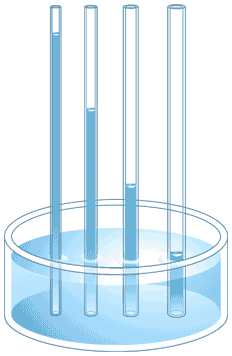
What is the term for water's ability to defy gravity and climb up a tube?
Capillary Action
Specific Heat
Universal Solvent
Magic
At what temperature does water Freeze?
0o C
100o C
32o C
-273o C

A water strider can skate along the top of a pond because:
covalent bonds result in water cohesion (surface tension)
hydrogen bonds result in water cohesion (surface tension)
water striders have adapted to take advantage of water cohesion
water striders are afraid of water and avoid it
At what temperature does water Boil?
0o C
100o C
32o C
212o C
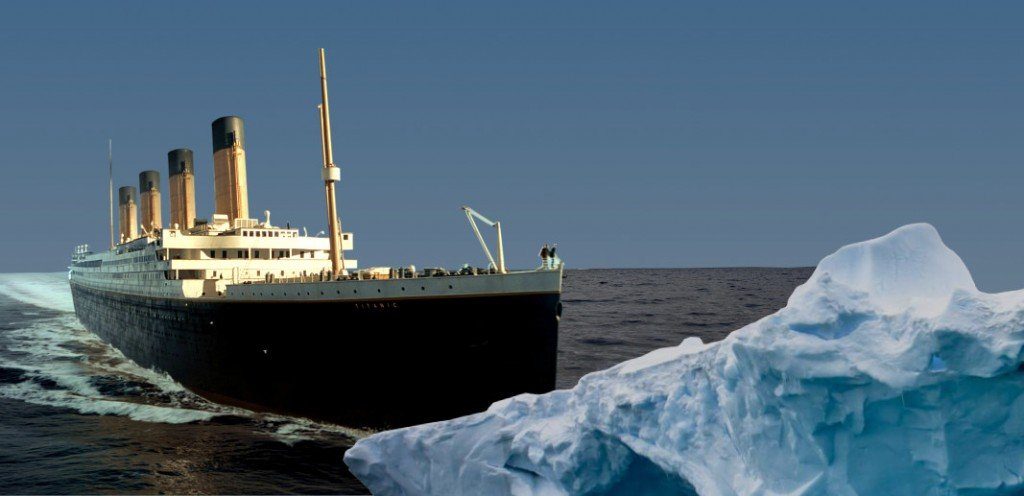
Why does ice float?
water expands when it freezes, making ice less dense than water
water compacts when it freezes, making ice more dense than water
hydrogen bonds in water push the ice to the surface
ice is afraid of water, and avoids it
Which part of a water molecule has a Positive Charge?
The Hydrogen
The Oxygen
The Top
The Bottom
Which of the following is the CORRECT list of water's properties?
Read Carefully!
adhesion, cohesion, high specific heat, universal solvent
adhesion, cohesion, low specific heat, universal solvent
adhesion, no cohesion, low specific heat, universal solute
no adhesion, cohesion, high specific heat, universal solute

You body sweats to help prevent you from overheating. How does water regulate temperature?
it lets heat pass through it
it absorbs a lot of heat, then decreases in temperature
it absorbs a lot of heat, but only increases a little in temperature
heat is afraid of water and avoids it
Water sticks well to many materials. What term relates to this property of water?
cohesion
adhesion
density
surface tension
What is the term for water's ability to defy gravity and climb up a tube?
Capillary Action
Specific Heat
Universal Solvent
Magic
Why does ice float?
water expands when it freezes, making ice less dense than water
water compacts when it freezes, making ice more dense than water
hydrogen bonds in water push the ice to the surface
ice is afraid of water, and avoids it
Which of the following is an example of COHESION?
water sticking to water
water sticking to glass
oil sticking to plastic
hydrogen sticking to oxygen
What is the correct chemical formula for water?
H2O
HO2
H2O2
2H1O
Water is polar. What does that mean?
it is a molecule with opposite charges on opposite ends
it is a molecule with no charge
it is a molecule with identical charges on opposite ends
it is a molecule with too many protons
Water sticks well to many materials. What term relates to this property of water?
cohesion
adhesion
density
surface tension
What is the term for water's ability to defy gravity and climb up a tube?
Capillary Action
Specific Heat
Universal Solvent
Magic
A water strider can skate along the top of a pond because:
covalent bonds result in water cohesion (surface tension)
hydrogen bonds result in water cohesion (surface tension)
water striders have adapted to take advantage of water cohesion
water striders are afraid of water and avoid it
Why does ice float?
water expands when it freezes, making ice less dense than water
water compacts when it freezes, making ice more dense than water
hydrogen bonds in water push the ice to the surface
ice is afraid of water, and avoids it
What two properties of water allow plants to take in water and move it upwards into their leaves?
adhesion
cohesion
universal solven
density anomaly
heat capacity
Why is water a polar molecule?
the electrons are unevenly distributed
hydrogen has stolen an electron from oxygen
because opposites attract
oxygen has given an electron to hydrogen
Water generally has _______ specific heat than rock or air.
higher
lower
the same
Water _________ when it freezes, making it ______ dense.
expands; more
contracts; more
expands; less
contracts; less
Filling a cup of water fuller than the top without spilling is an example of water displaying ____________.
cohesion
adhesion
A drop of water sticking to a windshield is an example of water displaying ____________.
cohesion
adhesion
A water bug walking across the top of water due to surface tension is an example of water displaying ____________.
cohesion
adhesion
Water creeping up the side of a straw is an example of water displaying ____________.
cohesion
adhesion
A water molecule sticking to another water molecule is an example of water displaying ____________.
cohesion
adhesion
A water molecule sticking to a dissimilar surface is an example of water displaying ____________.
cohesion
adhesion

