
NEW
Font size
 Worksheets
Unit 1: Chemistry Review
Total questions: 30
Worksheet time: 15mins
Which is a physical property of matter?
Toxicity
pH
Boiling point
Flammability
Which is a chemical change?
Melting wax
Dissolving powder
Rusting
Dicing an onion
Which of the following is true about baking?
It is a physical change
It is a chemical change
It is a mixture
It is a radioactive change
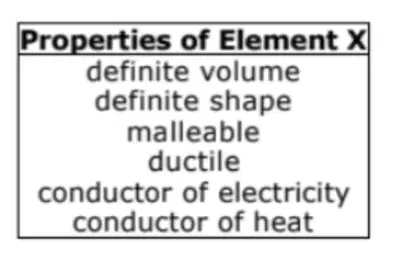
Below are properties listed for element X. What is TRUE about these properties?
None of the statements below are true
They are all chemical properties.
They are all physical properties.
They are both physical and chemical properties
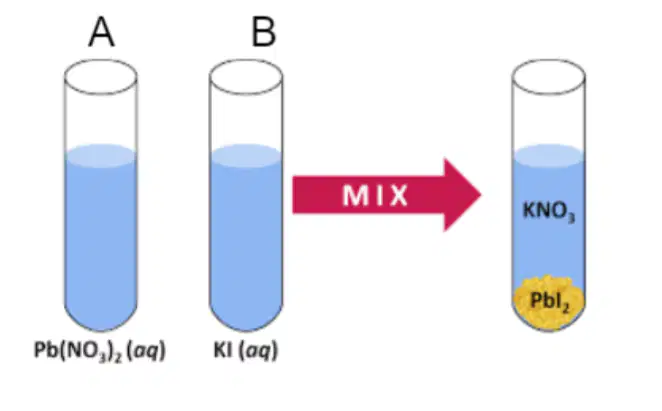
Jose and Josh poured two liquid substances A and B together. They then observed the formation of a precipitate. Which statement below is true?
It made a radioactive substance.
It is a physical change.
The substances did not change physically or chemically; they separated.
It is a chemical change.
Mrs. Price has a 100 gram cube of silver (Ag). If she cut it in half, then which statement below would be true?
It is a physical change because she changed its density.
It is a physical change because she changed its shape and volume.
It is a chemical change because it would dissolve in acid faster.
It is a chemical change because it would be more malleable.
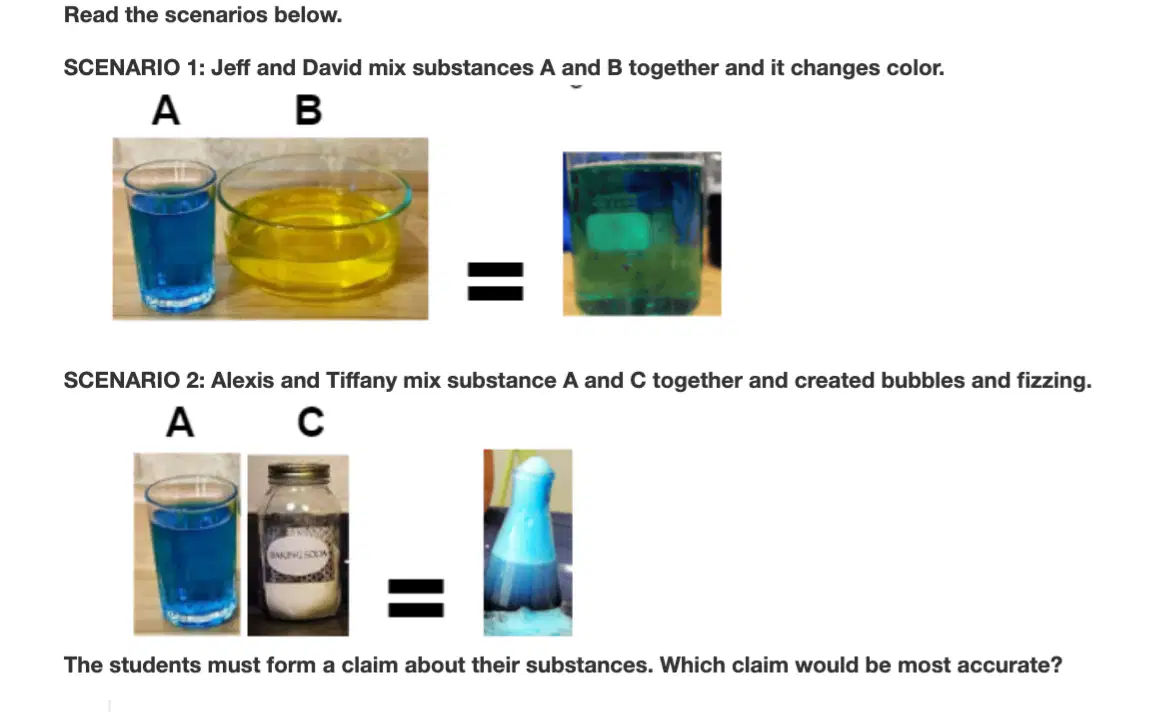
The students must form a claim about their substances. Which claim would be most accurate?
A new substance has formed in both scenarios; we know this because we observed bubbles and color change.
A new substance has formed in scenario 1; we know this because we observed color change.
A new substance has formed in scenario 2; we know this because we observed bubbles.
Neither scenarios formed a new substance; we know this because we observed bubbles and color change.
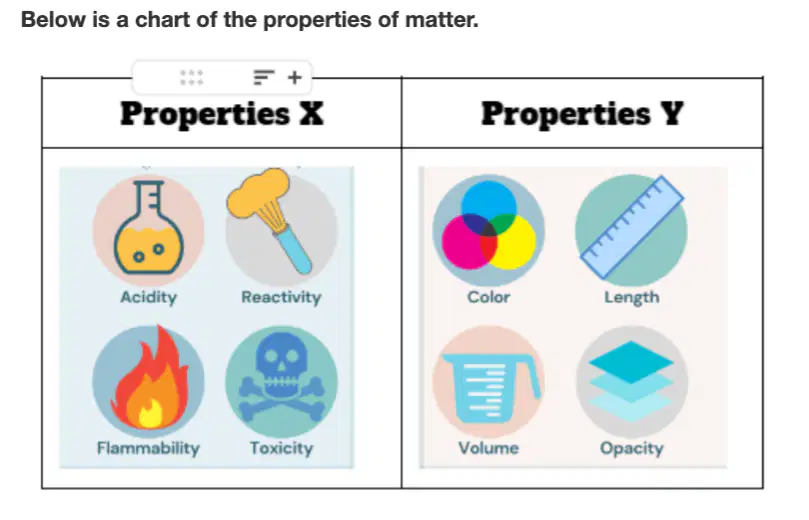
Which statement is true about the properties X and Y?
When observing properties Y the substance will be changed on a molecular level, whereas when observing properties X it will not change the matter.
When observing properties X & Y the substance will be changed on a molecular level.
When observing properties X the substance will be changed on a molecular level, whereas when observing properties Y it will not change the matter.
When observing properties Y & X the substance will not be changed on a molecular level.
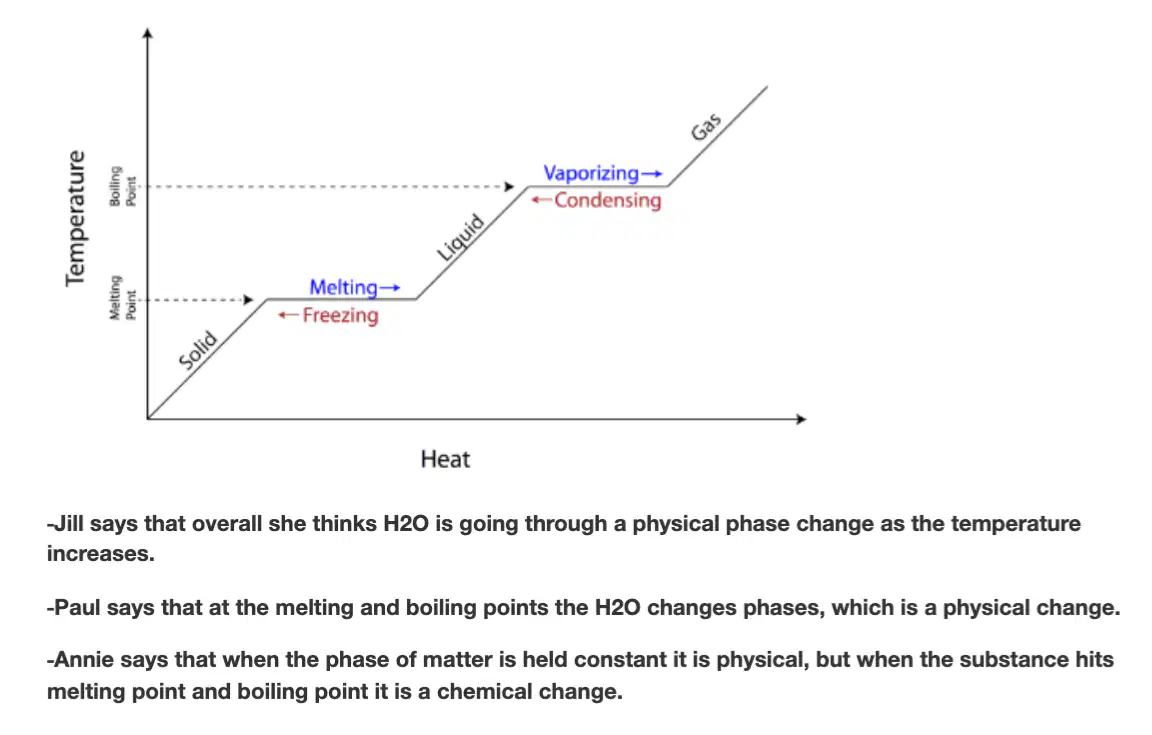
A class tracked the temperature and heat being added to H2O over time. Which conclusion is correct?
Jill is correct
Paul and Annie are correct.
Annie is correct.
Paul & Jill are correct.
Which set of words would correctly fill in the blanks? (PS.8.1.5) “On the right side of the equation are the chemicals made by the reaction which are called ____, and on the left side of the equation are the starting materials which are called the ______.”
Reactants / Products
Products / Reactants
Catalysts / Inhibitors
Solvents / Solutes
How is the law of conservation of mass applied in chemical equations?
The mass of the products and the reactants are the same.
The mass of the products and the reactants are increasing.
The mass of the products and the reactants are decreasing.
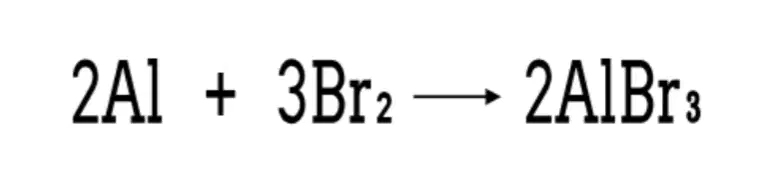
If 54 grams of Aluminum (Al) are combined with 474 grams of Bromine (Br) how many grams of product, AlBr₃, will be produced?
25,596 g
548 g
528 g
420 g
If Carter was doing an experiment where a substance bubbled and fizzed quickly when she dropped a substance into the beaker then placed a lid quickly on top. This created a closed system reaction, what would happen to the total mass?
Mass would increase
Mass would decrease
Mass would stay the same
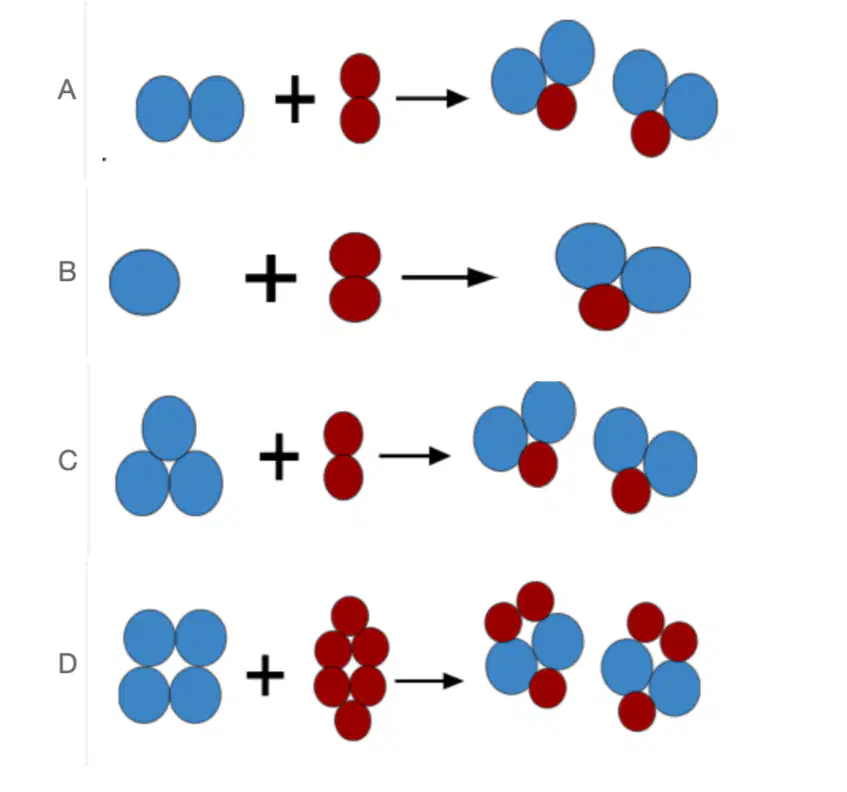
Which model best shows the Law of Conservation of Matter?
Model A
Model B
Model C
Model D
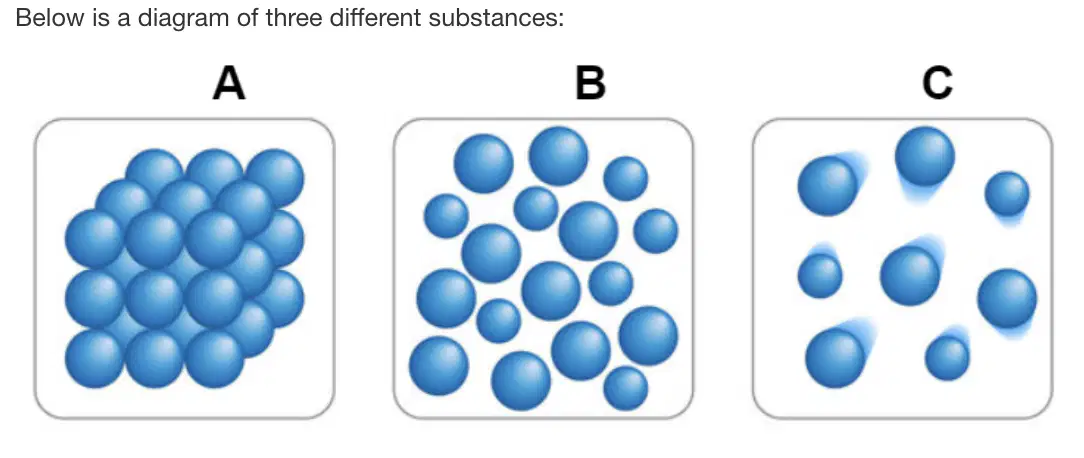
Which of the following choices below best matches the diagrams shown?
A=Solid B=Liquid C=Gas
A=Gas B=Liquid C=Solid
A=Liquid B=Solid C=Gas
A=Solid B=Gas C=Liquid
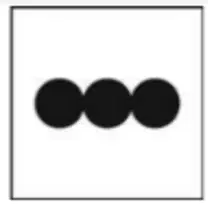
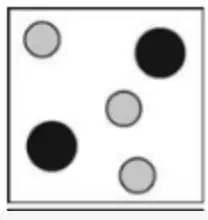
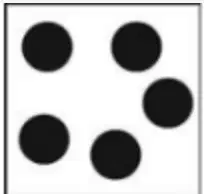
Which BEST represents a compound?
A substance is made up of only one type of atom. Which explanation describes how to classify this substance?
The substance is a mixture because it is made of one type of atom.
The substance is a compound because it is made of one type of atom.
The substance is an element because it is made of one type of atom.
The substance cannot be identified with this information.
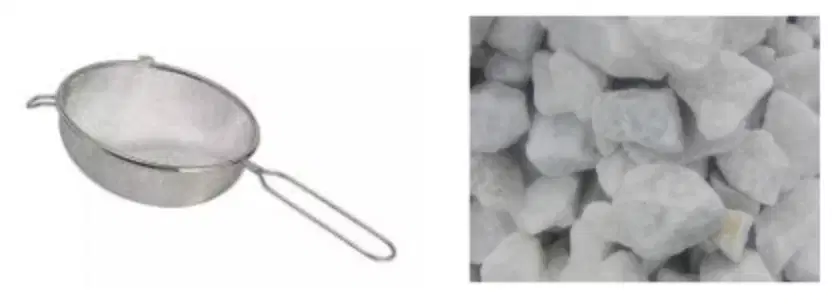
A student pours 100 grams of sediment into a strainer/filter. 40 grams of powder fell through, while 60 grams did not. Which of these identifies the substances?
element
compound
mixture
chemical reaction
How many different element(s) are in CaCO₃?
1
2
3
4
If a liquid has a random blend of molecules and compounds and is NOT uniformly blended, then it would be categorized as what?
An element compound
A homogeneous Mixture
A Halogen
A heterogeneous Mixture
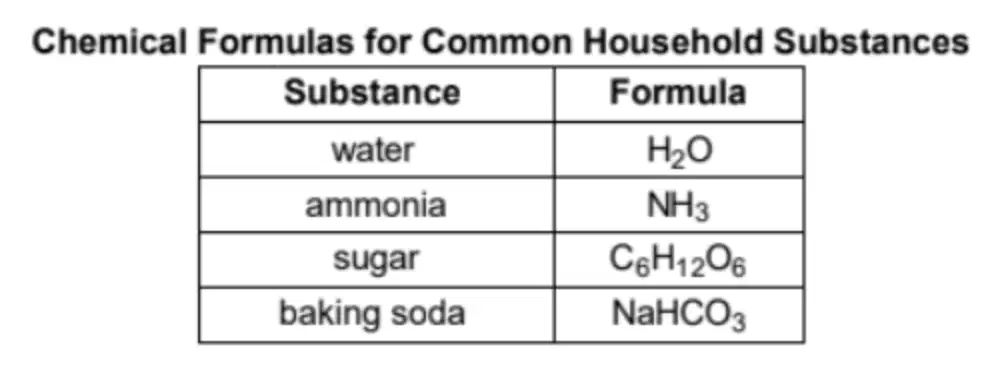
The table shows the chemical formulas for several common substances. How many atoms are found in AMMONIA?
5
4
3
1
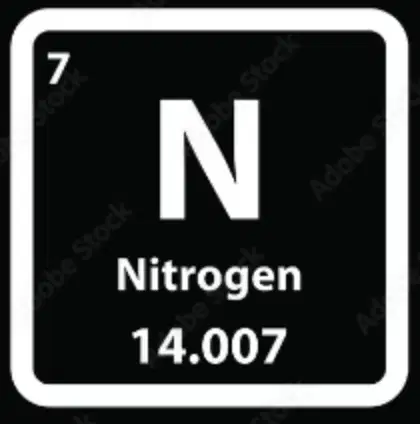
The image shown is of Nitrogen from the periodic table.
What does the number 14.007 stand for?
Atomic freezing point
Atomic number
Valence electrons
Atomic Mass
Which subatomic particle of an atom determines what type of element it is?
neutrons
protons
electrons
nucleus
Which statement below is true about the nucleus?
It is the smallest part of an atom.
It holds all the subatomic particles within it.
It has less mass than electrons.
It is composed of both protons and neutrons.
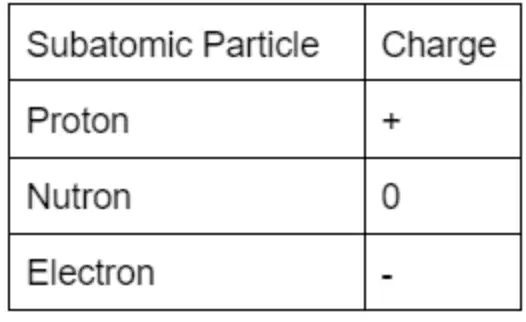
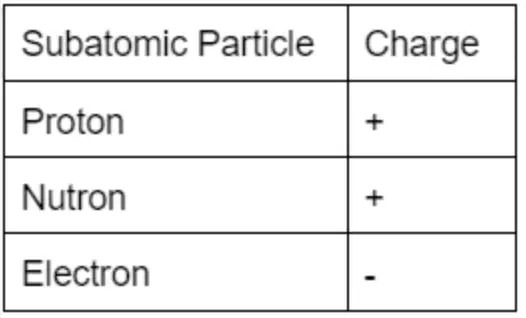
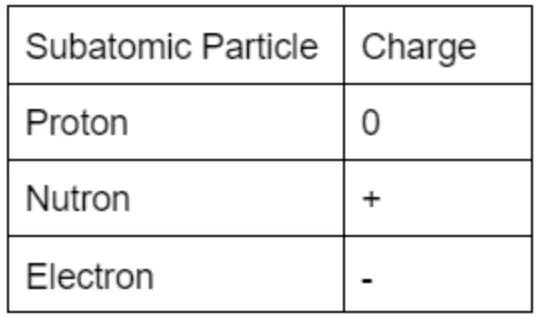
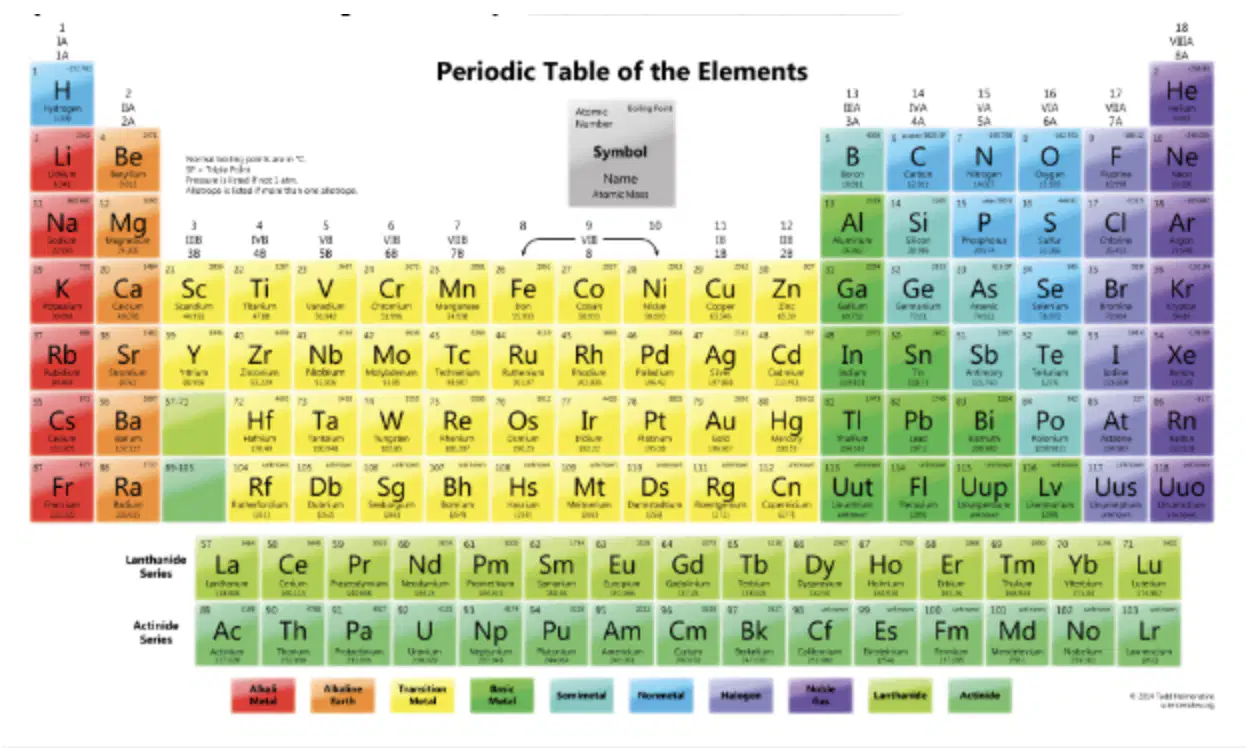
Which chart below is correct about the subatomic particles that make up an atom?
The periodic table is organized by ___________________.
an element’s protons, which is its atomic number.
an element’s protons, which is its atomic mass.
an element’s neutrons, which is its atomic number.
an element’s protons & neutrons, which is its atomic mass.

Which pair of elements has the most similar properties?
I & Ca
K & He
N & P
O & Og
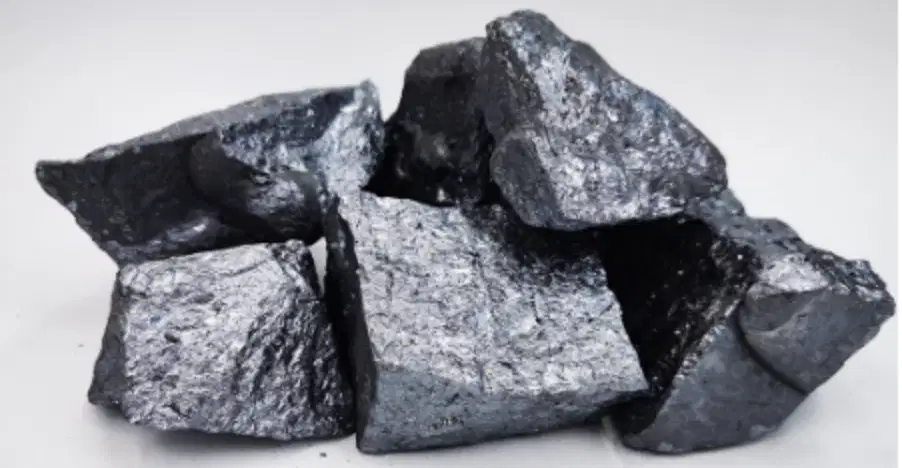
The professor provides a mystery box with a random substance inside to each student in the class. He asks students to identify each mystery box substance as either a Metal, Non-metal, or a Metalloid.
Student 1 observes her substance is solid, shiny, bendable and cool to the touch.
Student 2 observes her substance is solid, dull, and also recognizes it as the same substance used inside of microchips
Which conclusion is most likely correct?
Kim has a metal & Jackie has a metalloid.
Kim has a non-metal & Jackie has a metalloid.
Kim has a metalloid & Jackie has a metal.
Kim has a metal & Jackie has a non-metal.

A student examines a Periodic Table with 2 elements ( X and Y) labeled.
How can X and Y be classified?
Both X and Y are metals.
Both X and Y are metalloids.
X is a nonmetal, and Y is a metal.
X is a metal and Y is a nonmetal.

Refer to the Periodic Table.
Which element has metal and nonmetal properties?
Ar
Cl
Si
Zn

