
 Worksheets
Global 9 Fall Semester Final Review
Total questions: 102
Worksheet time: 34mins


Which areas was NOT part of Alexander's Empire?
Rome
Egypt
Greece
Persia

What is Hellenism?
Alexander's war strategy
The mix of Greek, Persian, Egyptian, and Indian culture
The religion of the Greeks
The alliance between the Greeks and Macedonians

In Alexander's empire, what name did he give to many new cities?
Alexopolis
Alexy
Alexandria
Alexandme
What is NOT one of the cultures of Alexander's empire?
Persian
Greek
Egyptian
Mesoamerican
What is "philosophy"?
Thinking and writing about the meaning of life
hatred of war
a great teacher
ultimate scholar
In a direct democracy, citizens vote for ____________
all laws and decisions
taxes
representatives to make laws
presidents to make laws

Look at the building. Which architectural feature is in the Greek Style?
Sunroof
Grassy Lawn
Vaults
Columns

What is the enduring impact of Greek architecture?
Greek buildings are still in perfect condition
U.S. government buildings still copy Greek styles
Greek architecture is not useful for buildings
Everyone forgot about Greek architecture
Where was democracy invented?
Rome
Athens
The United States
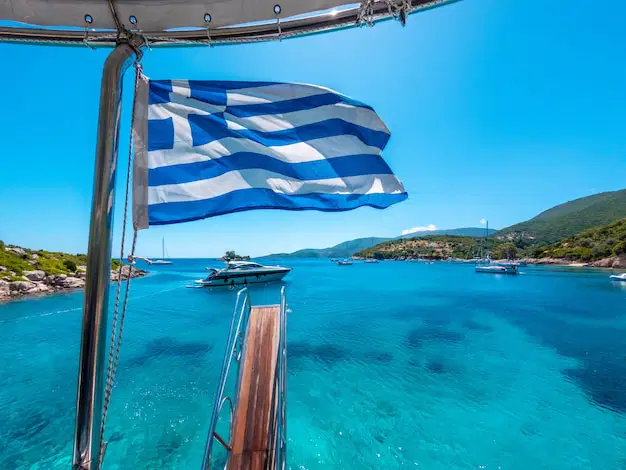
What large body of water was essential to Greece's development?
The Red Sea
The Mediterranean Sea
The Persian Gulf
The Dead Sea
Greece is made up of hundreds of islands
True
False
The Greeks used the word polis to refer to
the concept of excessive pride.
loyalty to a central government.
the city-state.
the pursuit of truth.
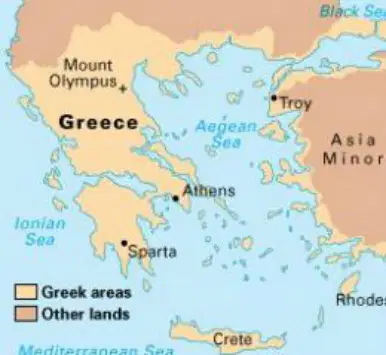
How were Athens and Sparta similar?
They were both militaristic states.
They were both democracies.
They were both monarchies.
They were both city-states


What type of religion were the Greeks?
Polytheistic
Monotheistic
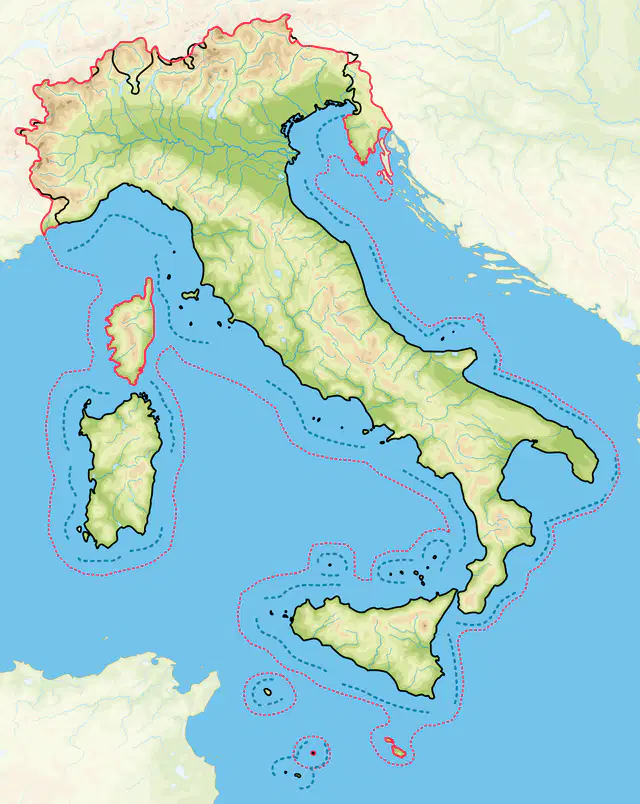
In geographic terms, Italy is _________ .
An island
A mountain range
A peninsula
A continent
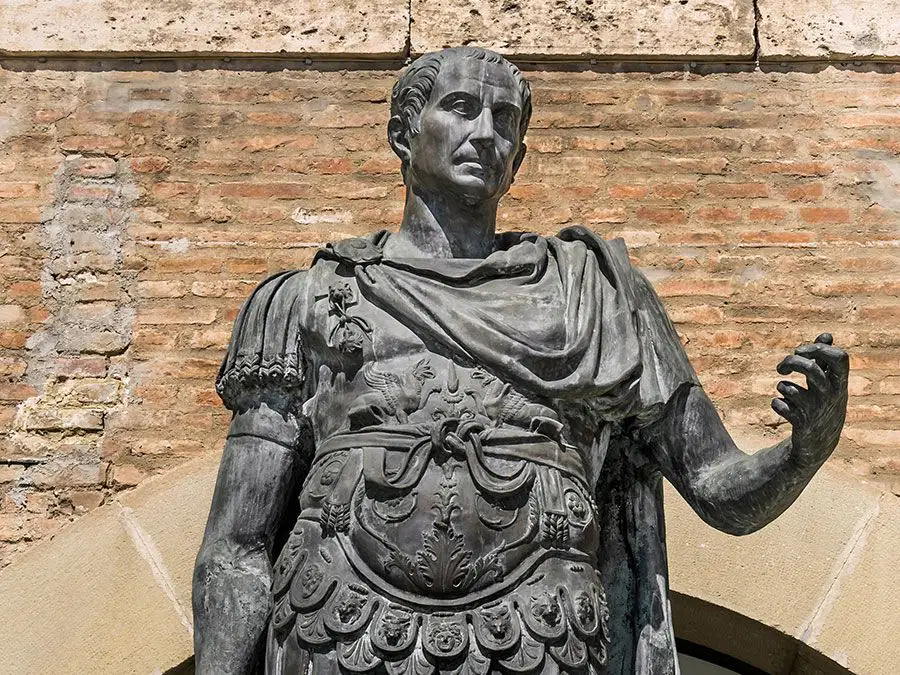
What Roman general became the first Roman dictator?
Julius Caesar
Hadrian
Augustus
Nero
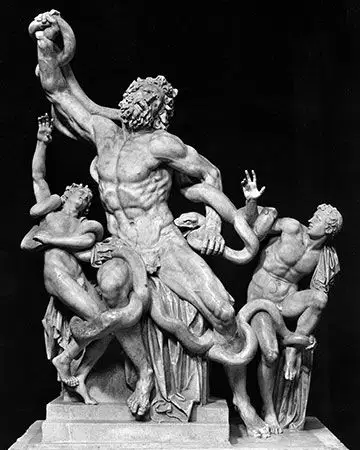
What is the name of the mix of Roman and Greek cultures during the Roman Empire?
Latin culture
Hellenism
Greco-Roman
Roman-Judeo
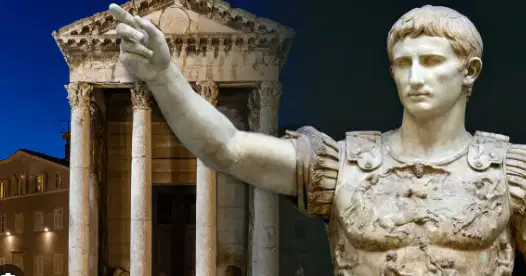
Which Roman Emperor established the Pax Romana (200 years of peace)?
Augustine
Nero
Titus
Augustus


What new Roman invention in architecture is this?


What was the main reason that the Roman Empire began to fall?
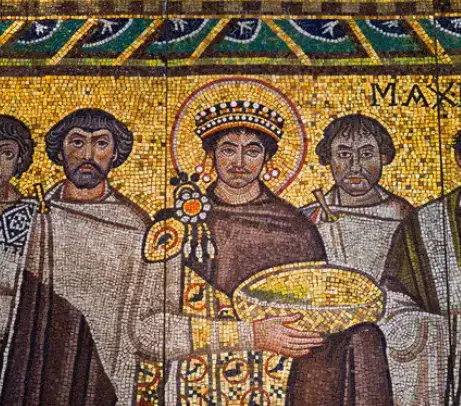
Who was the most impressive Emperor from the Eastern Roman Empire?
Augustus
Diocletian
Justinian
Theodosius
Why did the Roman Empire begin to decline?
It got too big
Attacks from outside
Increased taxes & food shortages
All of the above.
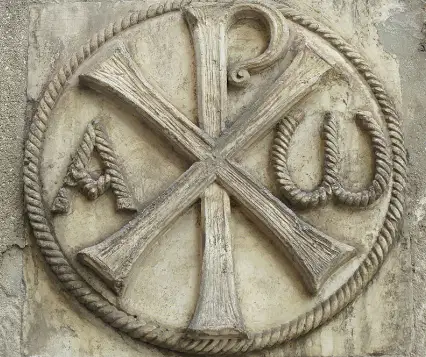
Christianity is based on the teachings of this historical figure.
Justinian
Augustus
Confucius
Jesus

After the Western Roman Empire fell, what did the Eastern Roman Empire become?
Eastern Roman Empire
The Byzeebodies
The Saffivids
The Byzantine Empire
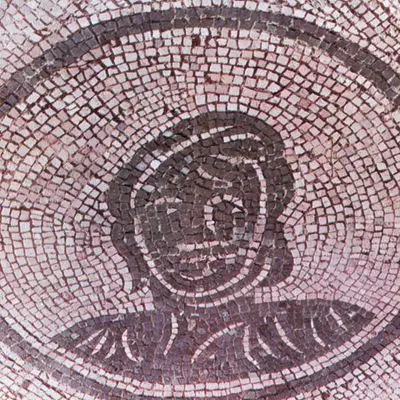
What type of art is made with pieces of colored stone or glass?
Tapestry
Painting
Mosaics
Sculpture

True or false: The silk road passed through Constantinople
True
False
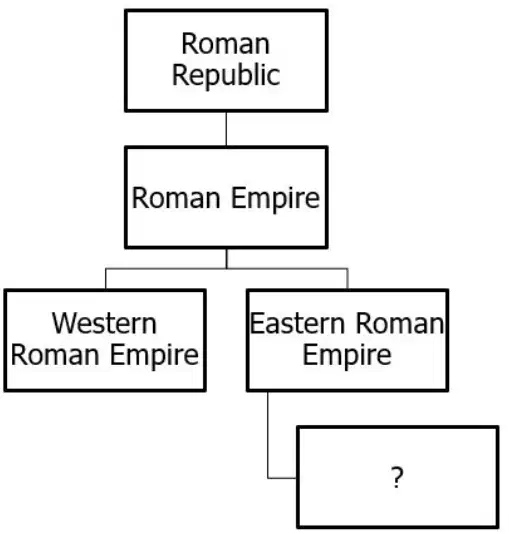
This chart shows several changes to the structure of Roman civilization. Which term best completes this chart?
Heian Period
Ming Dynasty
Kingdom of Mali
Byzantine Empire
What were the two main effects of the Byzantine Empire?
spreading Christianity
reconquering the Western Roman empire
conquering India
using the Greek language and keeping the Latin language

According to the map, which is correct?
1. Constantinople
2. Rome
3. Western Roman Empire
4. Eastern Roman Empire
1. Istanbul
2. Rome
3. Ottoman Empire
4. Mali Empire
1. Rome
2. Constantinople
3. Western Roman Empire
4. Eastern Roman Empire
1. Timbuktu
2. Djenne
3. Anatolian Peninsula
4. Southwest Asia
Why was Constantinople the most important city in Europe?
(Choose 2 answers!)
It became the center of Jewish studies and learning.
It was the capital of the Byzantine Empire.
It was in the middle of important trading routes.
It was a city of peace that was never attacked.

What 2 continents was Constantinople in the middle of?
North America and South America
Europe and Asia
Africa and Europe
Asia and Africa

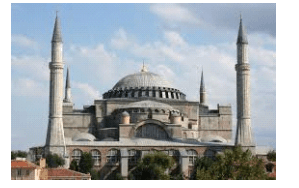
What did Constantinople build to keep safe from attacks?
It being a peninsula
Creating catapults
high thick walls
Using cannons
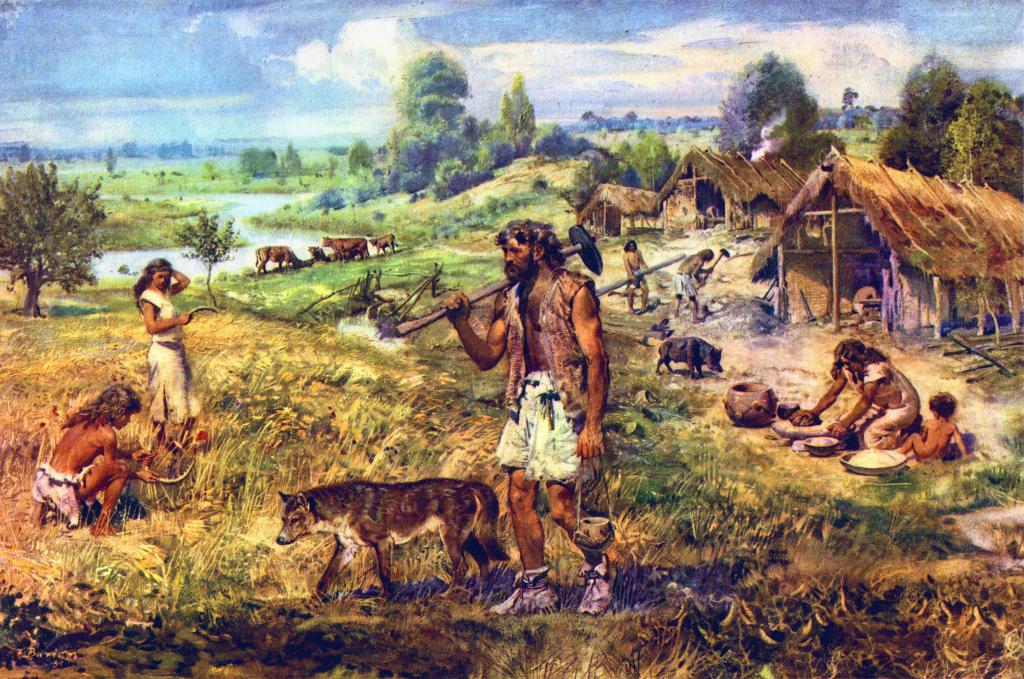

What is a civilization?
A group of people with the same features.
People who move from one place to another.
The society, culture and lifestyle of people in a particular area.
A group of people with similar origins.

What is social structure in a civilization?


What was the purpose of Hammurabi's Code?
To promote violence and crime
To prevent chaos and disorder
To establish social classes
To confuse and punish people
Who were the rulers of ancient Egypt called?
pharaohs
sultans
kings
emperors

Which river was the source of water and food for ancient Egypt?
Nile River
Amazon River
Ganges River
Mississippi River
What does polytheistic mean?
believe in 1 god
believe in Allah
belief in many gods


Who founded the religion of Buddhism?
The Aryans
Siddhartha Gautama
Mahatma Gandhi
Sargon
Where did Buddhism originate?
China
Japan
India
Egypt

What are many of the Buddhist beliefs based on?
Hinduism
Christianity
Islam
Judaism
The three Abrahamic Religions are...
Christianity
Hinduism
Judaism
Islam
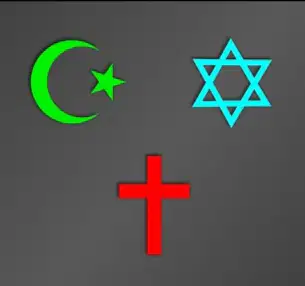
The three Abrahamic religions all started in...
India
Europe
The modern Middle East.
Egypt
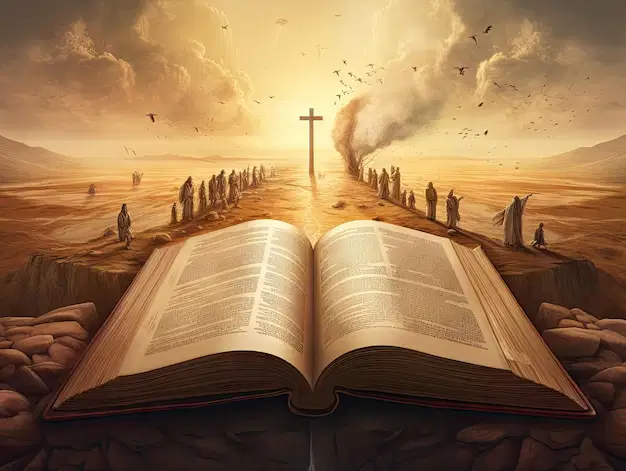
Christian holy book
Qur'an
Bible
Old Testament

The place of worship for Muslims is called?
Mosque
Church
Temple
Synagogue
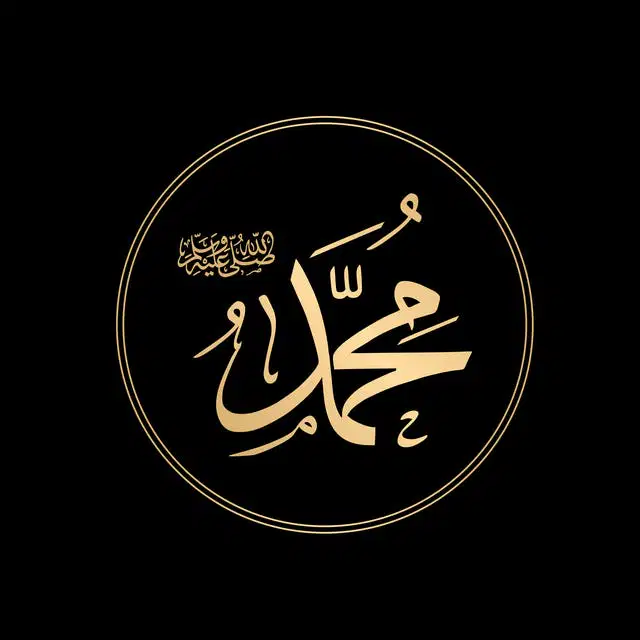
Muslims follow the teachings of?
Prophet Muhammad
Jesus Christ
Buddha
Guru Nanak
What symbol is associated with Islam?
Crescent moon and star
Cross
Om
Star of David


Chandragupta Maurya
a series of rulers from the same family
dynasty
stupas
pilgrim
infinity
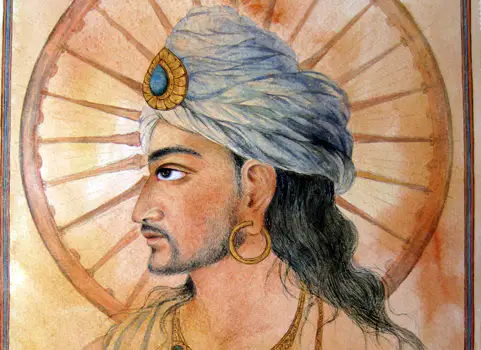
King Ashoka wanted his people to
refuse to serve in the army.
follow the Buddhist path.
not punish minor criminals.
reject non-Buddhist religions.

What is a large part of a continent called?
country
subcontinent
continent
plateau

The rebirth of one’s soul
reincarnation
karma
dharma
vedas

Confucius was a Chinese ______
king
priest
philosopher
president
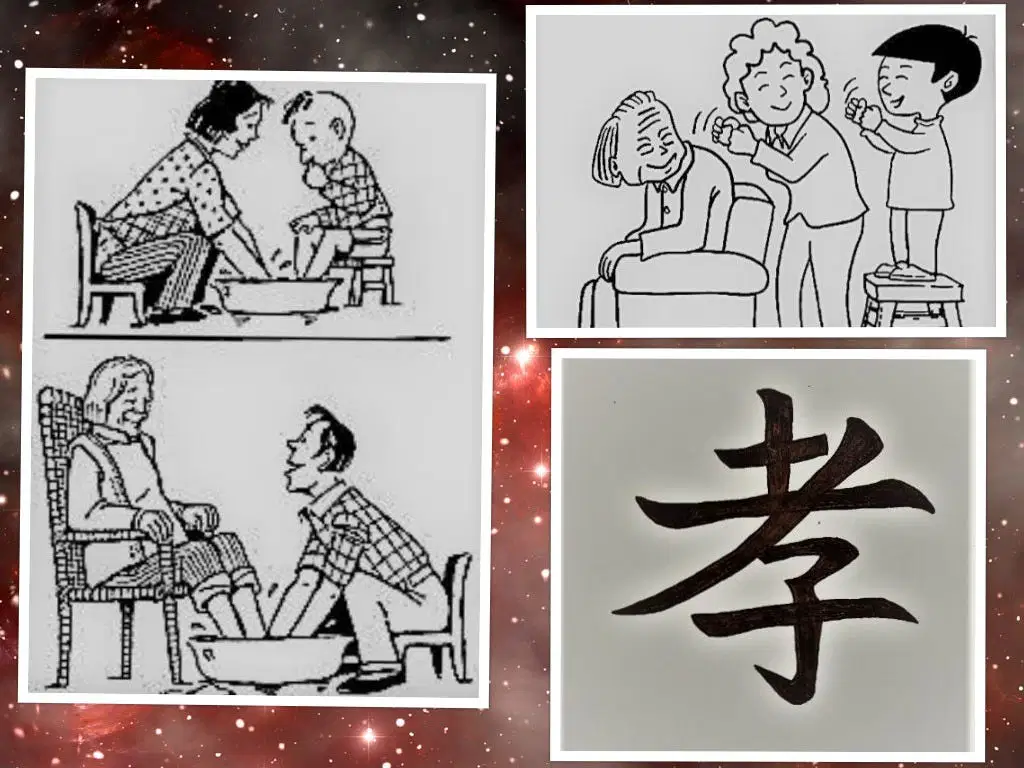
Confucianism believed in filial piety. In Confucianism, you must respect your older family members and _________.
friends
parents
siblings
teachers
Confucius believed that rulers should govern wisely and be an example for society.
True
False
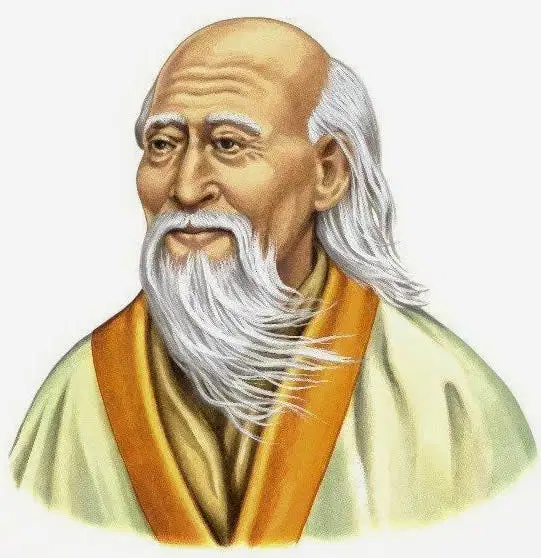
Who was the founder of Daoism?
Confucius
Siddhartha
Laozi
Moses
In Daoism, Individuals had to live in harmony with _____and inner feelings
thier family
the government
nature
everyone

What is this symbol called?
Black and White
Good and Bad
Dark and Light
Yin and Yang
Legalism stressed the need to find ______in society.
fun
equality
order
peace
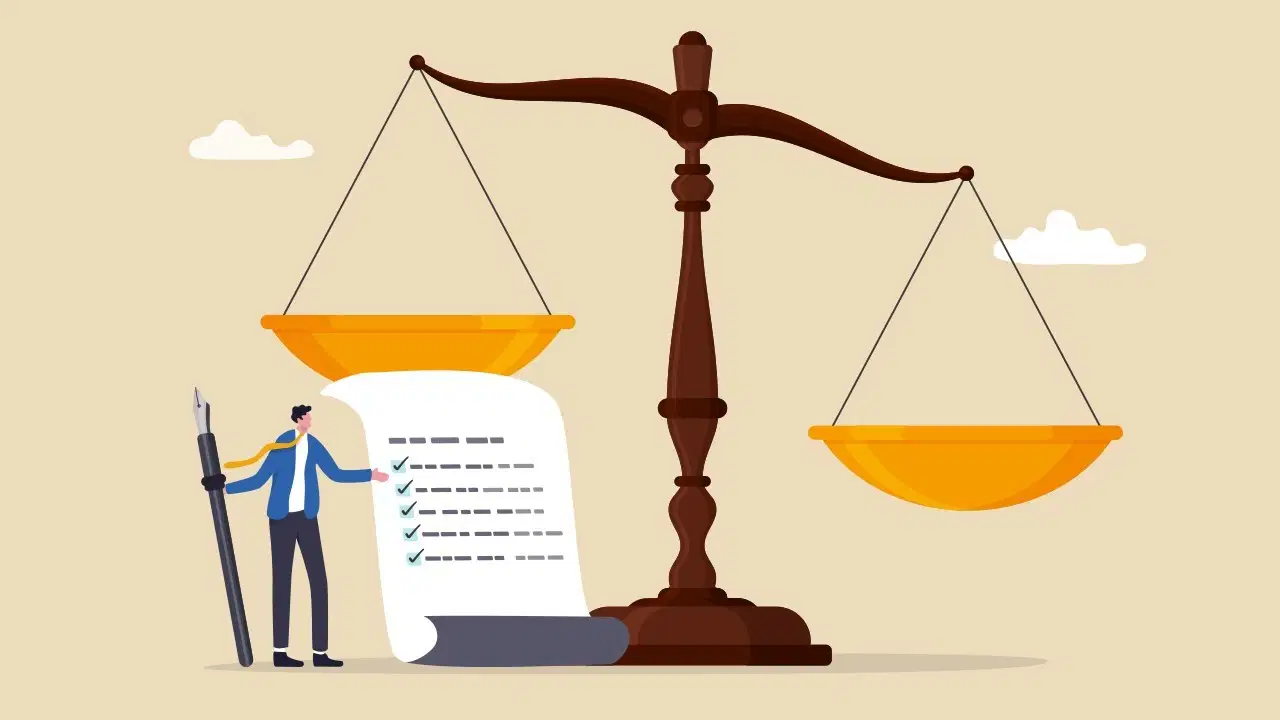
Legalists believed that
all people are good
people respect good rulers
people were bad and needed strict laws
all the answers are correct
In Ancient China, ____ was declared the official guiding practice for Chinese government.
Confucianism
Buddhism
Taoism
Christianity
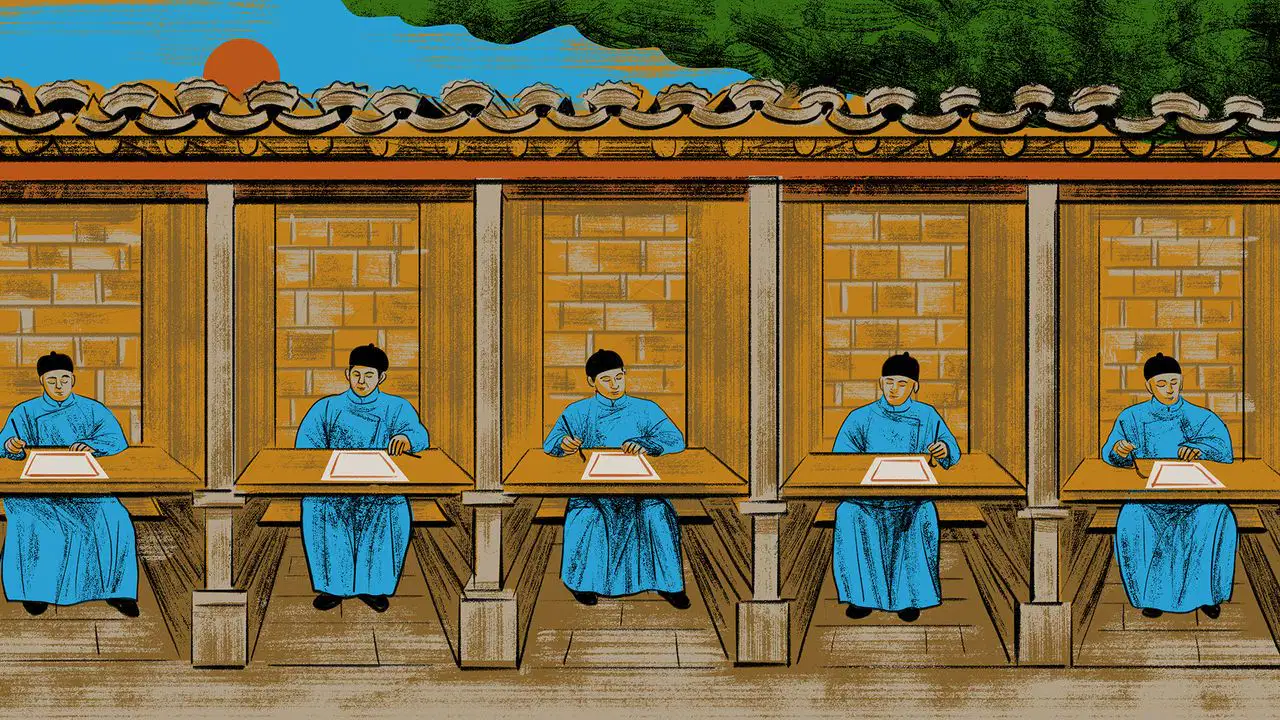
In classical China, what was the purpose of the civil service exam?
To learn more about philosophy
To find smart people for government jobs
To decide punishments for laws
To make the emperor more money
What is the significance of the Qin Dynasty?
It re-unified China under a single emperor
It introduced Confucianism as the state religion
It built the Great Wall of China
It overthrew the Shang Dynasty

Japan is located in the ______ Ocean.
Atlantic
Pacific
Indian
Arctic
What does archipelago mean?
group of islands
group of volcanoes
group of mountains
group of rivers
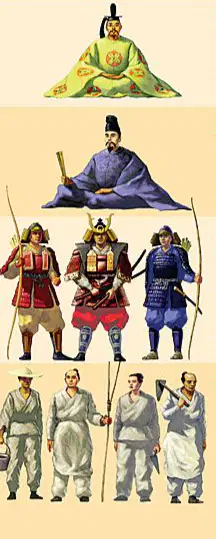
In feudal Japan, who was at the top of the social structure, but he did not have much power?

The highest ranking military leader of Japanese feudal society was the
Emperor
Shogun
Daimyo
Samurai
A new type of drama in feudal Japan that used elaborate makeup to highlight important facial features
kowtow
haiku
matsuo
kabuki

What was the main duty of a samurai?
defend the peasants
conquer lands
defend the daimyo
manage the land

Shogun were...
military leaders
landowners
farmers
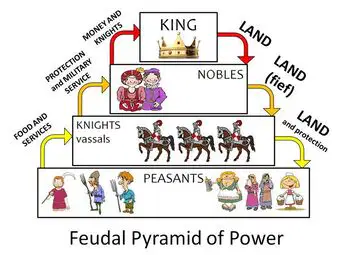
Feudalism is...
electing officials to important government jobs
the exchange of land for labor and loyalty
how much money someone has

Who held the real political power in Japan?
Shogun
Daimyo

Which Asian culture greatly influenced the Japanese writing system and language?
Korea
China

Which is the term that describes the military government of Japan?
Kamikaze
Shogunate


