Wayground logo

Free Printable Worksheets

Font size

S
M
L
XL
Worksheets

Nursery and Landscape #1: Introduction

Total questions: 15

Worksheet time: 8mins
Name
Class
Date
1.
The science or practice of farming, including cultivation of the soil for the growing of crops AND the rearing of animals to provide food, wool, and other products.
a)
agriculture
b)
xeriscaping
c)
greenhouse
d)
horticulture
2.
The preparation of land or growing media to grow and yield crops (hoeing, weeding, plowing...).
a)
cultivation
b)
xeriscaping
c)
drip irrigation
d)
horticulture
3.
The growing of fruits, vegetables, and flowers.
a)
horticulture
b)
agriculture
c)
cultivation
d)
hardscape
4.
In horticulture, this is a place where young plants and trees are cultivated and grown. A wholesale operation sells the plants to a retail opertion, and is also called a "grower" operation. SunBlest Gardens is a wholesale operation (they do not sell to the public, only to nurseries). Some retail operations (like Tallahassee Nursery, Native Nursery, Just Fruits and Exotics) grow their own plants as well as buying young plants from growers.
a)
nursery industry
b)
landscape industry
c)
horticulture
d)
agriculture
5.
Companies that care for and maintain landscapes for residences and business establishments. This industry also includes companies that design and construct pathways, stone walls and fences, patios and decks.
a)
hardscape
b)
nursery industry
c)
landscape architect
d)
landscape industry
6.

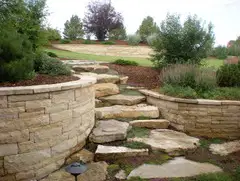
A professional trained in the art and science of arranging plants and hardscapes. Designs gardens, parks, recreation facilities, landscapes, and traffic patterns...
a)
landscape industry
b)
hardscape
c)
aquaponics
d)
landscape architect
7.
The non-living parts of a landscape like rock or a bench.
a)
perennial
b)
annual
c)
hardscape
d)
xeriscaping
8.
Landscaping using plants adapted to dry conditions, like cacti and aloe.
a)
agriculture
b)
hardscape
c)
perennial
d)
xeriscaping
9.
A plant that lives for only one season and must be replanted every year.
a)
greenhouse
b)
annual
c)
hardscape
d)
perennial
10.
A plant that lives for many years and develops an extensive root system.
a)
perennial
b)
hydroponics
c)
xeriscaping
d)
annual
11.
A transparent glass or plastic building in which plants are grown that need protection from cold weather.
a)
annual
b)
agriculture
c)
perennial
d)
greenhouse
12.

The process of growing plants in sand, gravel, rockwool, or liquid (but with no soil), with added nutrients recirculated through the water.

a)
hardscape
b)
aquaponics
c)
perennial
d)
hydroponics
13.

The advantages of hydroponics do NOT include:

a)

uses way less water (because the water is recirculated)

b)

can grow many more plants in a smaller space

c)

way more expensive to set up initially

d)

controlled environment for pests, temperature, moisture, light... results in a much faster growth rate

14.

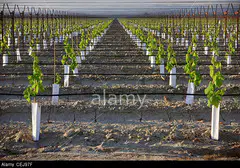
The symbiotic cultivation of growing plants without soil (hydroponics) and fish farming in a recirculating environment. Plants use the metabolic waste of the fish, and the fish use the water cleaned by the uptake of plant nutrients. Each benefits from the other.
a)
annual
b)
aquaponics
c)
hydroponics
d)
perennial
15.

The practice of using small pipes that slowly drip water just above ground and directly on the plant's roots to conserve water in greenhouses (and in raised beds or open field systems).

a)
xeriscaping
b)
drip irrigation
c)
cultivation
d)
perennial