
 Worksheets
Biotic/Abiotic Quiz
Total questions: 15
Worksheet time: 8mins

A prickly pear cactus takes in carbon dioxide. Which of the following was described?
Two organisms interacting
An organism interacting with a nonliving component of its ecosystem
Two organisms competing for space
A producer helping another producer
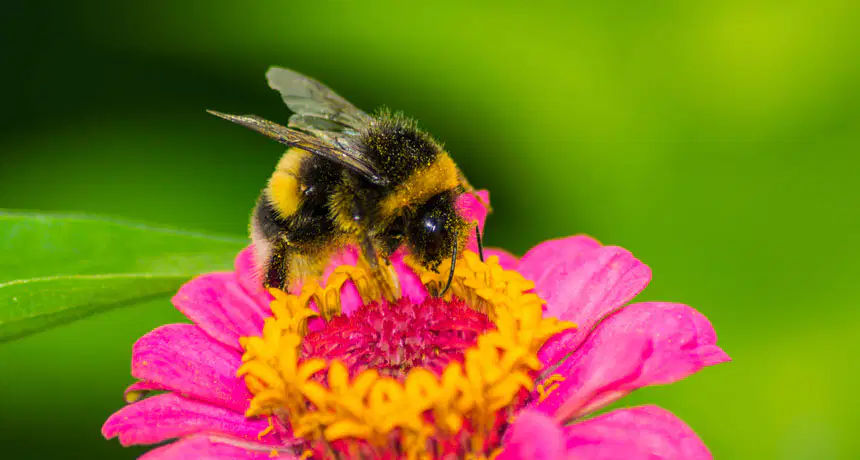
A bee consumes nectar from a flower. Which of the following was described?
Two organisms competing for food
A producer helping another producer
An organism interacting with a nonliving component of its ecosystem
An organism depending on another organism for energy
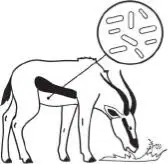
Bacteria live in the digestive system of an antelope. Which of the following was described?
A consumer interacting with a producer
A producer helping another producer
An organism interacting with a nonliving component of its ecosystem
An organism depending on another organism

Some bats live in a cave. Which of the following was described?
Different species competing for food
Organisms using nonliving components of their environment for food
Organisms using nonliving components of their environment for shelter
Organisms using living components of their environment for shelter
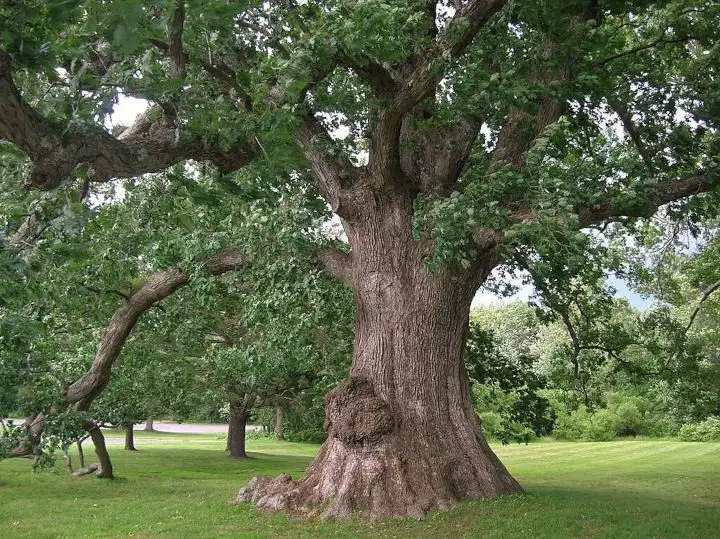
Which of the following does an oak tree need to survive?
Carbon dioxide
Wind
Predators
Oxygen
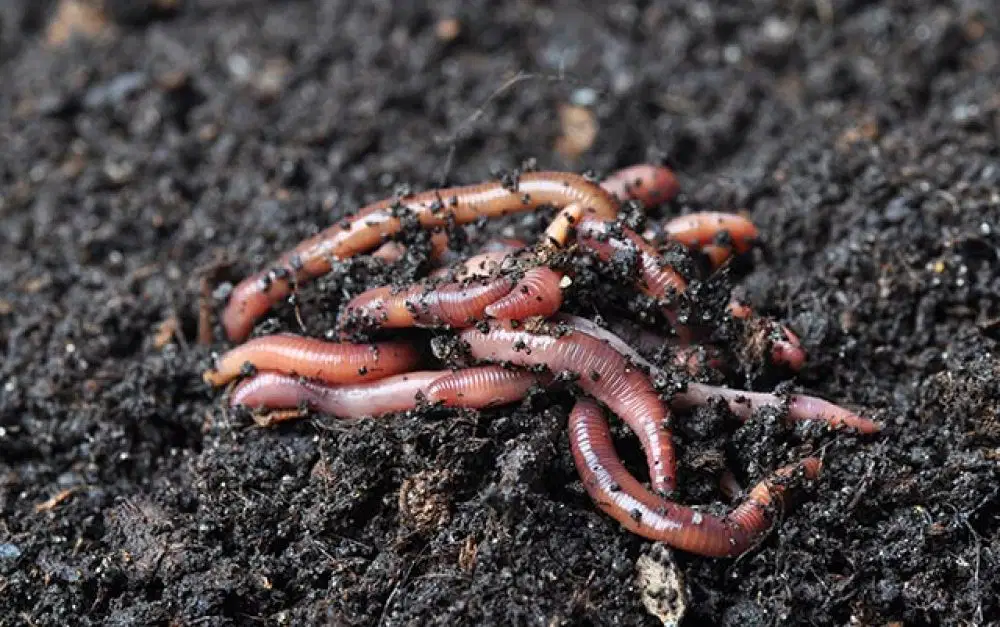
A student observed an open container filled with soil, decaying plants, and worms. Which of the following is most important to the worms’ survival?
Carbon dioxide
Oxygen
Plastic
Sunlight
Which of these describes a living organism that uses a nonliving component of its ecosystem to survive?
A hermit crab inside a shell
A bird nesting in a tree hollow
Rabbits consuming grass
A tree producing acorns

Which of the following is a nonliving component required by a red cardinal to survive?
Carbon dioxide
Seeds, berries, and insects
Oxygen
All of the above

Which organism obtains energy without directly depending on another organism?
Mushroom
Meadow lark
Hawk
Milkweed
Which of these describes how a ghost crab depends on living organisms to survive?
A ghost crab preys on small crabs and clams.
A ghost crab can run forward, backward, and sideways on the tips of its legs.
A ghost crab hides by burrowing in the sand.
Camouflage helps a ghost crab blend in with the sandy beach.
Which of the examples describes plants responding to nonliving components of their ecosystem? Some examples of how plants change are listed below.
1.) Some trees lose leaves when the temperature decreases.
2.) Some plants have leaves with holes as a result of insects chewing through.
3.) Some plants grow toward the sun.
Example 1 only
Example 2 only
Examples 1 and 3 only
Examples 1, 2, and 3
Which of the following best describes a decomposer helping plants survive?
Fungi get nutrients from dead tree trunks.
Fungi return nutrients to the soil, which are then used by plants.
Bacteria live on a human’s hands.
Worms move across the sidewalk.

A classroom aquarium is shown. Which observation describes a fish interacting with a living component in the aquarium?
A fish hides below a plant.
A fish takes in oxygen through its gills.
A fish swims through the water.
A fish swam over a rock.
Which statement involves interactions between two groups of living organisms?
Longhorn beetles lay eggs inside dead, rotting logs.
Moss growing on a rotting log takes in nutrients broken down by earthworms.
A rotting log provides a moist habitat for woodlice.
Woodpeckers fly above a rotting log.
A student listed some observations at a park. Which of these living organisms was interacting with another living organism in the environment?
1.) A spider spins a web on a metal fence.
2.) A butterfly visits a flower to drink nectar.
3.) Moss is growing on the roots of a tree.
4.) A worm buries in the soil.
5.) A hawk circles in the air above a tree.
6.) A squirrel drinks from a puddle of water.
The butterfly, moss, and hawk only
The spider and worm only
The moss and butterfly only
All of the organisms

