
 Worksheets
World War I Practice Guide 2
Total questions: 60
Worksheet time: 35mins
This battle in World War 1, was the bloodiest day in modern history.
April 6, 1917
Britian entered WW1
The treaty of Versailles was signed
World War 1 starts
American enters WW1
This group served at the front for 6 months, longer than any other troops.
Georgia Red Tails
The Fighting Bandits
Harlem Hellfighters
Black Devils
Most of the fighting in WW1 was in this country
France
Belgium
England
Germany
What ship was sunk by the Germans to bring the U.S into the war?
USS Maine
Lusitania
Mayflower
USS Eisenhower
The _________ front was 350 miles of trench
long
western
no mans land
none of the above
Who were the Allies?
United States
Germany
Great Britain
Russia
Who belonged to the Central Powers?
Austria-Hungary
France
Germany
Great Britain
Russia
Which area was called the "powder keg" of Europe and was the place where World War I began?
Balkans
Gallipoli
Western Front
Ottoman Empire
What was the Zimmermann Note?
The German policy of attacking all ships entering or leaving Britain
Wilson's speech concerning why the U.S should enter WWI
A proposal by Germany that Mexico attack the US in return for territory
a note left behind by a Serbian Nationalist in Austria-Hungary
What was the name of the new style of warfare during World War I?
tank warfare
plane warfare
train warfare
trench warfare
Which treaty ended World War I?
The Treaty of Paris
The Treaty of Versailles
The Armistice of Versailles
The Treaty of World Powers

An international diplomatic group developed after World War I as a way to solve disputes between countries before they erupted into open warfare. A precursor to the United Nations
Lusitania
Zimmerman Telegram
Treaty of Versailles
League of Nations
The Fourteen Points reflected President Woodrow Wilson's belief that:
Intervention in the affairs of other nations was never justifiable.
Travel among nations should be regulated by an international organization.
No country should be allowed to spend more on defense than any other country.
Cooperation among international leaders was essential to maintaining world peace.

Based on these maps, why did Treaty of Versailles place blame for the war on Germany?
Austria-Hungary had less responsibility for causing it.
Austria-Hungary did not exist after the war so they could not be blamed.
Germany gained territory after the war.
Germany's military was responsible for the most deaths in the war.
What is the definition of Nationalism
a. Strong pride in your nation
a. When colonies rebel against their mother country
Which was not a cause of WW1?
militarism
isolationism
imperialism
nationalism
Propaganda means?
agreement to stop fighting
fighting took place Germany’s plan for winning the war on two fronts
one-sided information designed to persuade
What is an Alliance?
An agreement in which two countries pay one another money
A union or association formed for mutual benefit between countries, organizations, or people.
A term that refers to two or more countries that are enemies and in conflict with one another.
nativism
Who did Germany try to build an alliance with?
Mexico
Canada
US
Russia
Another name for the Triple Entente alliance was:
Justice League
League of Nations
Allied Powers
Select the countries that were part of the Allied Powers in World War 1.
Africa
Russia
Great Britain
Canada
France
Select the countries that were part of the Central Powers alliance in World War 1.
Germany
China
Italy
Austria-Hungary
Wakanda
In what year did the USA join the Allied Powers and finally enter WW1?
1917
1814
1914
1776
In what year did World War 1 officially start?
1812
1492
1914
1917
What was the Lusitania?
A German news press company
The first satellite to orbit the Earth
A deadly disease that plagued Europe and killed thousands in the early 19th century
British passenger ship that was sunk by the Germans
Which country sent the Zimmerman Note?
Sweden
Britain
USA
Germany
Select all that apply: Which of the following are causes of World War I?
Militarism
Alliances
Nationalism
Imperialism
Religion

A union of two or more groups
Militarism
Alliance
Imperialism
Nationalism
Great Britain, France, Russia and eventually the U.S. made up which alliance?
Axis Powers
Central Powers
Western Powers
Allied Powers
Why was Franz Ferdinand killed?
Serbian nationalists hoped to provoke Russia into supporting Serbs in the Austro-Hungarian Empire.
The Emperor of the Austro-Hungarian Empire disliked him and wanted him dead.
The Ottoman Empire wanted revenge for Serbia achieving independence.
Russians hoped that they could take over Austro-Hungarian territory through war.
Why did Austria wait a month to issue the ultimatum?
They wanted to make sure Germany could support them if a war started.
The Emperor did not like Franz Ferdinand, so he did not care if he died.
They wanted Russia to mobilize before issuing the ultimatum.
They did not know how to react to Franz Ferdinand’s death.
Who killed Archduke Franz Ferdinand to start WWI?
Karl Marx
Gavrilo Princip
Vladimir Lenin
Lee Harvey Oswald

Which country left the Triple Alliance?
Italy
Austria-Hungary
Germany
Belgium
What was Serbia trying to accomplish for the Slavic people?
A Slavic nation
Slavic independence
Slavic homeland
All of the above
During World War I, tanks were used on the western front primarily to:
lead infantry advances across no-man's-land and into enemy territory
destroy railroads and bridges used by enemy troops
release chemical weapons in advance attacks on enemy positions
launch long-range rockets at enemy aircraft
Match the long term causes of World War 1 with their definitions:
Nationalism
This was the attempt by countries to promote their own agendas and ideas as better than others
Militarism
This was the practice of developing new weaponry and investing in the armed forces
Imperialism
This was the practice of exerting control over other regions around the world to become powerful
Alliances
This practice involved the securing of support from other nations in the event of a war breaking out
What was the name of Wilson’s plan for peace after the war?
League of Nations
Treaty of Versailles
14 Points
Paris Accords

The area between the German trenches and the Allied trenches was called
Dead Zone
Nowhere Land
No Man's Land
Default Zone


What caused Germany and Austria-Hungary to fight a 2 front war?
Their lack of supplies.
Their location in central Europe.
Their proximity to the Black Sea.
Their loss of World War II.

A position of not taking sides in a conflict
Neutrality
Propaganda
Rationing
Trench Warfare

Who was Franz Ferdinand?
a prince
a king
an archduke
a civilian

What does the M stand for in MAIN?
Militarism
Might
Military
Monarchy
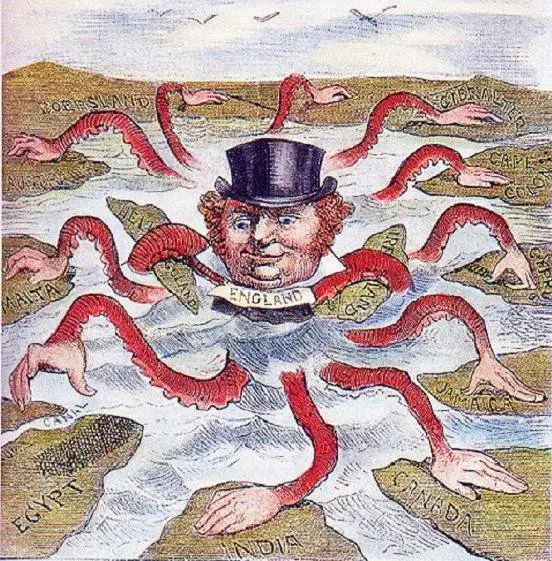
What does the I stand for in MAIN?
Independent
Imperialism
Identity
Industrial

What does the N stand for in MAIN?
Nations
Northern
Neither
Nationalism

What does A stand for in MAIN?
Absence
Alliances
All together
Army

Which is not an allied power?
France
Russia
Italy
Spain

What were the trenches used for?
storage
fighting place
sleeping place for soldiers
living/safe space for soldiers

Which is not a central power?
Albania
Germany
Ottoman Empire
Austria-Hungary
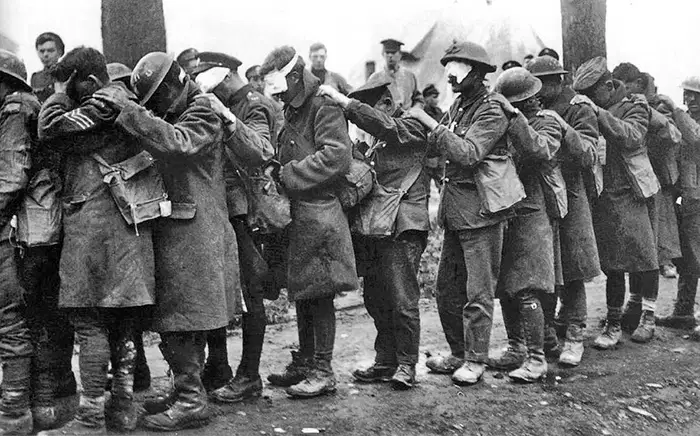
What was the major effect of "total war"?
economic crisis
money
the reparations
loss of territory

What country did Germany have to go through for the Schlieffen plan?
France
Belgium
Spain
Switzerland
The Espionage and Sedition Acts limited Americans right to
Speak freely about the concerns and disagreements with the American government during WW1
Join the war by volunteering
Choose they own political parties to vote for during World War 1
Advertise for their own companies and products during the war

