
 Worksheets
Nervous system (control and process info)
Total questions: 38
Worksheet time: 33mins
What is a neuron?
a bone in your spinal cord
a blood vessel in your brain
a nerve cell
a stroke
If you lose the feeling in a body part, you may have become __________________.
sleepy
paralyzed
comatose
stroke
The brain communicates with the rest of the body through the spinal cord and nerves
False
True
What gives the brain messages?
Heart
Large intestine
Leg
Nerves
What part of the body protects the brain?
Ribs
Forehead
Spine
Skull

What system is represented by the picture?
Digestive system
Circulatory system
Nervous system
Spinal system
What are the main parts of the nervous system?
Brain
Spinal cord
Nerves
Legs

What part of the nervous system is shown?
Brain
Spinal cord
Head
Organ

What part of the nervous system is shown?
Brain
Spinal cord
Back
Nerves
What does the brain send to the body to tell it how to react?
Signals
Nerves
Organs
Which body system coordinates all of the systems by controlling every activity that takes place?
The Nervous System
The Digestive System
The Endocrine System
The Circulatory System
The Immune System
The Nervous System is divided into two parts called
The Central Nervous System & The Peripheral Nervous System
The Central Nervous System & The Paradigm Nervous System
The Corollary Nervous System & The Paradigm Nervous System
The Corollary Nervous System & The Peripheral Nervous System
This is the control center of the nervous system controlling both voluntary and involuntary processes.
Central Nervous System
Peripheral Nervous System
Anything that occurs as a result of the organism thinking about it.
Voluntary Processes
Involuntary Processes
Anything that occurs automatically and without thought.
Voluntary Processes
Involuntary Processes
Digestion, Heartbeat, and Reflexes are examples of
Voluntary Processes
Involuntary Processes
Speaking, Running, and Karate Chopping are examples of
Voluntary Processes
Involuntary Processes
The Brain is made of a large mass of
Muscular Tissue
Neurons
Red Blood Cells
While Blood Cells
Glands
Which structure connects the Brain to the Peripheral Nervous System, while also directing some of the body's reflexes?
Spinal Cord
Esophagus
Pharynx
Larynx
Trachea
Function of nervous system is ____________.
Digestion only
Circulation only
Control and coordination of the body
Breathing only

The spinal cord exist in .....
Vertebral column
Skull
Cerebrum
Cerebellum
The nerve which connects eye and brain is
Auditory nerve
Olfactory nerve
Optic nerve
None
Cornea is____.
Opaque layer that covers eye in outermost region
Transperent layer that cover front part of eye
Black coloured layer that supply blood to eye
All the above
Pupil dialates according to the ________.
Size of object
Intensity of light
Both
None
Photoreceptors are found in your
eyes
ears
nose
mouth
skin
Receptors found in your mouth are
mechanical receptors
chemical receptors
sound receptors
photoreceptors
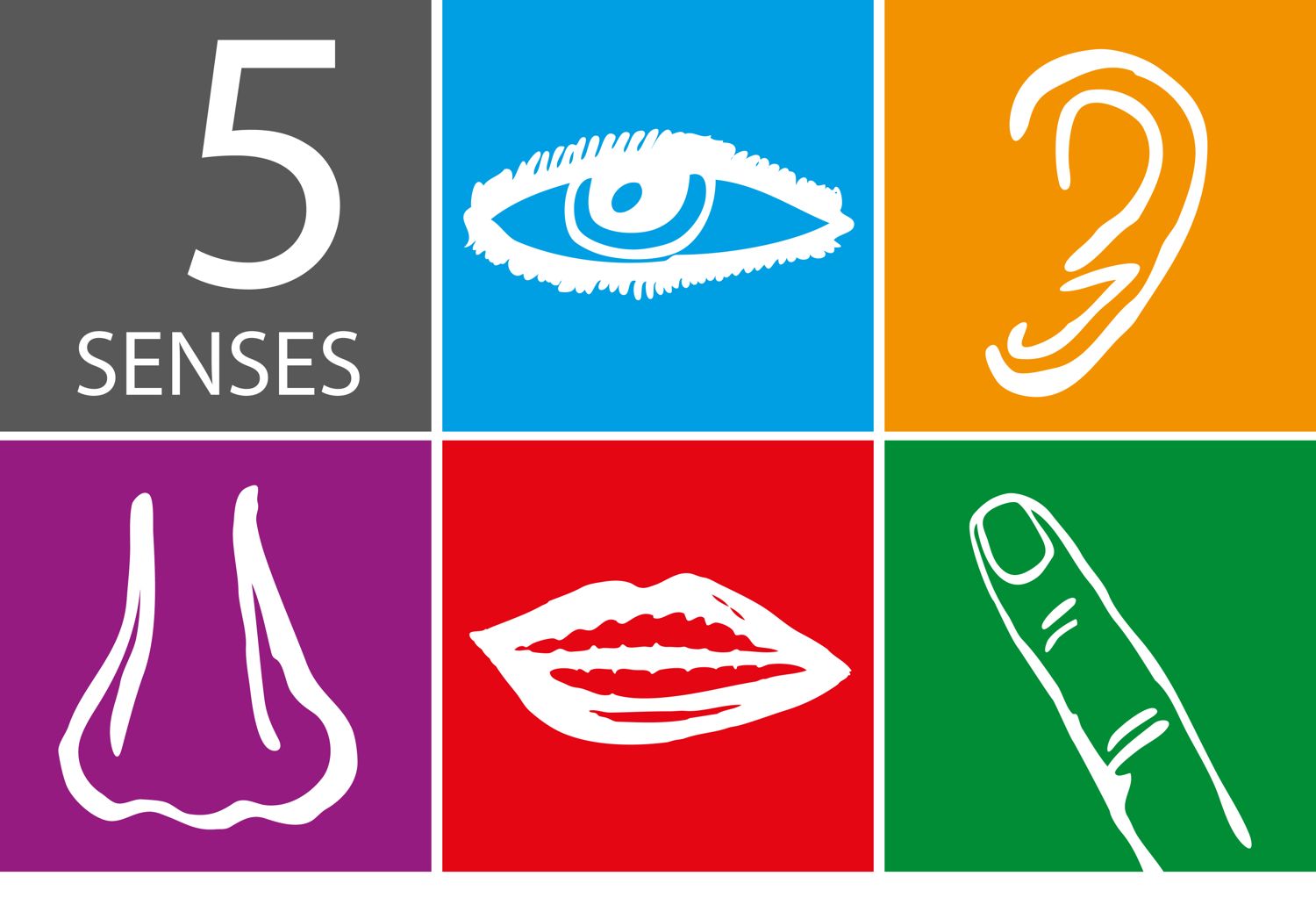
Which of the following senses are most closely related:
touch and smell
smell and taste
taste and hearing
hearing and smell
TRUE or FALSE? AUDITORY receptors detect light.
True
False
Of the following, which is NOT a sense organ (used by one of your senses)?
eyes
tongue
ears
intestine
Which type of receptor is responsible for detecting tastes and odors?
photoreceptors
optical receptors
auditory receptors
chemoreceptors

Sound waves that enter the ear are detected by __________ receptors.
auditory
photo
chemo
wave

Light enters the eye through the _______.
retina
lens
iris
cornea

This body system is known as the "control center" and allows us to move and react to stimuli in our environment. It is responsible for gathering, processing, and responding to information.
The nervous system
The respiratory system
The circulatory system
The excretory system

This part of the nervous system contains sensory and motor neurons (nerve cells) that transmit information btween the brian, spinal cord, and body.
Central Nervous System (CNS)
Peripheral Nervous System

