
 Worksheets
Changes to the Land: Landforms
Total questions: 61
Worksheet time: 3hrs 3mins
A river flowing across the rocky surface of the Earth could create which of the following?
Dunes
Mountains
Canyons
Hills
How could students best model the formation and movement of dunes?
Pour water over piles of sand.
Slowly drip wet sand into a tub of water.
Use a spoon to dig a hole in a tray of sand.
Use straws to blow piles of sand.
A delta is made of sediments deposited at the mouth of a river. A delta forms where the river meets the ocean because the ocean -
makes the river slow down and deposits sediment
contains salt water and rivers have fresh water
is usually much colder than the water in the river
has powerful currents that weather rock on the shore
Which of the following landforms is the result of a river carving out land by erosion?
Canyon
Sand dune
Delta
Mountain
Canyons and deltas are similar in that both form -
due to the action of moving water
high in the tallest mountains
where lots of sediments collect
in and around active volcanoes
Rivers create landforms as they move across the surface of the Earth. Rivers move as water flows from -
high in the mountains, down to oceans and lakes
regions that have warmer temperatures to cooler ones
because they are pushed by strong winds
from east to west as the earth rotates
Freeport, Texas, is built on a growing delta at the mouth of the Brazos River. The land on which Freeport is built continues to grow because the Brazos River –
deposits new material on the delta
removes sediments from the delta
moves farther away from the delta
receives fresh water from the delta
Which forces create landforms such as deltas, dunes, and canyons?
Volcanic eruptions
Earthquakes and landslides
Planetary movements
Moving wind and water
Sand dunes are created when sand is moved and deposited by –
strong, persistent winds
slow moving sheets of ice
frequent lava flows
powerful ocean currents
What is a canyon?
A deep ravine between cliffs that is most often carved from the landscape by a river
A triangular landform where a river empties into another body of water
The buildup of land by the settlement of sediment and soil in a new location
A feature on the surface of Earth such as a mountain, hill, dune, ocean, or river
What is a delta?
A triangular landform where a river empties into another body of water
A feature on the surface of Earth such as a mountain, hill, dune, ocean, or river
The buildup of land by the settlement of sediment and soil in a new location
A deep ravine between cliffs that is most often carved from the landscape by a river
What is deposition?
A feature on the surface of Earth such as a mountain, hill, dune, ocean, or river
The buildup of land by the settlement of sediment and soil in a new location
A triangular landform where a river empties into another body of water
A deep ravine between cliffs that is most often carved from the landscape by a river
What is erosion?
The buildup of land by the settlement of sediment and soil in a new location
The removal and movement of sediment from one place to another by gravity, water, wind, or ice
A feature on the surface of Earth such as a mountain, hill, dune, ocean, or river
A triangular landform where a river empties into another body of water
What is a sand dune?
A feature on the surface of Earth such as a mountain, hill, dune, ocean, or river
A hill formed by wind blowing and depositing sand
The buildup of land by the settlement of sediment and soil in a new location
A deep ravine between cliffs that is most often carved from the landscape by a river
What is a landform?
A feature on the surface of Earth such as a mountain, hill, dune, ocean, or river
The breakdown of rocks into very small particles by gravity, water, wind, and ice
The removal and movement of sediment from one place to another by gravity, water, wind, or ice
The buildup of land by the settlement of sediment and soil in a new location
Weathering is the
carrying away of sediments
breaking down of rocks into sediments
dropping of sediments at a new location
none of the above
What is deposition?
the breaking down of rock into sediments
carrying away of sediments
dropping of sediments in a new location
Erosion is the
carrying away of sediments by wind, water or ice
dropping of sediments in a new location
breaking down of rocks into sediments
none of the above
Natural features of the Earth that are constantly changing.
Canyon
Weathering
Erosion
Landform
This landform is formed when wind blows sand into hills


This is a narrow valley formed nby moving water.
sand dunes
U-shaped Valley
V-shaped Valley
Delta
This is a wide valley formed by the movement of a glacier. Erosion by ice.
U-shaped Valley
V-Shaped Valley
delta
Canyon
What is a glacier?
sitting water in a lake
sand that is blown into hills
a huge piece of slowly moving ice
none of the above
The outermost covering or layer
landform
surface
erosion
sand dune
The gradual wearing down of something by wind, water, and other natural forces.
landform
erosion
canyon
deposition
The breaking down of rocks into smaller particles from the effects of wind, water, and ice.
deposition
weathering
erosion
sediment
Sand or small pieces of rock broken down by weathering and deposited on the land or at the bottom of a body of water.
landform
sediment
erosion
weathering
The build-up of land by the settlement of sediment and soil in a new location.
deposition
erosion
weathering
landform
The word "constructive" can describe a change to land which
wears away, or breaks down
builds up with sediment
The word "destructive" can describe a change to land which
wears away, or breaks down
builds up with sediment
1) Feature on the surface of Earth such as a mountain, hill, dune, ocean, or river.
Land Form
Erosion
Weathering
Deposition
2) The breakdown of rock into smaller particles from the
effects of wind, water, and ice.
Erosion
Deposition
Weathering
Land Form
5) A low area between higher areas.
Delta
Valley
Canyon
Sand Dune

How did the delta at the end of the Rio Grande form?
Sand and mud from the Gulf of Mexico were washed ashore by tsunamis
The river cut through the solid bedrock of the valley.
Hurricanes pushed soil and debris from the Gulf of Mexico onto the land.
The river deposited large amounts of sediment from land erosion.

What is this landform?
delta
canyon
valley
sand dune
When waves drop sand on the beach, it is...
Weathering
Erosion
Deposition

An avalanche is an example of which process?
Weathering
Erosion
Deposition
Volcanic Eruption
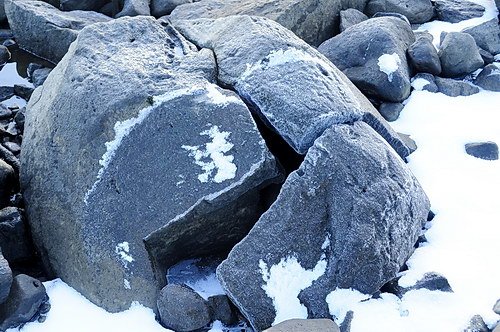
How does freezing water cause the weathering of rocks? The freezing water—
keeps the rocks in place.
makes the rocks last longer.
expands cracks and breaks rocks.
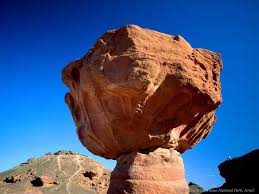
The process that breaks down rocks and other materials on Earth's surface is called
el proceso que rompe las rocas y otros materiales de la superficie de la tierra se llama
Weathering
Meteorizació
Erosion
Erosión

What is the process that picks up and moves weathered rocks?
Erosion
Landslide
Weathering
Meteorización

What causes the greatest erosion effect on our beaches?
Waves
Gravity
Glaciers
Wind

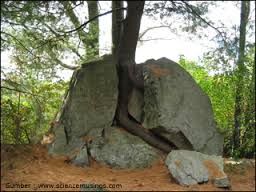
How do plants weather rocks?
Cómo afectan las plantas a las rocas
Plants don't weather rocks.
When roots grow into cracks of rocks and expand the rock breaks.
When the plant moves water from the roots to the leaves, the rock breaks.

