
 Worksheets
REview Characteristics of living things
Total questions: 210
Worksheet time: 2hrs 28mins
The human body is made up of skin cells, blood cells, and bone cells.
All living things need energy.
All living things contain cells.
All living things respond to their environment (stimulus)
All living things reproduce.


Identify the characteristic: A cactus grows toward the sunlight coming through the window.
Responds to stimuli
Grow and develop
Evolution
Take in and use energy
What do you use to see cells?
microphone
microscope
telescope
binoculars

What does this picture represent?
All living things are made of cells.
All living things grow.
All living things reproduce.
All living things need energy.

What does this picture represent?
All living things respond to stimuli.
All living things reproduce.
All living things are made of DNA.
All living things are made of cells.

All living things reproduce.
All living things are made of cells.
All living things grow.
All living things need energy.

What does this picture represent?
All living things grow.
All living things respond to stimuli.
All living things reproduce.
All living things are made of DNA.

All living things are made of DNA.
All living things grow.
All living things need energy.
All living things are made of cells.
Your dog had 5 new puppies last night.
All living things need energy.
All living things contain cells.
All living things reproduce.
All living things grow.
The roots of a plant grow towards a source of ground water.
All living things respond to their environment (stimulus)
All living things reproduce.
All living things need energy.
All living things contain cells.
Joey eats his favorite burger before his soccer championship.
All living things reproduce.
All living things contain cells.
All living things need energy.
All living things grow.
Over three years, Juan's height has increased from 5'4" to 5'11".
All living things contain cells.
All living things grow.
All living things need energy.
All living things respond to their environment (stimulus)
A plant growing towards a light source is an example of which of the following?
attracting a mate
destroying infectious germs
responding to a stimuli
obtaining moisture from the air

Which characteristic of living things is represented in the picture?
Share similar chemicals
Grows and develops
Responds to stimuli
Evolves (as a population)
Which of the following is a term used to describe all the chemical reactions that take place in a living thing?
A plant growing towards a light source is an example of which of the following?
attracting a mate
destroying infectious germs
responding to a stimuli
obtaining moisture from the air
Infants will often smile when they hear a parent’s voice. In this situation, the parent’s voice is considered
stimulus
response
adaptation
resource
Identify all of the following that are living.
Volcano
Tree
Sun
Fungus
Identify all of the following that are nonliving.
Rock
Oxygen
Bacteria
Battery
Which of the following is an example of homeostasis?
adapting to your environment
maintaining an appropriate respiration rate
the sum of all of your chemical reactions
being composed of more than one cell
Which characteristic of living things is represented in the picture?
Share similar chemicals
Grows and develops
Responds to stimuli
Evolves (as a population)

Which characteristic of living things is represented in the picture?
Respond to stimuli
Grow and develop
Evolution
Made of cells
Match the following
a living thing
organism

unicellular

multicellular

asexual reproduction

sexual reproduction

A sunflower will move to face the sun. This is an example of
adapt and evolve
respond to change
has cells
homeostasis

A population of bacteria can increase 2 times every 20 minutes. This is an example of...
metabolism and use energy
grow and develop
homeostasis
reproduce
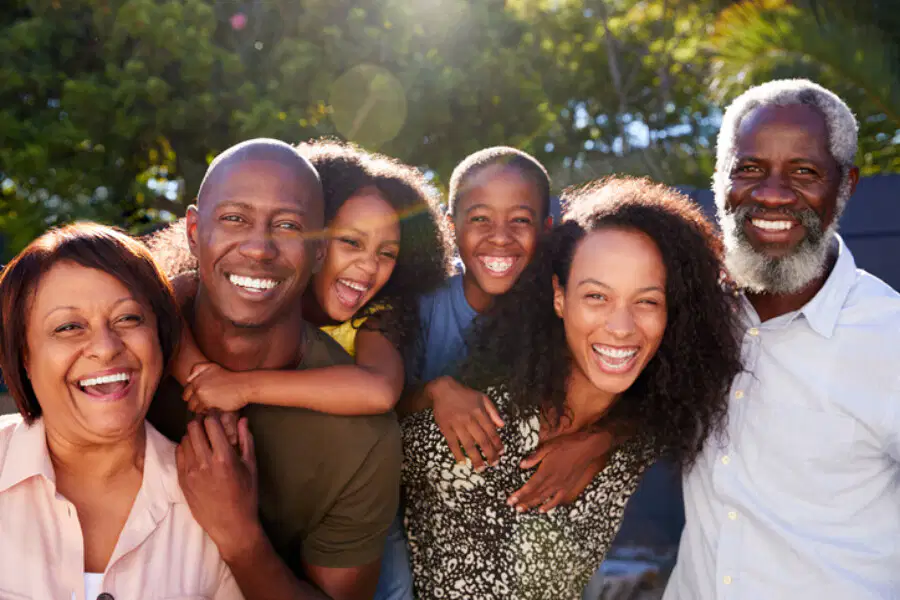
This family has similar characteristics because of the ______ in the parents' cells.
respond to change
DNA
adapt and evolve
grow and develop
Match the following
to change to survive in the environment
to adapt
to change over generations
to evolve
to live long and have babies
to survive
to get bigger
to grow
to change
to develop

This is inside all cells and also called genetic code. This is an example of...
cells
DNA
metabolism and use energy
homeostasis
What organisms are considered autotrophs?

Flowering Plant

Falcon

Tree

Fungi (Mushroom)
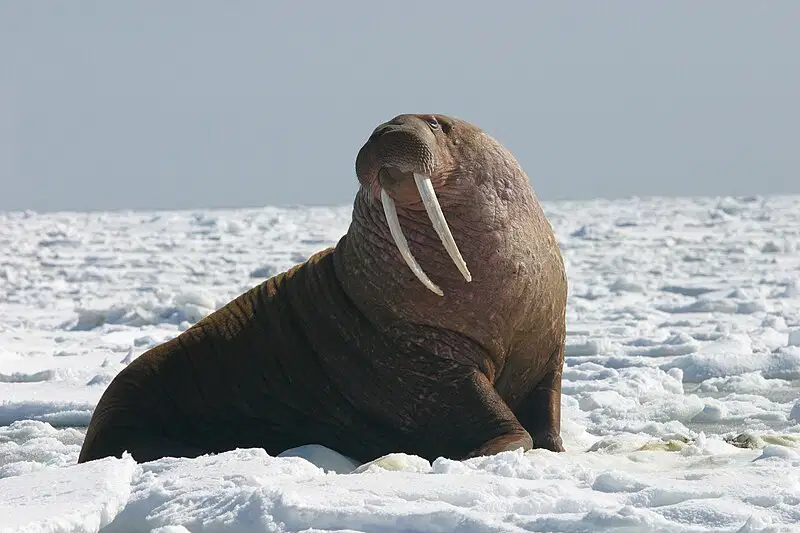
A walrus has fat or blubber to help it stay (a) . This helps this organism maintain an internal balance of temperature. This is called (b)
Something that was living, will be living or is living is referred to as (a) .
Something that isn't alive, was never alive and never will be alive is called (a)
An ameba is a unicellular organism. Which characteristic of living things is being displayed in this example?
Respond to stimuli
Reproduce
Made of Cells
Have Organization
A turtle lays eggs on the beach and they hatch into baby turtles that return to the sea. This displays which characteristic of living things?
Respond to stimuli
Reproduce
Need Energy
Have DNA
The roots of the maple tree grow toward the water source beneath the soil.
Reproduce
Respond to stimuli
Made of Cells
Have Organization
A herd of deer graze on the green grass in the field across the street. The characteristic being displayed is
Reproduce
Respond to Stimuli
Made of Cells
Need Energy
A puppy gets half of its genes from its mother and the other half from its father. The characteristic of living things being displayed is
Made of Cells
Has DNA
Needs Energy
Has Organization
In your own words describe what homeostasis is OR give an example of a living thing maintaining homeostasis.
On a scale of 1 to 5 (1 being the MOST confident and 5 being the LEAST) how confident are you in your understanding of the characteristics of living things?
1
2
3
4
5
Describe a stimulus and its response:
Information coming from the environment through or organism's senses (hearing, taste, touch, etc) is called:
metabolism
biotic
a response
a stimulus
All living things move.
TRUE
FALSE
All living things are made of cells.
TRUE
FALSE
All living things need energy.
TRUE
FALSE
All living things breathe.
TRUE
FALSE
All living things are organized into systems that perform different jobs.
TRUE
FALSE
All living things have the ability to "replace themselves".
TRUE
FALSE
All living things get energy from food.
TRUE
FALSE

Which characteristic is shown in the image?
Organisms grow and develop
Organisms react to stimuli
Organisms can adapt
Organisms use and obtain energy
Organisms are made up of cells

Which characteristic is shown in the image?
Organisms reproduce
Organisms react to stimuli
Organisms can adapt
Organisms use and obtain energy
Organisms are made up of cells

Which characteristic is shown in the image?
Organisms reproduce
Organisms react to stimuli
Organisms can adapt
Organisms use and obtain energy
Organisms are made up of cells

Which characteristic is shown in the image?
Organisms reproduce
Organisms react to stimuli
Organisms can adapt
Organisms use and obtain energy
Organisms are made up of cells

Which characteristic is shown in the image?
Organisms reproduce
Organisms react to stimuli
Organisms can adapt
Organisms use and obtain energy
Organisms are made up of cells

Which characteristic is shown in the image?
Organisms reproduce
Organisms react to stimuli
Organisms can adapt
Organisms use and obtain energy
Organisms are made up of cells

In the image shown, what is the response?
the plant bending towards the light
the light source
In the image shown, what is the stimulus?
the plant bending towards the light
the light source

In the image shown, what is the response?
burning hot pan
taking hand away
In the image shown, what is the stimulus?
burning hot pan
taking hand away
Which is NOT an example of adaptation?
camels have humps that store water for the dry days
night animals have special eyes to see in the dark
fishes developed gills to breath underwater
an elephant gives birth to one offspring
Choose the statement(s) TRUE for ALL organisms
have cells
can move
grow or develop
use sunlight to make food
have features that help them adapt
Any living thing is called a _____________.
organism
cell
matter
atom
The basic unit of living things are known as ____________.
cells
matter
atom
organism
Everything around you is made out of __________.
cells
atoms
organisms
blocks


Living things are based on a universal genetic
code. What molecule is responsible for that code?
RNA
Lipid
Protein
DNA
Maintaining a stable internal
environment is called
homeostasis
equilibrium
balance
evenness
The combination of chemical reactions through
which an organism builds up or breaks down
materials as it carries out its life processes is called ...
absorption
metabolism
digestion
consumption
Identify the characteristic: when you step out into the cold, your body shivers in order to keep its temperature at 98.6oF.
All living things use energy
All living things contain cells
All living things maintain homeostasis
All living things grow and develop
Identify the characteristic: green plants produce their own food through the process of photosynthesis.
All living things use energy
All living things contain cells
All living things maintain homeostasis
All living things grow and develop
Identify the characteristic: a caterpillar hibernates in a cocoon and emerges as a butterfly.
All living things adapt to their environment
All living things use energy
All living things respond to their environment
All living things grow and develop

Which of the following is a response?
a flashlight shined into the eye
a rubber band popping your hand
your pupils constricting when exposed to bright light
blood glucose levels drop significantly

Which of the following is NOT an example of an adaptation?
birds migrating during the winter months
the total sum of all the chemical reactions in your body
humans evolving the ability to digest lactose (sugar in milk)
the ability of dolphins to communicate in aquatic environments

A process that moves water from an area of high concentration to an area of low concentration is calleo
Population
active transport
osmosis
plasmolysis

The diagram shows a large food molecule changing into smaller molecules. Which process is X representing?
Absorbsion
Chewing
Digestion
Secretion
How many cells must be in an organism to be considered living?
1 or more
2 or more
10,000 or more
1 billion or more
autotroph
an organism that makes its own energy (self-nourishment)
an organism made of only ONE cell (bacteria for example)
an organism that has to get its energy/nourishment from eating DIFFERENT organisms
organisms that do not have a nucleus. they came BEFORE eukaryotic cells
DNA is the code for (a) life.
What molecules are in nucleotides?
Phosphate group
Protein
Sugar
lipid
Nitrogenous base
Which molecules make up the "backbone" of DNA and RNA?
Sugar
Phosphate group
Nucleotide base
Why are the nucleotides so gosh darn important? (Careful, all statements are true! Make sure you are picking what makes them IMPORTANT!!!!)
They hold the DNA together.
They live in the nucleus.
This is the chemical part that CODES for life.
There are 5 different kinds.
Thymine will bond with...
Guanine
Cytosine
Adenine
Uracil
Adenine can bond with... (CAREFUL!!!)
Guanine
Cytosine
Thymine
Uracil
Guanine will bond with...
Thymine
Cytosine
Adenine
Uracil
Which bases are only found in DNA?
Thymine
Cytosine
Adenine
Uracil
Guanine
Which characteristic is shown in the image?
Organisms grow and develop
Organisms react to stimuli
Organisms can adapt
Organisms use and obtain energy
Organisms are made up of cells
Which characteristic is shown in the image?
Organisms reproduce
Organisms react to stimuli
Organisms can adapt
Organisms use and obtain energy
Organisms are made up of cells
Which characteristic is shown in the image?
Organisms reproduce
Organisms react to stimuli
Organisms can adapt
Organisms use and obtain energy
Organisms are made up of cells
Which characteristic is shown in the image?
Organisms reproduce
Organisms react to stimuli
Organisms can adapt
Organisms use and obtain energy
Organisms are made up of cells
Which characteristic is shown in the image?
Organisms reproduce
Organisms react to stimuli
Organisms can adapt
Organisms use and obtain energy
Organisms are made up of cells
Which characteristic is shown in the image?
Organisms reproduce
Organisms react to stimuli
Organisms can adapt
Organisms use and obtain energy
Organisms are made up of cells
In the image shown, what is the response?
the plant bending towards the light
the light source
In the image shown, what is the stimulus?
the plant bending towards the light
the light source
Which is NOT an example of adaptation?
camels have humps that store water for the dry days
night animals have special eyes to see in the dark
fishes developed gills to breath underwater
an elephant gives birth to one offspring
Choose the statement(s) TRUE for ALL organisms
have cells
can move
grow or develop
use sunlight to make food
have features that help them adapt
Any living thing is called a _____________.
organism
cell
matter
atom
The basic unit of living things are known as ____________.
cells
matter
atom
organism
A camel has eyelashes that work to keep the dust and sand out of its eyes. Which characteristic of life does this represent?
All living things adapt to their environment
All living things grow
All living things have cells
All living things use energy

The diagram below represents changes in the sizes of openings present in leaves as a result of the actions of cells X and Y.
The actions of cells X and Y help the plant to..
maintain homeostasis by controlling water loss
store excess heat during the day and remove the heat at night
absorb light energy necessary for cellular respiration
detect changes in the biotic factors present in the environment
Which are the common characteristics of living things? Check more than one.
Cellular structure
Thinking
Homeostasis
Basic instict
Metabolism
Which characteristic is shown in the image?
Organisms grow and develop
Organisms react to stimuli
Organisms can adapt
Organisms use and obtain energy
Organisms are made up of cells
Which characteristic is shown in the image?
Organisms reproduce
Organisms react to stimuli
Organisms can adapt
Organisms use and obtain energy
Organisms are made up of cells
Which characteristic is shown in the image?
Organisms reproduce
Organisms react to stimuli
Organisms can adapt
Organisms use and obtain energy
Organisms are made up of cells
Which characteristic is shown in the image?
Organisms reproduce
Organisms react to stimuli
Organisms can adapt
Organisms use and obtain energy
Organisms are made up of cells
Which characteristic is shown in the image?
Organisms reproduce
Organisms react to stimuli
Organisms can adapt
Organisms use and obtain energy
Organisms are made up of cells
Which characteristic is shown in the image?
Organisms reproduce
Organisms react to stimuli
Organisms can adapt
Organisms use and obtain energy
Organisms are made up of cells
In the image shown, what is the response?
the plant bending towards the light
the light source
In the image shown, what is the stimulus?
the plant bending towards the light
the light source
Which is NOT an example of adaptation?
camels have humps that store water for the dry days
night animals have special eyes to see in the dark
fishes developed gills to breath underwater
an elephant gives birth to one offspring
Choose the statement(s) TRUE for ALL organisms
have cells
can move
grow or develop
use sunlight to make food
have features that help them adapt
Any living thing is called a _____________.
organism
cell
matter
atom
The basic unit of living things are known as ____________.
cells
matter
atom
organism

Regulating the body in order to keep a constant internal state
stimuli
irritability
homeostasis
survive

Biology is the study of...
living things
gravity
chemical reactions
social relationships

What is the correct order of organization?
cells->tissue->organs->organ systems-> organism
tissue->cells->organs->organ systems-> organism
organs->organ systems-> organism->cells->tissue
Something has to move to be considered living.
True
False
Green plants produce their own food through the process of photosynthesis. Which characteristic of life does this represent?
All living things use energy
All living things contain cells
All living things maintain homeostasis
All living things grow
A baby song bird hatches from its egg with both parent songbirds watching. Which characteristic of life does this represent?
All living things reproduce
All living things maintain homeostasis
All living things use energy
All living things grow
A camel has eyelashes that work to keep the dust and sand out of its eyes. Which characteristic of life does this represent?
All living things adapt to their environment
All living things grow
All living things have cells
All living things use energy
Which of the following is a response?
a flashlight shined into the eye
a rubber band popping your hand
your pupils constricting when exposed to bright light
blood glucose levels drop significantly
The diagram below represents changes in the sizes of openings present in leaves as a result of the actions of cells X and Y.
The actions of cells X and Y help the plant to..
maintain homeostasis by controlling water loss
store excess heat during the day and remove the heat at night
absorb light energy necessary for cellular respiration
detect changes in the biotic factors present in the environment
Which are the common characteristics of living things? Check more than one.
Cellular structure
Thinking
Homeostasis
Basic instict
Metabolism
When you step out into the cold, your body shivers in order to keep its temperature at 98.6F. Which characteristic of life does this represent?
All living things use energy
All living things contain cells
All living things maintain homeostasis
All living things grow
A camel has eyelashes that work to keep the dust and sand out of its eyes. Which characteristic of life does this represent?
All living things adapt to their environment
All living things grow
All living things have cells
All living things use energy
Which statement describes ALL living things?
They are composed of one or more cells.
They must reproduce sexually.
They have organ systems to carry out the processes of life.
They are capable of making their own food.
A baby song bird hatches from its egg with both parent songbirds watching. Which characteristic of life does this represent?
All living things reproduce
All living things maintain homeostasis
All living things use energy
All living things grow
The following are all characteristics of life EXCEPT:
made of cell(s)
eat food
respond stimuli
reproduce

Which characteristic is shown: A plant switches position and follows the sunlight throughout the day.
Grow and develop
Respond to a stimulus
Acquire and use energy
Reproduce
Which of the following is NOT an example of an adaptation?
birds migrating during the winter months
the total sum of all the chemical reactions in your body
humans evolving the ability to digest lactose (sugar in milk)
the ability of dolphins to communicate in aquatic environments

Which of these is not true about all organisms?
all living things are multicellular
all living things obtain and use energy
all living things reproduce

The following list represents characteristics of a living thing :
made of cells, has lungs, can reproduce
made of cells, grows and develops, uses energy
has similar chemicals, makes noises, made of cells
Which item listed is NOT a characteristic of life?
adjusting to stimuli
getting and using energy
growing and developing
breathing
A characteristic or trait that helps an organism survive in its environment is a/an (a)
When you step out into the cold, your body shivers in order to keep its temperature at 98.6F. Which characteristic of life does this represent?
All living things use energy
All living things contain cells
All living things maintain homeostasis
All living things grow
A camel has eyelashes that work to keep the dust and sand out of its eyes. Which characteristic of life does this represent?
All living things adapt to their environment
All living things grow
All living things have cells
All living things use energy
Which statement describes ALL living things?
They are composed of one or more cells.
They must reproduce sexually.
They have organ systems to carry out the processes of life.
They are capable of making their own food.
A baby song bird hatches from its egg with both parent songbirds watching. Which characteristic of life does this represent?
All living things reproduce
All living things maintain homeostasis
All living things use energy
All living things grow
The following are all characteristics of life EXCEPT:
made of cell(s)
eat food
respond stimuli
reproduce
Which characteristic is shown: A plant switches position and follows the sunlight throughout the day.
Grow and develop
Respond to a stimulus
Acquire and use energy
Reproduce
Which of the following is NOT an example of an adaptation?
birds migrating during the winter months
the total sum of all the chemical reactions in your body
humans evolving the ability to digest lactose (sugar in milk)
the ability of dolphins to communicate in aquatic environments
Which of these is not true about all organisms?
all living things are multicellular
all living things obtain and use energy
all living things reproduce
The following list represents characteristics of a living thing :
made of cells, has lungs, can reproduce
made of cells, grows and develops, uses energy
has similar chemicals, makes noises, made of cells
Which item listed is NOT a characteristic of life?
adjusting to stimuli
getting and using energy
growing and developing
breathing
A characteristic or trait that helps an organism survive in its environment is a/an (a)
When you step out into the cold, your body shivers in order to keep its temperature at 98.6F. Which characteristic of life does this represent?
All living things use energy
All living things contain cells
All living things maintain homeostasis
All living things grow
A camel has eyelashes that work to keep the dust and sand out of its eyes. Which characteristic of life does this represent?
All living things adapt to their environment
All living things grow
All living things have cells
All living things use energy
Which statement describes ALL living things?
They are composed of one or more cells.
They must reproduce sexually.
They have organ systems to carry out the processes of life.
They are capable of making their own food.
A baby song bird hatches from its egg with both parent songbirds watching. Which characteristic of life does this represent?
All living things reproduce
All living things maintain homeostasis
All living things use energy
All living things grow
The following are all characteristics of life EXCEPT:
made of cell(s)
eat food
respond stimuli
reproduce
Which characteristic is shown: A plant switches position and follows the sunlight throughout the day.
Grow and develop
Respond to a stimulus
Acquire and use energy
Reproduce
Which of the following is NOT an example of an adaptation?
birds migrating during the winter months
the total sum of all the chemical reactions in your body
humans evolving the ability to digest lactose (sugar in milk)
the ability of dolphins to communicate in aquatic environments
Which of these is not true about all organisms?
all living things are multicellular
all living things obtain and use energy
all living things reproduce
The following list represents characteristics of a living thing :
made of cells, has lungs, can reproduce
made of cells, grows and develops, uses energy
has similar chemicals, makes noises, made of cells
Which item listed is NOT a characteristic of life?
adjusting to stimuli
getting and using energy
growing and developing
breathing
A characteristic or trait that helps an organism survive in its environment is a/an (a)
When you step out into the cold, your body shivers in order to keep its temperature at 98.6F. Which characteristic of life does this represent?
All living things use energy
All living things contain cells
All living things maintain homeostasis
All living things grow
A camel has eyelashes that work to keep the dust and sand out of its eyes. Which characteristic of life does this represent?
All living things adapt to their environment
All living things grow
All living things have cells
All living things use energy
Which statement describes ALL living things?
They are composed of one or more cells.
They must reproduce sexually.
They have organ systems to carry out the processes of life.
They are capable of making their own food.
A baby song bird hatches from its egg with both parent songbirds watching. Which characteristic of life does this represent?
All living things reproduce
All living things maintain homeostasis
All living things use energy
All living things grow
The following are all characteristics of life EXCEPT:
made of cell(s)
eat food
respond stimuli
reproduce
Which characteristic is shown: A plant switches position and follows the sunlight throughout the day.
Grow and develop
Respond to a stimulus
Acquire and use energy
Reproduce
Which of the following is NOT an example of an adaptation?
birds migrating during the winter months
the total sum of all the chemical reactions in your body
humans evolving the ability to digest lactose (sugar in milk)
the ability of dolphins to communicate in aquatic environments
Which of these is not true about all organisms?
all living things are multicellular
all living things obtain and use energy
all living things reproduce
The following list represents characteristics of a living thing :
made of cells, has lungs, can reproduce
made of cells, grows and develops, uses energy
has similar chemicals, makes noises, made of cells
Which item listed is NOT a characteristic of life?
adjusting to stimuli
getting and using energy
growing and developing
breathing
A characteristic or trait that helps an organism survive in its environment is a/an (a)

