
 Worksheets
Module 1 PS Review
Total questions: 45
Worksheet time: 19mins
If a laboratory fire erupts, immediately _________.
Run for the fire extinguisher.
Notify your instructor.
Throw water on the fire.
Open the windows.
You are heating a substance in a test tube. Always point the open end of the test tube ________.
Toward yourself.
Toward your lab partner.
Toward another classmate.
Away from all people.
The following footwear is required in the lab ________.
Sandals.
Open-toe shoes.
Closed-toe shoes.
Shoes appropriate for the weather.
( Fill in the blank) Long hair should be ____________ in the laboratory.
tied back
cut
down
curled
Hot glass looks the same as cold glass.
True
False


Is melting butter for popcorn a chemical or physical change?
chemical
physical
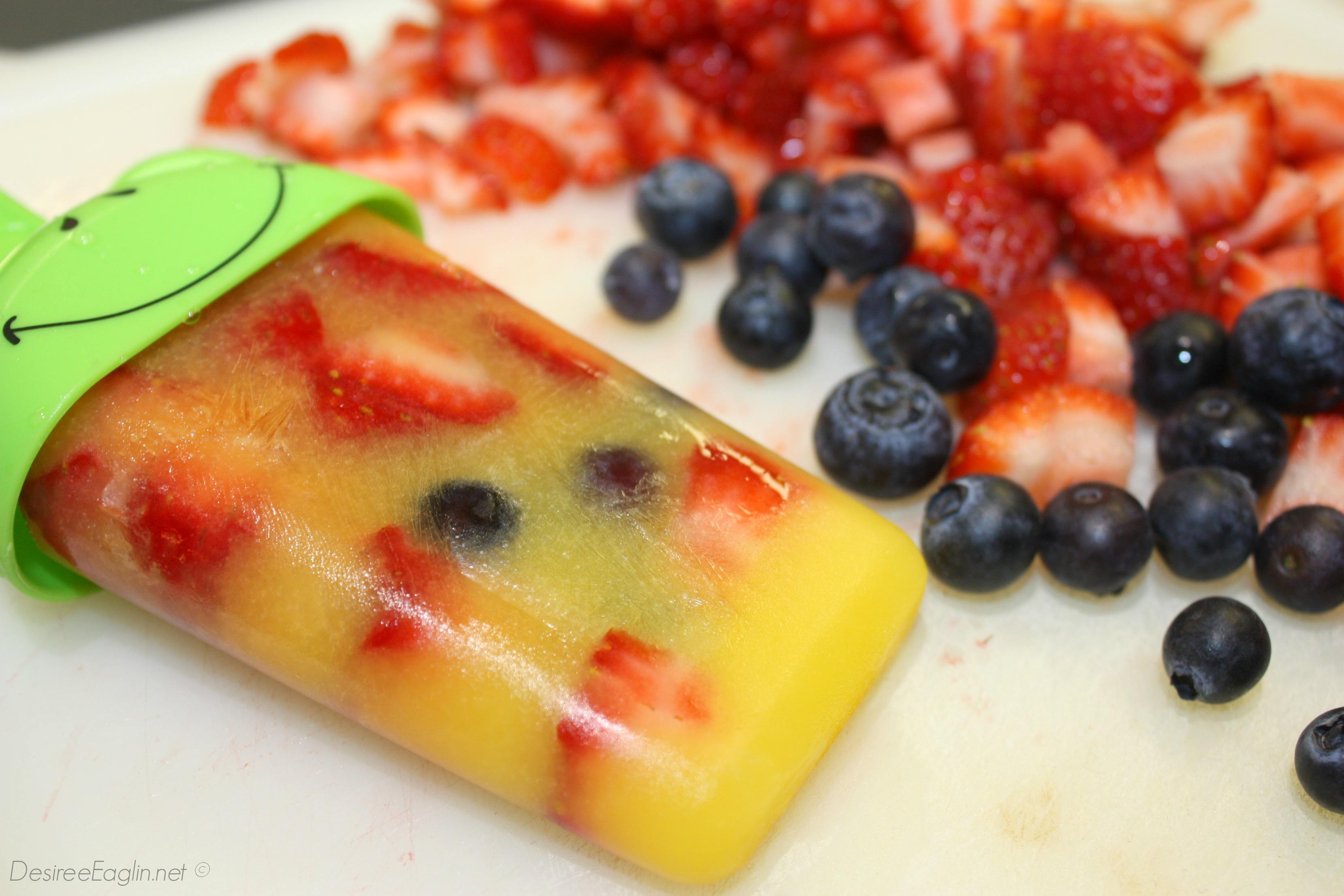

Rust on an iron bar is an example of chemical change.
True
False

When you break a cracker into pieces it is a...
Chemical change
Physical change


A Measure of how well electrical charges can move through a substance.
Chemical Property
Physical Property
The ability of a substance to be molded into a shape.
Chemical Property
Physical Property
The discoloration of a metal due to the exposure to Oxygen.
Chemical Property
Physical Property
The temperature at which a solid changes to a liquid.
Chemical Property
Physical Property
The ability of a substance to scratch or be scratched.
Chemical Property
Physical Property
The ability of a substance to interact with another substance in order to create one or more new substances.
Chemical Property
Physical Property
The ability of a substance to burn.
Chemical Property
Physical Property
The ability of a substance to dissolve in another substance.
Chemical Property
Physical Property
The oxidation of a substance.
Chemical Property
Physical Property
Which of these is an element?
Salt (NaCl)
Water (H20)
Oxygen (O)
Carbon Dioxide (CO2)
Which of these is a compound?
Aluminium (Al)
Carbon Dioxide (CO2)
Nitrogen (N)
Sand
Air is:
An element
A compound
A mixture
None of these
Which of the following is classified as a pure substance?
Lemonade
Fruit punch
ketchup
Helium
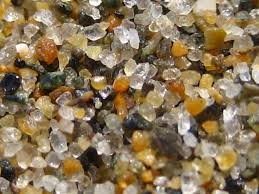
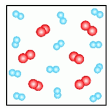
True or False: elements AND compounds are pure substances.
True
False

This is a....
Pure Substance of elements
Mixture
Pure substance of compounds

This is a....
Pure Substance of elements
Mixture
Pure substance of compounds

This is a....
Pure Substance of elements
Mixture
Pure substance of compounds

State of matter that takes the shape of it's container and has a definite volume.
Solid state
Liquid state
Gas state
Plasma state

State of matter that can fill containers with no fixed shape or volume.
Solid state
Liquid state
Gas state
Plasma state

State of matter in which materials have a definite shape and volume.
Solid state
Liquid state
Gas state
Plasma state
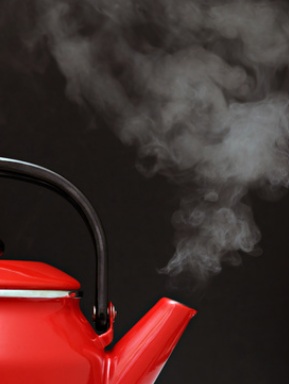
What change of state is taking place in this photograph?
Condensation
Freezing
Vaporization
Melting

What change of state is taking place in this photograph?
Condensation
Freezing
Vaporization
Melting

Which state of matter is represented in the following diagram?
Liquid
Liquid and gas
Gas
Solid

Which of the following states is correct?
Gases cannot be compressed.
Solids are easily compressed.
Gases are easier to compress than solids.
Liquids cannot be compressed or expanded.

