
 Worksheets
childhood apraxia
Total questions: 20
Worksheet time: 10mins

1. Children with CAS will consistently mispronounce words the same way each time.
Fact
Myth

2. CAS is caused by weakness in the speech muscles.
Myth
Fact

3. Children with CAS may find it easier to say short words than long words.
Fact
Myth
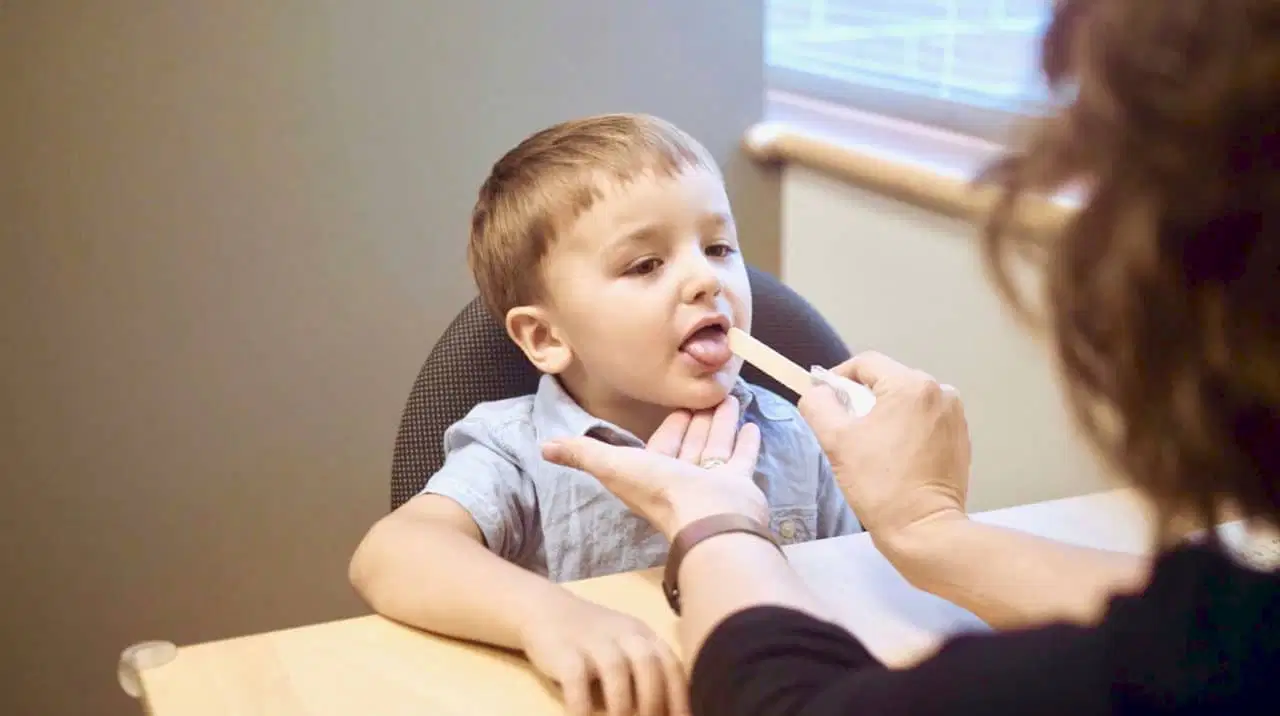
4. Visual feedback, like watching mouth movements, can help children with CAS during therapy.
Myth
Fact

5. CAS only affects the child's ability to speak and has no impact on prosody or rhythm.
Myth
Fact

6. The cerebellum plays a role in coordinating speech movements in CAS.
Myth
Fact

7. Children with CAS always have poor language comprehension.
Myth
Fact

8. Automatic speech (like singing) may be easier than on-demand speech for children with CAS.
Myth
Fact
9. CAS can be definitively diagnosed through a single standardized test.
Myth
Fact

10. Children with CAS show groping movements when trying to speak.
Myth
Fact

11. The frontal lobe has no role in CAS.
Myth
Fact

12. All children with CAS will outgrow the condition without intervention.
Myth
Fact

13. The parietal lobe helps integrate sensory information for speech in CAS.
Myth
Fact
14. CAS symptoms get worse when children are tired.
Myth
Fact

15. Children with CAS cannot benefit from alternative communication methods.
Myth
Fact

16. The temporal lobe affects auditory processing in CAS.
Myth
Fact

17. Children with CAS have the same speech errors every day.
Myth
Fact

18. Early intervention by an SLP is crucial for CAS treatment.
Myth
Fact
19. CAS only affects consonant sounds, never vowels.
Myth
Fact

20. Parent involvement has no impact on CAS therapy outcomes.
Myth
Fact

