wayground logo

Free Printable Worksheets

Font size

S
M
L
XL
Worksheets

01/24

Total questions: 12

Worksheet time: 10mins

Name
Class
Date
1.

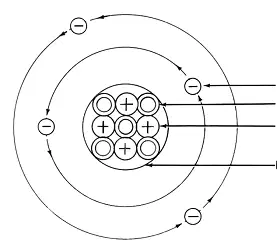
Atoms are made up of three subatomic particles:

(a)  
2.
Question Image

Match the subatomic particle with the charge and location.

a)
Protons
1.

Positive charge, located in the nucleus

b)

Neutrons

2.

No charge, located in the nucleus

c)
Electrons
3.

Negative charge and orbiting the nucleus

3.

If electrons are added to an atom, the atom becomes​ (a)   charged.

If electrons are removed, the atoms becomes​ (b)   charged. Atoms with additional or less electrons are called​ (c)   .

Choose from the below words
positively
negatively
ions

neutral

4.

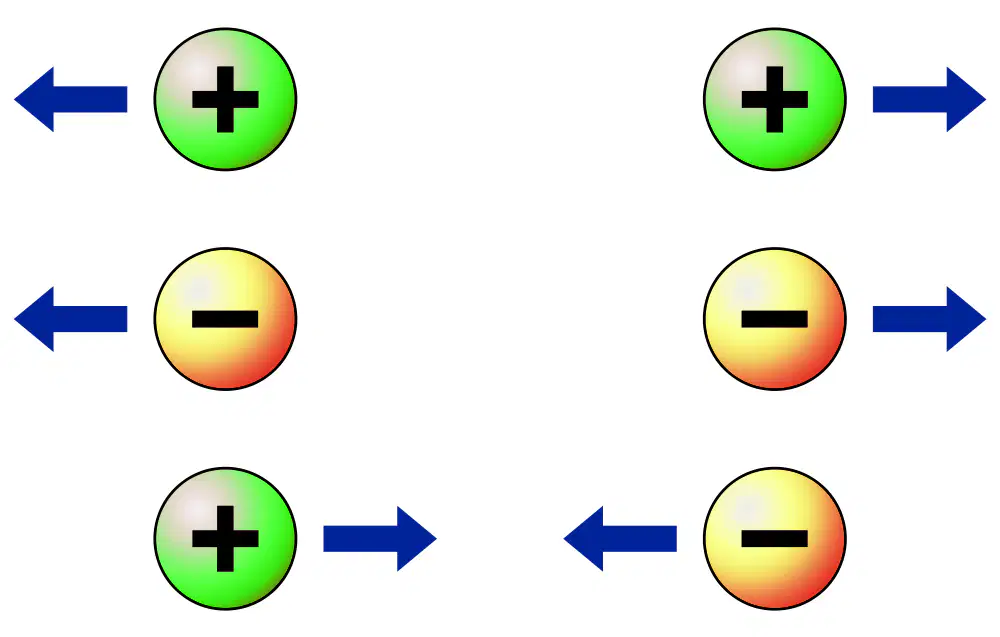
Like charges

(a)   . Opposite charges​ (b)  

Choose from the below words
repel
attract
combine
neutralize
cancel
5.

Static electricity is...

a)
the buildup of electric charge on the surface of objects
b)
the absence of electric charge in an object
c)
the flow of electric current through a conductor
d)
the process of generating electricity from heat
6.

A generator is a machine that converts mechanical energy into electrical energy.

a)

True

b)

False

7.

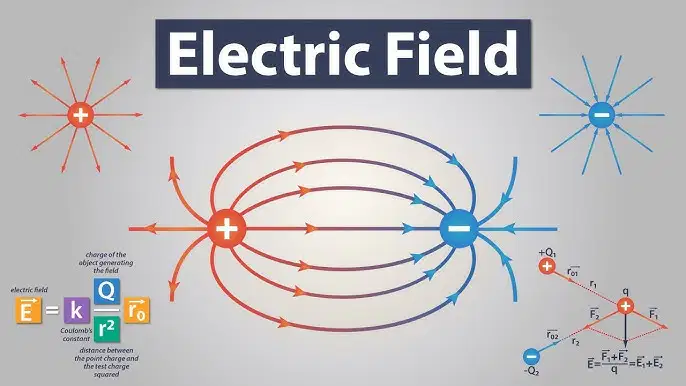
Electric field is...

a)

An area around a charged object where electric forces are exerted.
b)
A constant field that does not change with distance.
c)
A field that describes magnetic forces only.
d)
A scalar field representing temperature variations.
8.

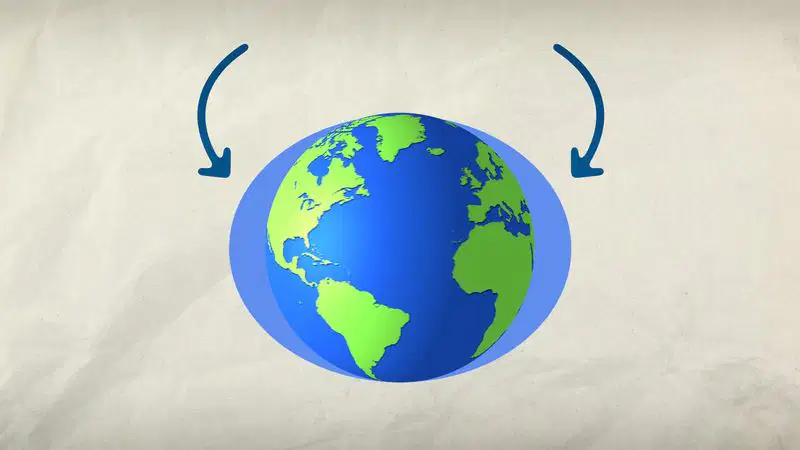
How tides are formed?

a)
Tides are formed by the gravitational pull of the moon and the sun on Earth's oceans.
b)
Tides are a result of wind patterns across the ocean.
c)
Tides are influenced by the Earth's rotation alone.
d)
Tides are caused by underwater volcanic activity.
9.

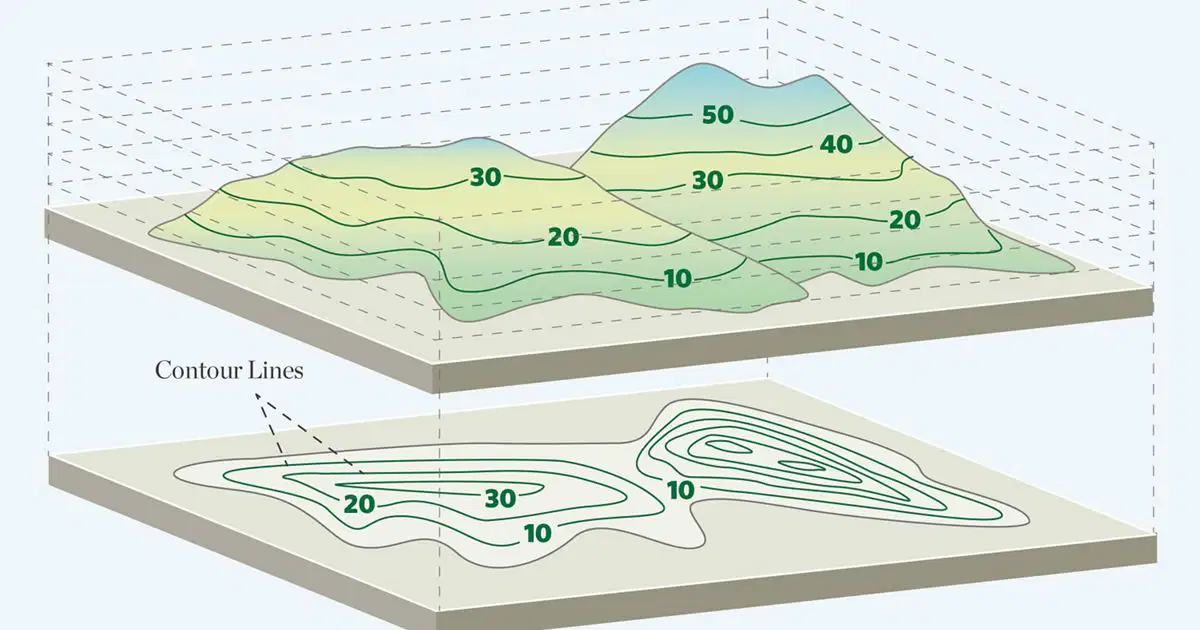
Topography is...

a)
the study of weather patterns
b)
the process of land development
c)
the measurement of sea levels
d)
the arrangement of the natural and artificial physical features of an area
10.

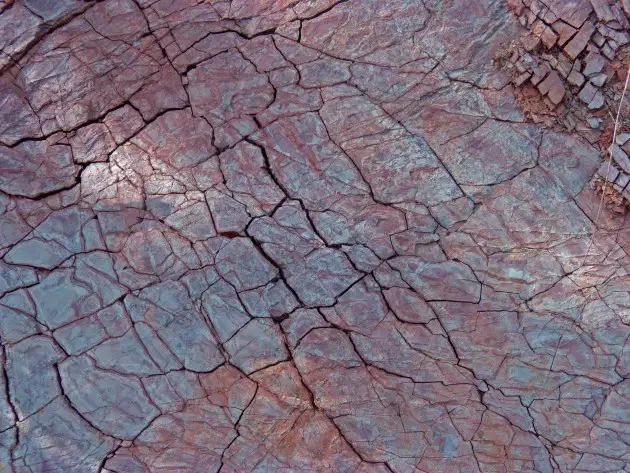
Examples of mechanical weathering are...

a)
Chemical erosion, sediment deposition, volcanic activity.
b)
Soil formation, plant growth, nutrient cycling.
c)
Glacial movement, tectonic shifts, ocean currents.
d)
Freeze-thaw cycles, abrasion, root expansion.
11.

An example of chemical weathering is...

a)
erosion of sand by wind
b)
dissolution of limestone by carbonic acid
c)
melting of ice in the sun
d)
formation of soil from rocks
12.

What is an example of static electricity?

a)

Using a metal spoon to stir soup.

b)

Charging a phone battery.

c)

Wearing rubber shoes on wet surface.

d)

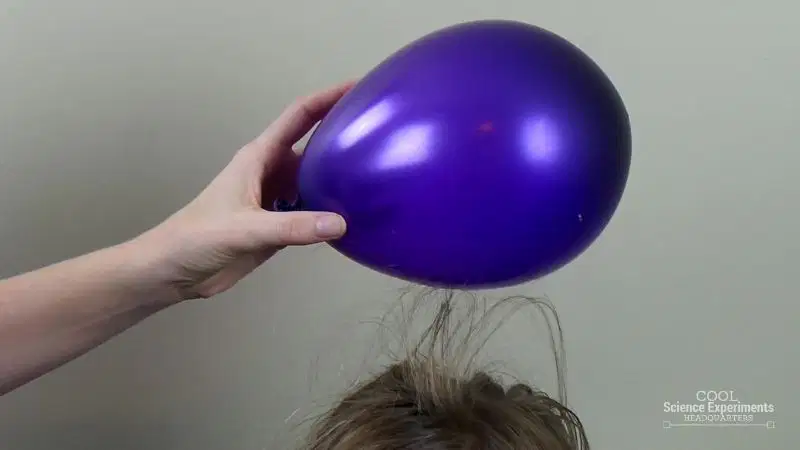
Rubbing a balloon with your hair.