
 Worksheets
Summative 1 Crypto currency
Total questions: 32
Worksheet time: 16mins
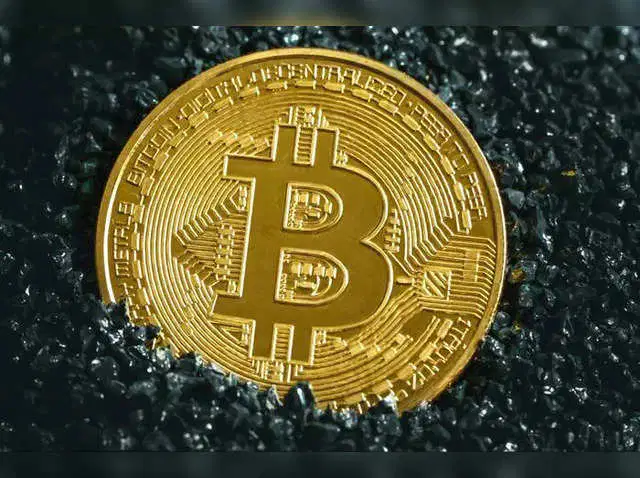
What is Bitcoin?
A cloud-based service that hosts blockchain nodes
A decentralized digital currency
A digital crypto wallet
A hardware crypto wallet

Who is the creator of Bitcoin?
Ryuichi Sakamoto
Satoshi Nakamoto
Akira Toriyama
Masashi Kishimoto
What does NFT mean?
Nonfungible Token
New Financial Trend
National Finance Technology
New Financial Art
What is Ethereum?
A DEX (decentralized exchange)
A DAO (decentralized autonomous organization)
A layer-2 network that executes on the Bitcoin blockchain
A blockchain network that can run smart contracts
What is MetaMask?
The main cryptocurrency used in the Metaverse
A cryptocurrency created by Meta (Facebook)
A new social media platform that runs on the blockchain
A browser extension that serves as a cryptocurrency wallet

What is an NFT (non-fungible token)?
An NFT is a paper asset that represents real-world objects like art, music, in-game items and videos.
An NFT is a digital asset that represents real-world objects like art, music, in-game items and videos.
An NFT is an imaginary asset that represents real-world objects like art, music, in-game items and videos.
An NFT is a fake asset that represents real-world objects like art, music, in-game items and videos.

What is a Decentralized Exchange?
Decentralized exchanges are regulated, need licenses to operate, and are compliant with the regulatory authorities.
Centralized exchanges are unregulated, don't need licenses to operate, and are non-compliant with the regulatory authorities.
This is a peer-to-peer marketplaces where cryptocurrency traders make transactions directly without handing over management of their funds to an intermediary or custodian.
This is where you store your secret pass phrase
Crypto assets and blockchain have the same meaning.
True
False
A Non-Fungible Token (NFT) can represent ownership of a video clip of a basketball game.
True
False
Which crypto asset is the oldest?
Tether
Bitcoin
Dogecoin
Ether
What is the primary function of a cryptocurrency?
To act as a physical currency
To regulate the generation of units and verify fund transfers
To store physical assets
To provide government loans
What is a cryptocurrency wallet used for?
Storing public and private keys for transactions
Exchanging fiat money
Mining new coins
Regulating market prices
What is a digital exchange?
A physical marketplace for trading goods
A platform for trading cryptocurrencies and digital currencies
A government agency for regulating currencies
A type of cryptocurrency
What is the main characteristic of decentralized finance (DeFi)?
Involvement of banks and governments
Conducting financial activities without intermediaries
Use of physical currency
Centralized control by a single entity
Which of the following is a digital currency?
Cryptocurrency
Fiat Money
Gold
Silver
What is the purpose of a crypto token?
To act as a physical currency
To interact with applications on a blockchain
To replace government-issued money
To store physical assets
What is the advantage of using Bitcoin for international transactions?
Lower fees and faster processing
Higher security and privacy
No need for currency exchange
Ability to bypass government regulations
What makes NFTs "non-fungible"?
They cannot be bought or sold
They are unique and cannot be replaced by something identical
They are interchangeable like currency
They do not have any value
On which technology are NFTs primarily built?
Cloud Computing
Blockchain
Artificial Intelligence
Internet of Things
Which blockchain is most commonly associated with NFTs?
Bitcoin
Ethereum
Solana
Ripple
What is a key characteristic of NFTs?
They can be physically touched
They are divisible
They represent ownership of a unique digital asset
They are the same as cryptocurrencies
What type of assets can NFTs represent?
Digital art and collectibles
Real estate
In-game items and music
All of the above
How are NFTs bought and sold?
Through physical auction houses
On online marketplaces like OpenSea or Rarible
By exchanging them directly for physical goods
They cannot be traded once created
What does P2P stand for?
Peer to Peer
Password to Password
Product to Product
Private Key to Public Key
What does ‘minting an NFT’ mean?
Selling an NFT
Transferring an NFT
Investing in NFT
Creating an NFT
Blockchain is a type of technology that stores data in the form of blocks.
True
False
Which of the following are crypto assets?
Cryptocurrency
Non-fungible Tokens (NFT)
Utility Tokens
All of the above
What is cryptocurrency?
dead currency
digital money
secret currents
secret money
What are NFTs used to prove in the context of digital art collections?
Ownership and authenticity of digital assets
Confirmation of payment for services
Proof of purchase for physical goods
Verification of identity
What is required to buy and sell NFTs on a digital marketplace?
Credit cards
Cryptocurrency
Cash
Bank transfers
Imagine you are an artist stepping into the digital world. You've created a unique piece of digital art, composed an original piece of music, and designed a virtual house. Which of these can be represented as an NFT?
Digital art
Music
Virtual real estate
All of the above

What does the acronym DeFi stand for?
Delocalized Finance.
Deflationary Finance.
Decentralized Finance.
Decrypting finance

