Font size
 Worksheets
Body Organization/Skeletal System
Total questions: 45
Worksheet time: 32mins
What is the skeletal system?
the system of the body that is made up of bones, cartilage, ligaments and joints
the system of the body that is made up of muscles and tendons
the system of the body responsible for circulating blood
the system of the body responsible for digesting food
What are the functions of the skeletal system?
Give you structure, protection and allow movement
Circulate blood through the body
Send messages throughout the body
Which mineral is important to have strong and healthy bones?
calcium
sulfur
sodium
Which bone protects the heart, lungs and liver?
ribcage
pelvis
skull
spine
Which connective tissue connects bones to bones?
ligaments
cartilage
tendons
Which connective tissue connects muscles to bones?
ligaments
cartilage
tendons
Which tissue is found on the end of each bone to protect them when they rub together? (Hint: It is also found in your ears and nose!)
ligaments
cartilage
tendons
What is another name for the bone structure in your head?
Femur
Tarsals
Ulna
Cranium
Match the following types of muscles with their characteristics.
Voluntary muscles
Skeletal muscles
Involuntary muscles
Cardiac muscles
Cartilage
Flexible connective tissue
Ligaments
Connective tissue that connects bones
Our skeletal system is made up of what?
muscles
bones
organs
skin
Organ System
Made up of organs that work together to preform a specific task
Basic unit of life
Made up of tissues that work together to preform a specific task
Made up of cells that have the same shape and function
Organism
Made up of organs that work together to prefrom a specific task
Basic unit of life
Made of organ systems that work together to sustain life
Made up of cells that have the same shape and function

Group of tissues with similar functions.
Organelles
Cells
Tissues
Organs
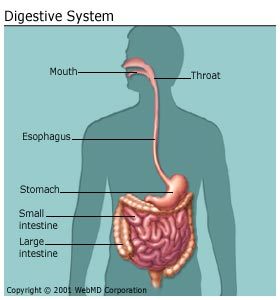
These organs working together are an example of a(n) ________________ .
organ system
cell
atom
tissue
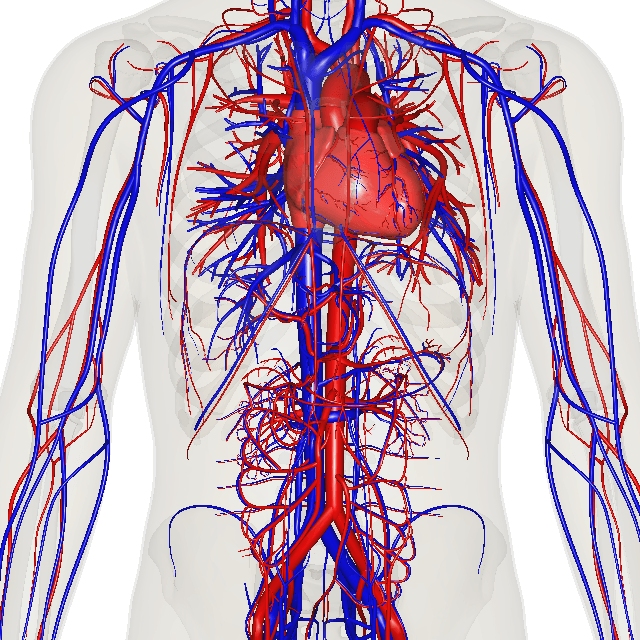
This tissue covers the surface of the body inside and out.
Epithelial
Connective
Muscle
Nerve
This tissue allows the brain to communicate with the rest of the body through electrical impulses.
Connective
Epithelial
Nerve
Muscle
Examples of this kind of tissue are skin, lining of the digestive tract, and lining of the inside of organs
Epithelial
Connective
Nerve
Muscle

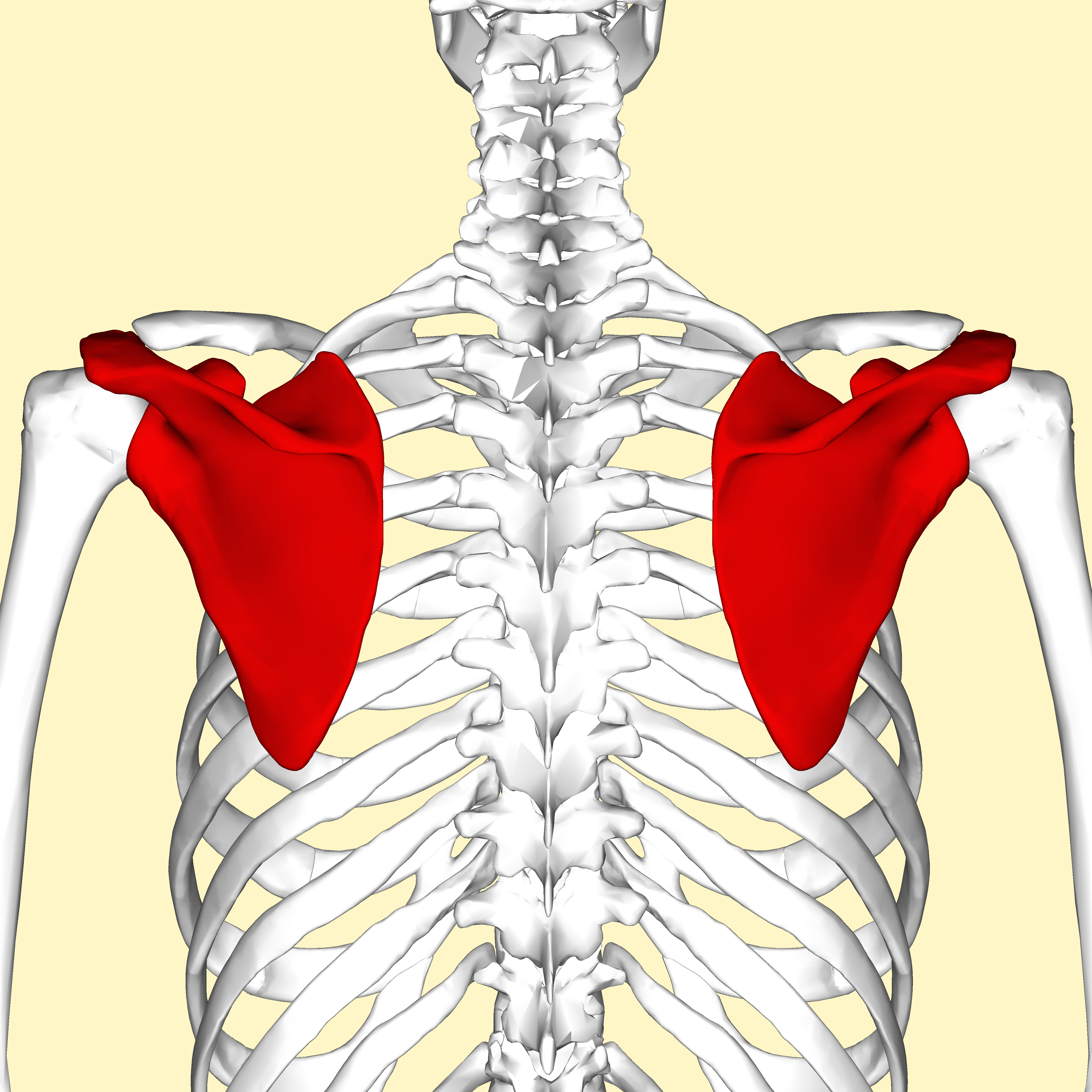
What bone is this?
Femur
Tibia
Scapula
Fibula

What bone is this?
tibia
ulna
radius
scapula

What bone is this?
clavicle
cranium
ulna
humerus

What bone is this?
humerus
tibia
scapula
radius

What bone is this?
radius
ulna
scapula
phalanges

What bone is this?
carples
patella
cranium
Pelvis

What bone is this?
Radius
Ulna
Scapula
Tibia

What bone is this?
phalanges
ribs
cranium
humerus

What bone is this?
Fibula
tibia
femur
sternum
Bones are made up of
calcium
iron
potassium
oxygen

Match the example to the job: Your rib cage protects your heart.
gives you shape and support
protects your inner organs
forms blood cells
stores minerals
helps you move (with muscles)
Your heart is a/an ________________ muscle.
Voluntary
Involuntary
Arms and legs are _______ muscles.
Voluntary
Involuntary
Tissues make up.....
Tissues
Organs
Organ systems
more cells
The ability to control the movements of a muscle is...?
involuntary
voluntary
supportive
active
Muscle tissue functions to
Provide structure and support, cushion organs, stores nutrients
Protect the body, absorb nutrients, filter blood and secrete
Carry impulses (messages) throughout the body
Made of muscle fibers that relax and contract
Involuntary muscle tissue are not under conscious control and move without our awareness, good examples would be
heart, intestines, biceps
biceps, triceps, skeletal muscles
tricerotops, bicerotops, legs
heart, intestines, eyelids

What bone is this? (a)

What bones are these (a) ?

What bone is this? (a)

What bone is this? (a)