
 Worksheets
TCA #4 ~ Russia and the Republics / SW Asia
Total questions: 22
Worksheet time: 11mins
Since 1991 the Russian government has undergone many changes, including adopting a constitution. Despite changes that have introduced more democratic reforms, one political leader has dominated Russia’s executive branch since 1999. How does this current political pattern in Russia reflect the political history of this region?
Russian governments and politics have a long history of authoritarian rule.
Russian history is characterized by a series of revolutions to limit the government.
For most of the twentieth century Russians have not had the right to vote in elections.
Russia has historically adopted western traditions including western political philosophies.
How do the Ural Mountains affect the distribution of climate regions in Russia?
The northern side of the mountain range receives cool, rainy weather, while the southern side is a hot desert.
The western side of the mountain range receives warm continental winds, while the eastern side is much cooler and drier.
The western side receives cold, arctic weather, while the eastern side is protected from weather extremes and has a mild climate.
The western side of the mountain range receives warm Mediterranean winds, while the eastern side is affected by Indian Ocean monsoon rains.
Socialism and communism are both examples of which type of economy?
Mixed
Market
Command
Traditional
Russian territory nearest the Arctic Ocean experiences low amounts of precipitation and low temperatures throughout the year creating a biome characterized by –
tundra
desert
grasslands
taiga forests
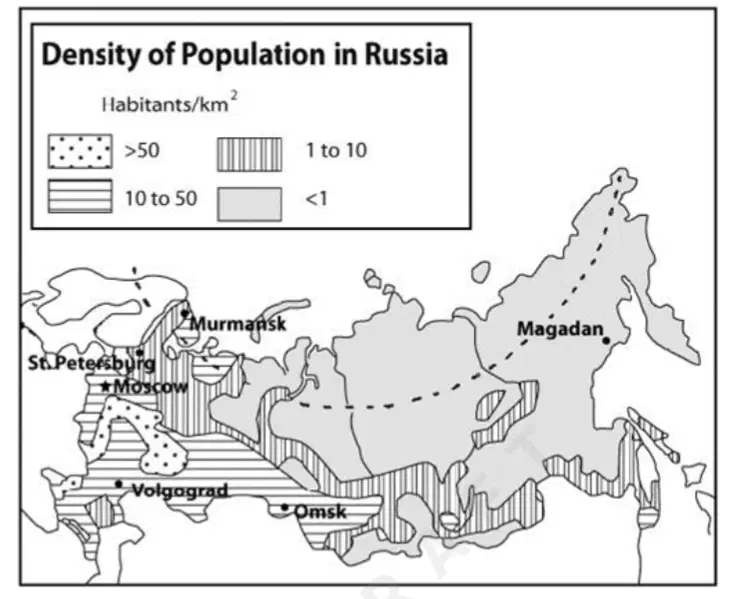
Which geographic factors contribute to the population distribution pattern shown on the map above?
Southern areas have a higher population density due to nearby access to Indian Ocean trade routes.
Northern regions have a higher population density due to easy access to the sea and better timberland.
Western areas have a higher population density due to the warmer climate and more arable land than eastern areas.
Eastern areas have a higher population density due to the flat terrain, allowing for extensive trade routes and the growth of trading cities.
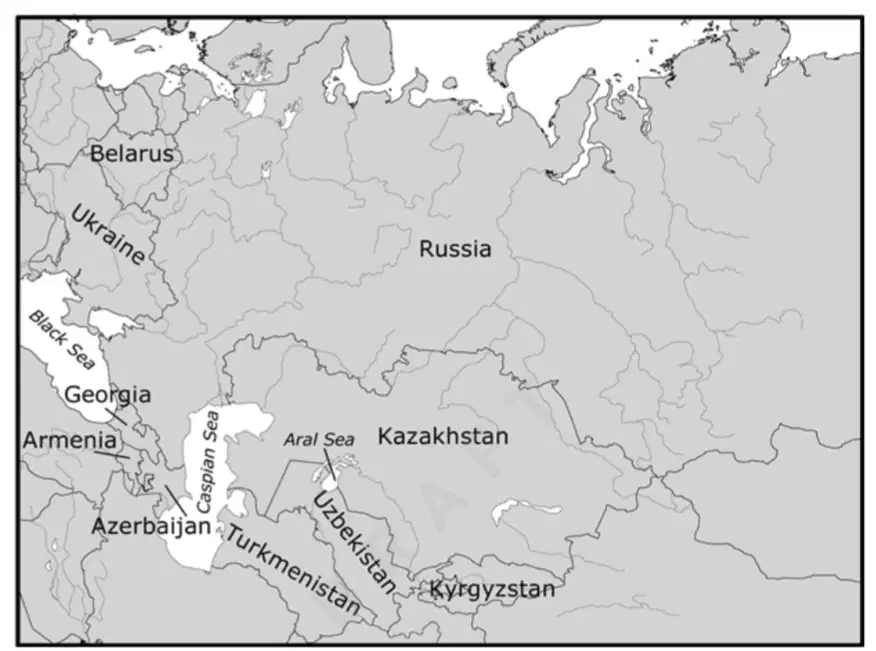
Which factor had the most impact on the creation of the borders shown on the map above?
Climate zones
Ethnic divisions
Physical geography
Mountain barriers
Although the world is looking for affordable energy resources, the incident at Chernobyl in 1986, created great fear and apprehension. What happened?
A tsunami destroyed the power plant.
Terrorists took over the power plant.
The nuclear power plant exploded.
An earthquake destroyed the power plant.
Why has Siberia become an increasingly valuable area to Russia?
The Russian military uses the region to limit the influence of China on East Asia.
Most Russian prisons are built in the area to take advantage of the remote location.
The many natural resources have led to expanding industry and trade.
Siberian ice is transported west for agriculture in drought regions around the Ural Mountains.
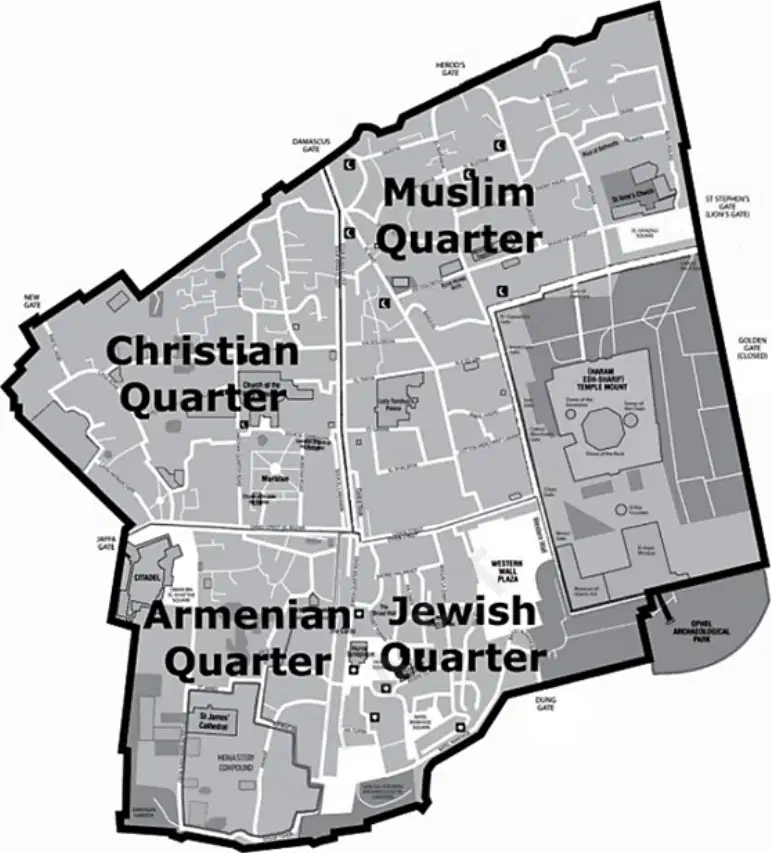
Based on the map, one way that cultural diffusion has impacted the city of Jerusalem includes —
the creation of separate distinct cultural enclaves
the blending of several religious traditions into a new one
the building of a wall to keep threatening forces out of the city
Which event is a daily reminder in Southwest Asia of the significance of religion in the region?
Ramadan dinners
Public calls to prayer
Pilgrimages to Mecca
Friday store closings
Which of the following has played a significant role in the increased wealth amongst Middle Eastern nations since the 1970s?
The growing global influence of Islamic fundamentalism
The expanded role of the Arab League in international politics
The discovery of extremely productive gold mines in the region
The creation of the Organization of the Petroleum Exporting Countries
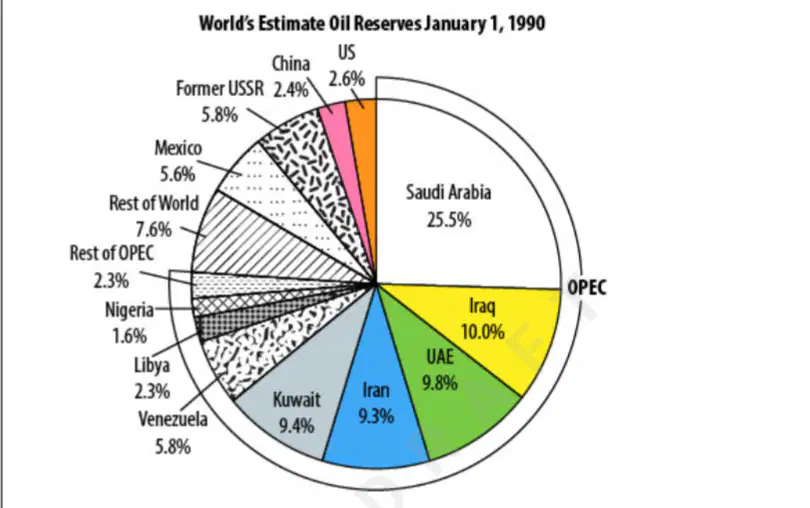
The graph below illustrates which nations control the world's oil reserves. Based on the information contained in this graph, one can conclude that —
no major oil reserves exist in Latin America.
only Middle Eastern nations are members of OPEC.
events in the Middle East have a significant effect on world oil prices.
many nations are dependent on OPEC member nations for resources other than oil.
In the Middle East, a region often torn by conflict and poor relations between neighboring countries, oil and water are the two most important resources. Most Middle Eastern countries are arid and their populations are growing rapidly. Therefore, most of these countries suffer water shortages throughout the year. Since rivers and aquifers run through several countries, fresh water is a shared resource and a frequent source of conflict. Pollution or overuse of the waters of the Tigris and Euphrates rivers in Turkey, for example, affect Syria and Iraq downstream. Which of the following is the BEST solution to the problem described above?
Countries of the region should prosecute countries that pollute rivers.
Middle Eastern countries should regulate water use through international agencies.
Middle Eastern countries should take steps to control population growth.
Countries of the region should cooperate to build shared desalinization plants.
Which of the following is a shared belief of Judaism, Islam, and Christianity?
Ancestor worship
Papal supremacy
Reincarnation
Monotheism
Islam originated in Saudi Arabia in the seventh century in the city of Mecca. Which Islamic religious practice reflects the importance of Mecca?
Muslims pray facing Mecca and make a pilgrimage to Mecca.
Once in a lifetime a Muslim must celebrate Ramadan in Mecca.
Mecca is home to the famous Muslim Dome of the Rock mosque.
Islamic law requires Muslims to help feed and clothe the poor in Mecca.
The Middle East is one of the driest places on earth. How have the people of this area modified their environment to deal with the shortage of fresh water?
Creation of oases
Importing water from other areas
Desalination of seawater
Creation of water in laboratories
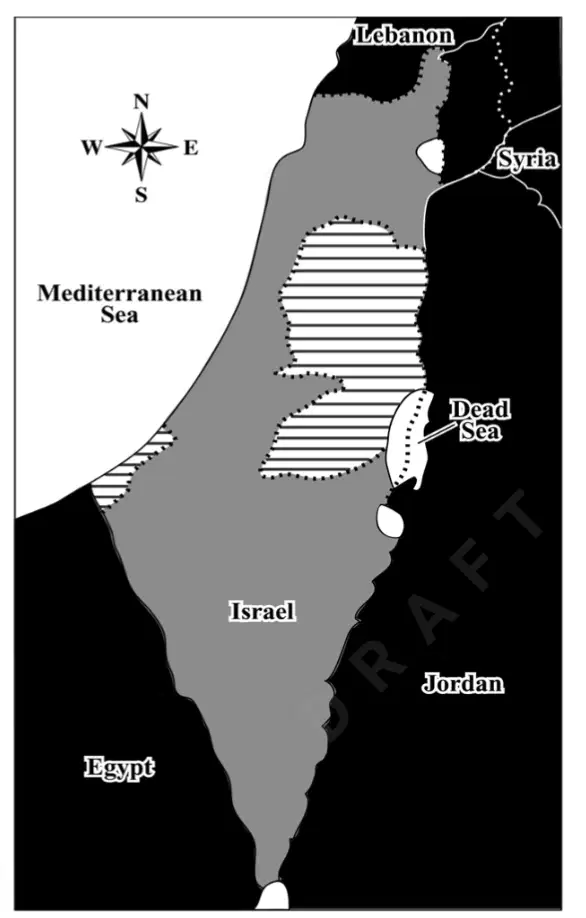
Which of the following would be an appropriate title for this map?
Occupied Territories Under Dispute Between Israel and Palestine
Comparison of the Ancient Hebrew Kingdom With the Modern Nation of Israel
Areas of Desertification in the Sinai Peninsula
Distribution of Sunni and Shi'a Muslim Populations
Which characteristic is an attribute of Saudi Arabian culture?
Islam is the primary religion.
Persian is the chief language.
Most people are ethnically Asian.
The government is democratic republic.
Which of the following technological innovations is vital to agriculture in desert regions?
Solar power
Irrigation
Wind power
Terracing
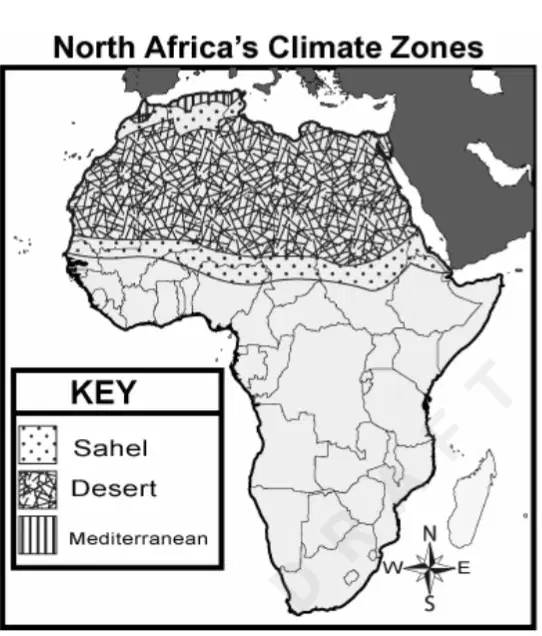
Where would MOST of the population of North Africa probably live?
along the Red Sea
in the center of North Africa
along the Atlantic coast
along the Mediterranean Sea
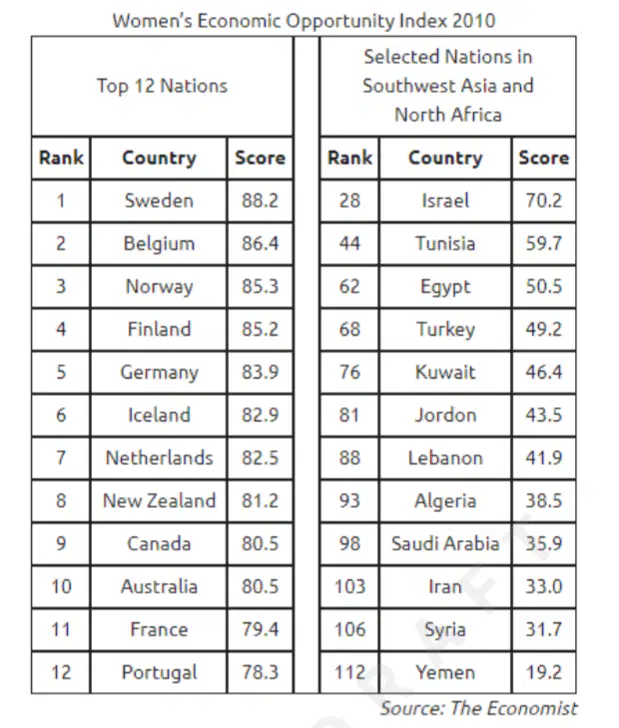
Based on the information in the tables above, how do the economic opportunities for women in Southwest Asia and North Africa compare with those of women in the top ten ranked nations?
The level economic opportunities for women is evenly distributed across global geographic regions.
Women in Southwest Asia and North Africa have more economic opportunities than women in Europe.
Yemeni women have more economic opportunities than other women in Southwest Asia and North Africa.
Opportunities for women across Southwest Asia and North Africa vary but are still fewer when compared to European nations.
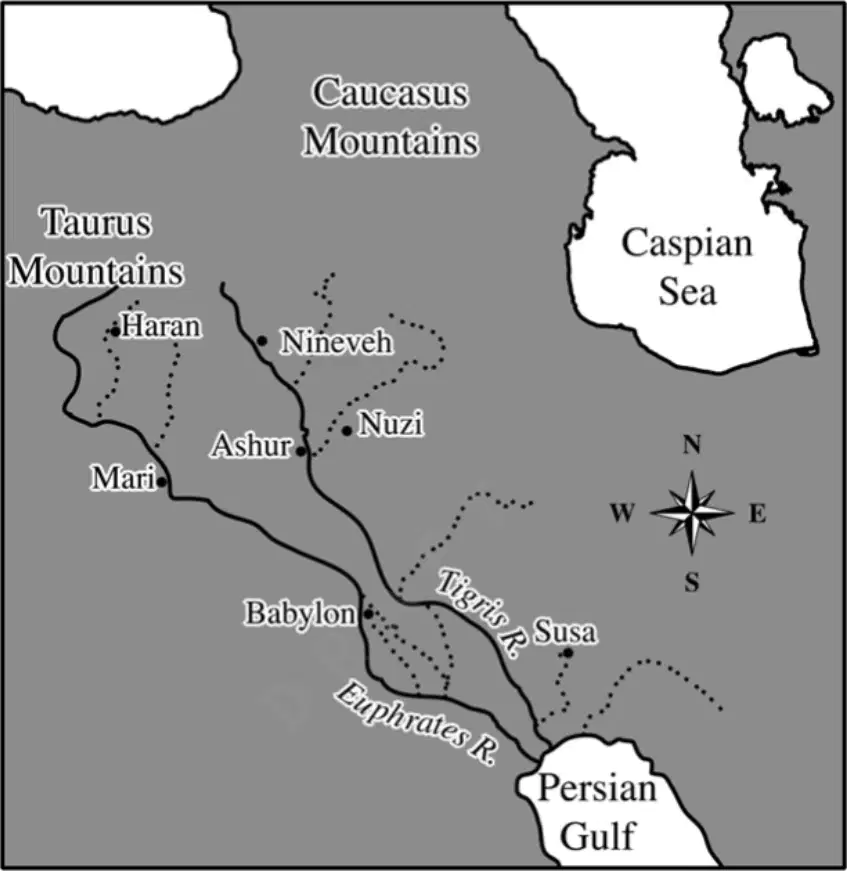
According to the map above, MOST of the early settlements in Mesopotamia were located —
near the Persian Gulf
along the major rivers
along the Caspian Sea

