
NEW
Font size
 Worksheets
3 Nervous System Organization and Anatomy: Brain Part 2
Total questions: 13
Worksheet time: 7mins
Which structure is responsible for smoothing out and adjusting motor movements?
Basal Ganglia
Cerebellum
Motor Cortex
Thalamus
What is another name for the Primary Motor Cortex?
Postcentral Gyrus
Precentral Gyrus
Occipital Lobe
Temporal Lobe
On which side of the body does the Primary Motor Cortex control movement?
Ipsilateral
Contralateral
Bilateral
Unilateral
Where do the motor tracts begin?
Sensory cortex
Primary motor cortex
Cerebellum
Brainstem
What do the axons of upper motor neurons control?
Cardiac muscles
Skeletal muscles
Smooth muscles
Glandular secretion
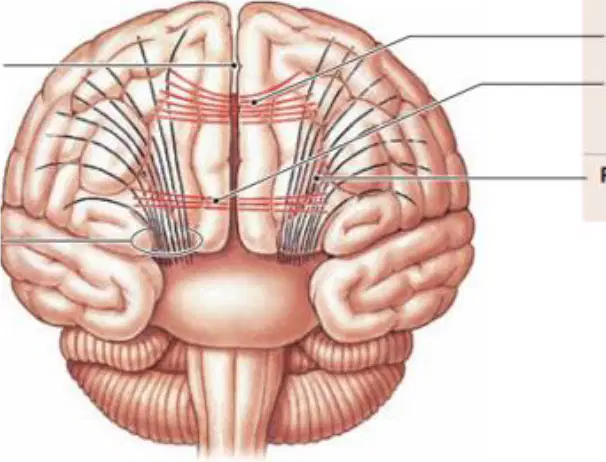
What is the function of the corpus callosum?
Connects the two hemispheres
Connects different parts of the same hemisphere
Connects the cortex with lower brain or spinal cord
Transmits auditory information
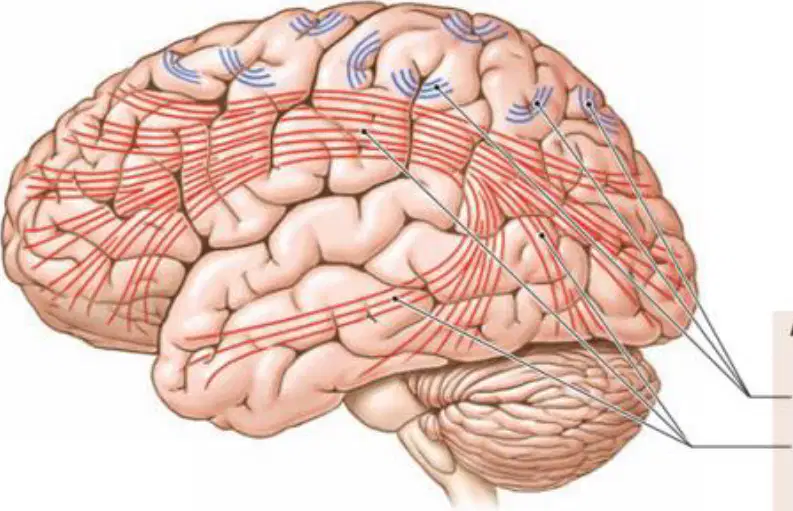
Which of the following is NOT a commissure?
Corpus callosum
Anterior commissure
Arcuate fibers
Posterior commissure
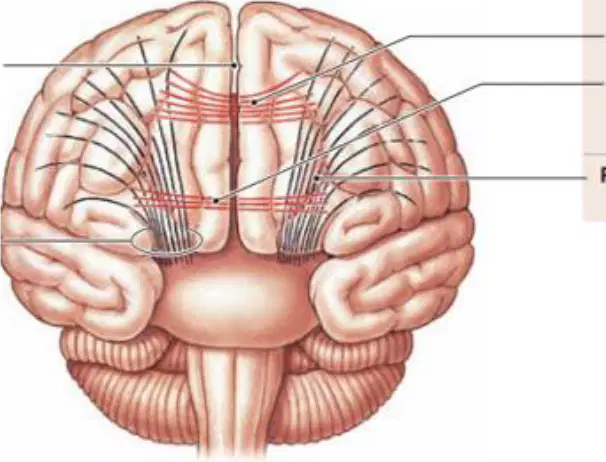
Which of the following fibers is involved in connecting the cortex with the spinal cord?
Association fibers
Commissures
Projection fibers
Sensory fibers
What type of motor movements does the Anterior Corticospinal Tract control?
Precise motor movements
Large motor movements
Fine motor movements
Small motor movements
On which side does the lower motor neuron (LMN) exit the central nervous system (CNS)?
Posterior
Anterior/Ventral
Lateral
Dorsal
Which of the following is NOT a function of the temporal lobe?
Understanding language
Memory acquisition
Balance and coordination
Face recognition
What is the second largest lobe of the brain?
Frontal lobe
Parietal lobe
Temporal lobe
Occipital lobe
Which of the following is a sensory function of the parietal lobe?
Emotional regulation
Sensation of touch
Muscle contraction
Hormone release

