wayground logo

Free Printable Worksheets

NEW

Font size

S
M
L
XL
Worksheets

Community and Population Approach

Total questions: 20

Worksheet time: 5hrs 0mins

Name
Class
Date
1.

Bird & Tree: A bird builds a nest in a hole in the trunk of the tree. It is protected from the rain and predators. The tree is not harmed or helped by the bird.

a)

Mutualism

b)

Commensalism

c)

Parasitism

2.

A human & a Tape Worm: The tape worm gets a place to live in the intestines of the human and food from the human. The human loses weight and nutrients from the tape worm.

a)

Mutualism

b)

Commensalism

c)

Parasitism

3.
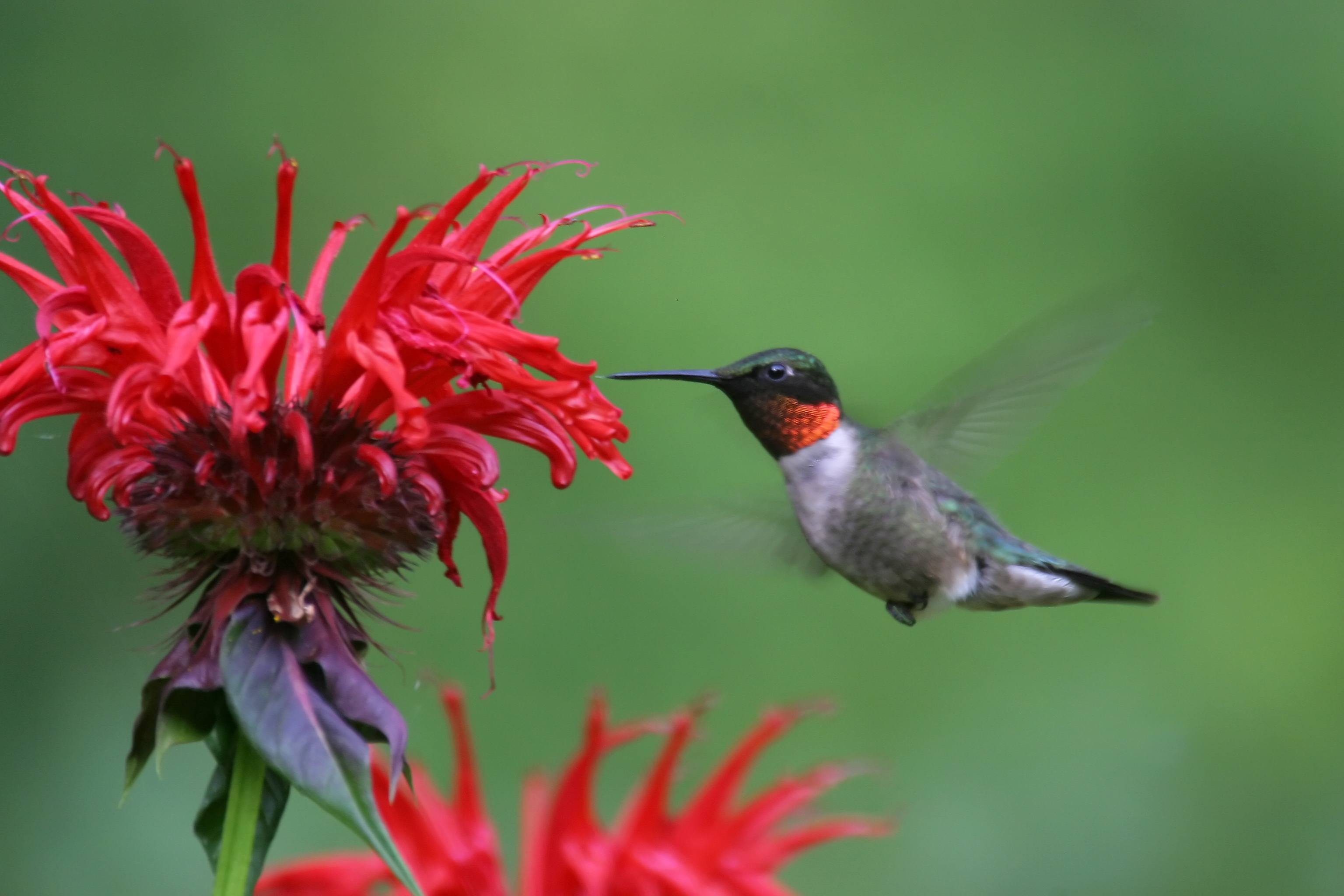
What type of symbiosis?  Hummingbirds feed on nectar from flowers.  The flowers are pollinated by hummingbirds as they move from flower to flower.
a)
commensalism
b)
mutualism
c)
parasitism
d)
predation
4.
Rabbits and deer eat lettuce leaves from a garden.
What ecological interaction describes the relationship between rabbits and deer?
a)
Mutualism
b)
Competition
c)
Commensalism
d)
Predation
5.
The movement of a single caribou into a herd is an example of
a)
population
b)
immigration
c)
emigration
d)
predation
6.
Which of the following is a density-independent limiting factor?
a)
natural disaster
b)
predation
c)
disease
d)
parasitism
7.
What pattern of growth will a population with limited resources show?
a)
density-dependent
b)
exponential 
c)
logistic
d)
logical 
8.
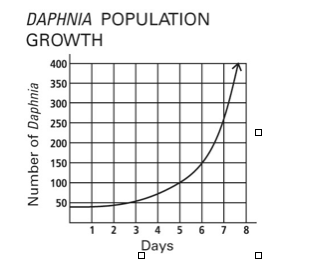
What type of population growth is shown in the graph?  
a)
logistic growth
b)
logical growth
c)
exponential growth
d)
density-dependent growth
9.
What 2 factors decrease population size?
a)
Immigration, Births
b)
Emigration, Births
c)
Emigration, Deaths
d)
Immigration, Deaths
10.

Which of the following populations is most likely to go extinct?

a)

a very small population in an unstable environment

b)

a moderate-sized population of r strategists

c)

a large population with lots of genetic variability

d)

all would be equally likely to go extinct

11.
What is the carrying capacity of the following graph?
a)
1000
b)
8000
c)
800
d)
600
12.

How quickly a population grows is called

a)

Limiting Factor

b)

Carrying Capacity

c)

Growth Rate

13.
Which factor is a density-dependent limiting factor on the population of a species?
a)
seasonal variation
b)
natural disasters
c)
unusual weather
d)
predation
14.
If the number of births in a population is the same as the number of deaths in a population, what will happen to the growth of the population?
a)
It will increase.
b)
It will decrease.
c)
It will stay the same.
d)
It will fluctuate.
15.

Parasites, disease, and predators, are examples of what type of limiting factors?

a)

density dependent

b)

density independent

c)

survivorship

d)

type 1 curve

16.

Identify the species richness of this community.

a)

4

b)

6

c)

25

d)

24

17.

What species have the lowest abundance?

a)

B

b)

C

c)

D

d)

E

e)

F

18.

Which community has the highest abundance of species A?

a)

Community A

b)

Community B

19.

Which community has higher species richness?

a)

Community A

b)

Community B

c)

Both community A & B

20.

Which site has the greatest biodiversity?

a)

Site A

b)

Site B