
Font size
 Worksheets
Russian Revolution (History Channel)
Total questions: 14
Worksheet time: 7hrs 0mins

Russia experienced two revolutions in the year (a) .

In the 1900s, Russia was one of the most impoverished countries in Europe with an enormous peasantry and a growing minority of poor industrial workers. The Russian Empire practiced _____, a form of feudalism from the Middle Ages in which landless peasants served land-owning nobility.
mercantilism
capitalism
serfdom
indentured servitude
guild systems
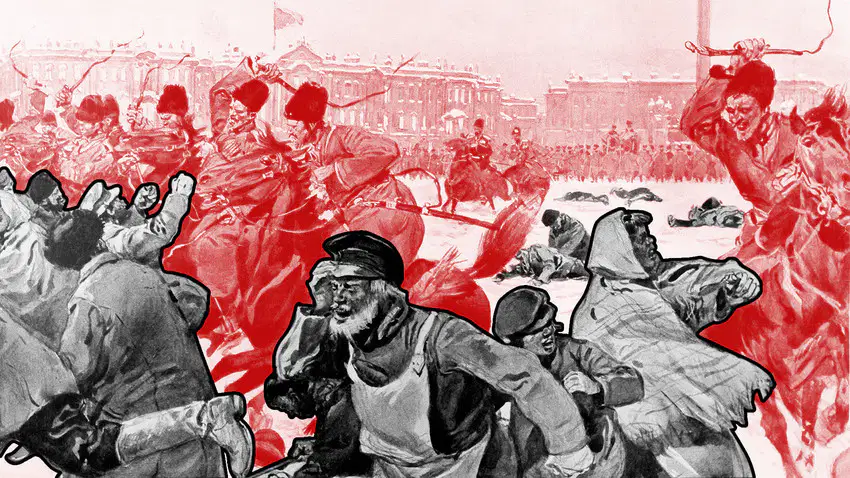
Famine, harsh working conditions, and costly wars contributed to a protest that resulted in the tsarist troops firing upon and killing and wounding hundreds of protestors in 1905. This event is known as (a) .

The revolution marked the end of the _______ dynasty, which ruled the Russian empire for centuries.
Habsburg
Romanov
Bourbon
Tudor
Rothschild

Czar Nicholas II promised greater freedom of speech and a ‘representative’ assembly, called the ____ in 1905.
Senate
Parliament
Council
Duma
Soviet

The Russians renamed their capital of St. Petersburg to (a) in 1915 because St. Petersburg sounded too German.

Nicholas’ wife, Czarina Alexandra, had a controversial advisor named Grigori (a) , a self-proclaimed mystic and holy man, who gained increasing influence over the royal family and Russian politics.
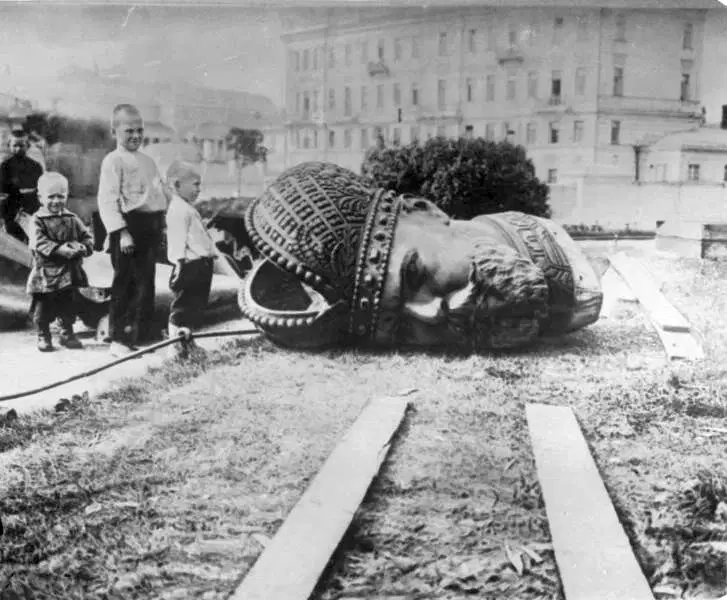
The _______ Revolution began on March 8th, 1917, with huge crowds of striking industrial workers clamoring for bread in Petrograd, culminating in Czar Nicholas abdicating his throne on March 12th.
October
March
February
Industrial
Workers

Did Russia continue to fight in WWI after the czar of Russia abdicated his throne?
No, Russia withdrew from WWI after the czar abdicated.
Yes, Russia continued to fight in WWI after the czar abdicated.

The October Revolution in 1917 was led by the (a) , whose leftist revolutionary leader was Vladimir Lenin
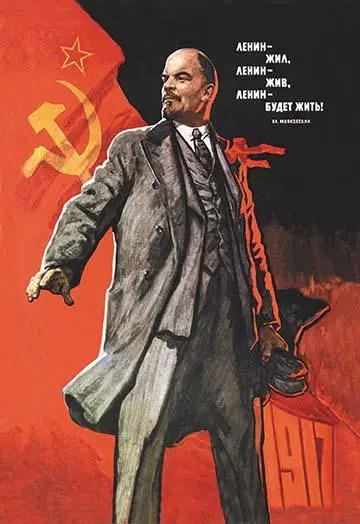
The Bolsheviks set up a government led by councils of soldiers, peasants, and workers. This was a (a) government. Lenin become the dictator of the first communist state.

The takeover of the Russian government by the Bolsheviks resulted in a civil war in 1917. The ___ army fought for Bolsheviks
White Army
Green Army
Blue Army
Red Army
Purple Army

The ____ Army represented a large group of loosely allied forces, including monarchists, capitalists and supporters of democratic socialism. The coalition army consisted of a large group of loosely allied forces, including monarchists, capitalists, and supporters of democratic socialism.
Red Army
Black Army
White Army
Green Army
Blue Army
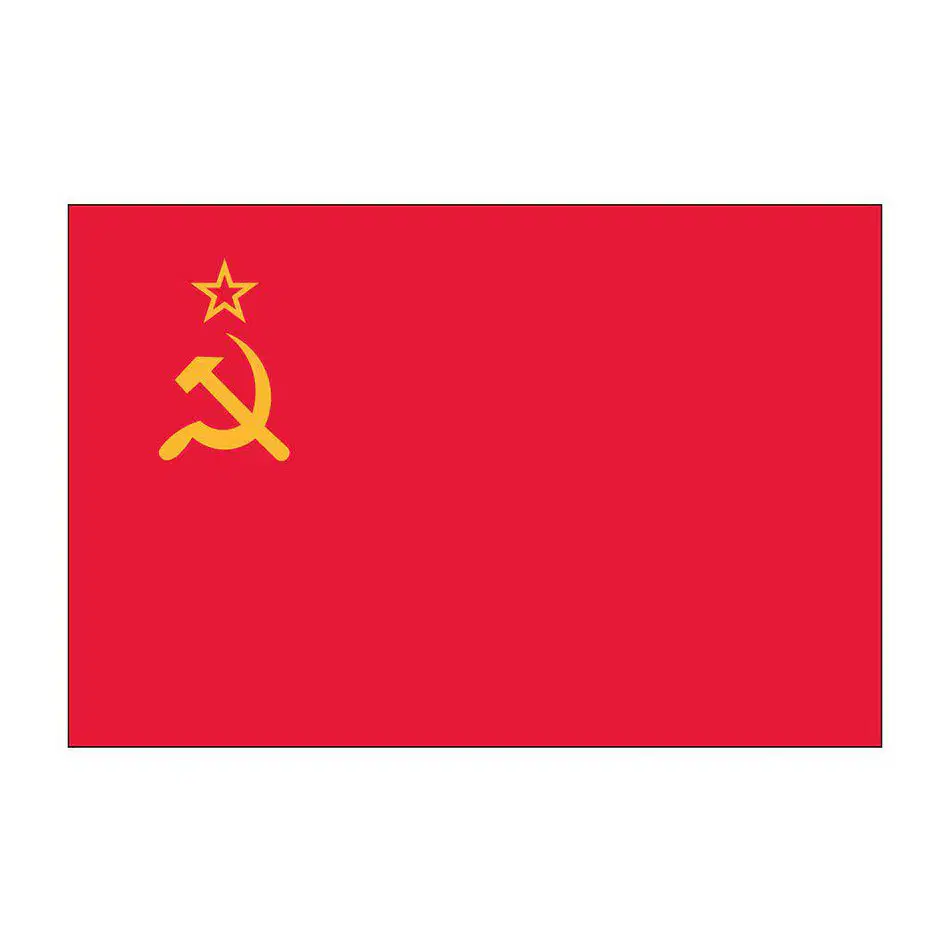
Lenin’s Bolshevik army won the Russian Civil War in 1923, establishing the (a)

