
 Worksheets
State Board Review-1/29
Total questions: 65
Worksheet time: 32mins
Athletes foot is an example of this type of pathogen
bacteria
rickettsiae
protozoa
fungi
Airborne infections are transmitted by which of the following?
birds
hairbrushes
sneezes
flies
When a cosmetologist combs hair away from its natural falling postion before cutting in order to incease a hair design's length, the cosmetologist is using _____________.
finger angles
haircut sections
elevation
overdirection
A stylist is discussing a new hairstyle with a client, who describes a style that must use short layers. In order to create the layered style, what type of guideline should the stylist use?
stationary guideline
traveling guideline
perimeter guideline
interior guideline
How often should a cosmetologist disinfect haircutting shears?
after each client
every day
weekly
whenever the disinfecting technician visits the salon
When haircutting shears are properly held, which of the following is true?
The ring finger is placed in the grip of the moving blade
The thumb is placed in the grip of the moving blade
The ring finger is placed on the finger tang
The index finger is placed in the grip of the still blade
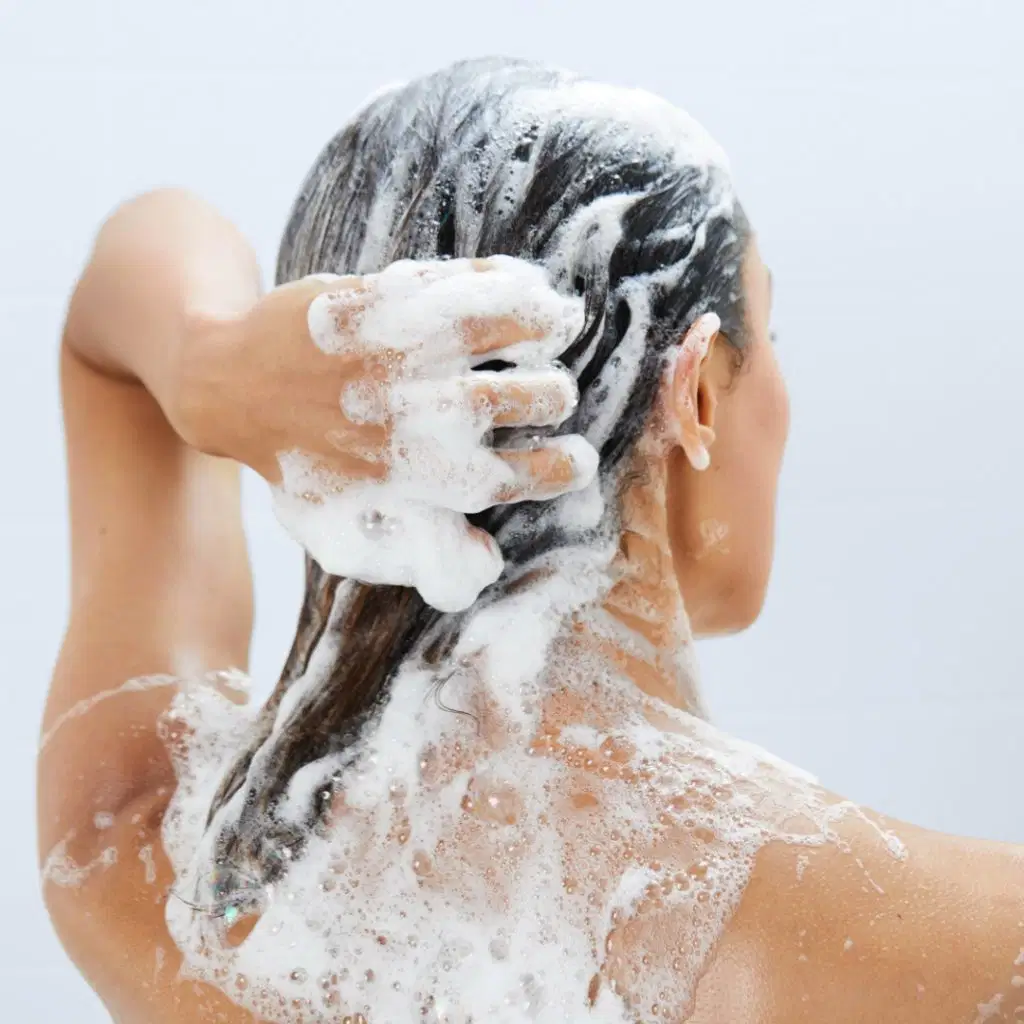
What is the main purpose of shampooing?
To soften the scalp
To make it smell good
To cleanse the hair and scalp
To make styling the hair easier

The process of heating water so that it becomes a vapor, then condensing the vapor so that it collects as a liquid is called:
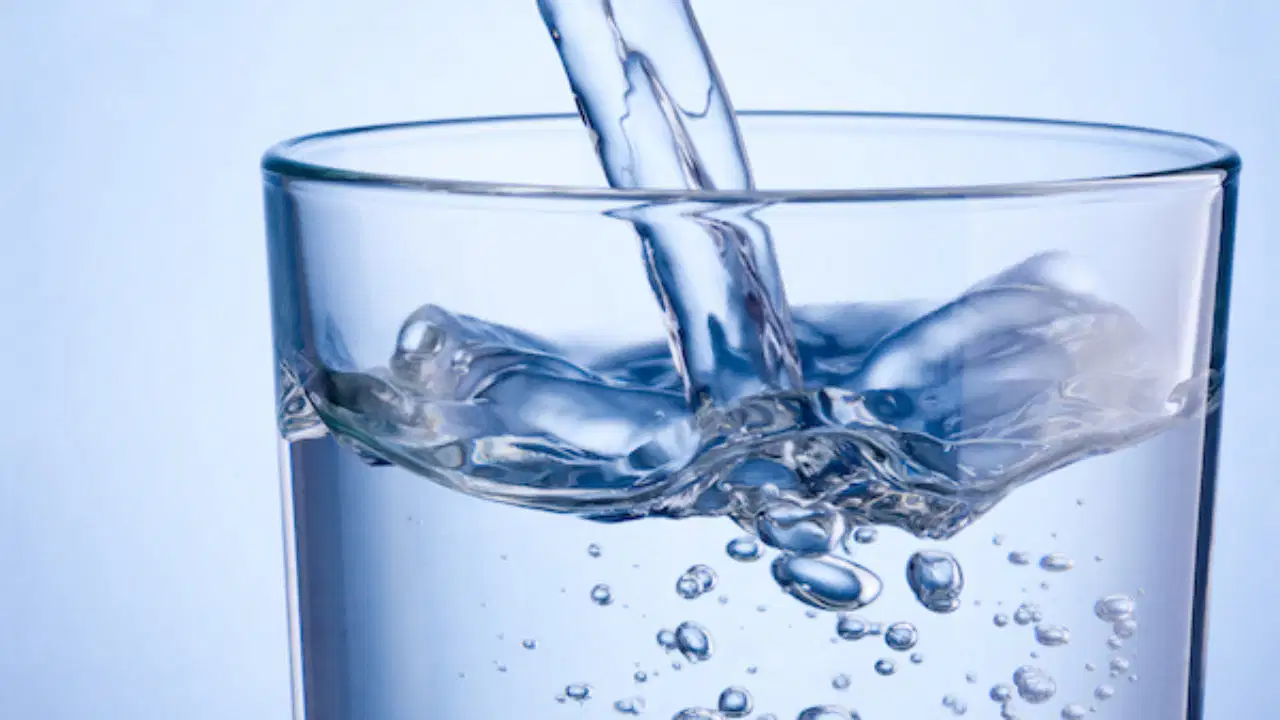
Rain water or water that has been chemically treated is called (a) water.

The term pH stands for:
potential hydrogen

Anything with a pH of 7 is considered to be:

The pH of hair is:
4.5-5.5
7.0-7.9
2.0-3.0
8.0-9.0
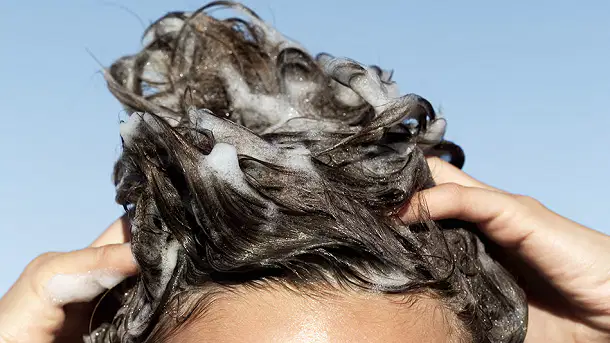
The two ingredients most shampoos have in common is water and:
base surfactants
Laws are also called
Regulation
Rules
Statutes
Guidelines
Chemical products that destroy all bacteria, fungi, and viruses (but not spores) on surfaces are
Antiseptics
Disinfectants
sterilizers
Sanitizers
A parasitic submicroscopic particle that infects and resides in the cells of a biological organism is a:
Bacteria
Parasite
Virus
Contaminant
Disease-causing microorganisms that are carried in the body by blood or body fluids are called:
Positive pathogens
acquired pathogenic
Blood borne pathogens
Inoculation pathogens
The type of immunity that the body develops after overcoming a disease or through inoculations is:
Natural immunity
Natural healing
Acquired immunity
Acquired resistance
A safe and useful type of disinfectant, commonly called quats, is:
Quarter antiseptic solution
Phenolic quaternary agents
Quaternary based compounds
Quaternary ammonium compounds
Sodium hypochlorite is the chemical name for.
Phenols
Bleach
Baking soda
Soap
Single-use items that do not have the capacity to be disinfected after each client use must be:
Discarded
Washed
Stored
Immersed
If an exposure incident should occur, discard all disposable contaminated objects in a:
Trash bag
Contaminated waste container
Paper towels
Trash can
The medical branch of science that deals with the study of the skin, its functions and diseases, is:
Anatomy
Dermatology
Histology
Physiology
The clear, transparent layer just under the stratum corneum that consists of small cells through which light can pass is the:
Stratum lucidum
Stratum corneum
Stratum spinosum
Stratum granulosum
The slightly thickened skin between the fingertip and the free edge of the natural nail is the:
eponychium
mantle
hyponychium
matrix
The living skin at the base of the nail plate covering the matrix area is the:
eponychium
mantle
hyponychium
matrix
The area of the nail where the nail plate cells are formed is the:
mantle
matrix
lunula
free edge
The _____ is the client’s permanent progress record of services received and contains the results, formulations, products used during services, as well as any sensitivities or allergies.
service record card
client intake form
client medical history
client progress report
In which step of the consultation would you counsel clients on salon maintenance, lifestyle limitations, and home maintenance commitments?
Discuss upkeep and maintenance.
Suggest options.
Review the consultation.
Make color recommendations.
What is one of the first steps you should take when a client is dissatisfied with a service?
Downplay the issue.
Defend your point of view.
Ask for specifics.
Cancel future appointments.
Stressful, repetitive motions have a cumulative effect on joints and _____.
eyes
muscles
skin
heart
An important practical step that promotes effective communication is to _____.
explain procedures in as much detail as possible
have a written trail of records
use nonverbal signals
talk less and listen more
Laws are also called _____.
regulations
guidelines
statutes
rules
Invasion of body tissues by disease-causing pathogenic bacteria can result in a(n) _____.
infection
antitoxin
abrasion
contusion
The bones in the fingers or digits are called _____.
phalanges
metacarpus
scapula
carpus
A small, cone-shaped area located at the base of the hair follicle that fits into the hair bulb is the _____.
hair follicle
hair strand
dermal papilla
dermal cuticle
The changes involved in oxidation haircoloring, wet setting, thermal styling, permanent waving, and chemical hair relaxing take place within the _____.
cuticle
cortex
medulla
dermal papilla
Hair is approximately _____ percent protein.
30
50
70
90
What is the growth phase during which new hair is produced?
Genesis
Telogen
Anagen
Catagen
The measurement that describes the number of individual hair strands on one square inch of the scalp is hair _____.
porosity
diameter
elasticity
density
The ability of the hair to absorb moisture is hair _____.
porosity
elasticity
density
saturation
A _____ shampoo is designed to re-balance the pH level of your hair by neutralizing any alkali and unwanted residues in the hair.
balancing
conditioning
medicated
neutralizing
Hair that grows below the parietal ridge, or crest, hangs because of _____.
the cut
the color
gravity
the style
What hair type requires less elevation and should be left a bit longer when cutting because of shrinkage as it dries?
Coarse hair
Dry hair
Straight hair
Curly hair
Cowlicks and whorls are examples of _____ that will affect where the hair ends up once it is dry, especially in the nape.
textures
lines
sections
growth patterns
Hair _____ is the number of individual hair strands on 1 square inch (2.5 cm2) of scalp and is usually described as thin, medium, or thick.
density
thickness
texture
length
Which type of comb is used mainly to detangle the hair?
Barber comb
Wide-tooth comb
Tail comb
All-purpose comb
Forcing hair between the thumb and the back of the comb to create tension is called _____.
sectioning
sculpting
bricklayer
ribboning
What determines the size of the curl in a permanent waving process?
The size of the rod
The length of the hair
The texture of the hair
The color of the hair
Hair that has too many broken disulfide bonds and will not hold a firm curl is considered _____.
underprocessed
overprocessed
underneutralized
tinted
The system used by colorists to analyze the lightness or darkness of a hair color is _____.
the color wheel
the level system
melanin distribution
the primary color system
You should NEVER apply hair color to a client if the scalp has any obvious signs of _____.
dandruff
demarcations
abrasions
fading
Information about the ingredients in cosmetic preparations and other products are included in a(n) _____.
DoL
OSHA
SDS
SDA
Which section of the business plan describes the administrative structure of the business?
Mission statement
Vision statement
Goals and objectives
Organizational plan
Disease-causing microorganisms that are carried in the body by blood or body fluids are called:
Positive pathogens
acquired pathogenic
Blood borne pathogens
Inoculation pathogens
The dead, colorless tissue attached to the natural nail plate is the:
ligament
eponychium
cuticle
lunula

