
NEW
Font size
 Worksheets
Homeostasis
Total questions: 20
Worksheet time: 53mins
What is the point of a feedback loop?
To provide the body with more energy
To provide the body with more food
To make sure the conditions in the body are always changing
To make sure the conditions in the body remain stable

Blood sugar regulation is an example of a ______________ loop
positive
negative
The ability to maintain body temperature within a certain range is ...
thermodynamics
thermoregulation
thermostat
thermometer
How does the body respond when more oxygen is required?
Decreasing heart rate
Increasing heart rate
Decreasing blood pressure
Increasing blood pressure
Which of the following are in the correct order?
organ system, cell, organ, tissue, organism
cell, organ, tissue, organ system, organism
cell, tissue, organelle, organ system, organism
cell, tissue, organ, organ system, organism

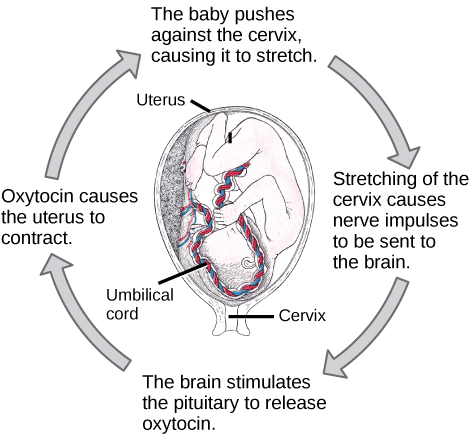
What type of feedback system does the model represent?
positive
negative
neutral
glyogen
With low oxygen levels, your breathing rate will increase. When your oxygen levels rise, what is the appropriate response?
stop breathing
increase heart rate
keep breathing rate high
return breathing rate to baseline
When your glucose levels are too high, what is the appropriate response?
urinate
release glucagon
eat sugar
release insulin
When your glucose levels are too high, what is the appropriate response?
urinate
release glucagon
eat sugar
release insulin
Identify the STIMULUS.
Scenario: A person begins to exercise which causes their body temperature to increase. The temperature change is noticed and the person begins to sweat and their body temperature decreases.
temperature change is noticed
person begins to sweat
body temperature decreases
person begins to exercise
Identify the RESPONSE.
Scenario: A person begins to exercise which causes their body temperature to increase. The temperature change is noticed and the person begins to sweat and their body temperature decreases.
temperature change is noticed
body temperature increases so the person begins to sweat
body temperature decreases
person begins to exercise

