
 Worksheets
Senses
Total questions: 45
Worksheet time: 25mins
Which of the following statements about proprioceptors is true?
the detect pressure changes in the walls of blood vessels
they detect pain
they monitor the position of joints and skeletal muscles
they are closely related to the sensation of touch
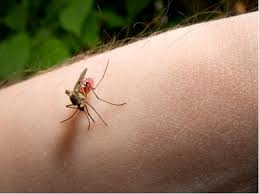

This is because snakes have...
Which sense has receptors throughout the body?
Smell
Taste
Sight
Touch
Sensory receptors in the skin have a different structure than sensory receptors in the eye. The most reasonable explanation for the difference in the structure of these receptors is that –
receptors in the skin are connected to nerve cells, but receptors in the eye are not.
receptors in the eye respond to a different type of input than receptors in the skin.
there are many more sensory receptors in the skin than receptors in the eye.
only the sensory receptors in the eye transmit signals directly to the brain.


What special sense receptors take in information about the temperature of the environment and inform your brain.
Your eyes
Your ears
Your skin
None of the above
bare dendrites with gate channels on the membrane are known as...
encapsulated nerve endings
separate sensory cells
free nerve endings
unmyelinated axons
Encapsulated nerve endings are -
bare dendrites with gated channels
dendrites enclosed in a capsule
specialized cells that respond to stimuli and release NT
none of the above
All of the following are true regarding free nerve endings EXCEPT
detect pain and temperature
detect tickle, itch, light touch
made up of bare dendrites with gated channels
detect pressure
All of the following are true regarding separate sensory cells EXCEPT
detect vision, taste
specialized cells that respond to stimuli
detect vibration, deep touch
detect hearing and balance
All of the following are true regarding encapsulated nerve endings EXCEPT
dendrites enclosed in a capsule
detect pressure, vibration
detect deep touch
detect pain, temperature
All of the following are true regarding the general senses EXCEPT
somatic comes from the body walls
found only in the head
visceral comes from internal organs
tactile, blood vessels
All of the following are true regarding the special senses EXCEPT
they have separate sensory cells
are found only in the head
include smell, taste, vision, hearing, equllibrium
include pressure, vibration, deep touch
All of the following are true regarding exteroreceptors EXCEPT
found within skin and mucous membranes
smell, taste, vision, hearing
contain separate sensory cells
have encapsulated nerve endings
Interoceptors detect stimuli within the body. Where are these mainly found?
blood vessels and viscera
muscle spindle, golgi tendong, joint receptors
skin
mucous membranes
Receptors found in the muscle spindle, golgi tendon, and joints are used for
proprioception
separate sensory cells
exteroreceptors
none of the above
All of the following are true regarding chemoreceptors EXCEPT
found in taste receptors
Can be separate sensory cells
found in the blood
Mainly found in hypothalamus
Thermoreceptors...
detect temperature
found in skin
found in hypothalamus
all of the above
Photoreceptors detect changes in light and are found in the eye. Which of the following is true regarding them?
They are separate sensory cells
They are encapsulated nerve endings
They are free nerve endings
They are interoceptors
All of the following are true regarding mechanoreceptors EXCEPT
are cutaneous tactile receptors
detect physical deformation
respond due to touch, pressure, vibration, and stretch
are separate sensory cells
Baroreceptors
detect changes in stretch and are found in blood vessels & bladder
detect physical deformation due to touch or pressure
detect chemicals in fluid and are found in the hypothalamus
are only found in the head
Nociceptors...
detect painful stimuli
are in almost all organs
are free nerve endings
all of the above are true
Encapsulated tactile receptors are all
baroreceptors
chemoreceptors
mechanoreceptors
thermoreceptors
Unencapsulated free nerve endings....
thermoreceptors
nociceptors
all of the above are true
mechanoreceptors that detect pressure
Nociceptors are NOT
tonic
phasic
found in every cell in the body except the brain
free nerve endings
No pain perception
hypoalgesia
analgesic
hyperallgesia
alldynia
Reduced pain perception
analgesic
hypoalgesic
alldynia
hyperalgesia
When a painful stimulus is made more painful
hypoalgesia
analgesic
alldynia
hyperalgesia
when a stimulus that is not painful is felt as pain (lightly touching a bruise)
hypoalgesia
analgesic
alldynia
hyperalgesia
All of the following are true regarding fast pain EXCEPT
occurs rapidly
sharp pain not felt in deeper tissues
larger A nerve fibers
aching throbbing pain
Slow pain that affects smaller C nerve fibers is
acute
chronic
sharp
none of the above
Superficial somatic pain arises from
muscles
skin
visceral organs
joints
Deep somatic pain comes from
skin
visceral organs
muscle, joints, tendons
deep skin
Visceral pain comes from
skin
muscles, joints, tendons
deep skin
receptors in visceral organs
Visceral pain that is felt just deep to the skin overlying the stimulated organ is called
chronic pain
slow pain
referred pain
none of the above

