
Font size
 Worksheets
CRM 3.2 Review
Total questions: 40
Worksheet time: 1hrs 4mins
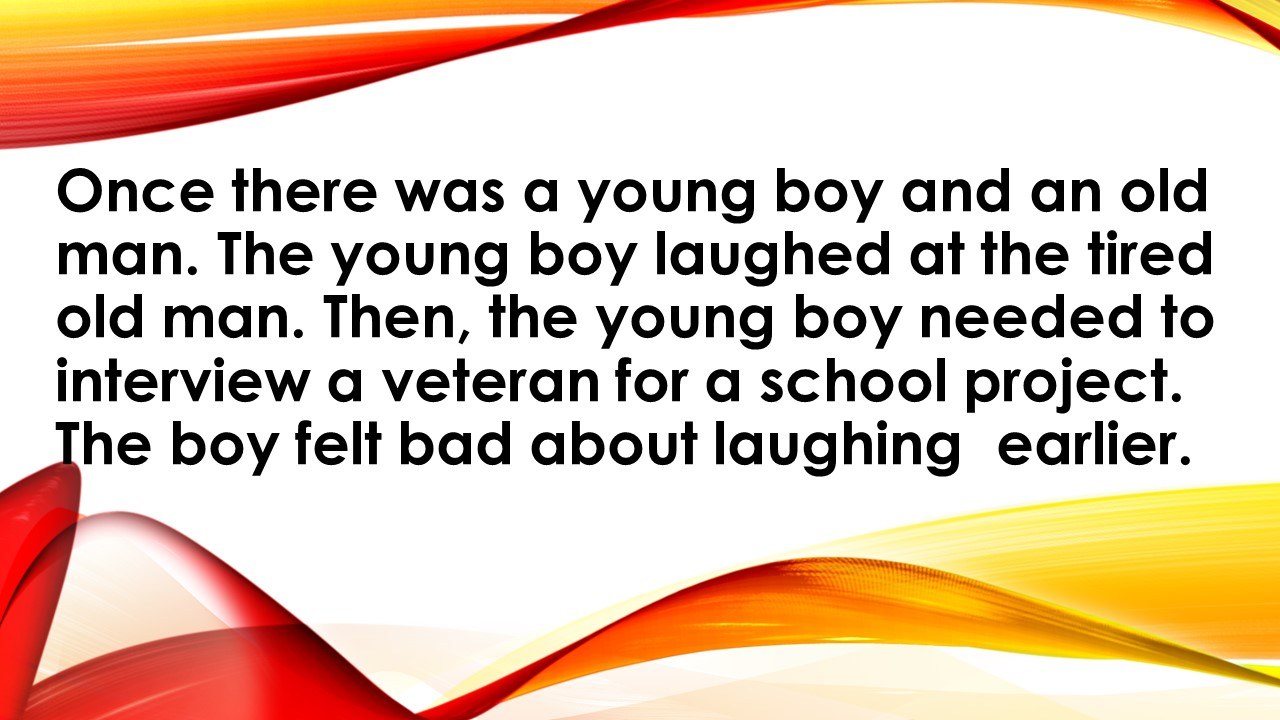
What is an unreliable narrator?
A narrator who accurately tells the events of a story
A narrator in the story who does not tell the events of the story accurately
A narrator who tells how every character feels in a story
A narrator who only explains one thing.
An unreliable narrator can be all the following EXCEPT
Incapable of telling the truth due to mental capabilities
Under the influence of a substance
Distorted due to mental disorders
Extremely trustworthy
What is the meaning of point of view?
Point of view describes when and where a story takes place.
Point of view describes the conflict in the story.
Point of view is the perspective from which the story is told or who is telling the story
Point of view describes the turning point of the story.
The narrator is the...
person telling the story
main character in the story
enemy of the main character
person listening to the story
A narrator who perceives and/or presents the events of a story in a way that is skewed or disconnected from the real world (as portrayed in the story) is...
unreliable
reliable
insane
ironic
Check all that apply.
What are some signs of an unreliable narrator?
speaks about himself in the third person
acts normally and does not raise suspicion
withholds information
claims he is not crazy
The reader sees the pronouns I, me, and we.
Seems to be a bolder approach. Lots of the pronoun YOU, YOU'RE, and YOU'LL.
Which of the following contributes to the setting?
a) The place
b) The events
c) The season
d) Both a and c
Which one of these is NOT an element of setting
Time
Place
Conflict
season
Why is the setting important? Click all that apply:
It impacts the characters
It impacts the plot
It impacts the mood
It impacts the conflict

What possible conflict could take place in this setting?
A man could struggle to float on a raft
A child playing hide and seek could loose the game
A hiker could slip and loose his footing
A boat could crash into the rocks
What is another way to describe setting?
The setting is the action that takes place in a certain place
The time of an event
Everything that happens in a certain place.
The environment that could include the season, year, time and day in which characters develop and interact
What is the theme?
What is the term for using the same words or phrases over and over?
Repetition
Rhythm and Meter
Rhyme
Stanza
What is the term for the 'paragraph' in a poem that follows a pattern?
Repetition
Rhythm and Meter
Rhyme
Stanza
What is the term for language that helps readers imagine using the '5 senses'?
Repetition
Rhythm and Meter
Rhyme
Imagery
What is the term for the author's attitude in a poem?
Repetition
Rhythm and Meter
Rhyme
Tone
What is the term for a comparison using 'LIKE' or 'AS'?
Metaphor
Simile
Personification
Onomatopoeia
What is the term for words that start with the same letter or sound?
Metaphor
Simile
Onomatopoeia
Alliteration
Using a concrete image, object, or color to represent an abstract idea
slant rhyme
poetry
symbolism
repetition
an extreme exaggeration not meant to be taken literally
personification
hyperbole
denotation
alliteration
Which of the following best describes verbal irony?
when a twist ending of a story involves character dialogue
when words are used to mean the opposite of their literal meaning
a fire takes place in a fire station. Which type of irony is this?
verbal irony
dramatic irony
situational irony
When an author employs dramatic irony, the audience has
become part of the plot
less information than the characters have
more information than the characters have
In a horror movie, the audience sees a monster enter the house while a family quietly eats dinner. What type of irony is this?
verbal irony
dramatic irony
situational irony
A brief reference to a person, event, object, time period, literary work, etc. (example: Don't be such a Scrooge! The good Samaritan appeared on the scene. His smile is like kryptonite to me.)
epistrophe
allusion
euphemism
anaphora
WHAT IS WRONG WITH YOU?!
simile
metaphor
hyperbole
rhetorical question

